Start with a Site Assessment
Before selecting a single paver or piece of furniture, spend time observing how your outdoor space actually behaves. Walk the area at different times of day across multiple seasons if possible, and note where the sun hits hardest, where wind channels through, and where water pools after rain. These patterns - not aesthetics - should drive every subsequent decision.
Key factors to document include:
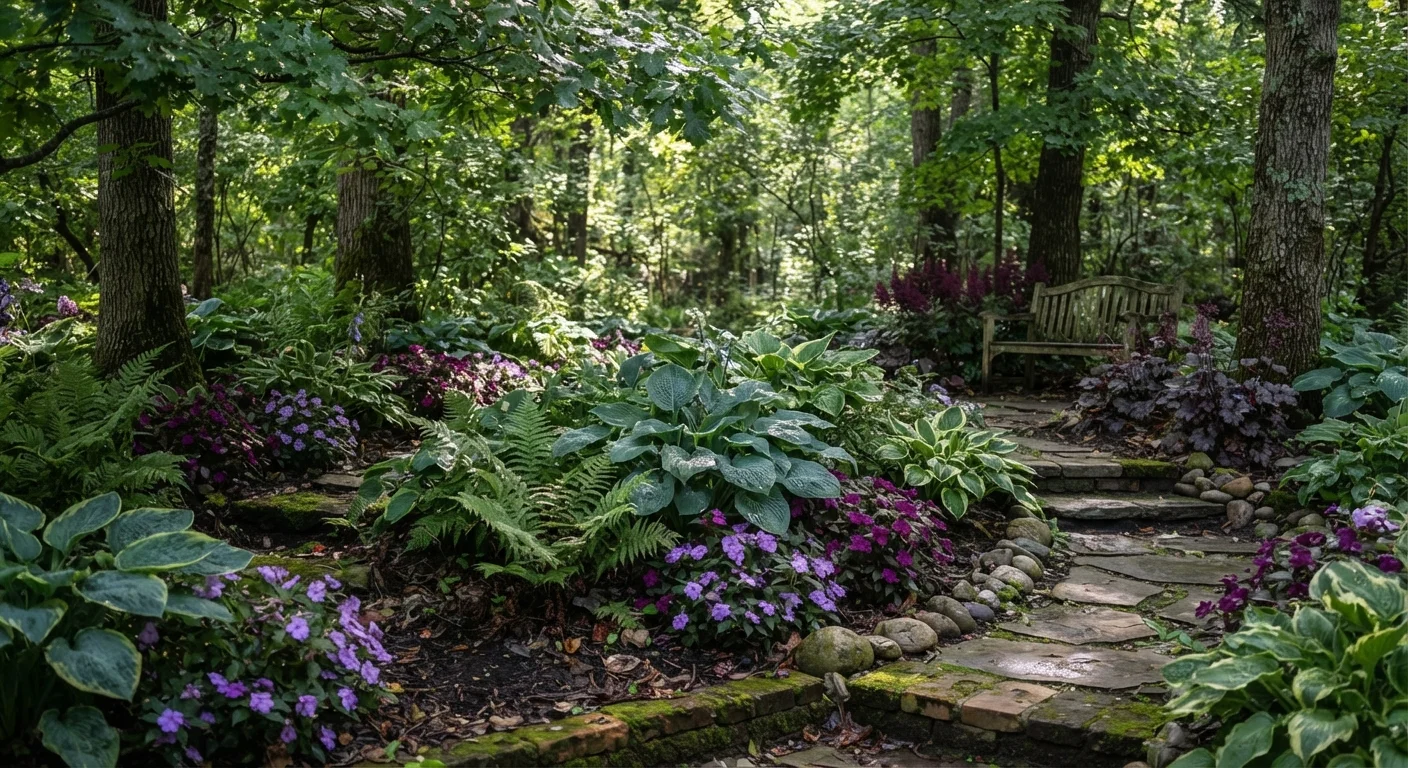
- Sun exposure: Does the area receive full sun, partial shade, or deep shade? This affects both comfort and plant choices. For shaded zones, see our guide to shade gardening strategies for compatible planting ideas.
- Prevailing wind direction: Identify which side of the space is most exposed so shelter can be placed effectively.
- Drainage: Flat, low spots that retain water will need grading, a French drain, or a permeable surface to stay functional year-round.
- Access points: Note how people move between indoors and the space - this informs layout and traffic flow.
A well-observed site assessment prevents expensive corrections later and ensures your design works with your yard's natural conditions rather than against them.
Choosing the Right Surface Material
The ground underfoot sets the tone for the entire space and determines how safe, comfortable, and low-maintenance the area will be. Each material category comes with trade-offs across climate performance, cost, installation complexity, and lifespan.
87%
Homeowners who say outdoor space adds quality of life
According to the American Institute of Architects' Home Design Trends Survey, the vast majority of homeowners cite outdoor living as a meaningful contributor to daily satisfaction.
12%-20%
Home value increase from outdoor improvements
Industry estimates from the National Association of Realtors suggest that well-executed outdoor living areas can meaningfully boost resale value, though results vary by market.
- Concrete pavers
- Durable, relatively affordable, and available in a range of textures. Individual pavers can be removed for repairs, and permeable styles allow water drainage. They can become slippery when wet unless textured or sealed appropriately.
- Natural stone (bluestone, travertine, flagstone)
- High durability and visual appeal. Travertine stays cooler underfoot in sun - a real advantage in hot climates. Irregular flagstone suits informal gardens; sawn stone reads more formal. Requires sealing in freeze-thaw climates to prevent cracking.
- Composite decking
- Engineered for moisture and UV resistance, composite decking largely eliminates the warping, splintering, and annual sealing demands of wood. It typically costs more upfront but less in maintenance over time.
- Gravel or decomposed granite
- Lower cost and good drainage, but less comfortable underfoot and prone to displacement. Works well as infill between stepping stones or in zones with lighter use.
Whatever surface you choose, confirm that the subgrade is properly compacted and that a slight pitch (typically around 1-2% slope away from the house) is built in to direct runoff. This detail is often overlooked and leads to puddling and long-term surface damage.
Build in a Drainage Slope from the Start
A 1-2% slope away from your home's foundation is a small detail during installation but prevents significant problems over time. Puddling on a flat patio surface leads to surface staining, algae growth, and accelerated material degradation. If your existing patio is flat and drains poorly, a surface drain installed at the low point is often a practical retrofit.
Shelter: Shade, Wind, and Rain Protection
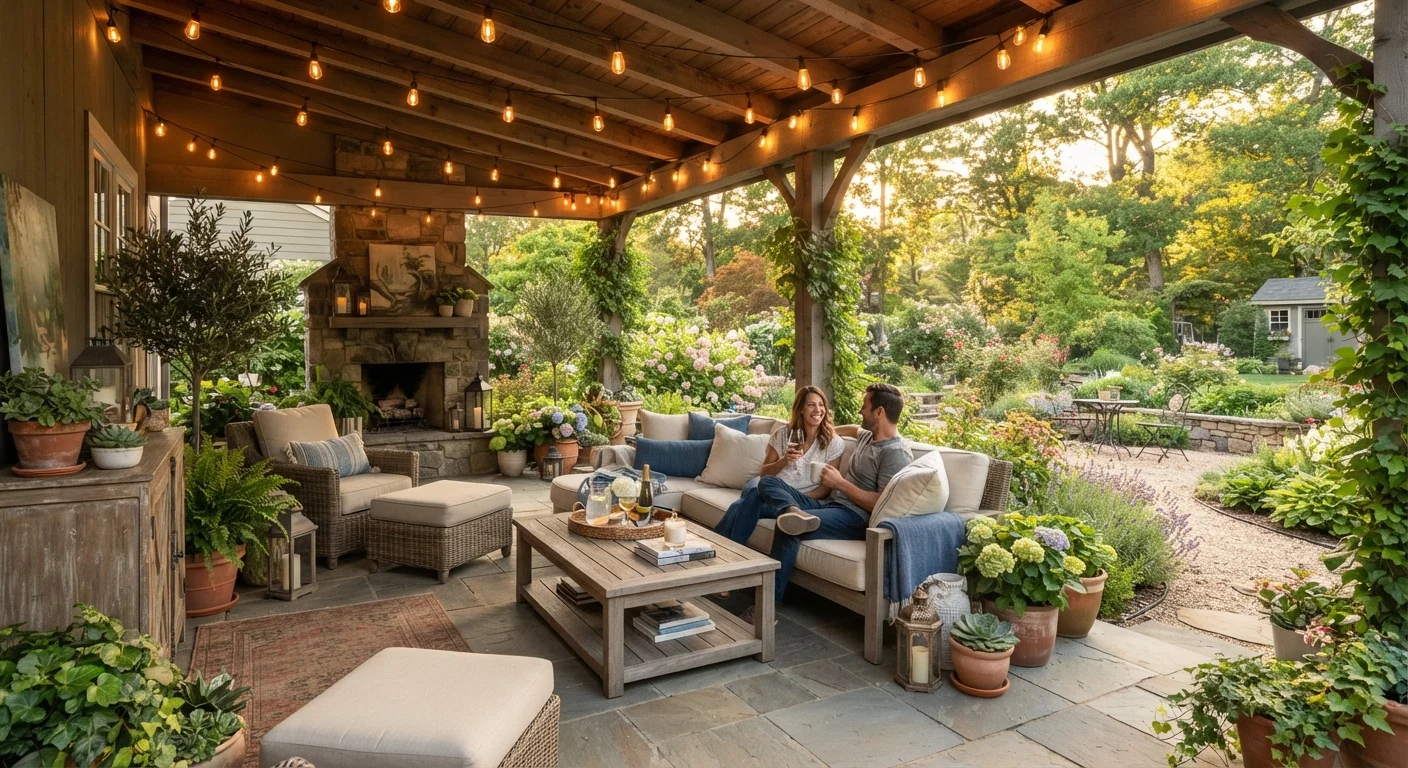
Overhead shelter is arguably the most impactful upgrade you can make to an outdoor space. A well-chosen structure extends usability through rain, midday heat, and cooler evenings - turning a seasonal patio into a true outdoor room.
Anchor your pergola or shade structure to a concrete footing rather than relying on surface stakes - especially in regions with wind gusts above 40 mph. A footing-anchored post is dramatically more secure and protects your investment.
Wind uplift is the leading cause of pergola and shade structure failures. Proper footing depth is typically specified in local building codes and varies by soil type and frost depth.
When selecting pavers near a pool or in a high-rainfall climate, prioritize a brushed or sawn finish over a smooth one. The texture difference is subtle to look at but significant underfoot when wet.
Slip resistance is one of the most commonly overlooked safety factors in surface selection. Smooth-finish natural stone and unsealed concrete become significantly slippery when wet.
Pergolas and Shade Sails
Open pergolas filter intense sun while allowing airflow. Adding retractable shade cloth or climbing plants increases coverage as needed. Shade sails are a flexible, lower-cost option that can be repositioned seasonally, though they require secure anchor points rated for your local wind loads.
Attached Patio Covers and Roof Extensions
A solid roof extension - tied into the home's existing structure - provides full rain and sun protection. This is the most weather-tight solution, but it requires permits in most jurisdictions and involves structural consideration. Always verify local building codes and consult a licensed contractor before adding any attached overhead structure.
Wind Barriers
Privacy fencing, masonry walls, or dense hedging can significantly reduce wind exposure on one or more sides. Hedges take years to establish but provide sound buffering and a naturalistic feel. Hardscape walls deliver immediate protection and can double as seating surfaces.
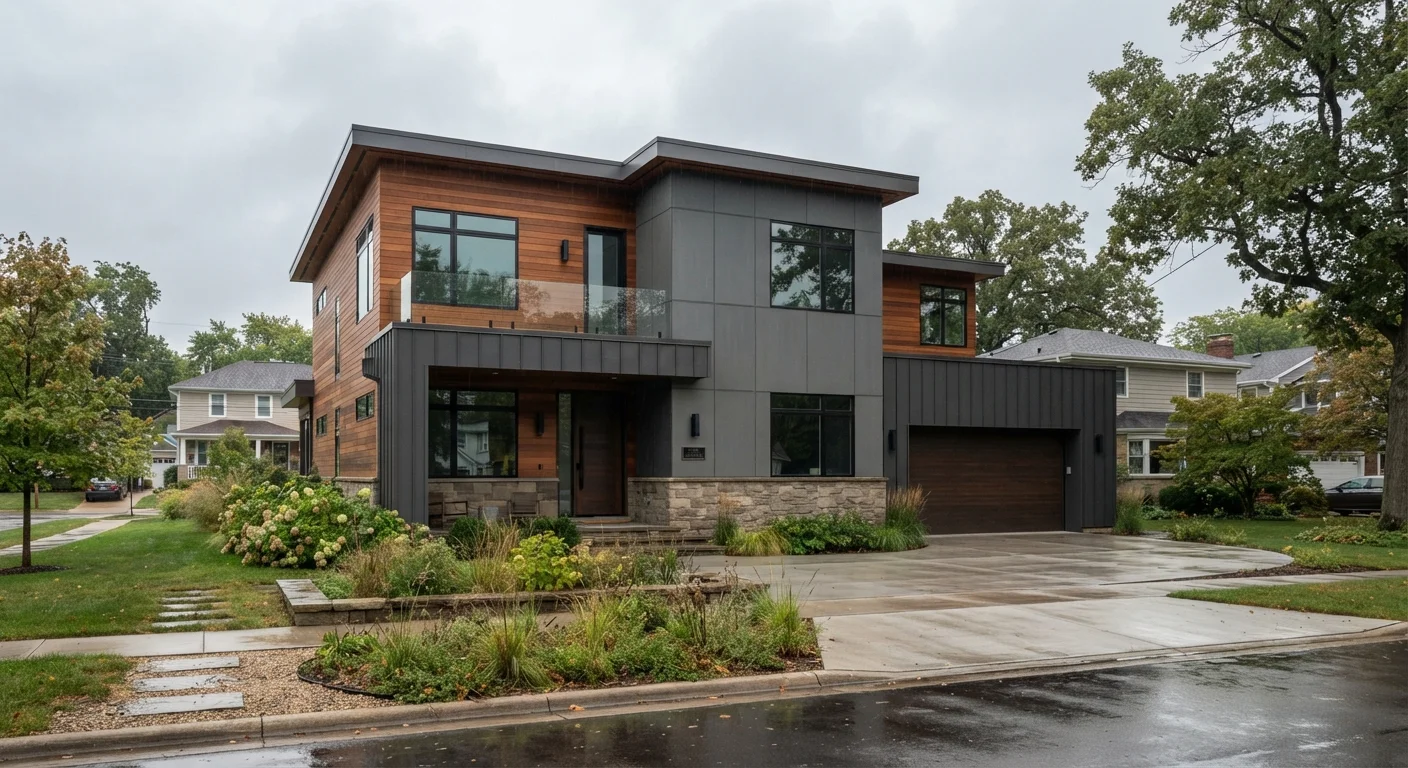
The relationship between your shelter structure and your home's exterior also matters aesthetically. Our overview of exterior siding materials can help you understand how adjacent wall surfaces age and what maintenance they may need over time.
Extending the Season with Heat and Lighting
Heat sources and outdoor lighting are what transform a patio from a warm-weather asset into a three- or four-season destination.
“Outdoor rooms are most successful when they're treated like interior rooms - with distinct zones, layered lighting, and surfaces chosen for how people actually use the space, not just how they look in photos.”
— Susan Morrison, Landscape designer and co-author of 'The Garden Maker's Book of Wonder'
Outdoor Heating Options
Freestanding propane heaters are easy to position and move, making them a practical starting point. Ceiling-mounted infrared heaters attached to a covered structure are more permanent and highly efficient - they warm people and surfaces directly rather than the surrounding air. Built-in fire pits and fireplaces create an ambiance that heaters alone cannot replicate, though they require clearance from structures, fire-safe surrounds, and local ordinance compliance.
Lighting Strategy
Effective outdoor lighting operates on multiple levels. Overhead string lights or lanterns create ambient warmth. Task lighting near cooking or seating areas supports function after dark. Path lighting improves safety and extends the visual footprint of the space at night. Low-voltage LED fixtures are the current standard for energy efficiency and longevity. Solar-powered options are easy to install but deliver less consistent output in overcast climates or heavily shaded yards.
When planning electrical work for hardwired fixtures, outlets, or ceiling fans, engage a licensed electrician. Outdoor-rated wiring and weatherproof junction boxes are code requirements, not optional upgrades.
Furnishing and Plant Integration
Furniture that cannot handle weather will degrade quickly and create an ongoing replacement cost. Look for materials rated for exterior use: powder-coated aluminum, resin wicker with all-weather frames, teak, or recycled HDPE lumber. Cushions should use solution-dyed acrylic fabrics designed to resist fading and mildew.
Zoning the space into functional areas - dining, seating, cooking, or a transition buffer - makes the layout feel intentional even in modest-sized yards. Rugs designed for outdoor use can anchor each zone while adding color and softness underfoot.
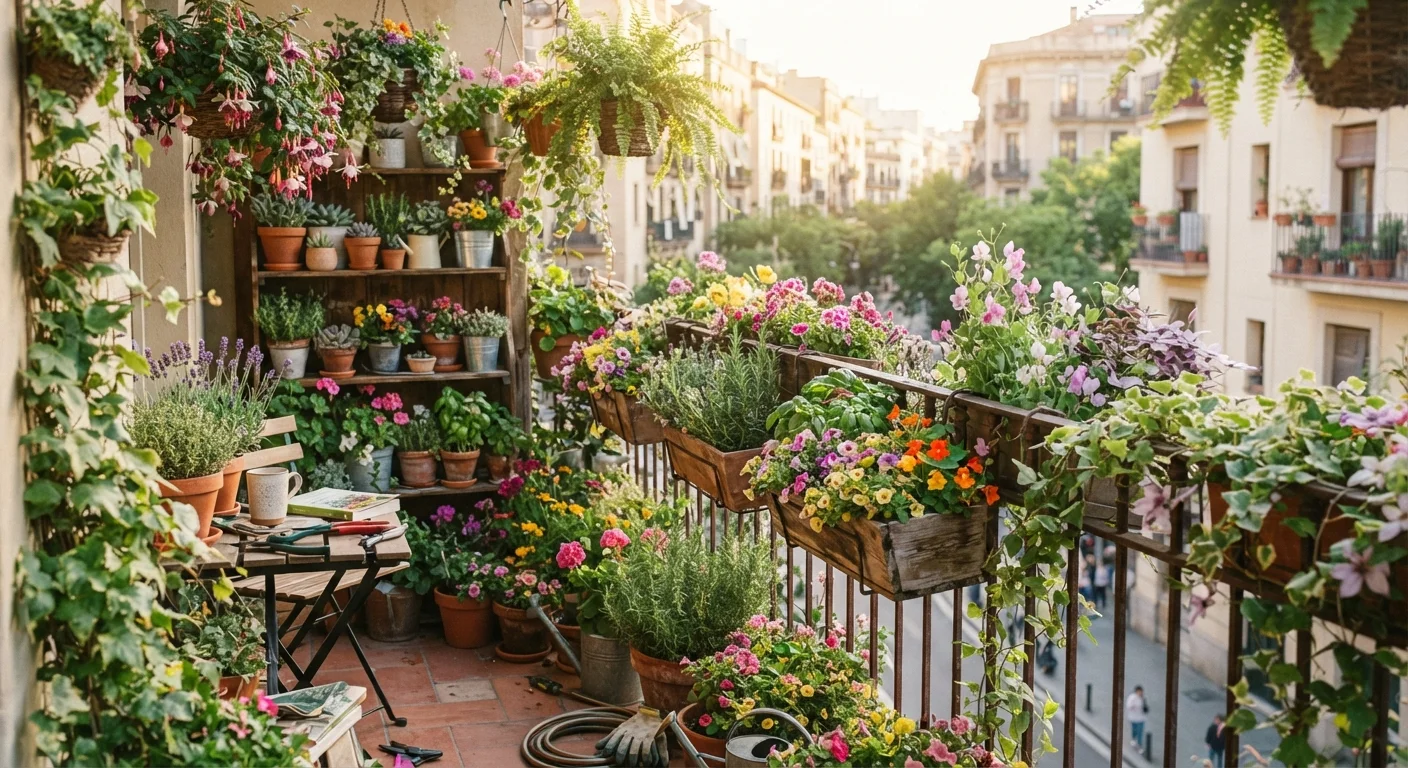
Plants are the element that makes an outdoor living space feel genuinely integrated into the landscape rather than simply placed on top of it. Container gardening is one of the most flexible approaches - you can move planters seasonally, adjust the arrangement, and tailor soil mixes to specific plants. Our container gardening guide for patios and balconies covers drainage needs, plant selection, and mix recommendations in detail.
Ground-level mulching around planting beds adjacent to the patio helps suppress weeds, retain moisture, and maintain a tidy border between hard and soft surfaces. Choosing the right mulch and applying it correctly makes a noticeable difference in how low-maintenance those beds remain through the seasons.
Maintenance Planning for Long-Term Use
A well-designed outdoor space should be planned for the maintenance it will actually receive - not idealized conditions. Honest assessment of your available time and willingness to do seasonal upkeep should shape material and plant choices from the beginning.
Don't Skip Permits for Attached Structures
Attached patio roofs, pergolas tied into the home, and outdoor electrical work commonly require building permits in most US jurisdictions. Unpermitted structures can complicate homeowners insurance claims, create issues at resale, and - in the case of structural or electrical work - pose genuine safety risks. Always check with your local building department before beginning construction.
General seasonal tasks to build into your calendar include:
- Spring: Clean and inspect surface materials for winter damage, reseal stone or pavers if needed, wash furniture, service any heat or electrical fixtures, and replant containers.
- Summer: Water container plants regularly, trim any plants encroaching on structure clearances, and inspect overhead structures for signs of stress after storms.
- Fall: Store or cover cushions and weather-sensitive furniture, blow out any water features to prevent freeze damage, and clear debris from drainage paths.
- Winter: In freeze-thaw climates, check that permeable surfaces are draining cleanly and that any potted plants brought indoors are placed correctly. Our seasonal rotation approach for keeping your home organized applies equally well to outdoor gear and furniture storage.
Well-planned outdoor spaces reward consistent but modest care. Building that realism into the design phase - choosing sealed pavers over bare concrete, composite over wood decking, or drought-tolerant container plants over high-maintenance tropicals - is ultimately what separates a space that works year-round from one that gets abandoned by October.