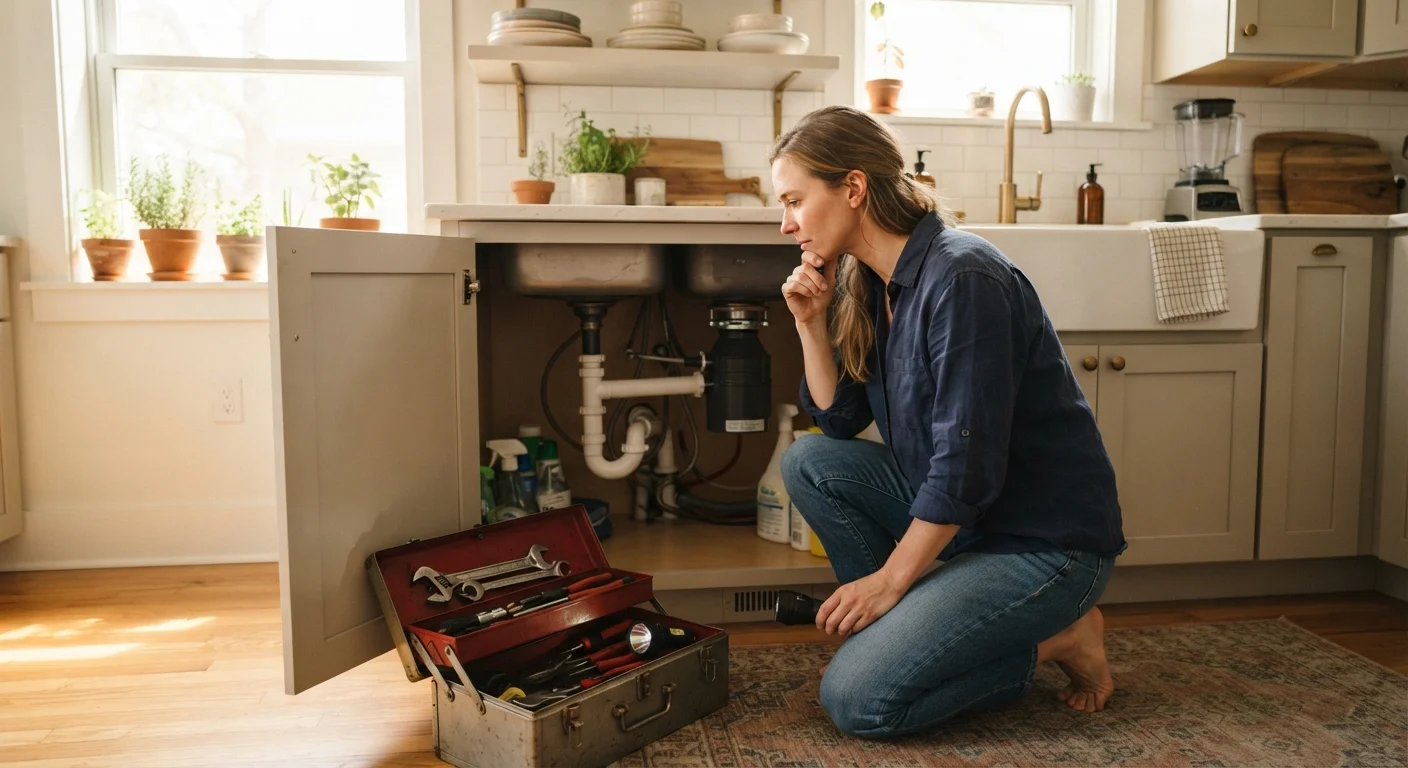
A season-by-season breakdown of the upkeep tasks that protect your home's value, safety, and systems throughout the year.
Key Takeaways
Seasonal maintenance prevents small issues from becoming expensive structural or system failures.
Most annual home upkeep can be broken into four distinct seasonal windows aligned with weather changes.
Some tasks - like HVAC servicing and roof inspection - require a licensed professional, not DIY.
Keeping records of completed maintenance supports home insurance claims and future resale.
Skipping routine upkeep can void manufacturer warranties on appliances and major home systems.
Why a Maintenance Calendar Pays for Itself
Owning a home means accepting responsibility for dozens of interconnected systems - roof, foundation, plumbing, HVAC, electrical, and more. Without a plan, it's easy to let small issues compound into expensive repairs. According to housing industry guidance, homeowners should budget roughly 1% to 2% of their home's purchase price each year for maintenance. A seasonal calendar turns that abstract budget into concrete, timely action.
The real costs of owning a home extend well beyond your monthly mortgage. Planned maintenance is almost always cheaper than emergency repairs, and it protects your property value over time - much like scheduled vehicle maintenance preserves a car's longevity and resale price.
Before diving into the checklist, note that electrical panels, gas lines, load-bearing structures, and roofing work typically require licensed professionals. For guidance on what belongs on a weekend to-do list versus what needs an expert, see when to call a pro versus DIY.
Skipped Maintenance Can Void Warranties
Many appliance and system warranties - including HVAC equipment and roofing materials - include clauses requiring documented annual servicing. If you skip scheduled professional maintenance and the system fails, the manufacturer or installer may deny your warranty claim. Keep dated records of all service visits to protect your coverage.
Your Season-by-Season Maintenance Checklist
Work through these tasks in the season they appear. Some items, such as smoke detector testing, recur every season - that repetition is intentional. Consistent habits catch problems early.
Spring
Inspect the roof for winter damage - missing shingles, lifted flashing, or damaged soffits - and arrange professional repair where needed.Must
Clean gutters and downspouts of debris that accumulated over winter, and confirm downspouts direct water at least 6 feet from the foundation.Must
Schedule a professional HVAC tune-up before the cooling season begins, including filter replacement and refrigerant check.Must
Walk the full perimeter of the home to check for foundation cracks, settling, or soil erosion around the base.Must
Test all smoke and carbon monoxide detectors and replace any batteries or units older than 10 years.Must
Check exterior siding, trim, and caulking for gaps, cracks, or peeling paint that could allow moisture intrusion.Should
Flush the water heater to remove sediment buildup that reduces efficiency and shortens the unit's lifespan.Should
Summer
Inspect window and door screens for tears and repair or replace them to keep pests out.Should
Check attic ventilation and insulation levels to ensure the space is properly ventilated during peak heat.Must
Examine deck, porch, and fence structures for rot, loose fasteners, or unstable railings, and repair before heavy use.Must
Test all GFCIs (ground-fault circuit interrupter outlets) in bathrooms, kitchens, and outdoor areas by pressing the test button.Must
Trim back tree limbs or shrubs growing within 3 feet of the home's exterior to reduce moisture and pest risk.Should
Check irrigation or sprinkler systems for broken heads and confirm they are not directing water toward the foundation.Nice to have
Fall
Have the heating system professionally serviced before temperatures drop, including furnace filter replacement and pilot or ignition check.Must
Clean gutters again after leaves have fully fallen to prevent ice dams and water backup in winter.Must
Seal gaps around windows, doors, and where utility lines enter the home using weatherstripping or caulk.Must
Drain and disconnect exterior garden hoses and shut off outdoor faucets to prevent pipe freezing.Must
Test smoke and carbon monoxide detectors and replace batteries as part of daylight saving time routines.Must
Stock emergency supplies - flashlights, batteries, a first-aid kit, and water - in preparation for winter weather events.Should
Check the fireplace and chimney; schedule a certified chimney sweep cleaning if the fireplace is used regularly.Should
Winter
Monitor for ice dams on the roof edge and address insulation or ventilation deficiencies that allow them to form.Must
Know the location of your main water shutoff valve and confirm it operates freely in case of a burst pipe emergency.Must
Check under sinks and around exposed pipes during cold snaps and insulate any pipes in unheated spaces such as garages or crawlspaces.Must
Replace HVAC filters if not already done in fall, and continue replacing them every 1-3 months based on manufacturer guidance.Should
Use the quieter season to review your home inventory, update your insurance coverage documents, and file maintenance receipts.Nice to have
Don't Skip Electrical and Gas Work
Tasks involving your electrical panel, gas lines, or load-bearing structural elements are not DIY-friendly for most homeowners. Incorrect work can create fire hazards, void homeowner's insurance, and fail local code inspections. Always hire a licensed professional for these jobs, and verify permits are pulled where required by your municipality.
As you complete tasks, log them with dates and any receipts or contractor invoices. Organized homeowner records protect you at tax time, after an insurance claim, and when you eventually sell. You may also want to coordinate outdoor tasks with your broader seasonal organization strategy - rotating seasonal gear and storage by time of year can make each maintenance window more efficient.
For exterior upkeep, the type of siding on your home changes what you're looking for. Different siding materials - vinyl, fiber cement, wood, or metal - each have distinct inspection and maintenance needs worth understanding before you do a visual check.
Gardeners should pair their fall home tasks with a fall garden prep checklist to protect perennials and set up for a stronger spring. The Home Improvement hub offers additional guidance on repairs and upgrades across all seasons.
Real Estate Editorial Team is the collective byline for our editorial team and contributor network. Articles published under this byline or an editorial pen name are researched, written, and reviewed according to our editorial standards for clarity, consistency, and independence before publication.
The content on this site is for informational purposes only and is not a substitute for professional advice. Always consult a qualified professional for guidance specific to your situation.