
Why Clutter Keeps Coming Back
Most people have decluttered at least once - and watched it slowly undo itself. The counters fill back up. The closet returns to chaos. The catch-all drawer overflows again. This pattern is so common it has a name: rebound clutter. And it rarely has anything to do with willpower or effort.
Clutter returns because the conditions that created it were never addressed. A one-time purge changes your physical space temporarily but does nothing to interrupt the daily behaviors that cause accumulation. Until the habits change, the result won't.
Understanding why clutter comes back - not just that it does - is what makes the difference between a home that stays organized and one that requires constant emergency sessions. The mistakes below are the most common behavioral patterns that cause rebound, and each one has a practical fix.
Treating decluttering as a single event rather than an ongoing practice.
Why it happens: People tend to declutter reactively - usually when the mess becomes overwhelming - and then consider it done. There's no built-in expectation that maintenance is required.
Organizing items you should be removing instead.
Why it happens: Sorting and containerizing feels productive and avoids the harder emotional work of deciding what to let go of. It looks like progress without requiring difficult choices.
Not having a designated home for every item you keep.
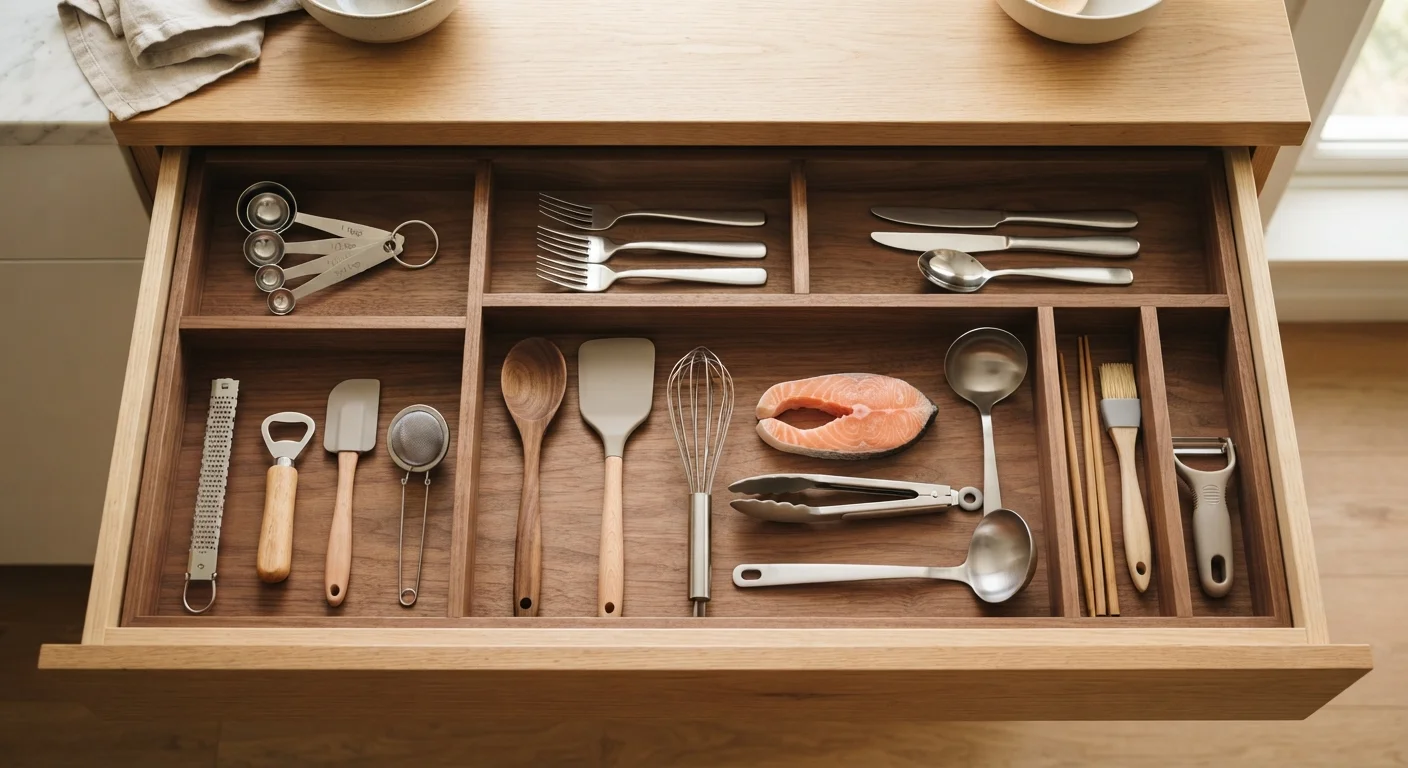
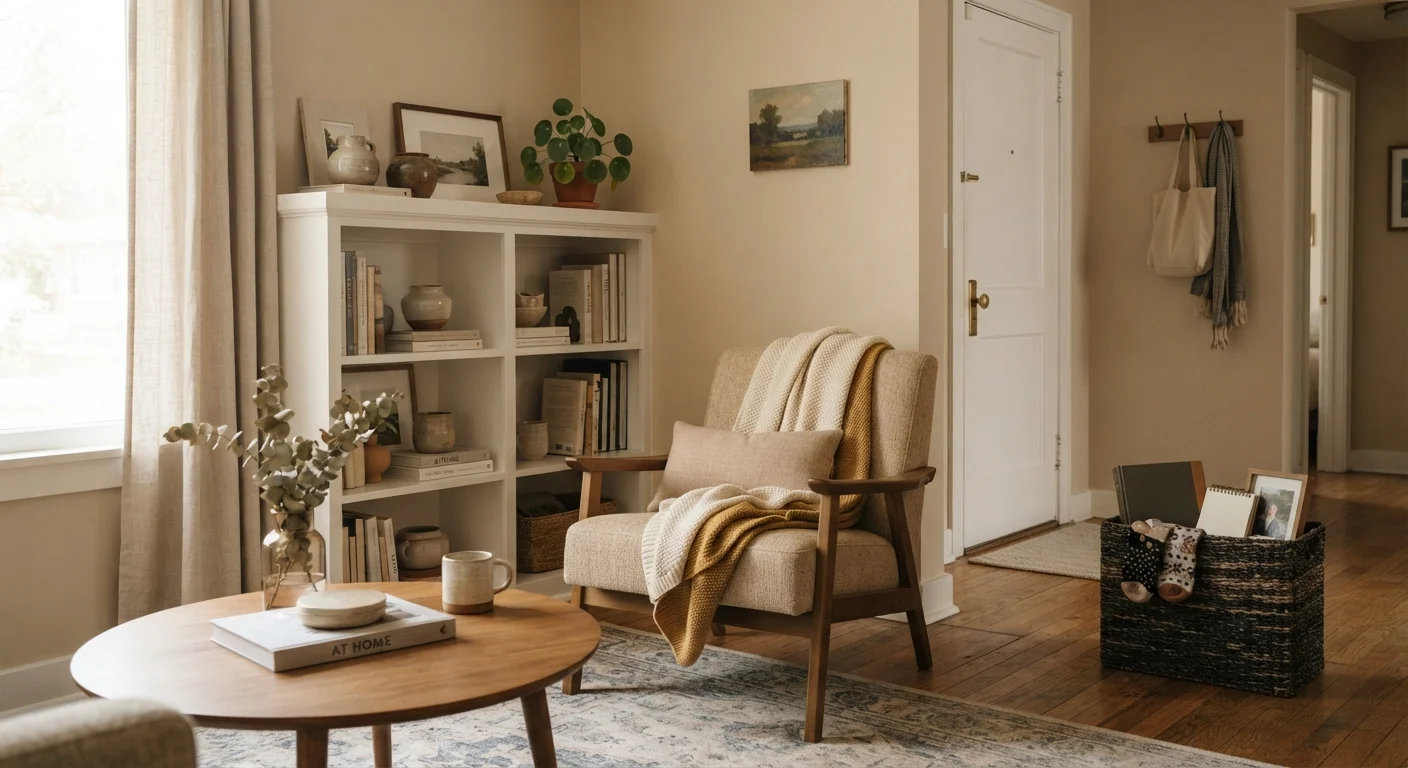
Why it happens: Items end up in catch-all zones - countertops, entryway chairs, the kitchen junk drawer - because no intentional home was ever assigned. Convenience wins over intention every time.
Failing to manage inflow - new items entering faster than old ones leave.
Why it happens: Shopping, gifting, and impulse acquisition happen constantly, while removal is infrequent and effortful. Most people track what comes in, not what goes out.
Building systems based on how you wish you lived rather than how you actually live.
Why it happens: Aspirational organization looks appealing - perfectly labeled open shelves, color-coded wardrobes - but doesn't account for real daily behavior under time pressure.
Building Habits That Actually Hold
The goal isn't a perfect home - it's a manageable one. The most durable organization systems are built around realistic daily behavior, not aspirational routines that collapse under the pressure of a busy week.
Storage Solutions Can Make Things Worse
Buying bins, baskets, and organizers before reducing your total volume of possessions often backfires. More storage can simply mean more capacity to accumulate. Assess what you actually own first, then select storage that fits a reduced, realistic inventory - not a wishful one.
A few shifts make the biggest difference. First, replace marathon decluttering sessions with short, frequent resets. A five-minute tidy at the end of the day prevents the kind of buildup that requires hours to undo. Second, treat inflow as seriously as you treat removal. Clutter accumulation is largely a supply problem - it grows when more comes in than goes out. The same logic applies to household finances: budgets fail for the same behavioral reason when outflow isn't actively managed.
Finally, design your systems around your real habits. The best organization method is the one you'll actually use. When your systems match how you live - rather than how you wish you lived - maintenance stops feeling like discipline and starts feeling like routine.
Decluttering Is Not a One-Time Fix
No matter how thorough a single decluttering session is, without behavior change it will not produce lasting results. The physical act of sorting and removing items is only the first step. The habits you build afterward determine whether the space stays clear. Treat organization as an ongoing practice, not a completed project.