What the Purchase Price Doesn't Tell You
For most Americans, buying a home is the largest financial commitment of their lives. Yet the number on the purchase contract captures only a fraction of what homeownership actually costs. New buyers often focus intensely on getting their down payment together and qualifying for a mortgage - then encounter a cascade of ongoing expenses that weren't part of their mental budget.
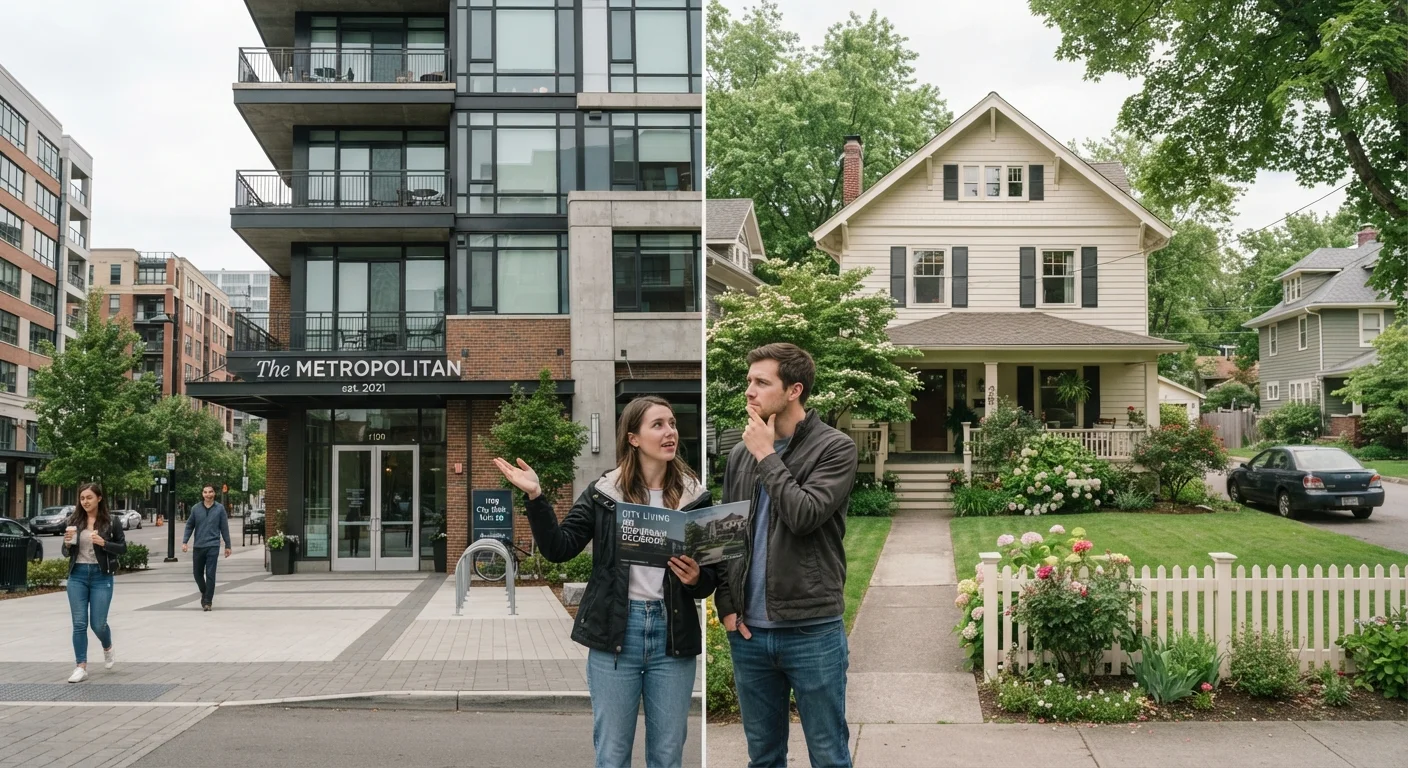
This isn't a reason to avoid buying. It's a reason to go in with accurate expectations. Whether you're comparing options with our renting vs. buying breakdown or building a household budgeting basics, understanding these costs upfront puts you in a far stronger position. Below are the ownership costs that most commonly catch first-time buyers off guard.
Property Taxes
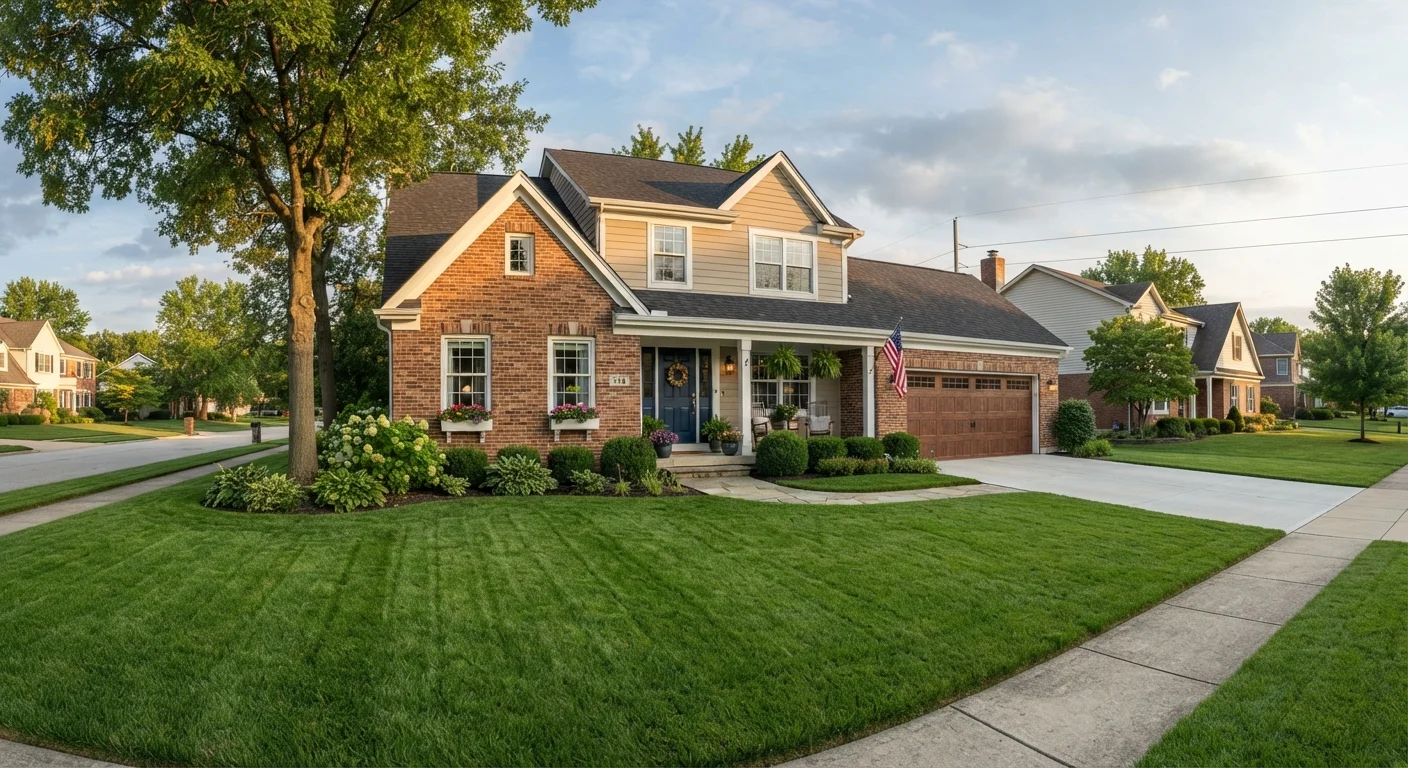
Property taxes are assessed by local governments based on your home's assessed value - a figure determined by your county or municipality, not necessarily the market price you paid. Rates vary significantly by state and locality, ranging from under 0.5% in some states to well over 2% in others. On a $350,000 home in a high-tax state, that could mean $7,000 or more per year added to your housing costs.
Many buyers have taxes rolled into their monthly mortgage payment via an escrow account, which can mask the true cost. When escrow estimates are low, lenders adjust - sometimes dramatically - causing payment increases that surprise homeowners mid-year. Always ask your lender or real estate agent for the most recent tax bill on a property before closing.
Property taxes can add thousands per year - and escrow adjustments can cause sudden payment increases.
Homeowners Insurance Premiums
Homeowners insurance is required by virtually every mortgage lender, and premiums have climbed in many regions due to increased weather-related losses and rising rebuild costs. A basic policy covers your dwelling structure, personal property, and liability - but flood and earthquake coverage are typically separate and can add substantially to your annual costs if you live in a risk-prone area.
Premiums are influenced by your home's age, construction type, location, and claims history. New buyers often use a quote from the closing period as a baseline, only to see rates increase at renewal. Shopping coverage annually and reviewing your policy limits keeps this cost from quietly growing unchecked.
Homeowners insurance premiums vary widely and often increase at renewal - especially in disaster-prone areas.
Routine Maintenance and Repairs
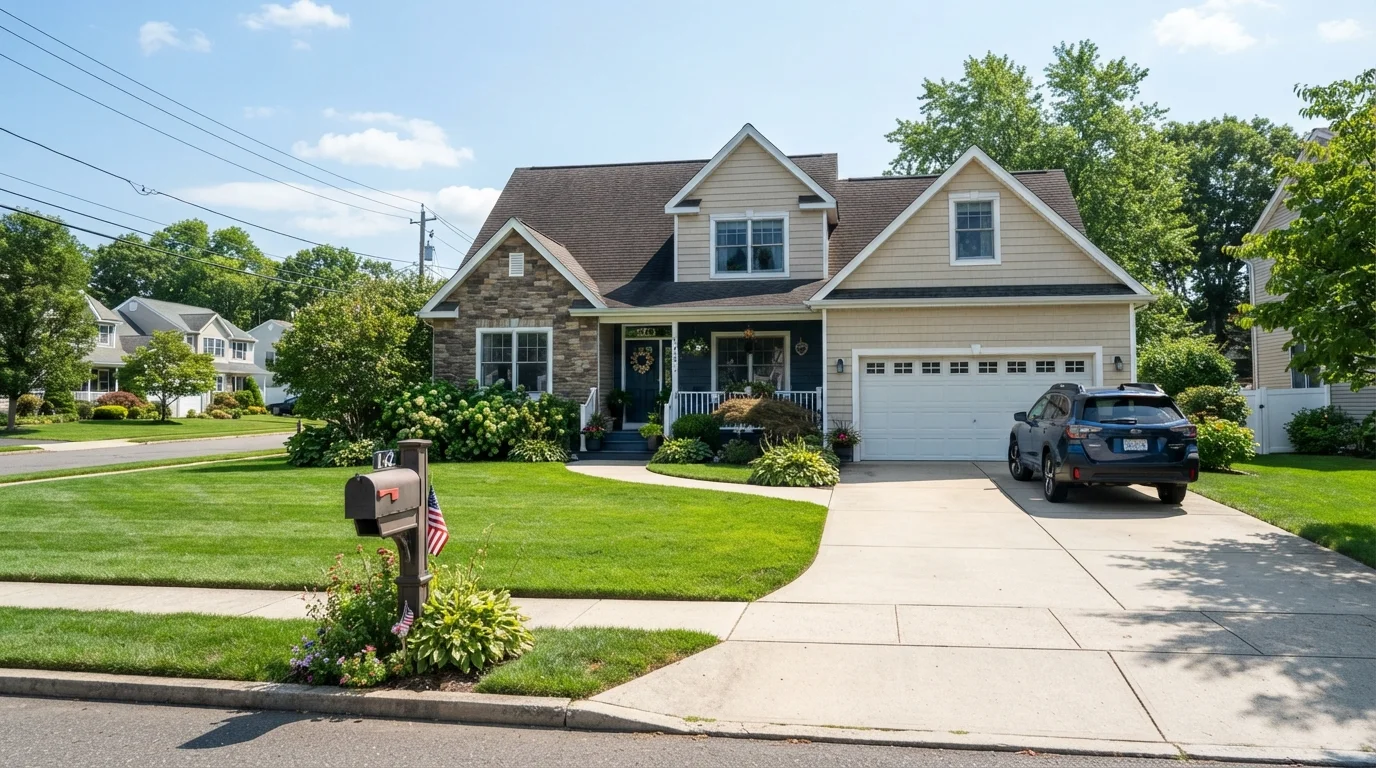
This is the category most likely to blindside new buyers. When you rent, a landlord absorbs the cost of a broken furnace or a leaking roof. When you own, that responsibility - and the bill - is entirely yours. A commonly cited guideline is to budget 1-2% of your home's purchase price per year for maintenance and repairs. On a $400,000 home, that's $4,000 to $8,000 annually, though older homes or those in harsh climates may require more.
Major systems - HVAC, water heaters, roofing, plumbing - all have finite lifespans. A roof replacement can cost $10,000 to $25,000 or more depending on size and materials. Buyers who purchase with no repair reserve fund frequently turn to high-interest debt when these expenses arrive. Starting a dedicated home maintenance fund before or immediately after closing is one of the most practical steps new owners can take.
Budgeting 1-2% of your home's value annually for maintenance is a practical baseline most new owners overlook.
HOA Fees and Special Assessments
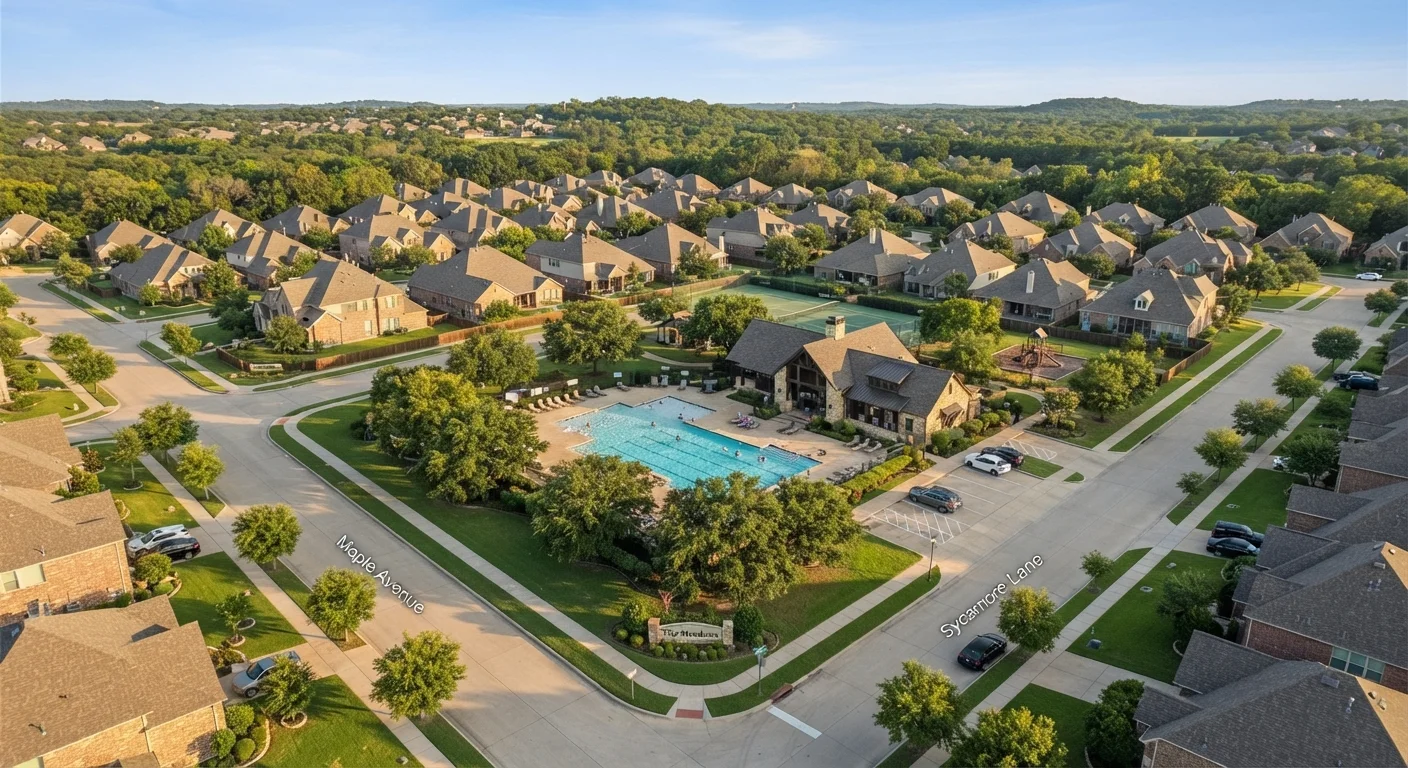
If your home is in a planned community, condominium building, or townhome development, a homeowners association (HOA) likely governs shared spaces and enforces community rules. Monthly HOA fees can range from under $100 to several hundred dollars or more, depending on the amenities and services covered. These fees are in addition to your mortgage, taxes, and insurance.
Beyond monthly dues, HOAs can levy special assessments - one-time charges to all homeowners when the reserve fund is insufficient to cover a major shared repair, such as a parking structure or roof on a common building. Special assessments can run into thousands of dollars with little advance notice. Understanding an HOA's reserve fund health and financial statements before purchasing is a critical step buyers often skip. See HOA rules and homeowner rights for a deeper look at what these organizations can - and can't - require.
Special HOA assessments can arrive with little warning and cost thousands - review the HOA's reserves before buying.
Utilities and Ongoing Operating Costs
Renters often pay electricity or gas, but homeowners typically take on a wider range of utilities: water, sewer, trash collection, and sometimes stormwater fees. Larger homes mean larger utility bills. In many markets, homeowners also pay for services that landlords historically covered, such as lawn care, pest control, gutter cleaning, and driveway sealing.
These costs are modest individually but add up. A homeowner might spend $1,500 to $3,000 per year on lawn maintenance, pest prevention, and routine upkeep tasks that renters never see. Factoring these into a monthly housing budget - alongside mortgage, taxes, and insurance - gives a far more realistic picture of what the home truly costs each month. For a comparison, our article on hidden costs of renting shows that renters face their own version of this problem.
Utilities, pest control, and lawn care are recurring ownership costs that rarely appear in pre-purchase budgeting.
Closing Cost Carry-Overs and First-Year Surprises
Even after surviving the closing table, new homeowners often face a cluster of first-year costs that feel sudden: immediate repairs identified during inspection but accepted as-is, furniture and appliance purchases for a larger space, and changes to utility accounts. Private Mortgage Insurance (PMI) - required when your down payment is less than 20% - adds to monthly costs until you build sufficient equity.
Additionally, local governments sometimes reassess property values when a home changes hands, which can trigger higher property tax bills in the year following purchase. Understanding how assessed value differs from market value can help buyers anticipate this. The first twelve months of ownership tend to be the most expensive - planning for that reality makes the transition far less stressful.
The first year of homeownership is typically the most expensive - budget for immediate repairs and reassessment risks.
Planning for the Long Haul
These costs aren't exceptional - they're standard features of homeownership that apply to virtually every property in the US. The buyers who navigate them smoothly are those who build them into their budget before closing, not after.
Build a Home Reserve Before You Close
Financial planners generally recommend having three to six months of home-related expenses accessible after closing - not just an emergency fund for personal expenses. This reserve should be separate from your down payment savings and earmarked specifically for repairs, tax adjustments, and HOA surprises. Starting this habit early is far easier than scrambling when a water heater fails in year two.
For a broader view of what these ongoing obligations look like year over year, see the real costs of owning a home beyond the mortgage payment. And if you're living in or considering a community with an HOA, it's worth understanding HOA rules and your rights as a homeowner before you commit.
This article is for general informational and educational purposes only and does not constitute financial, legal, or tax advice. Consult a qualified financial adviser, tax professional, or real estate attorney for guidance specific to your situation.