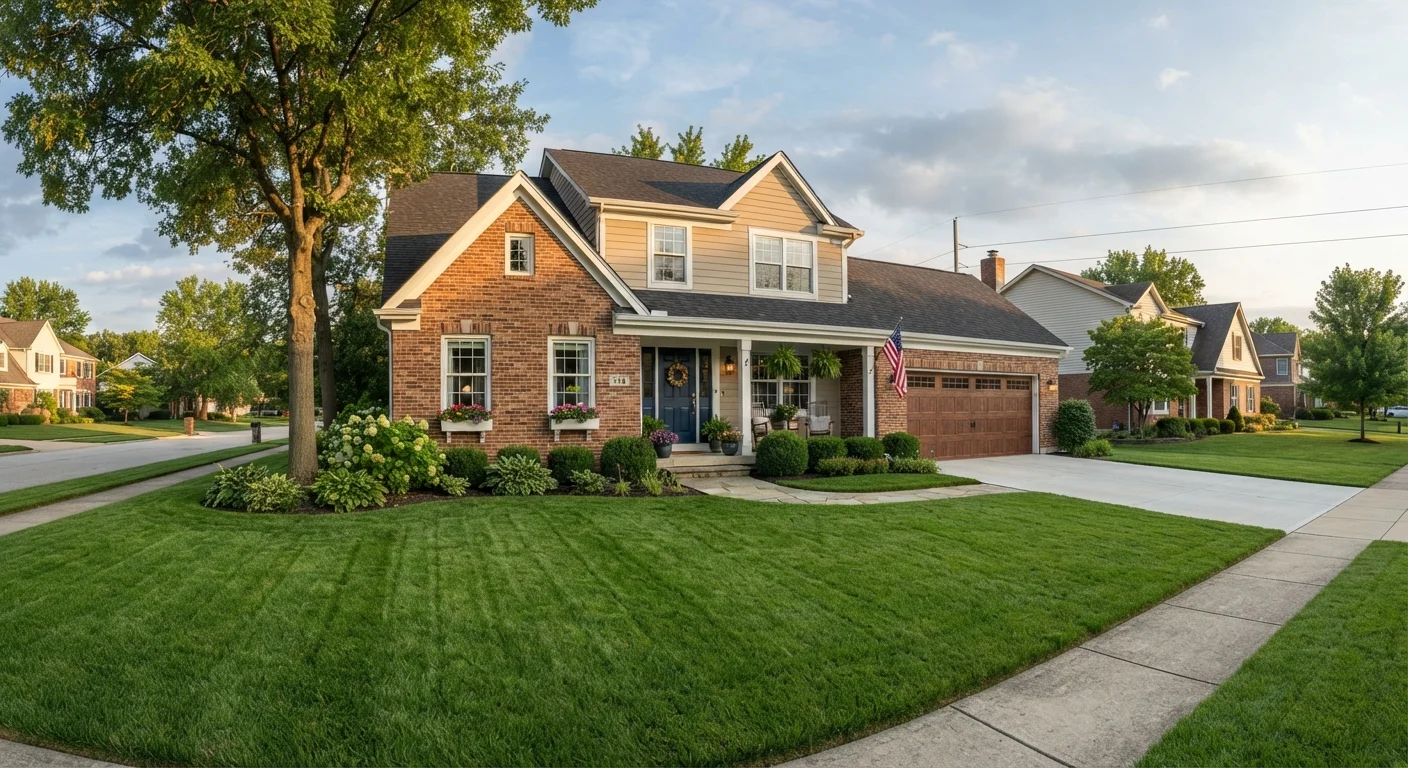
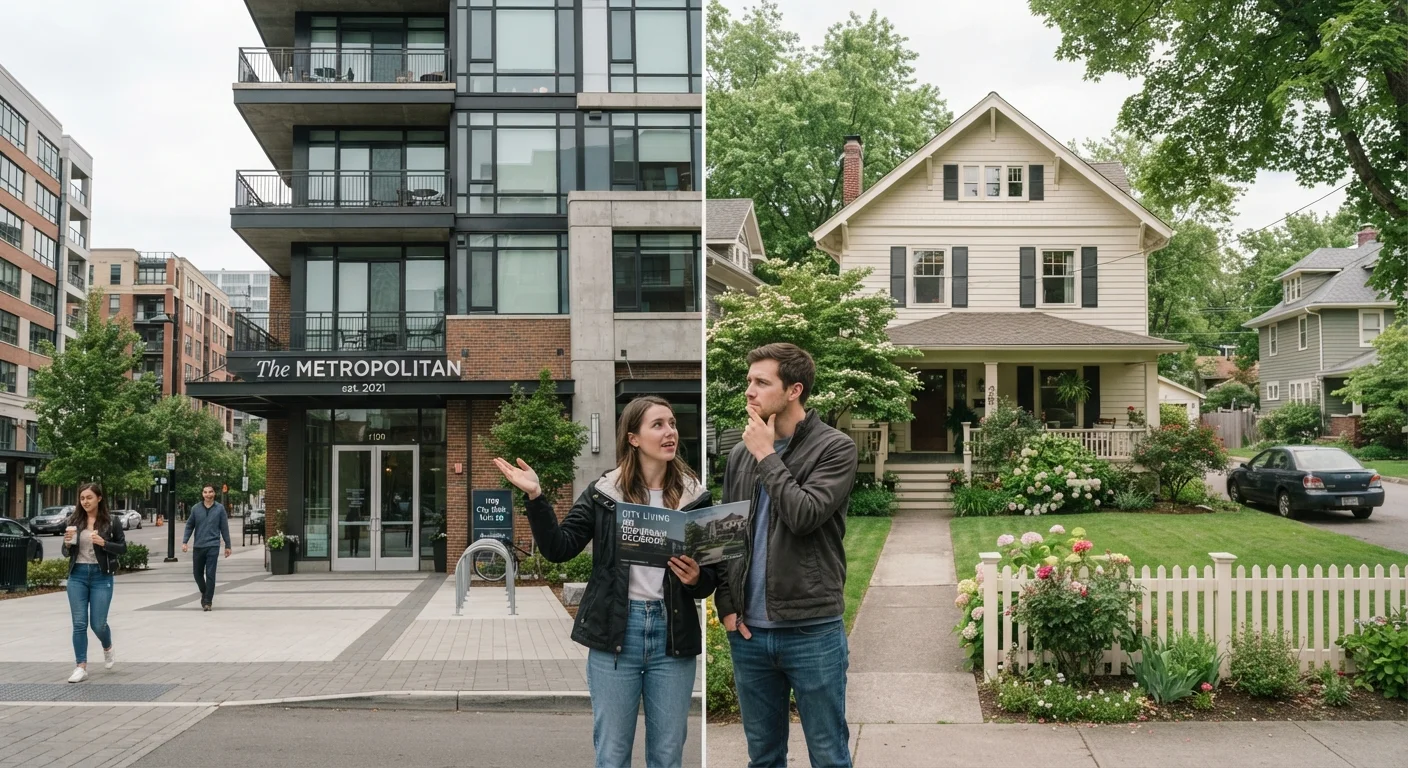
The Real Financial Picture on Both Sides
The most common argument for buying is equity - when you pay a mortgage, a portion reduces your loan balance, whereas rent payments yield no ownership stake. That framing is accurate but incomplete. Homeownership carries a constellation of costs that renters largely avoid: property taxes, homeowner's insurance, private mortgage insurance (PMI) if your down payment is below 20%, maintenance reserves, and HOA fees where applicable. The full ongoing cost of owning a home often runs 1-2% of the home's value annually in maintenance alone, separate from the mortgage.
Renters are not off the hook for hidden costs either. Application fees, security deposits, renter's insurance, and move-out charges are common. See a full breakdown in our guide to costs renters often don't anticipate.
A useful benchmark is the price-to-rent ratio: divide a home's purchase price by the annual rent for a comparable property. A ratio above 20 generally suggests renting may be more cost-efficient in the short to medium term; below 15 tends to favor buying. In many coastal US metros, this ratio exceeds 30, while in many Midwest and Southern markets it sits below 20.
| Renting | Buying | |
|---|---|---|
| Upfront costs | Security deposit + first/last month | Down payment + closing costs (5-25% of price) |
| Monthly cost predictability | Fixed for lease term; rises at renewal | Fixed principal/interest; taxes and insurance vary |
| Equity building | None from housing payments | Gradual via principal paydown and appreciation |
| Flexibility to relocate | High; exit at lease end | Low; selling takes months and costs 6-8% |
| Maintenance responsibility | Landlord handles most repairs | Owner responsible for all costs |
| Customisation rights | Limited; landlord approval required | Full control within code and HOA rules |
| Exposure to market risk | None on property values | Values can decline, especially short-term |
| Long-term cost trajectory | Rent increases with market over time | Fixed-rate mortgage payment stays constant |
Time Horizon: The Variable That Changes Everything
Transaction costs are the hidden tax on buying. Closing costs typically run 2-5% of the purchase price, and selling a home commonly costs another 6-8% when agent commissions, transfer taxes, and staging are factored in. That means a buyer who purchases a $400,000 home and sells within two years could lose $32,000-$52,000 in transaction costs before appreciation is considered.
The break-even horizon - the point at which buying becomes cheaper than renting in the same market - typically ranges from four to seven years depending on local prices, mortgage rates, and rent levels. Buyers who plan to stay beyond that horizon tend to benefit from ownership; those who may relocate sooner often find renting more economical even if they could technically afford to buy.
Run the Numbers for Your Specific Market
National averages rarely reflect your local reality. Before deciding, compare the all-in monthly cost of owning a specific property - mortgage, taxes, insurance, and estimated maintenance - against what you would pay in rent for a comparable home in the same neighborhood. Online rent-vs.-buy calculators can help model different time horizons and rate assumptions, but treat outputs as a starting point, not a final answer. A licensed financial adviser or HUD-approved housing counselor can provide guidance tailored to your situation.
Life events - job changes, relationship shifts, family expansion - are difficult to forecast. Honest self-assessment of your mobility needs over the next five years is one of the most important inputs in this decision. For a structured way to think through those variables, see our practical framework for the rent-vs.-buy decision.
Equity, Appreciation, and What Ownership Actually Builds
Home equity - the portion of a home's value you own outright - grows through two mechanisms: paying down the mortgage principal and market appreciation. Early in a standard 30-year fixed mortgage, the majority of each payment covers interest rather than principal, so equity accumulation is slow at first and accelerates over time.
Appreciation is real but not guaranteed. US home values have historically trended upward over long periods, but individual markets can stagnate or decline, particularly when purchased near a cyclical peak. Appreciation also does not translate to spendable income unless you sell or borrow against equity. Understanding the distinction between equity, appreciation, and your property's assessed value is essential - our article on equity, appreciation, and assessed value explains each concept clearly.
Renters who invest the equivalent of a down payment - and the monthly difference between renting and owning - in diversified assets may build comparable or greater net worth depending on market conditions, though this requires consistent discipline. This is not an argument against buying; it is a reminder that renting does not preclude wealth-building. Every investment involves trade-offs between risk and potential return, a principle explored in depth in our piece on risk and return in investment decisions.
65.6%
US homeownership rate
The US Census Bureau reported a national homeownership rate of approximately 65.6% as of recent years, reflecting a consistent majority of households owning their homes.
4-7 years
Typical break-even horizon for buying
Financial planning analyses generally estimate that buyers need to stay in a home four to seven years to recoup transaction costs and outperform renting in the same market.
1-2%
Annual home maintenance cost estimate
Housing industry guidance commonly suggests budgeting 1-2% of a home's purchase price per year for routine maintenance and repairs, separate from mortgage, taxes, and insurance.
Lifestyle and Control Factors Worth Naming
Ownership provides stability and control that renting cannot fully replicate. Homeowners can renovate, paint, keep pets, and make structural changes subject to local permits and HOA rules. They are insulated from rent increases and cannot be displaced by a landlord's decision to sell. For families with school-age children or deep community ties, the stability of ownership has real, non-financial value.
Renters, by contrast, retain geographic agility. A renter can respond to a job offer in another city within weeks; a homeowner faces months of preparation and transaction cost exposure. The type of lease a renter holds also affects how quickly they can move - month-to-month arrangements offer maximum flexibility while fixed-term leases provide rent stability.
Maintenance responsibility is a lifestyle factor frequently underweighted by first-time buyers. When a furnace fails or a roof leaks, the cost and coordination fall entirely on the owner. Hidden ownership costs - from HOA fees to pest control to HVAC servicing - add up in ways that are easy to overlook during the excitement of a purchase.
This article provides general educational information about renting and buying a home and does not constitute personalized financial, legal, or real estate advice. Readers should consult qualified professionals before making housing decisions.