What HOAs Actually Control - and What They Don't
Homeowners associations derive their authority from a set of governing documents: the Declaration of CC&Rs (Covenants, Conditions, and Restrictions), the bylaws, and any supplemental rules or policies adopted by the board. Together, these documents define what the HOA can regulate, how it is managed, and what members are entitled to.
Common areas of HOA authority include:
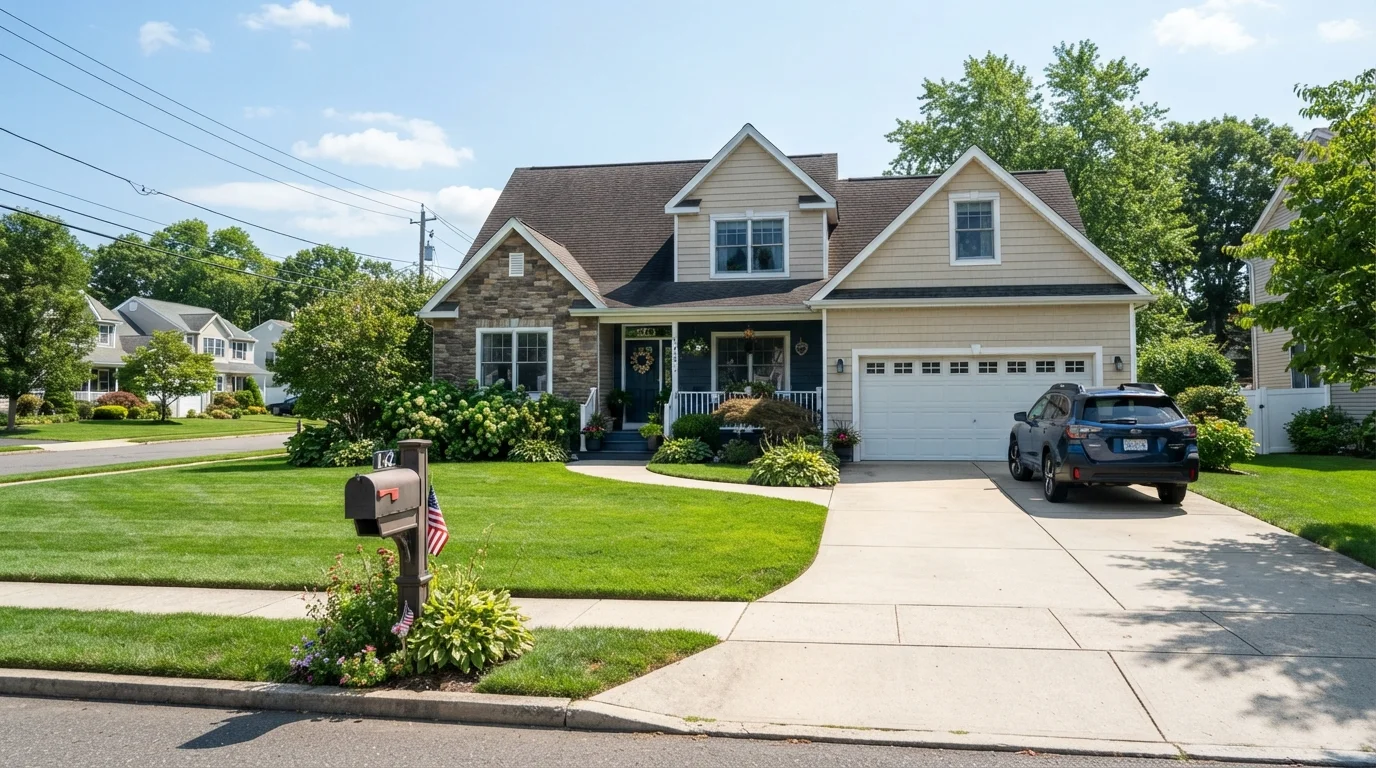
- Exterior appearance - paint colors, landscaping, fences, holiday decorations, and structural additions typically require board approval.
- Parking - rules governing street parking, vehicle types (RVs, boats, commercial vehicles), and garage use are common.
- Pets - breed restrictions, weight limits, and leash requirements are frequently enforced in planned communities.
- Noise and nuisance - quiet hours and conduct standards protect neighboring homeowners.
- Rental policies - many HOAs restrict or regulate leasing, including short-term rentals.
What HOAs generally cannot control includes anything that conflicts with federal or state law - for example, the Fair Housing Act prohibits HOA rules that discriminate based on race, religion, national origin, sex, disability, or familial status. State statutes also carve out protections for things like displaying the US flag or installing solar panels. If a rule feels discriminatory or overreaching, it may be unenforceable.
HOA Authority Varies Significantly by State
States like Florida, Texas, California, and Nevada have detailed statutes that govern HOA operations, financial disclosures, and dispute resolution. Other states offer much less statutory guidance, leaving more power with individual associations. Before assuming what your HOA can or cannot do, check the specific statutes in your state - or consult a licensed real estate attorney.
Your Rights as an HOA Member
Membership in an HOA is not a one-way relationship. As a homeowner, you have meaningful rights that the board is legally obligated to respect.
Access to Records
Most state HOA statutes give owners the right to inspect financial records, meeting minutes, and governing documents. If you are uncertain how dues are being spent or want to understand a budget line, you can formally request this documentation.
Voting and Governance
Homeowners vote on board elections, major assessments, and amendments to governing documents. Participation is one of the most effective ways to shape community rules over time. In many states, quorum requirements and voting procedures are spelled out in statute - not just internal bylaws - giving those rules legal weight.
Fair Enforcement
HOA boards are required to enforce rules consistently and cannot selectively target specific owners. If you receive a violation notice, you generally have the right to a hearing before fines escalate. Documenting your communications in writing creates a clear record if a dispute develops.
Staying informed about ownership costs - including HOA fees and what they fund - is essential. Our article on the hidden costs of homeownership covers how HOA dues fit into the broader picture of ongoing property expenses.
74 million
Americans living in HOA communities
According to the Foundation for Community Association Research, approximately 74 million Americans resided in community associations as of recent estimates.
365,000+
Community associations operating in the US
The Community Associations Institute estimates there are more than 365,000 homeowners associations, condominium associations, and cooperatives active across the country.
$200-$400
Typical monthly HOA fee range
Average monthly HOA fees vary widely by community type, region, and amenities offered; single-family subdivisions tend toward the lower end while urban condominiums often exceed this range.
Resolving Disputes Without Going to Court
Conflicts between homeowners and HOA boards are common - and most are resolved well before any legal action is needed. Understanding the process can help you respond strategically rather than reactively.
Step 1: Know Your Documents
Before challenging anything, read the relevant section of the CC&Rs or bylaws. Many disputes arise from misunderstanding what the rules actually say. If a rule is genuinely ambiguous, that ambiguity may work in your favor.
Step 2: Communicate in Writing
Submit your concern formally - in writing, by email or certified mail - and keep copies of everything. Verbal conversations are harder to verify later.
Step 3: Request a Hearing
Most governing documents and state statutes guarantee your right to appear before the board and make your case before fines are finalized. Use this opportunity clearly and professionally.
Step 4: Engage Fellow Owners
If a rule affects more than just your property, other homeowners may share your concern. A collective petition or organized presence at an annual meeting can shift board positions more effectively than individual objections.
Step 5: Explore Mediation
Many states encourage or require mediation before HOA disputes proceed to court. Mediation is typically faster, less expensive, and less adversarial than litigation. Some state HOA statutes specify formal dispute resolution procedures - check your state's laws or consult a real estate attorney.
It's also worth understanding how your property's legal standing interacts with HOA governance. Issues like liens and encumbrances can complicate HOA disputes, especially when unpaid dues are involved.
Keep a Dispute Paper Trail
Any time you communicate with your HOA board about a potential violation or dispute, do so in writing and save copies. Email provides automatic timestamps; certified mail creates a legal record of delivery. A clear paper trail protects you at every stage of the process, from an informal objection to a formal hearing.
Understanding HOA Finances and Special Assessments
HOA fees typically cover two categories: the operating budget (routine maintenance, utilities, management fees, and insurance for common areas) and the reserve fund (a savings account designated for major future repairs like roof replacement or repaving). A well-funded reserve means the HOA can handle large expenses without imposing sudden costs on owners.
When reserves are underfunded or an unexpected expense arises - a lawsuit, storm damage, or a failing infrastructure system - the board may levy a special assessment: a one-time charge to all homeowners in addition to regular dues. Special assessments can range from a few hundred to several thousand dollars and are typically unavoidable once approved.
Before purchasing in an HOA community, most real estate professionals recommend reviewing the association's most recent reserve study and financial statements. But even existing homeowners benefit from staying engaged with HOA finances - attending annual budget meetings and reading the financial disclosures distributed each year. Protecting yourself starts with knowing the financial health of your association.
For a broader look at protecting your investment, homeowner's insurance coverage is a related consideration, since HOA master policies typically cover common areas but rarely extend full protection to individual units or homes.
This article is for general informational purposes only and does not constitute legal, financial, or professional advice. HOA rules and homeowner rights vary significantly by state and by individual association. Consult a licensed real estate attorney for guidance specific to your situation.