Why This Decision Is Rarely Straightforward
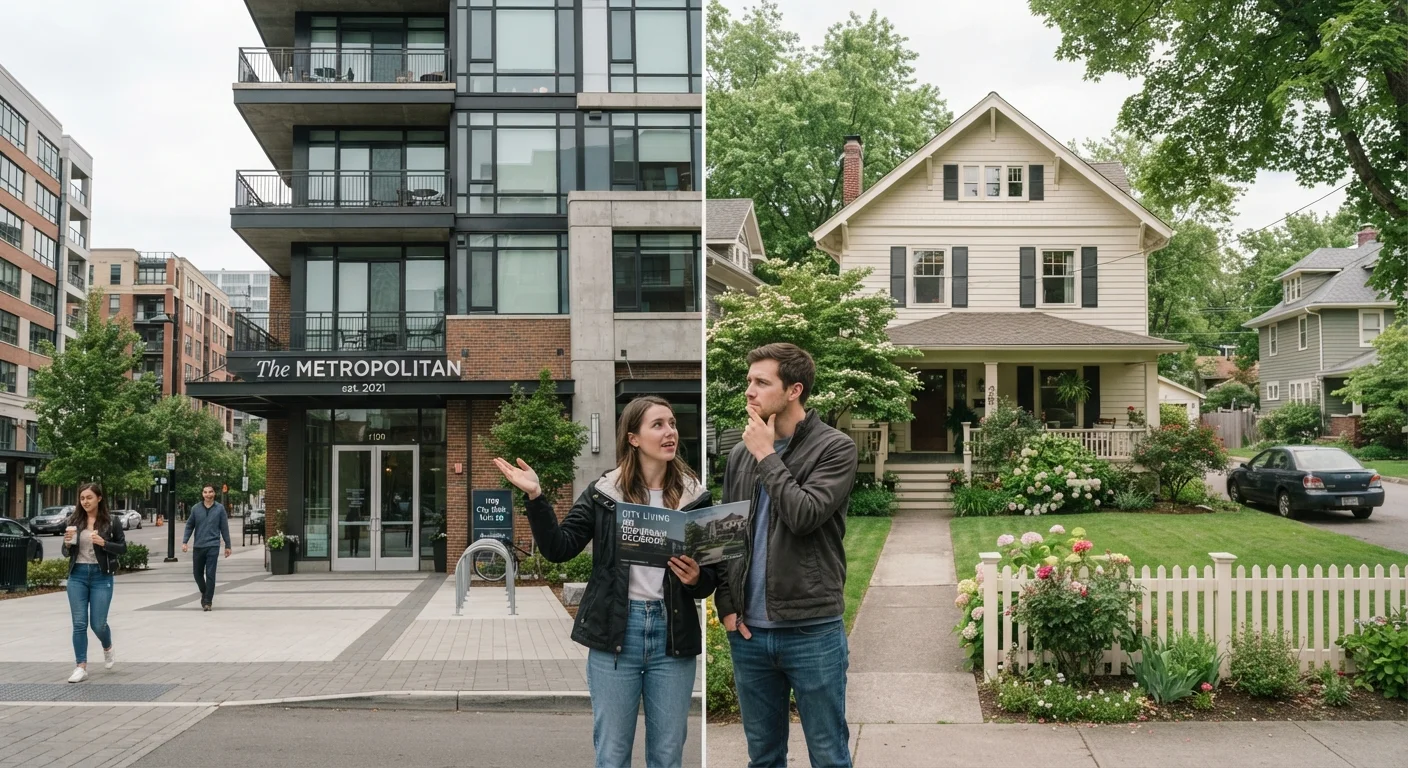
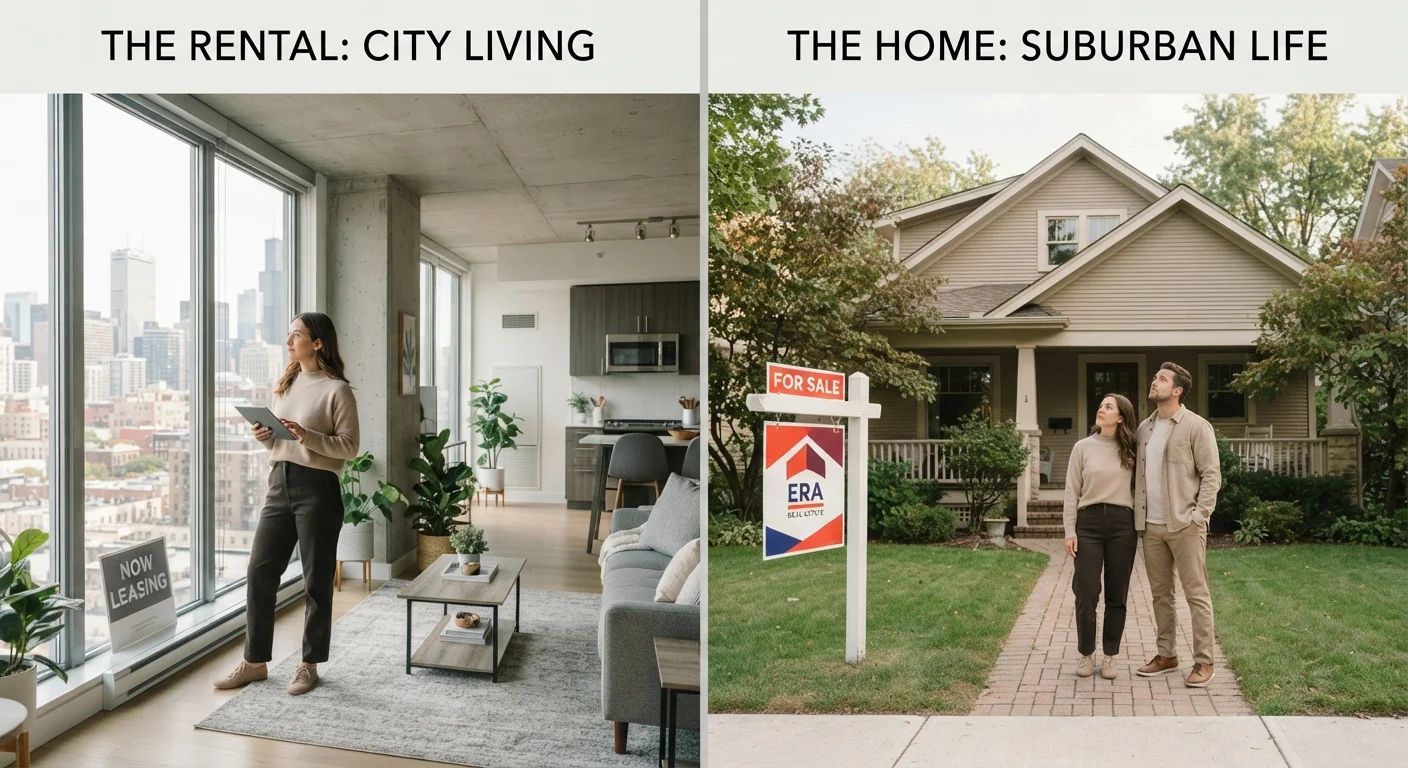
The renting vs. buying debate is often framed as a financial contest, but the reality is more layered. Market conditions, personal savings, job stability, family plans, and local housing costs all shape which path makes more sense at a given moment. This article doesn't declare a winner - it maps the actual factors so you can apply them to your own situation.
For a deeper look at the financial trade-offs involved, see a grounded breakdown of the real financial and lifestyle stakes.
| Renting | Buying | |
|---|---|---|
| Upfront costs | Security deposit (1-2 months' rent) | Down payment plus 2-5% closing costs |
| Monthly expenses | Rent, renter's insurance, utilities | Mortgage, taxes, insurance, maintenance |
| Equity building | None | Yes, gradually over time |
| Flexibility to relocate | High, especially with short-term leases | Low - selling takes time and costs money |
| Control over property | Limited by lease and landlord rules | Full control, subject to local codes |
| Maintenance responsibility | Generally the landlord's obligation | Entirely the homeowner's cost and effort |
| Financial risk | Rent increases, lease non-renewal | Market value decline, repair costs |
| Best suited for | Short time horizons, uncertain plans | Long-term stability, sufficient savings |
The True Costs on Each Side
Monthly rent is the most visible rental expense, but it rarely tells the full story. Application fees, security deposits, utility setup costs, renter's insurance, and potential move-out charges can add up significantly. The hidden costs of renting are worth understanding before assuming renting is always the lower-cost path.
Homeownership carries its own less-obvious expenses. Beyond the mortgage payment, owners pay property taxes, homeowner's insurance, HOA fees where applicable, and ongoing maintenance. Industry guidelines often suggest budgeting 1-2% of a home's value annually for maintenance and repairs alone. The real costs of owning a home beyond the mortgage illustrates how quickly these figures accumulate.
Upfront costs also differ sharply. Buying typically requires a down payment of 3-20% of the purchase price, plus closing costs averaging 2-5% - potentially tens of thousands of dollars. Renting generally requires a security deposit equal to one or two months' rent.
~5 years
Typical break-even horizon for buying
Real estate industry analyses consistently suggest that buying typically requires at least five years of ownership to offset transaction and closing costs.
1-2%
Annual home maintenance as share of value
Housing finance professionals commonly recommend budgeting 1-2% of a home's purchase price each year for routine maintenance and repairs.
2-5%
Typical closing cost range for buyers
The Consumer Financial Protection Bureau notes that homebuyers typically pay 2-5% of the loan amount in closing costs, separate from the down payment.
Equity, Flexibility, and What You Actually Control
Equity - the portion of a home's value you own outright - is the most-cited argument for buying. Each mortgage payment gradually reduces your loan balance, and if home values appreciate, your net worth can grow meaningfully over time. However, equity is illiquid: you can't spend it without selling the home or borrowing against it, and values can also decline.
Renters don't build equity, but they retain flexibility. Moving for a job, a relationship, or a lifestyle change is far simpler without a property to sell. For people whose careers or personal circumstances may shift, this freedom carries real financial value that doesn't show up on a balance sheet. Understanding your lease structure also affects how much flexibility you actually have as a renter.
Homeowners gain control over their space - the ability to renovate, paint, keep pets, or make structural changes - but they also absorb all maintenance responsibilities and costs. Renters transfer that risk to a landlord, though they sacrifice customisation in exchange.
Run a Price-to-Rent Ratio for Your Market
Divide the median home purchase price in your target area by the annual rent for a comparable property. A ratio below 15 generally favours buying; a ratio above 20 often favours renting. This simple calculation won't replace a full financial analysis, but it provides a useful starting point for comparing local market conditions.
How to Think About the Timeline
One of the most durable rules of thumb in real estate is the five-year threshold. Because buying involves significant transaction costs on both the purchase and eventual sale sides, short ownership periods often result in a net financial loss even if the home appreciates. The longer you stay, the more those upfront costs are spread across time and the more equity you accumulate.
Renters who invest the money they would have spent on a down payment can also build wealth, though this requires consistent discipline and is subject to market performance. Neither path automatically produces better financial outcomes - context matters more than the choice itself.
If you're approaching the point of considering a purchase, the Buying a Home hub covers the full purchase process, and understanding how buyer's agents work is a useful first step. Renters focused on making the most of their current situation may find value in strategies for negotiating rent and lease terms.
This article provides general educational information about housing decisions and is not personalised financial, legal, or investment advice. Consult a qualified financial adviser or real estate professional before making decisions based on your individual circumstances.