Size Limits: What the Numbers Actually Mean
Airlines publish carry-on size limits as three dimensions - typically something like 22 × 14 × 9 inches. What's easy to miss: that measurement includes wheels, handles, and any exterior pockets. A bag that measures 22 inches to the top of its shell may hit 24 inches once you account for its telescoping handle housing.
The other wrinkle is that limits vary meaningfully between carriers. A bag that sails through security on one airline might be flagged on a regional partner operating the connecting leg under a different allowance. Budget and ultra-low-cost carriers sometimes set tighter limits or restrict overhead bin access to higher fare tiers entirely. Checking your specific airline's current carry-on policy - not a general travel blog's roundup - is the only reliable move.
Soft-sided bags have a practical edge here. They can compress a few inches to fit a snug overhead bin in ways a hard-shell case of identical nominal dimensions cannot. If your itinerary involves smaller regional aircraft with tighter bins, a structured bag right at the size limit is a risk.
Measure Your Bag Before You Pack It
Don't rely on a bag's advertised dimensions - manufacturers sometimes measure the interior or exclude handles. Use a tape measure on the fully loaded bag (wheels and handles extended) before leaving home. If it's within half an inch of your airline's limit, consider a smaller option or a soft-sided alternative that can compress slightly.
The 3-1-1 Liquid Rule: What It Covers and What It Doesn't
The TSA's 3-1-1 rule is one of the most misunderstood policies in air travel. Here's what it actually requires: liquids, gels, aerosols, creams, and pastes must each be in containers of 3.4 ounces (100 ml) or less. All of those containers must fit inside one clear, quart-sized zip-top bag. Each passenger is limited to one such bag, which must be removed from your carry-on and placed in a bin at the security checkpoint.
The rule catches travelers on items they don't think of as liquids: peanut butter, yogurt, hummus, salad dressing, and even jam all count. A full-size tube of toothpaste will be confiscated. A 3.4-oz travel tube is fine.
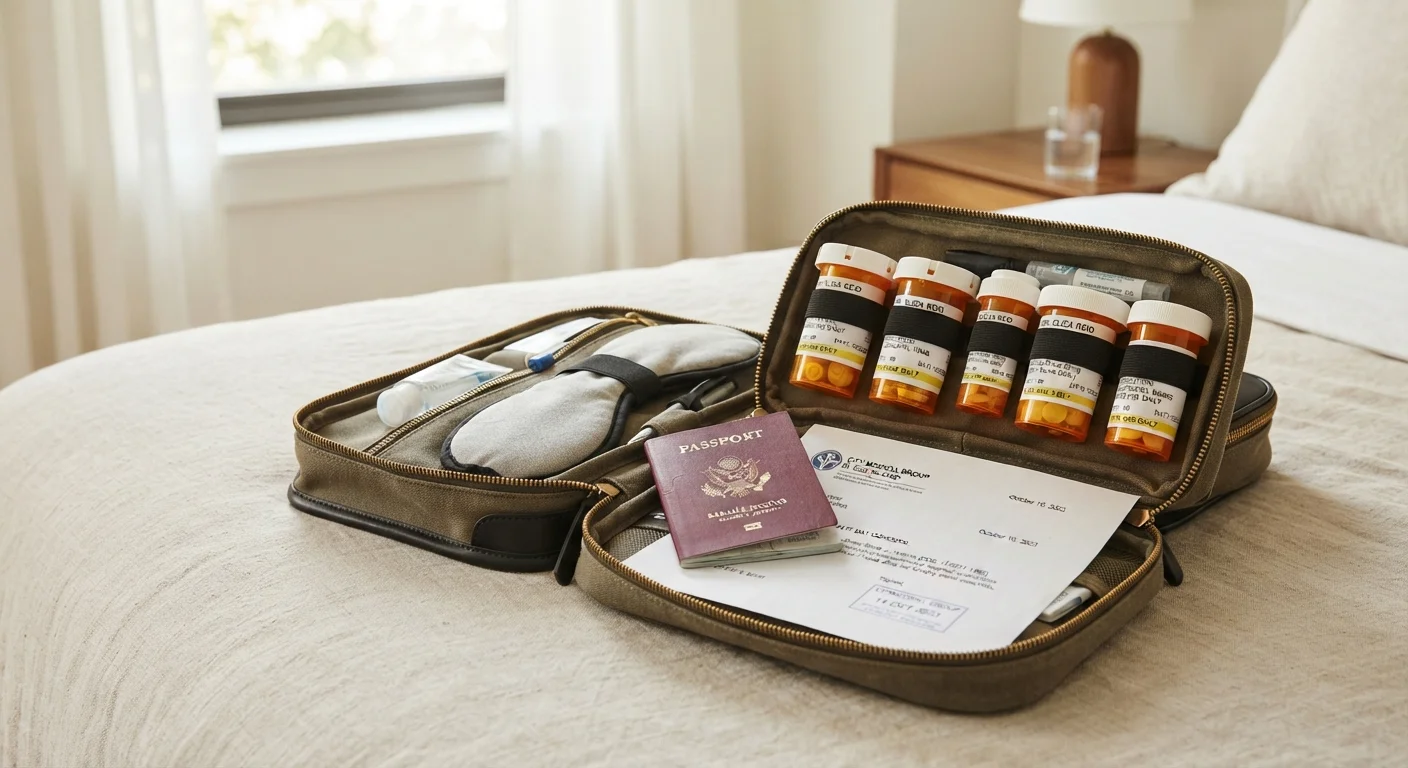
Exemptions are meaningful. Prescription and over-the-counter medications in liquid form, baby formula, breast milk, and juice for infants are all permitted in quantities exceeding 3.4 oz - you'll need to declare them separately at the checkpoint. Travelers who rely on liquid medications should review the rules for traveling with medications before heading to the airport.
3.4 oz
Maximum liquid container size under TSA's 3-1-1 rule
Per TSA guidelines applicable at all U.S. airport security checkpoints.
1 quart
Total liquid bag size allowed per passenger
All liquids, gels, and aerosols must fit in one clear, quart-sized zip-top bag per traveler.
22 × 14 × 9 in
Common carry-on size limit at major U.S. carriers
This dimension (including handles and wheels) is typical but not universal - verify with your specific airline.
Personal Items, Basic Economy, and the Fine Print
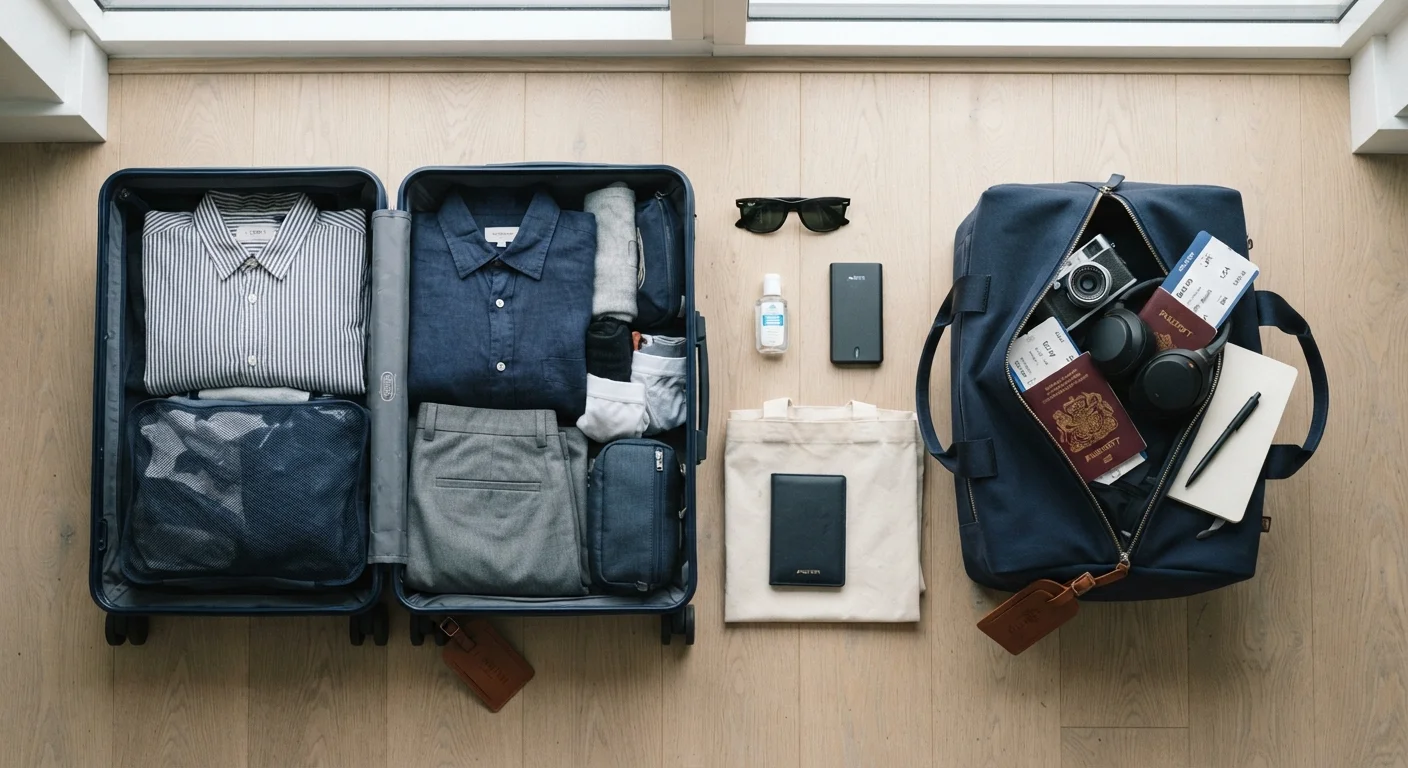
Most airline tickets include both a carry-on (overhead bin) and a personal item (under the seat in front of you). The personal item is typically defined as a bag no larger than roughly 18 × 14 × 8 inches - think a backpack, laptop bag, or large purse. This is where travelers can pack a surprising amount: a well-organized personal item can hold a laptop, a change of clothes, toiletries, and a day's worth of essentials.
The critical exception is basic economy. On many major U.S. carriers, basic economy fares allow only a personal item in the cabin. The carry-on goes overhead only if you pay an upgrade or baggage fee - sometimes at the gate, at a premium rate. If you're comparing ticket prices and one fare is significantly cheaper, check whether it restricts your bag before assuming you're getting a deal. Our breakdown of checking a bag versus flying carry-on only covers how to do that math honestly.
Basic Economy Varies Significantly by Airline
What counts as a 'personal item' and whether a carry-on is included in basic economy differs not just by airline but sometimes by route or fare subtype. American, Delta, and United each handle basic economy differently, and policies have changed over time. Always read the specific fare rules at the time of booking - not a summary from a third-party site - to confirm what's included.
Packing Smart Within the Limits
Knowing the rules is only half the equation - the other half is making the space work. A few principles hold up across trip types and destinations:
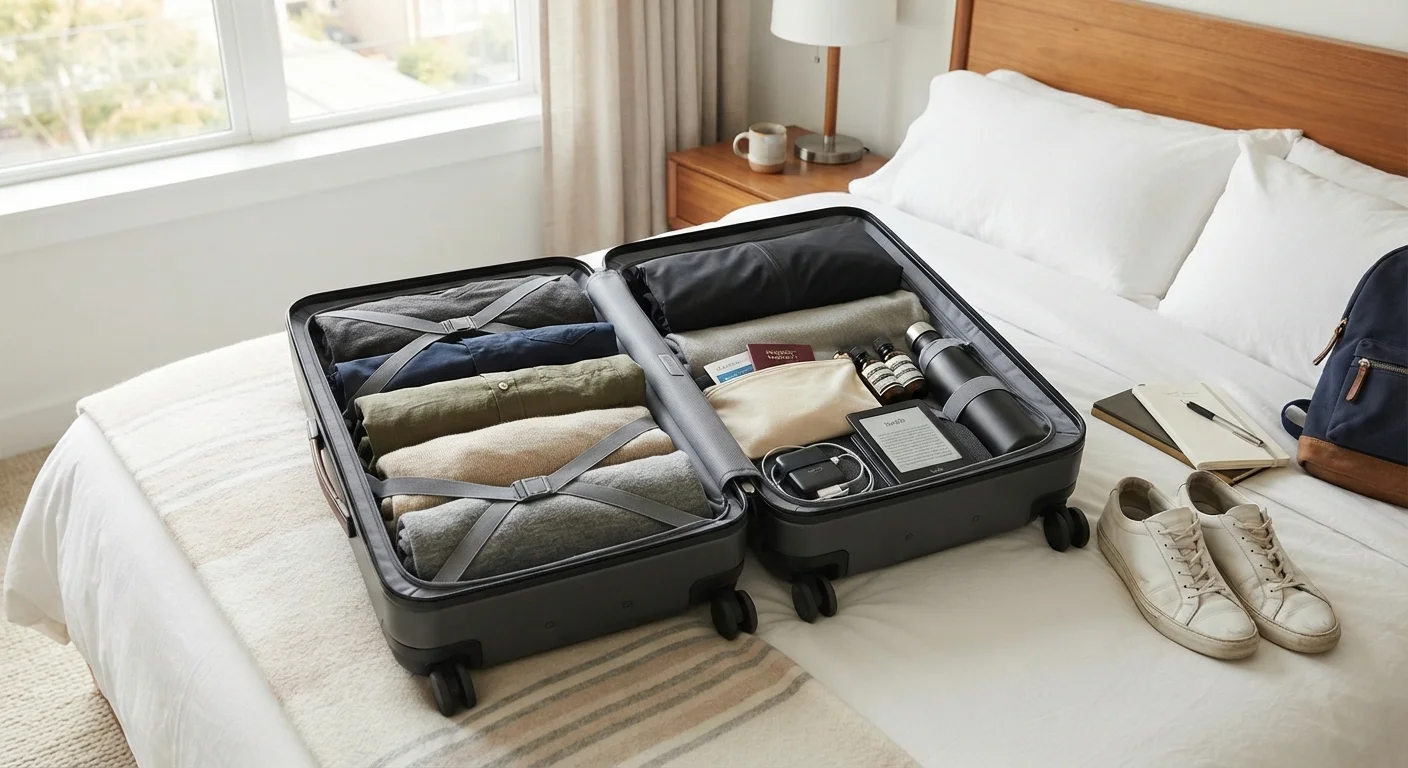
- Roll, don't fold. Rolling clothes reduces wrinkles and lets you see everything at a glance without unpacking.
- Use your personal item for items you'll need in-flight. Keep your laptop, medication, snacks, and a layer for the cabin cold in the personal item - your carry-on goes in the bin and stays there.
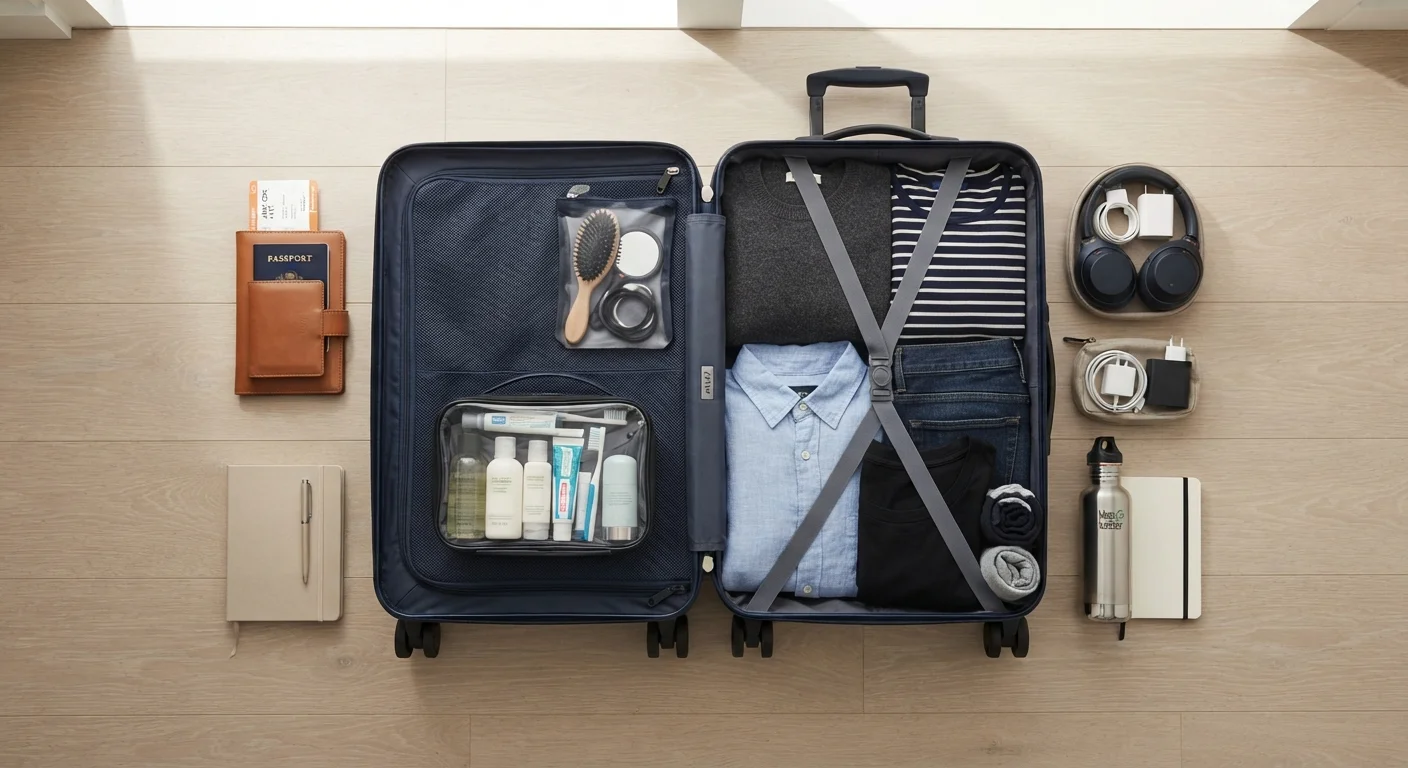
- Pre-fill your quart bag at home. Packing your liquids bag before you arrive at security removes a scramble and lets you confirm everything fits.
- Wear your bulkiest items. Boots, a heavy jacket, and thicker layers worn onto the plane don't count against your bag's weight or volume.
For trips spanning multiple climates or longer durations, the challenge scales up - but the principles don't change. The guide to living out of a carry-on for multi-climate trips goes deeper on versatile packing strategies. And if you're traveling internationally, don't overlook that entry documentation requirements can affect what you need to carry with you - see our overview of passport and visa requirements for a useful pre-trip reference.