Why Inspection Reports Feel Confusing - and How to Change That
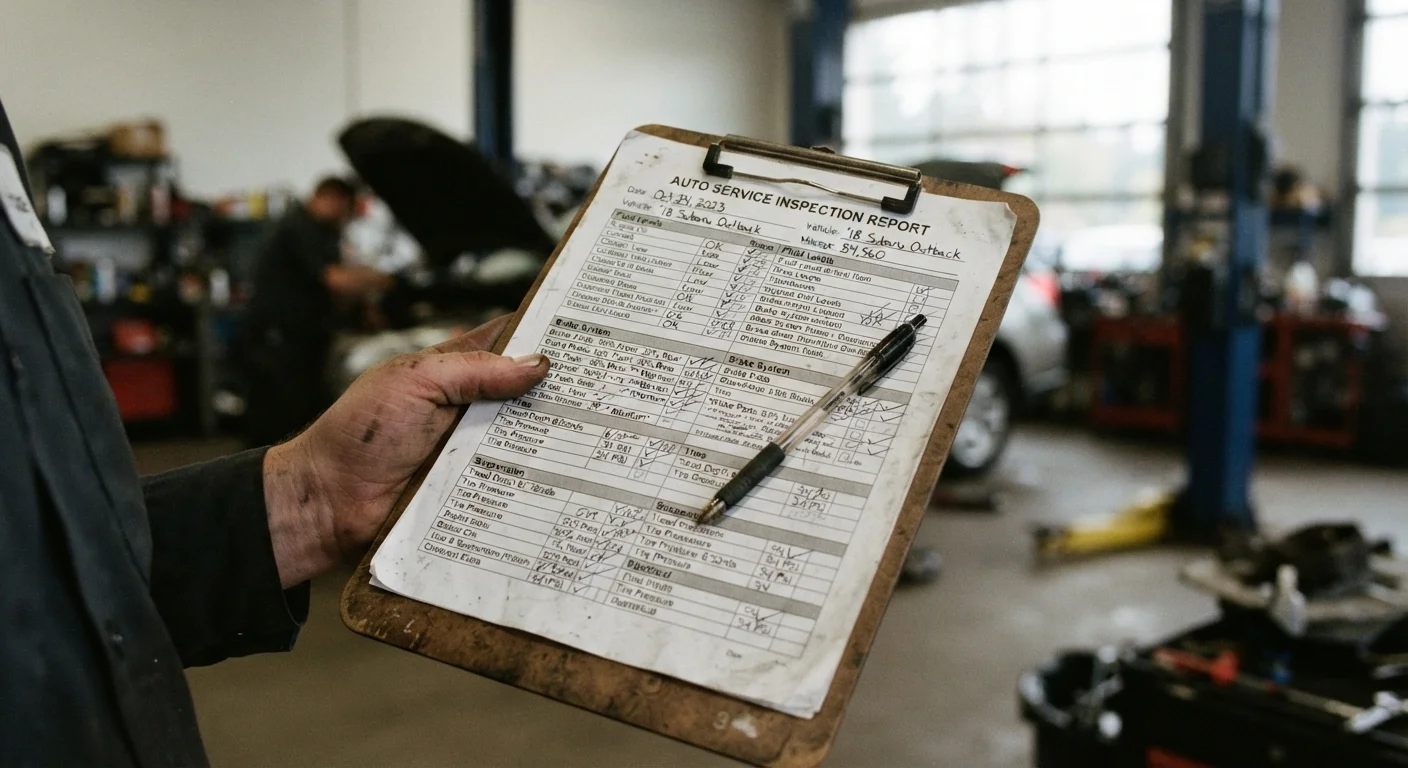
A vehicle inspection report packs a lot of technical information into a compact format designed for mechanics, not necessarily for the everyday driver reviewing it across a service counter. Abbreviations, part names, and rating codes crowd the page, making it easy to either panic over minor items or miss something genuinely important.
The good news is that the structure is consistent across most shops. Once you know the logic behind the format, reading one becomes a straightforward exercise in sorting and prioritizing. The steps below walk you through that process - whether you are reviewing a report after a routine oil change or evaluating a used car before purchase. If you are in the market for a vehicle, the broader buying a car process also involves several documents worth understanding.
What you will need
What to Do After You Have Read the Report
Once you have sorted findings into safety items and advisory items and decoded the terminology, your next move depends on context.
Safety Items Are Non-Negotiable
Any finding flagged as a safety failure - brake system faults, steering defects, or inoperative lights - should be addressed before continuing to drive the vehicle. Do not treat these as items to defer until the next service interval. If you are evaluating a used car purchase and safety items are flagged, factor the repair cost into your negotiation or walk away.
For a vehicle you own, bring the report home and use it as a service roadmap. Keep it with your maintenance records so future mechanics have a baseline for comparison. If your dashboard warning lights align with any flagged items, consult what your car's warning lights are actually telling you to understand the urgency.
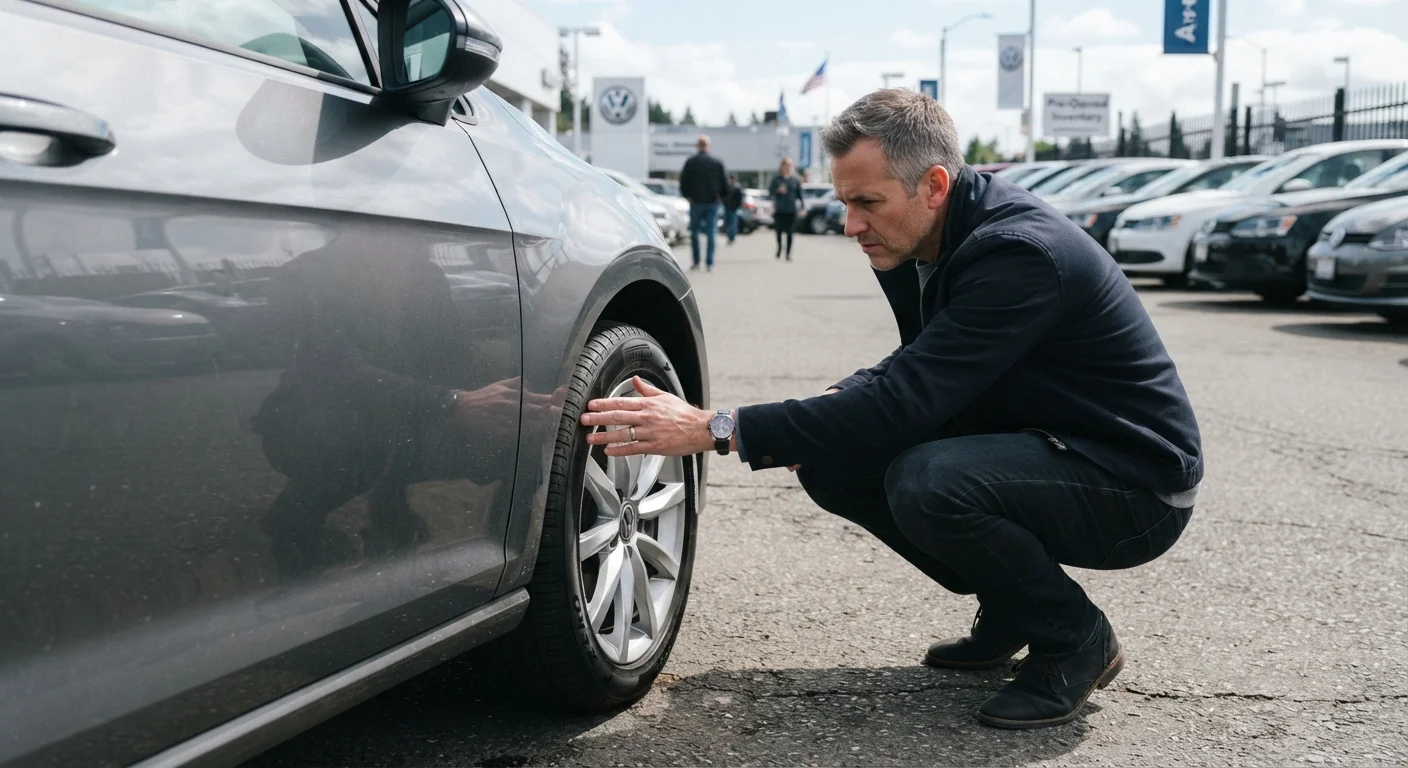
For a used vehicle you are considering purchasing, request a written repair estimate for every flagged item before making a decision. Factor those costs into your offer. A vehicle with a long advisory list is not automatically a bad buy - but you need to know the full financial picture going in. Pair this with a review of the window sticker if you are looking at a new or certified pre-owned vehicle: reading the window sticker on a new car explains what that document covers.
Bring a Pen and Ask Questions
Before leaving the shop, circle every item you don't understand and ask the service advisor to explain it in plain language. A reputable shop will take the time to walk you through each finding. Getting a repair estimate in writing for flagged items gives you a baseline for any negotiation on a used purchase.
This article provides general educational information about vehicle inspection reports and is not a substitute for advice from a qualified mechanic. Always consult a licensed automotive professional for diagnosis and repair decisions specific to your vehicle.