Why the Test Is Only the Beginning
A driving test measures whether a teenager can follow basic rules in controlled, familiar conditions. It doesn't measure how they'll respond when a tire blows on the interstate, when headlights blind them on a dark two-lane road, or when a carful of friends is pressuring them to hurry up. Those gaps are where new-driver crashes actually happen.
Motor vehicle crashes remain a leading cause of death for teenagers in the United States. The majority of these incidents occur within the first year of solo driving - not because young drivers are reckless by nature, but because experience is what builds the split-second pattern recognition that safety depends on. Supervised practice and honest preparation are how parents and guardians can narrow that gap.
“The single biggest predictor of a new driver's safety isn't how well they performed on the test - it's the quality and variety of the supervised practice they had before going solo.”
— AAA Foundation for Traffic Safety, Research organization focused on traffic safety and driver behavior
The Skills That Don't Show Up on the Test
Several of the most dangerous driving situations are rarely covered in standard driver's education or on a licensing exam. Addressing them deliberately during supervised practice makes a measurable difference.
Log supervised hours across a wide range of conditions before solo driving begins.
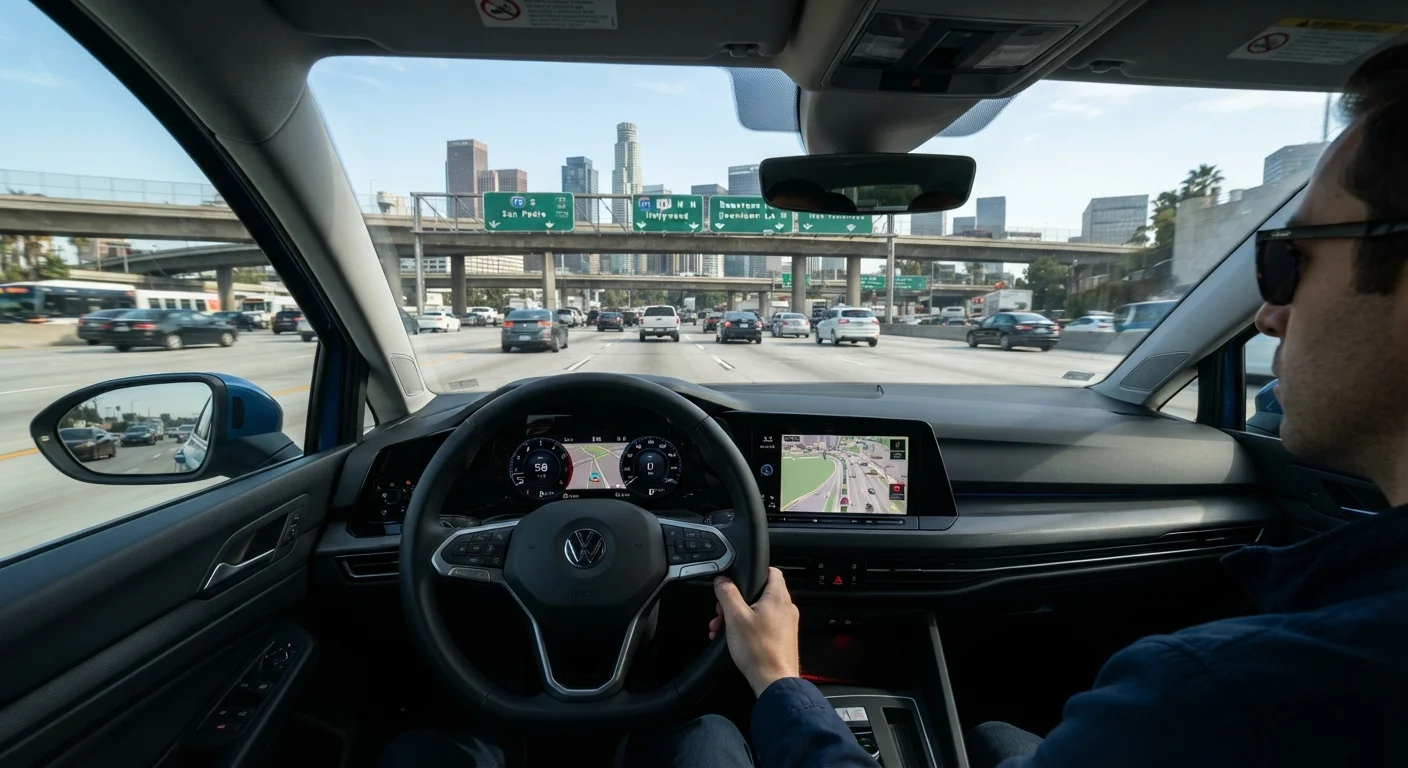
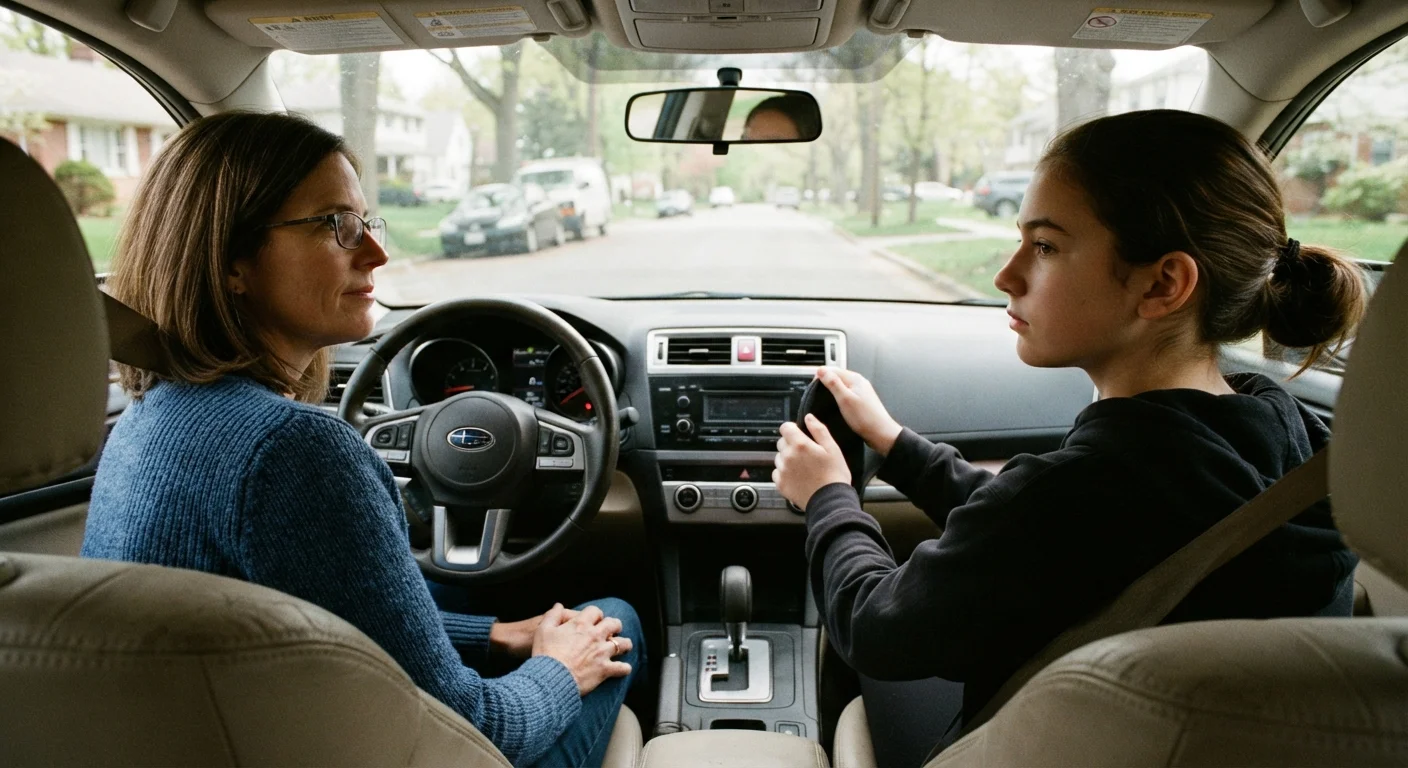
Most states require a minimum of 40-50 supervised hours, but research suggests new drivers benefit from more varied practice - not just more hours on familiar routes. Exposure to rain, highway driving, night conditions, and heavy traffic builds the pattern recognition that experience creates.
Establish a firm, non-negotiable phone policy before the first solo drive.
Distracted driving is a leading cause of teen crashes. Visual, manual, and cognitive distraction all compound - glancing at a notification takes a driver's eyes off the road for an average of five seconds, enough to travel the length of a football field at highway speeds.
Practice emergency maneuvers in a controlled environment.
Sudden tire blowouts, unexpected braking ahead, and hydroplaning all demand instinctive reactions - not deliberate thought. New drivers who have never experienced controlled emergency braking or skid correction are unprepared when real situations arise.
Walk through basic vehicle checks together so the teen knows what to monitor.
A driver who doesn't check tire pressure, oil level, or warning lights is flying blind. Low tire pressure alone significantly increases braking distance and blowout risk - problems a teen might ignore simply because they don't know what to look for.
Have direct conversations about passengers, peer pressure, and risky choices.
Teen crash risk increases substantially with each additional passenger in the vehicle. The social dynamic of driving with friends - showing off, responding to dares, or simply being distracted - creates conditions that no technical skill can fully compensate for.
Debrief after every supervised practice session with specific, non-judgmental feedback.
Generic praise or vague criticism doesn't help new drivers improve. Specific, calm feedback - 'your following distance was tight on that last stretch' - gives teens something concrete to work on and reinforces that driving improvement is a process, not a pass/fail event.
For guidance on how road conditions like rain, ice, and snow change the way a vehicle handles, see our article on driving in rain, ice, and snow - an important next step once foundational habits are solid.
Start Building Good Habits Today
Some safety improvements don't require a full practice session - they can be set up right now, before your teen's next drive.
State Laws Vary for New Drivers
Graduated Driver Licensing (GDL) laws differ by state and typically restrict nighttime driving, passenger limits, and phone use for drivers under 18. Check your state's DMV website for the specific restrictions that apply to your teen's provisional license. These rules exist because data consistently shows they reduce crash rates among new drivers.
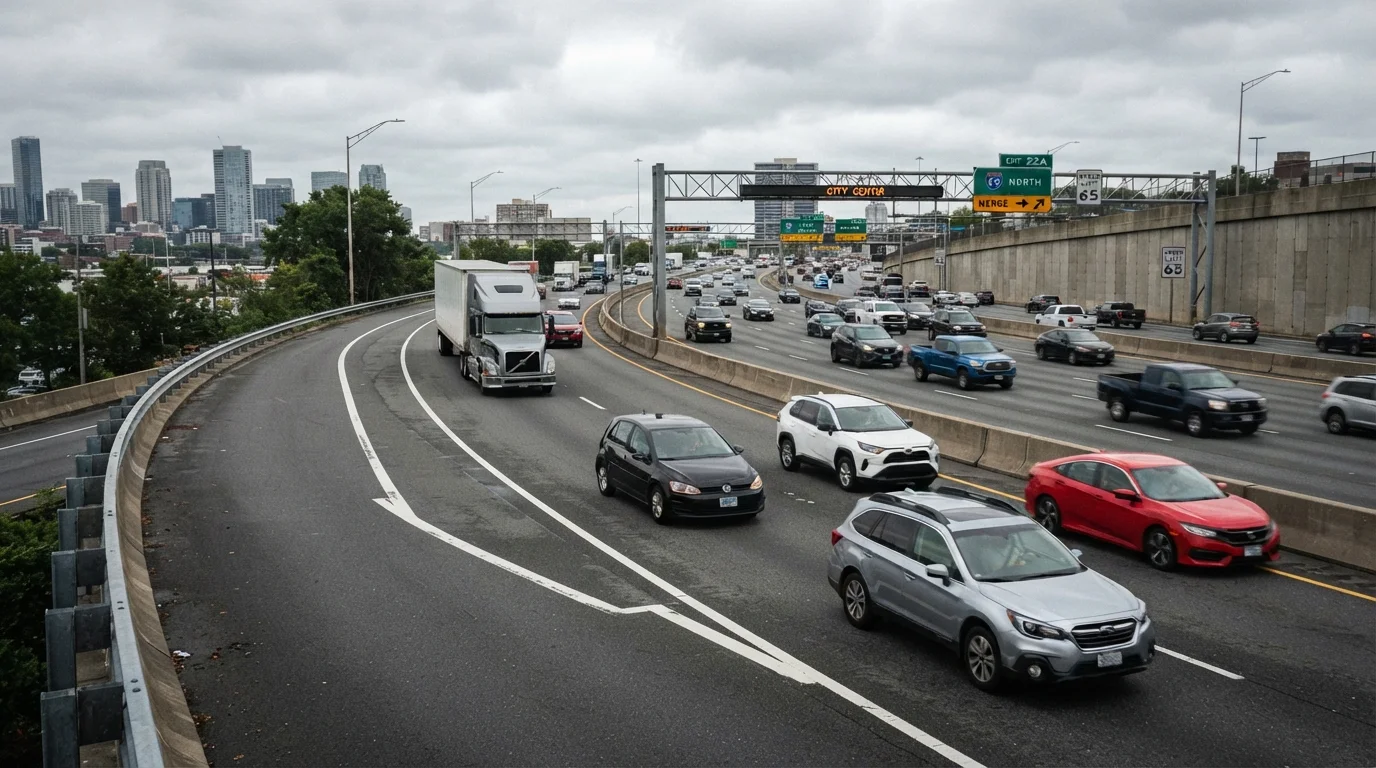
Understanding how other drivers behave also matters. Defensive driving - anticipating hazards before they develop - is a mindset worth introducing early. Similarly, highway merging is one of the most commonly misunderstood skills even among experienced drivers, so explicit practice pays off quickly.
Finally, new drivers benefit from knowing the basics of what keeps a car roadworthy. The car maintenance hub is a solid starting point for building that knowledge - and our full car maintenance guide walks through fluids, tires, brakes, and more in plain language designed for everyday drivers.