Why Merging Goes Wrong More Often Than People Think
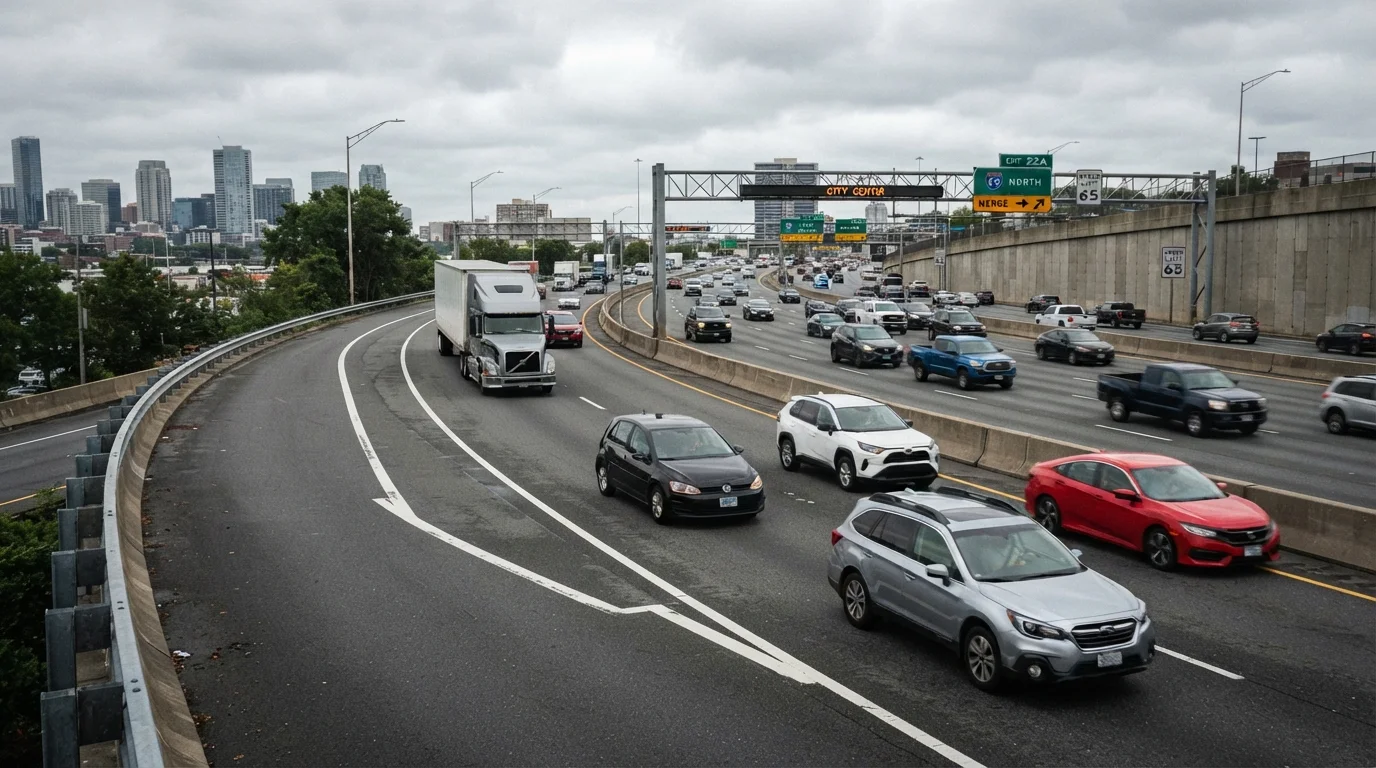
Highway merging looks straightforward - find a gap, move over, done. In practice, it's one of the higher-risk maneuvers in everyday driving, because it requires two separate streams of traffic to negotiate space at speed, often within seconds. When either driver misjudges or hesitates, the margin for error collapses fast.
The mistakes below aren't rare edge cases. They're patterns traffic safety researchers and driving instructors encounter repeatedly. Understanding why they happen is the first step toward consistently safer merges - whether you're the one entering or the one already on the highway.
Arriving at the merge point without reaching highway speed.
Why it happens: Many drivers treat the on-ramp as a cautious approach rather than an acceleration zone, worrying that driving fast feels aggressive or unsafe.
Stopping or nearly stopping at the end of the ramp while waiting for a gap.
Why it happens: Drivers freeze when they can't immediately find a clear opening, defaulting to a complete stop as if at a yield sign in a low-speed environment.
Failing to signal before attempting to merge.
Why it happens: Drivers focused on speed-matching and gap-finding often treat the turn signal as an afterthought, or assume their intent is obvious.
Skipping the physical blind spot check and relying solely on mirrors.
Why it happens: Mirrors feel sufficient and checking over your shoulder while accelerating feels awkward or distracting.
Merging directly into the left lane rather than the rightmost open lane.
Why it happens: Drivers sometimes aim for a lane that appears clear further left, bypassing the standard merge lane entirely.
Highway drivers refusing to adjust speed or position to allow a safe merge.
Why it happens: Some highway drivers feel they have priority and that merging vehicles must figure it out entirely on their own, leading to aggressive gap-closing.
The Habits That Create the Most Risk
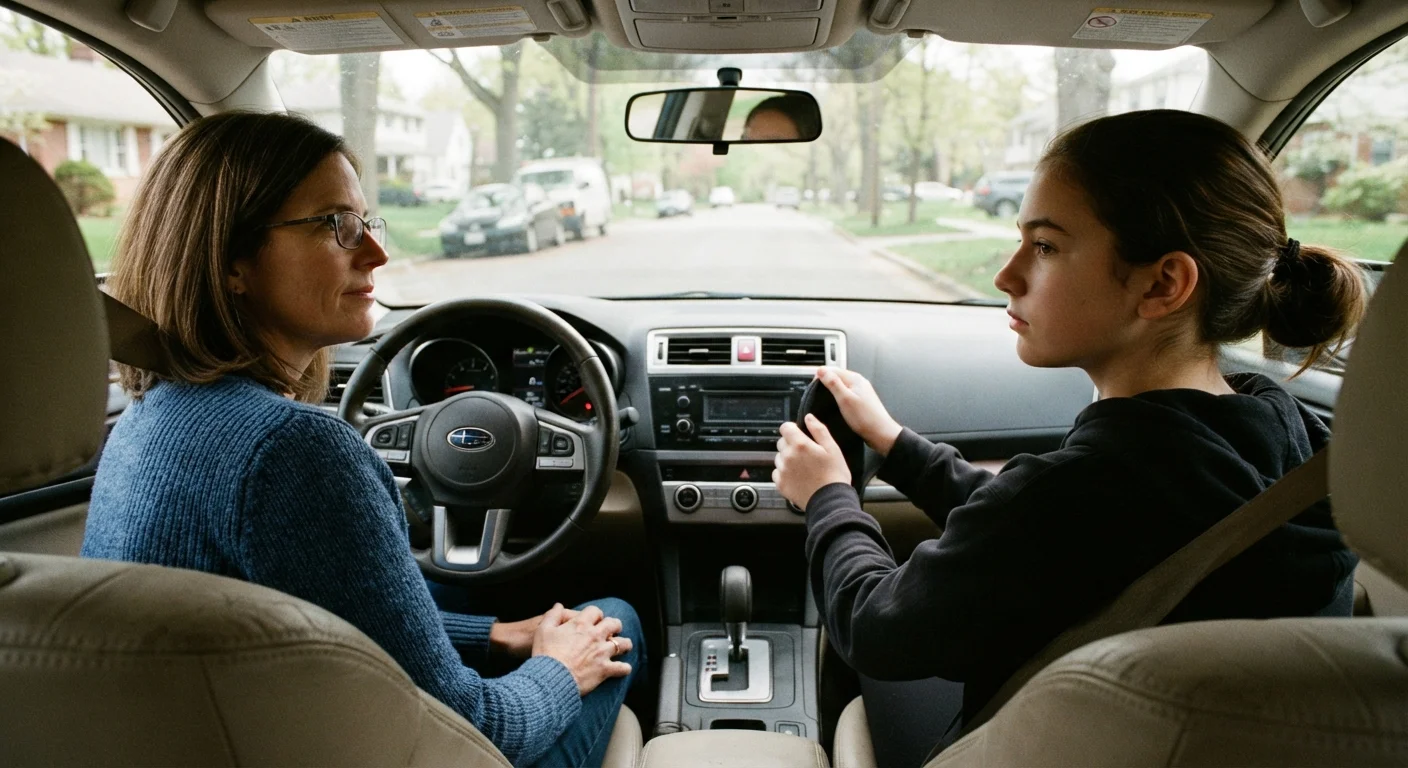
Many of these errors are reinforced by anxiety. Merging at highway speeds feels counterintuitive - the instinct is often to slow down when uncertain, which is frequently the wrong move. New drivers are especially prone to hesitation, which is one reason this skill deserves explicit attention beyond what most driving tests cover. See our guide for new drivers for a fuller breakdown of what tests often miss.
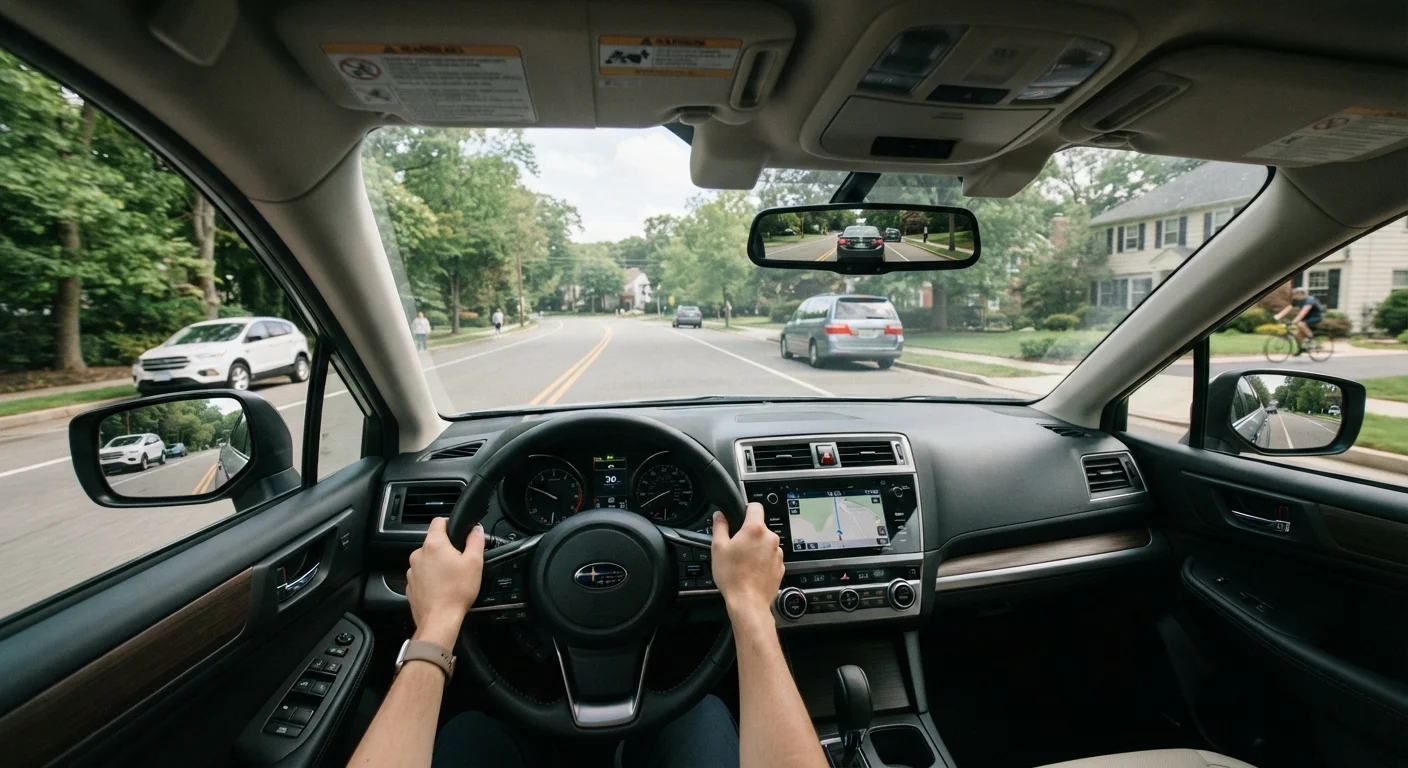
Blind spots compound every mistake here. A driver who checks mirrors but doesn't physically check their blind spot may believe a gap is clear when it isn't. Our companion piece on understanding blind spots explains exactly where those zones are and how to check them correctly.
~300,000
Annual US crashes involving merging or lane changes
The NHTSA has consistently identified lane-change and merge conflicts as among the most frequent crash types on US highways.
~2 seconds
Typical reaction time plus braking distance at highway speed
At 65 mph, a vehicle travels roughly 190 feet per second - underscoring how quickly a speed mismatch on a merge ramp can turn critical.
Highway drivers also carry more responsibility than many realize. Failing to adjust speed or position when a vehicle is clearly struggling to merge isn't just frustrating - it contributes to the conditions that cause rear-end and side-swipe collisions.
Never Stop on an Active Entrance Ramp
Coming to a complete stop at the end of a highway on-ramp puts you at serious risk of a rear-end collision from the vehicle behind you, which may be travelling at or near highway speed. If you genuinely cannot find a gap, slow progressively while continuing to scan - do not stop unless you have exhausted every other option and there is a designated safe area. This is one of the few highway situations where hesitation itself is the primary danger.
Confident merging is a learnable skill. The core of it is early commitment: use your signal, build speed, identify your gap, and move smoothly. Drivers who hesitate or surrender decision-making to other traffic are the ones most likely to create the dangerous situations they're trying to avoid.
For other situational driving skills that matter on high-speed roads, the guidance in our night driving habits article translates well - reduced visibility and limited reaction time are common threads.