Why Passengers Share Responsibility for Road Safety
Most drivers have experienced it: a moment of divided attention caused not by their own phone or fatigue, but by someone else in the car. Passengers rarely intend to create risk, but the habits they carry into a vehicle can measurably affect a driver's ability to perceive hazards, react in time, and make sound decisions.
Research on driver distraction consistently shows that cognitive load - the mental effort required to process information - is a finite resource. When passengers add to that load without realizing it, the driver's capacity to monitor the road diminishes. This isn't about assigning blame; it's about helping everyone in the car understand their role in a shared safety environment.
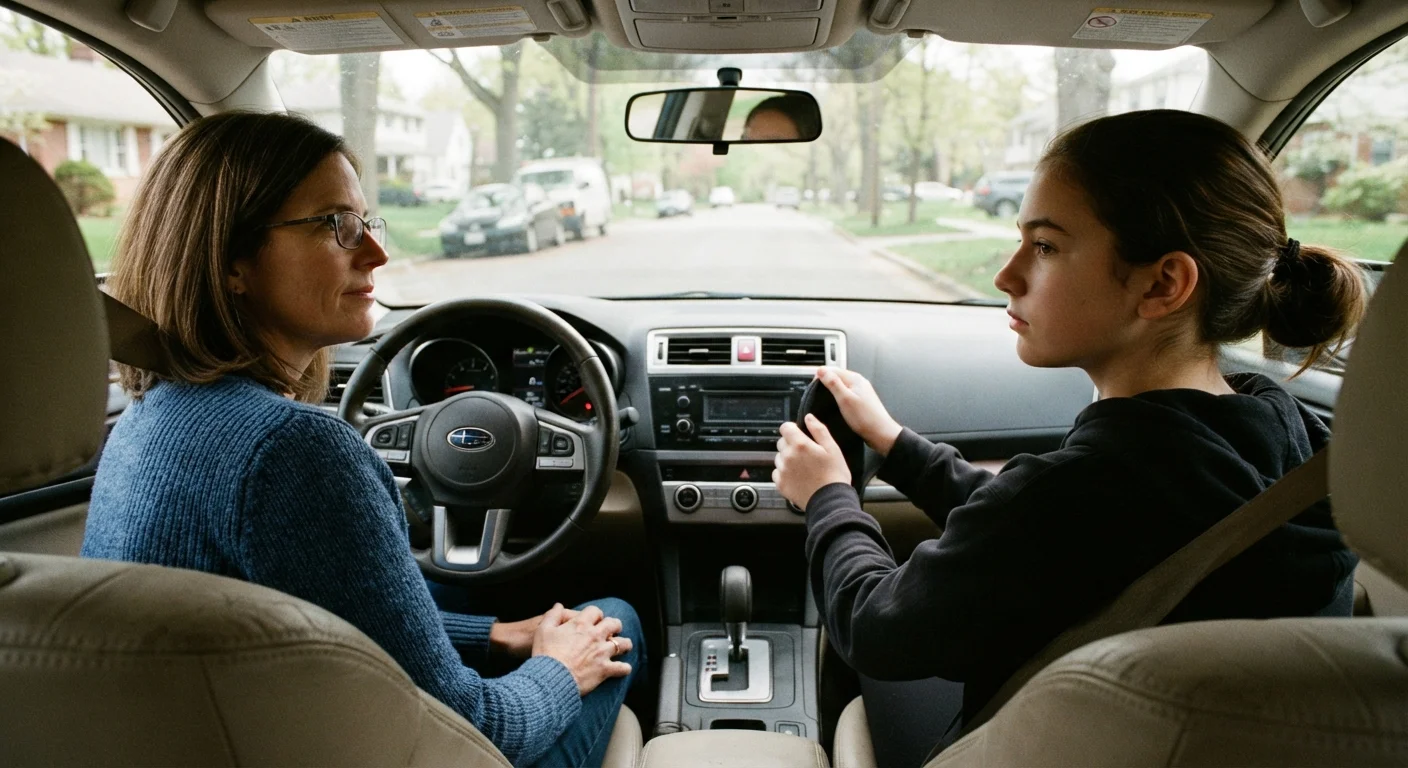
Newer drivers are especially vulnerable. If you're riding with someone learning to drive, our guide on what new drivers need beyond the test explains how passenger behavior fits into that larger picture.
Holding intense or emotional conversations while the car is moving
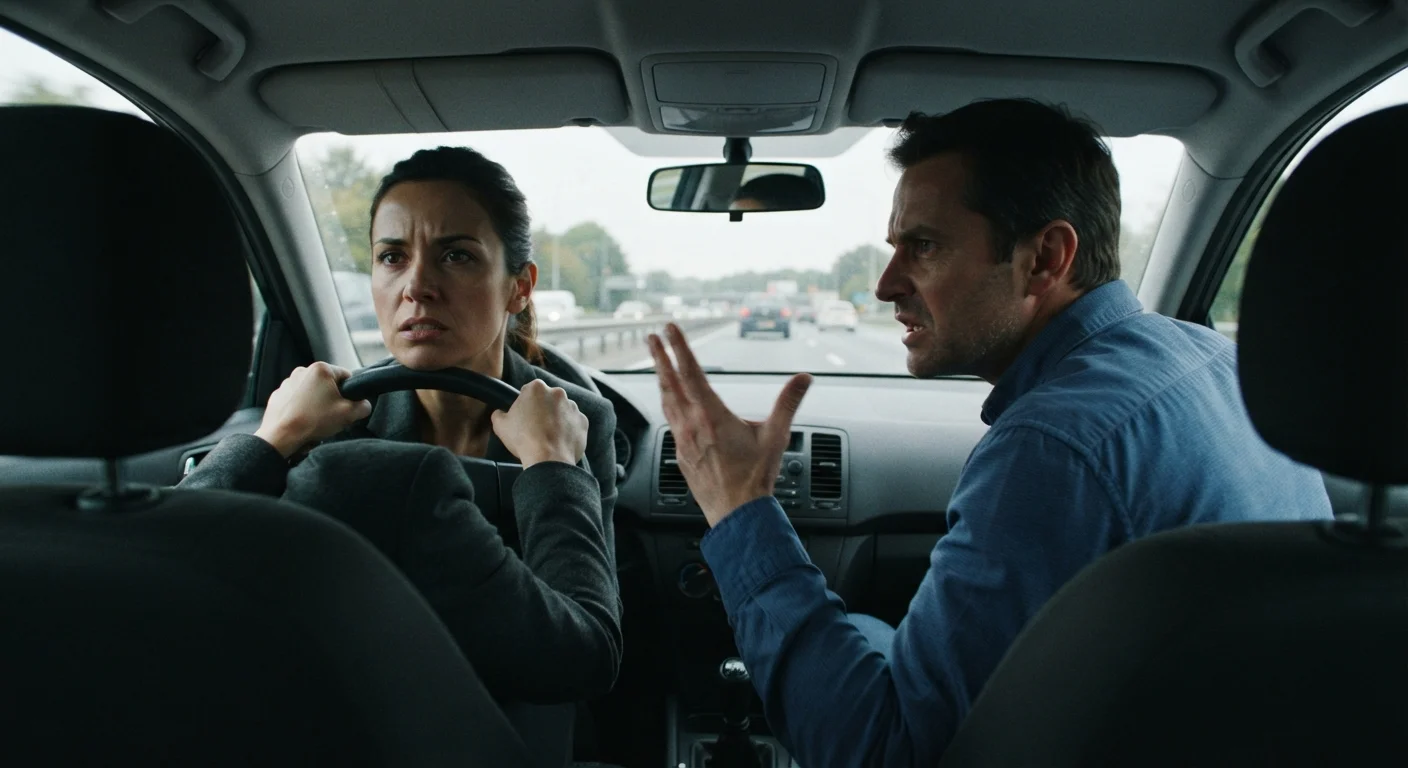
A heated argument, deeply personal discussion, or emotionally charged topic does more than create awkward silence - it forces the driver to split mental resources between processing the road and managing the emotional content of the conversation. Unlike a casual chat, these exchanges demand a response and occupy working memory in ways that degrade hazard detection.
Studies on driver distraction show that conversation complexity matters more than conversation volume. Even a calm but cognitively demanding exchange - like planning finances or resolving a conflict - competes for the same mental bandwidth used to monitor traffic. Save meaningful discussions for when the car is parked.
Emotionally demanding conversations consume the same mental bandwidth the driver needs to spot hazards.
Asking questions or requesting decisions during critical maneuvers
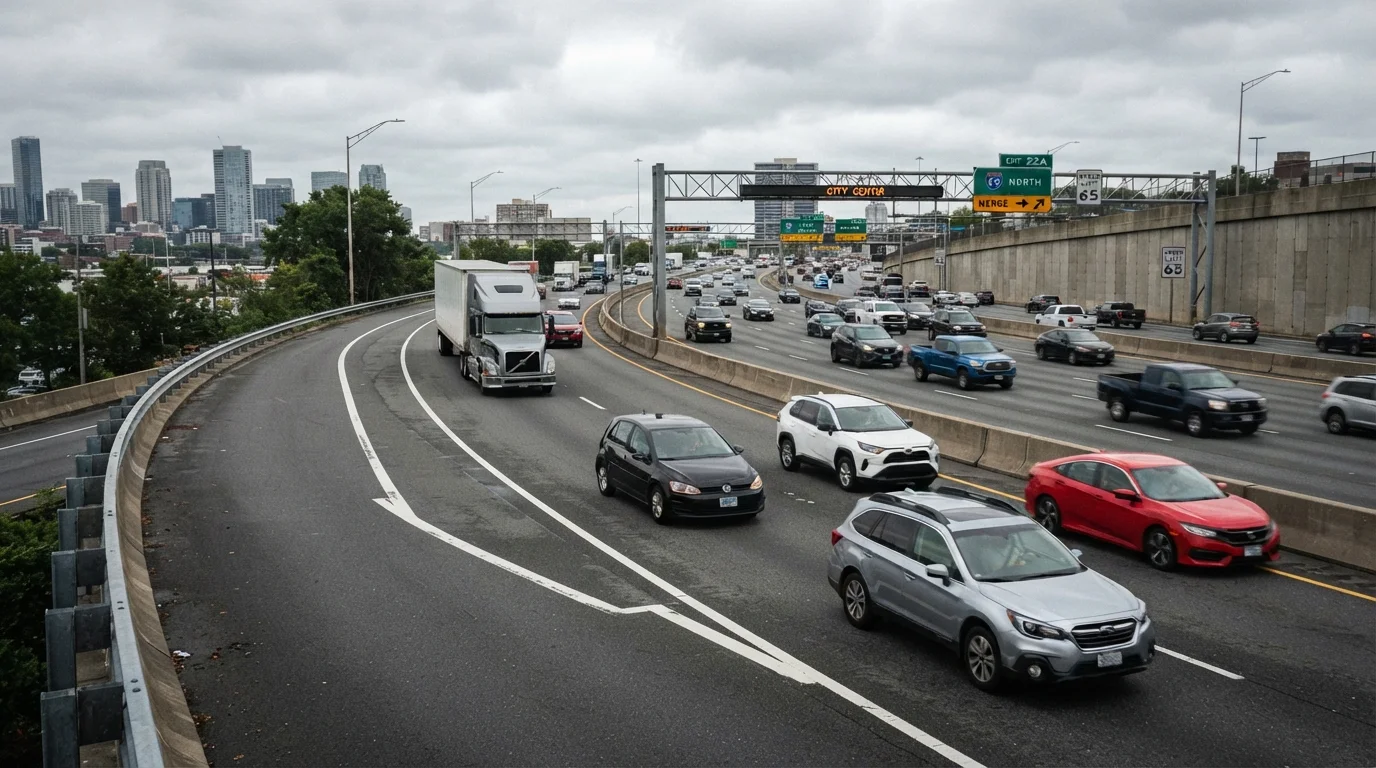
"Which exit do we take?" and "Should we stop for gas?" seem harmless - until they arrive precisely as the driver is merging onto a busy highway or navigating a complex intersection. Timing matters enormously. Requiring a driver to search memory, evaluate options, and respond verbally at a high-demand moment is a genuine crash risk, not a minor annoyance.
If you need to give directions or raise a question, watch for clear stretches of road at a steady speed before speaking. Understanding why timing is so critical becomes clearer when you consider what drivers are managing during maneuvers like lane changes - our piece on where highway merging goes wrong illustrates just how much attention those moments require.
Asking the driver to decide or respond mid-maneuver significantly increases the chance of a dangerous error.
Making sudden or unexpected movements inside the cabin
Reaching suddenly across the driver, grabbing the steering wheel out of reflex during a scare, or abruptly lunging toward the dashboard can cause a driver to flinch, jerk the wheel, or brake unexpectedly. Even if the passenger means no harm - perhaps retrieving something from the back seat or reacting to a near-miss - the physical intrusion into the driver's space creates unpredictable vehicle behavior.
This also applies to feet on the dashboard, which compromises passenger safety in the event airbags deploy. The engineering behind restraint systems depends on occupants being properly seated - a point covered in detail in our article on how passive safety systems work.
Unexpected physical movements inside the cabin can cause involuntary reactions from the driver at the worst possible moment.
Controlling the music, vents, or climate settings without warning
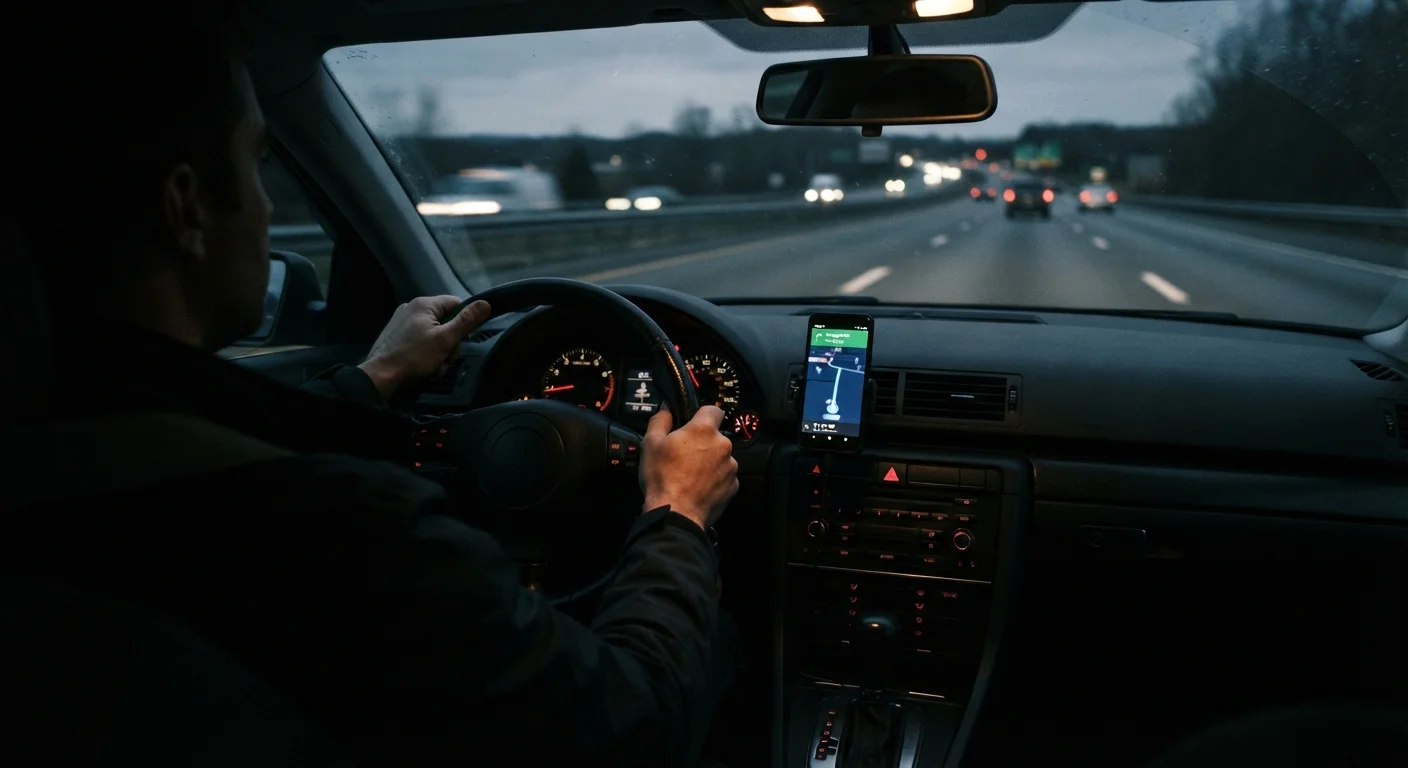
Passengers frequently adjust the radio, climate controls, or navigation display without alerting the driver first. Even if the driver isn't the one touching the controls, a sudden loud burst of music, a blast of cold air, or an unexpected GPS rerouting announcement can startle or distract them. If you want to adjust something, ask first and make changes gradually.
Volume deserves particular attention. Excessively loud audio inside the cabin can mask important auditory cues - sirens, horn warnings, and road noise that signal changing conditions - reducing the driver's situational awareness even when they're looking forward.
Loud or sudden audio changes mask the road sounds drivers rely on for situational awareness.
Letting children or pets move freely in the cabin
Unrestrained children and pets are among the most significant sources of in-vehicle distraction. A child unbuckling and climbing between seats, or a dog moving to the front, can force a driver to look away from the road at exactly the wrong moment. Beyond distraction, an unrestrained occupant - human or animal - becomes a projectile in a crash.
Passengers who are not driving can actively help manage rear-seat activity, redirect children, and maintain calm before the driver feels compelled to turn around. This is especially important on roads with limited sight lines - conditions that already demand full attention, as our night driving safety guide explains.
Unrestrained passengers and pets in the back seat are both a distraction risk and a crash hazard.
Pointing out hazards in ways that create panic
There's a significant difference between calmly saying "there's a car stopping ahead" and screaming "Watch out!" The latter triggers a startle response that can cause overcorrection - swerving, hard braking, or erratic steering. If you notice a hazard the driver may have missed, a calm, direct, and brief alert gives them the best chance to respond safely.
Drivers already manage substantial blind spot awareness challenges. Sudden shouted warnings about objects in areas they're already monitoring can actually impair their response by triggering reflexive rather than controlled reactions. Our guide on understanding vehicle blind spots explains where drivers are most reliant on passenger input - and how best to provide it.
A panicked shout can cause overcorrection that's more dangerous than the hazard it was meant to flag.
Small Changes That Make a Real Difference
None of these habits require heroic self-restraint - just a basic awareness that the driver's attention is a limited and essential resource. Saving big conversations for red lights, keeping the cabin calm during complex maneuvers, and staying buckled up aren't inconveniences. They're straightforward contributions to everyone's safety.
A Simple Rule for Passengers
When the driving gets harder - traffic thickens, weather worsens, or the driver is navigating somewhere unfamiliar - reduce the demands on their attention proportionally. Quiet the cabin, hold questions, and manage anything you can handle independently without involving the driver. It's one of the most practical contributions a passenger can make.
Distraction behind the wheel compounds with other risk factors. If you're interested in how attention breaks down in other scenarios, see our coverage of cognitive distraction beyond phone use and how drivers are affected even by hands-free interactions.