Why Slippery Roads Demand a Different Mindset
Most drivers learned on dry pavement, and that's where intuition about braking, cornering, and following distance develops. The problem is that those instincts don't transfer cleanly to wet or frozen roads. Rain, snow, and ice each reduce the friction between your tires and the road surface - and lower friction means your vehicle takes longer to stop, turns less predictably, and can slide even at moderate speeds.
The good news is that the adjustments required are consistent and learnable. Reducing speed, increasing space, and eliminating abrupt inputs cover the vast majority of what keeps drivers safe in poor conditions. Modern vehicles also include stability and traction control systems that provide meaningful assistance - but as noted below, those systems have limits.
When to Stay Off the Road Entirely
No destination is worth risking your life on genuinely dangerous roads. If local authorities issue a travel ban or advisory, treat it as a hard stop - not a suggestion. Even experienced drivers can be caught out by rapidly changing conditions such as a sudden freeze or white-out snowfall. If you have any serious doubt about road safety, delay your trip.
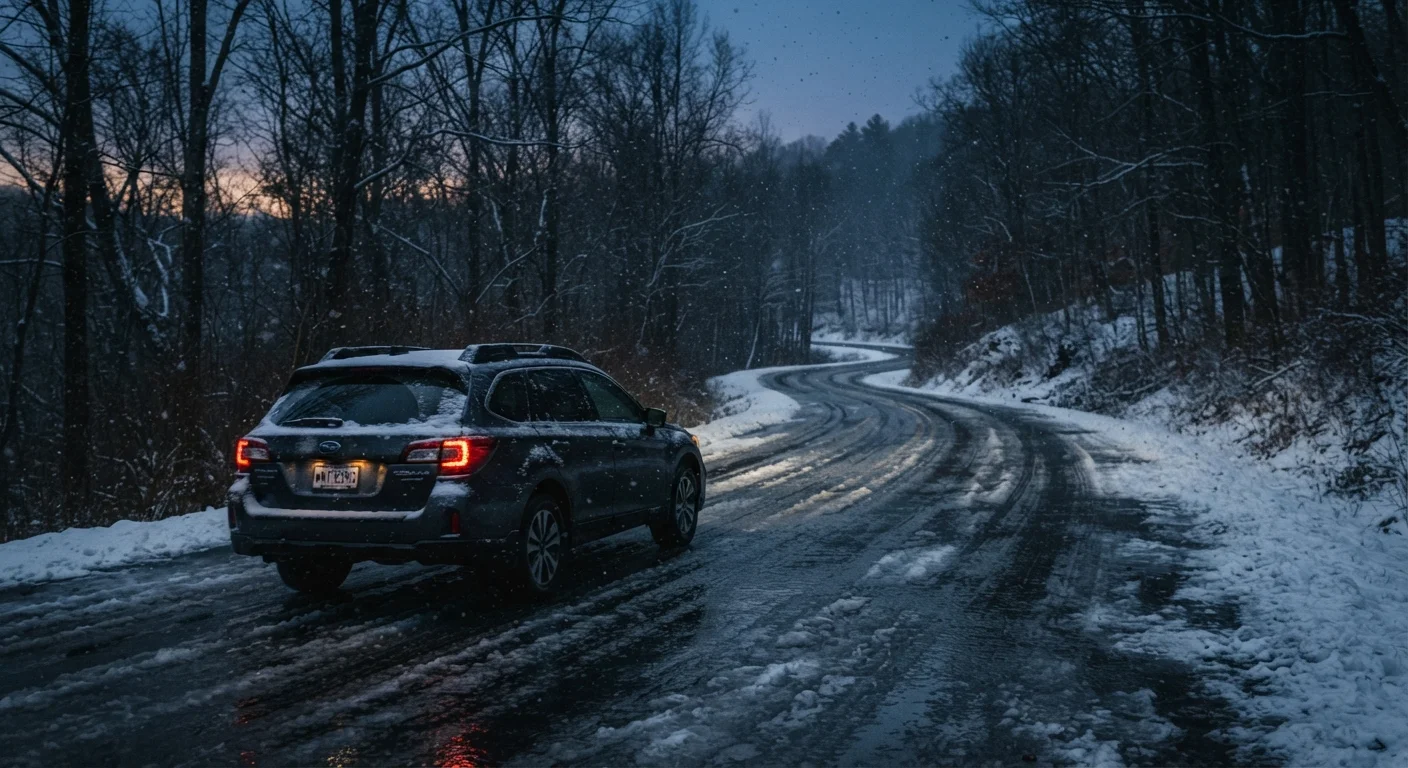
Before heading out, it also helps to understand how conditions compound. Rain reduces visibility while also wetting the road; snow reduces both visibility and traction simultaneously. Nighttime wintry conditions add a third challenge. For tips on managing reduced visibility independently of surface grip, see our article on night driving habits.
What you will need
Step-by-Step: Driving Safely in Rain, Ice, and Snow
The following steps apply broadly across wet and frozen conditions. Some steps - particularly around skid response and ice recognition - are more condition-specific and are noted accordingly. Work through these in sequence the first time you encounter challenging conditions; with practice, they become habitual.
Winter or All-Season Tires
Provide improved grip on cold, wet, or snow-covered roads compared to summer tires.
Ice Scraper and Snow Brush
Clear snow and ice from all windows, mirrors, and lights before driving.
Vehicle Emergency Kit
Contains items like a blanket, jumper cables, and a flashlight in case you become stranded.
Tire Pressure Gauge
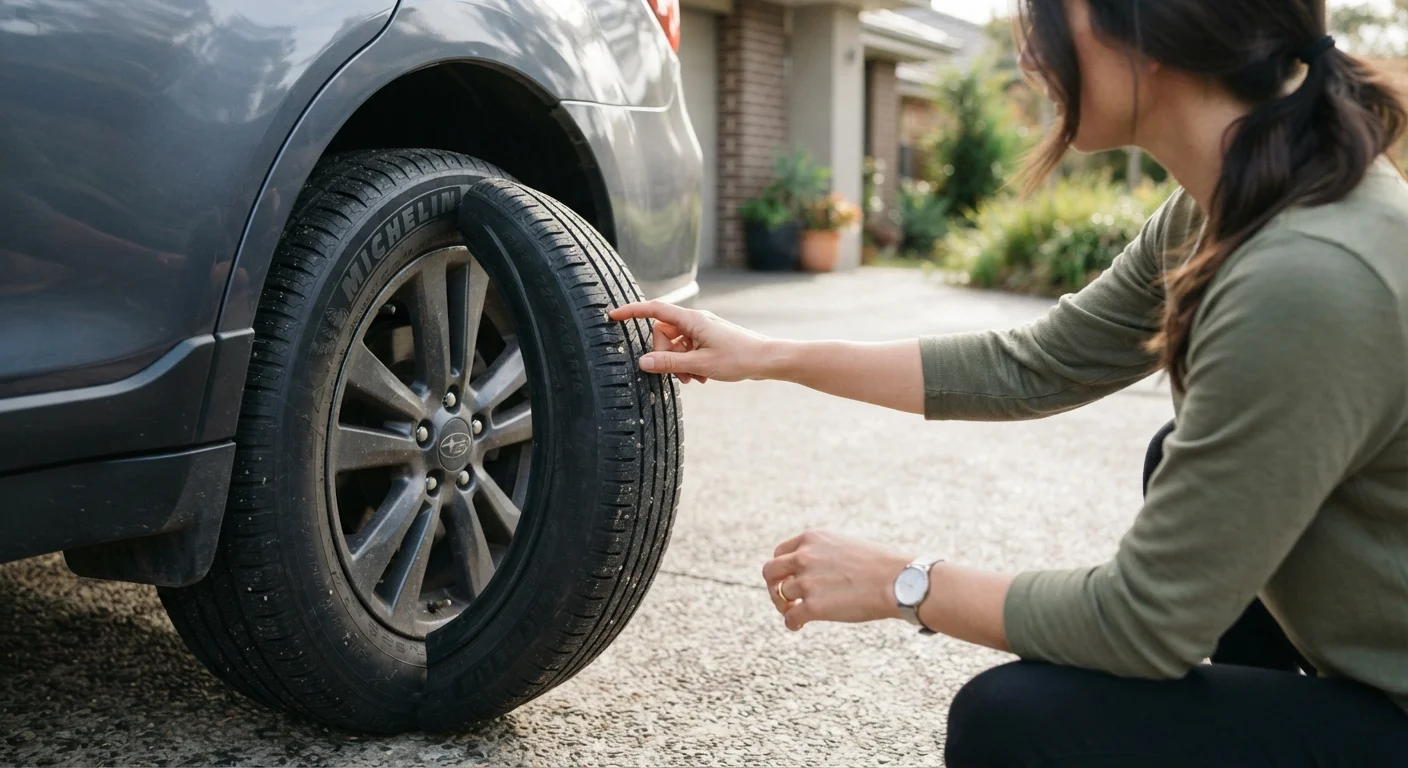
Cold temperatures cause tire pressure to drop; correct inflation is critical for traction.
Prepare the vehicle before you leave
Before driving in rain, snow, or freezing temperatures, take a few minutes to inspect your vehicle. Clear all snow and ice from every window, mirror, the roof, hood, and lights - not just a small patch on the windshield. Ice launching from your roof onto other vehicles is a hazard and illegal in some states.
Check that your headlights, taillights, and wipers are working properly. Verify your tire pressure using a gauge; cold air causes pressure to drop roughly 1 PSI for every 10°F decrease in temperature. Use the pre-trip vehicle safety check as your baseline before any trip in challenging conditions.
Reduce your speed for the conditions - not just the speed limit
Posted speed limits apply to ideal, dry conditions. On wet roads, braking distances increase by roughly 50%. On packed snow or ice, stopping distances can be two to ten times longer than on dry pavement. Slow down proportionally and approach curves and intersections at a speed that allows you to stop safely if needed.
Understanding how stopping distance is calculated can sharpen your judgment about appropriate speeds.
Increase following distance significantly
The standard three-second following distance is insufficient in adverse conditions. On wet roads, aim for at least five to six seconds of gap. On snow or ice, eight to ten seconds is more appropriate. If the vehicle ahead brakes suddenly, you need time and space to respond without locking up your tires.
Use a fixed roadside marker - a sign or overpass - and count the seconds between when the car ahead passes it and when you reach it. Adjust your gap until you consistently hit your target count.
Apply smooth, gradual inputs on steering, brakes, and throttle
Abrupt movements are the enemy of traction on slippery surfaces. Steer gently and progressively - jerking the wheel can break traction immediately. Brake early and apply pressure gradually; if your vehicle has ABS (Anti-lock Braking System), apply firm, steady pressure and let the system modulate - do not pump the brakes. When accelerating from a stop on snow or ice, ease into the throttle slowly to avoid wheelspin.
Think of your tires as a budget of available grip. Steering, braking, and accelerating all draw from that budget simultaneously - the smoother you are, the more control you retain.
Recognize and respond to skids correctly
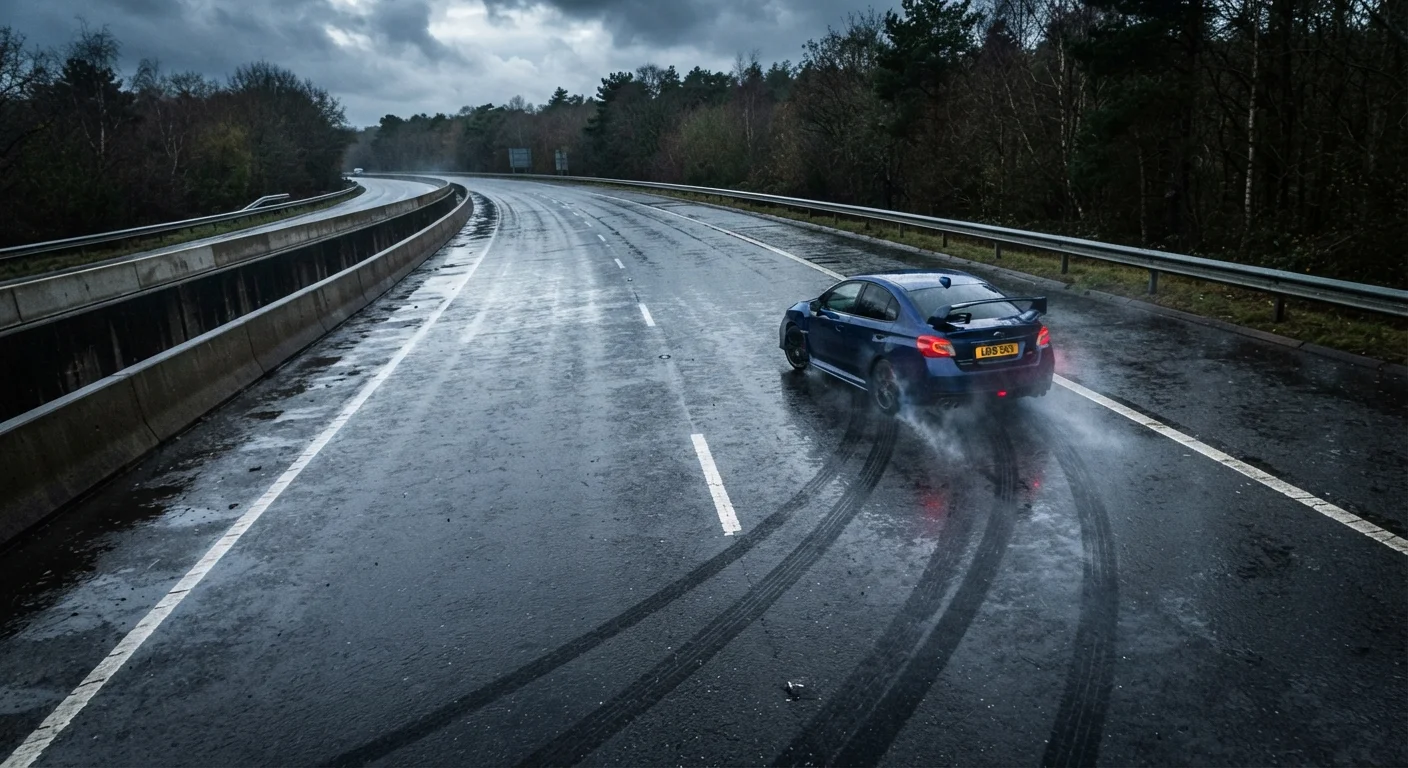
Even careful drivers experience skids. Understeer (the front tires lose grip and the car pushes wide) is most common in front-wheel-drive vehicles. If this happens, ease off the throttle and steer gently in the intended direction - do not countersteer sharply. Oversteer (the rear slides out) is more common in rear-wheel-drive vehicles; look and steer in the direction you want to go and ease off the gas.
Knowing your vehicle's drive configuration - front, rear, or all-wheel - helps you anticipate which skid type is more likely and respond without panic.
Adjust strategy for rain, snow, and ice individually
Rain: The first 10-15 minutes of rainfall are often the most hazardous, as water mixes with accumulated oil and debris on the road surface. Watch for standing water and avoid it where possible - hydroplaning can occur at speeds as low as 35 mph on tires with worn tread.
Snow: Packed snow offers more traction than ice but still demands the techniques above. Watch for unplowed patches, intersections, and shaded stretches that remain snow-covered longer.
Ice and black ice: Black ice forms when moisture freezes on pavement, usually on bridges, overpasses, and shaded road sections, and is nearly transparent. If the road looks unusually shiny or wet on a cold day, treat it as ice. Bridge decks freeze before road surfaces because cold air circulates beneath them.
Practice Controlled Braking in a Safe Space
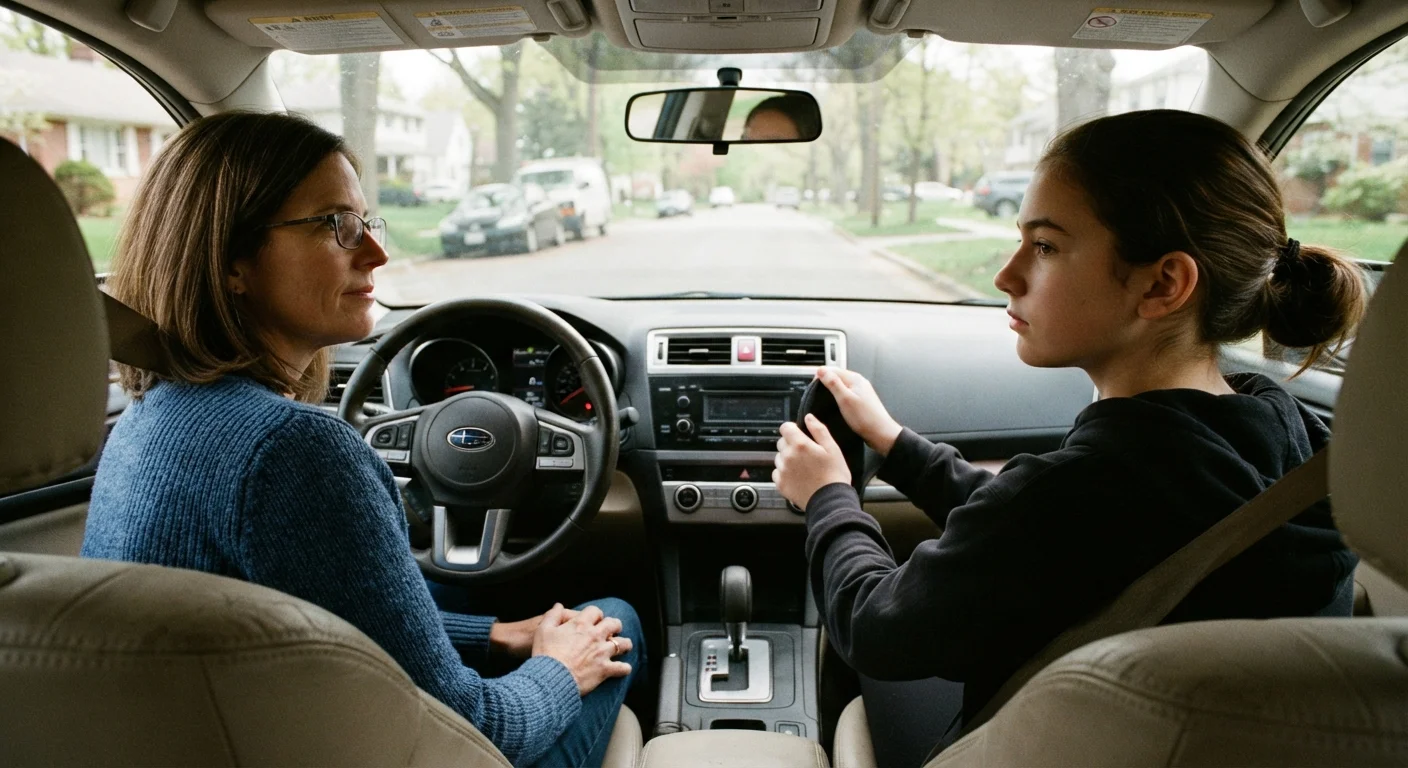
If you've never experienced ABS engaging, find an empty, snow-covered parking lot and practice gentle, then firm braking at low speed. Knowing what ABS feels like - the pulsing pedal, the noise - means you won't panic and release the brake when it happens on a public road. See our guide for new drivers for more skill-building exercises.
All-Wheel Drive Doesn't Mean All-Road Safety
AWD and 4WD systems improve your ability to accelerate on slippery surfaces, but they do not improve your ability to steer or stop. Many drivers overestimate their traction in these vehicles and take corners or follow distances that aren't safe. Tires and driver behavior determine most of your stopping and handling capability.
For a fuller picture of how your vehicle's condition affects performance in these situations, explore the car maintenance hub for guidance on tires, brakes, and seasonal preparation.