What Defensive Driving Actually Means
Most drivers assume they're already driving defensively - following the speed limit, signaling turns, stopping at red lights. But those behaviors describe legal driving, not necessarily safe driving. Defensive driving is something more deliberate: it means actively managing risk rather than simply reacting to it after the fact.
The phrase was popularized through formal driver education, and it captures a specific idea - you're responsible not only for your own choices, but for anticipating the mistakes of everyone around you. Other drivers run lights, brake unexpectedly, drift lanes, and misjudge gaps. A defensive driver sees these possibilities coming and creates space to respond.
Defensive driving
A driving approach that prioritizes hazard anticipation and risk management over simply reacting to immediate road events.
Following distance
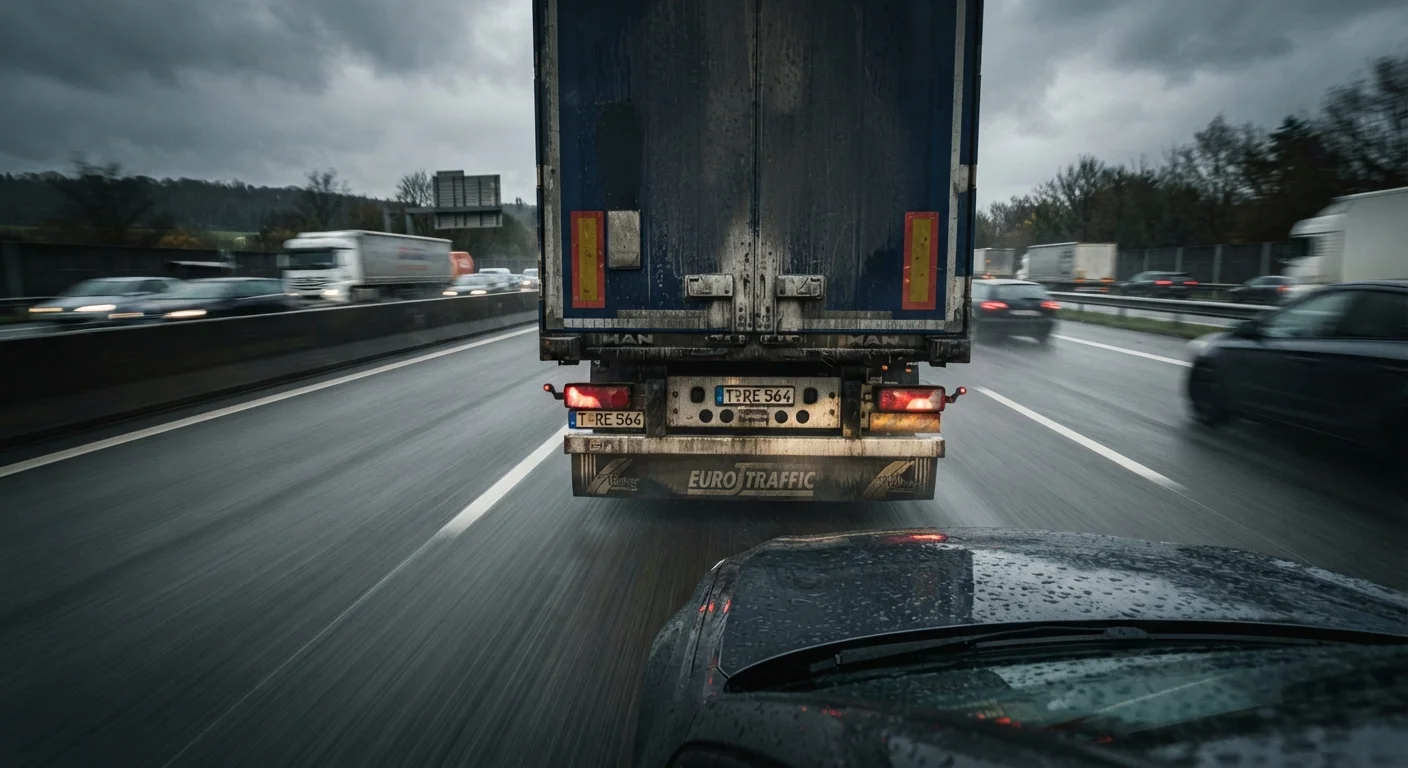
The space maintained between your vehicle and the one in front of you, which determines how much time you have to react if that vehicle brakes suddenly.
Situational awareness
The ongoing process of monitoring your surroundings - near and far - so you understand what is happening around your vehicle at all times.
Right of way
The legal entitlement to proceed first in a given traffic situation, such as at a stop sign or merge. Having the right of way does not guarantee other drivers will yield it.
Cognitive distraction
Mental distraction that pulls your focus away from driving, even when your eyes are on the road - for example, an intense conversation or a stressful thought.
This matters because most crashes aren't caused by a single dramatic failure. They result from a chain of small factors - a distraction, a narrow margin, a missed cue - stacking together. Defensive driving interrupts that chain before it completes.
The Core Mindset: Assume Nothing
The mental foundation of defensive driving is skeptical optimism: hope that other drivers will behave correctly, but never count on it. This isn't paranoia - it's realistic risk management. You cannot control what other people do, but you can control your position, speed, and attention.
Practically, this means asking a constant background question while you drive: What could go wrong here, and what would I do? At a green light, you scan for cross-traffic before entering. On a multi-lane road, you avoid sitting in another driver's blind spot. When a parked car's wheels are turned toward traffic, you give it extra clearance in case a door opens or it rolls.
Build the habit through routine prompts
Choose one trigger - such as every time you approach a traffic light or change lanes - and use it as a cue to ask yourself: 'What am I not seeing right now?' Attaching the habit to an existing action makes it stick far faster than trying to maintain constant vigilance through willpower alone.
This habit of pre-visualizing hazards doesn't slow you down - it frees up mental bandwidth because you've already thought through the response before the situation demands it.
Key Habits That Define a Defensive Driver
Mindset becomes useful only when it translates into repeatable habits. A few stand out as having the highest real-world impact:
- Following distance: The space between your vehicle and the one ahead is your reaction buffer. See our guide to following distance and tailgating risk for a detailed look at why that gap matters more than most drivers realize.
- Scanning intersections: Treat every intersection as a potential conflict point. Check left, right, and left again - even when you have the right of way.
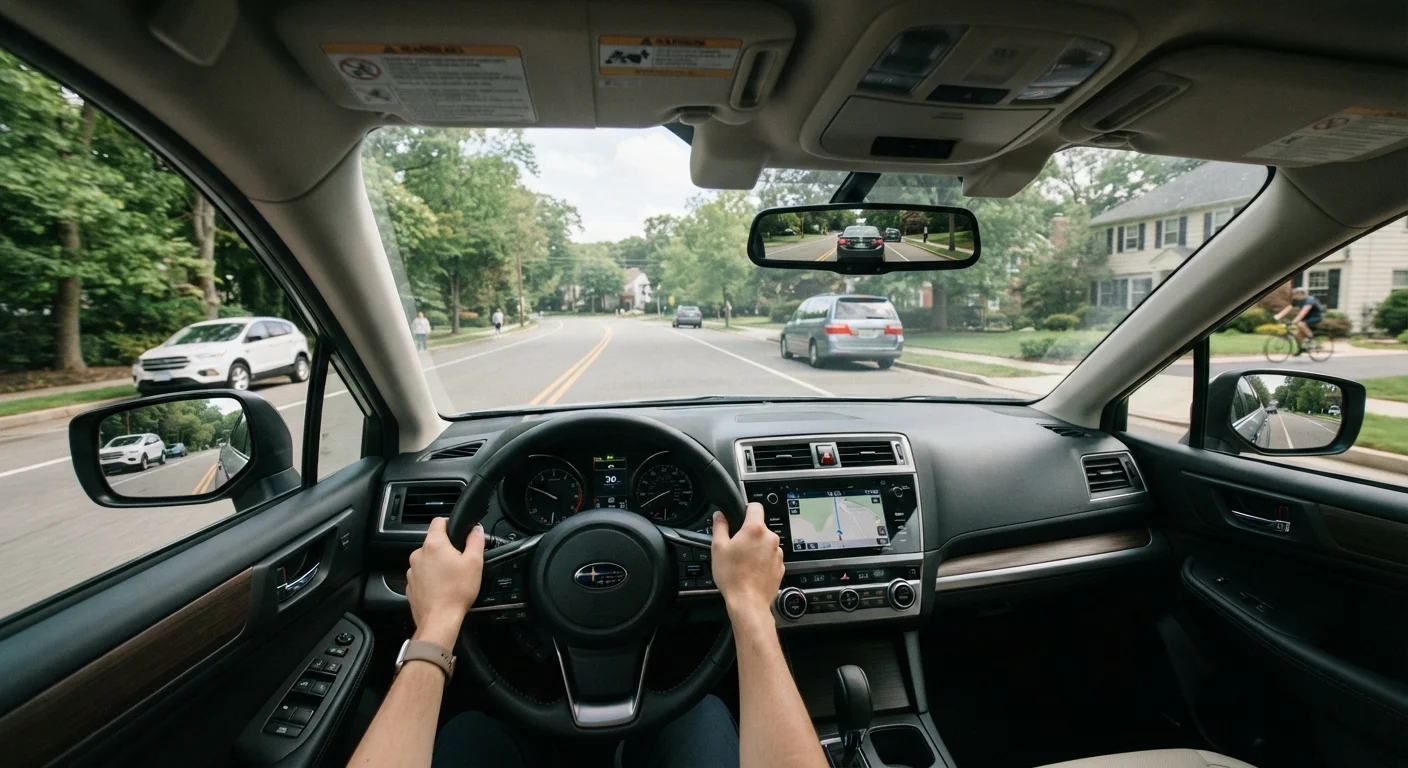
- Mirror checks: Develop a rhythm of glancing at your mirrors every five to eight seconds. Understanding your vehicle's blind spots is equally important, since mirrors alone don't cover everything.
- Speed management: Posted limits assume ideal conditions. Rain, fog, heavy traffic, and nighttime all justify lower speeds. Adapting your speed to road conditions is a core defensive skill.
- Avoiding distractions: Cognitive distraction - thinking about something other than driving - is as dangerous as visual distraction. Keep your attention on the task in front of you.
Situational Awareness in Practice
Good situational awareness means reading the road at multiple distances simultaneously: what's immediately in front of you, what's developing a block or two ahead, and what's happening in your peripheral field. Experienced drivers do this automatically; newer drivers often fixate on the car directly ahead.
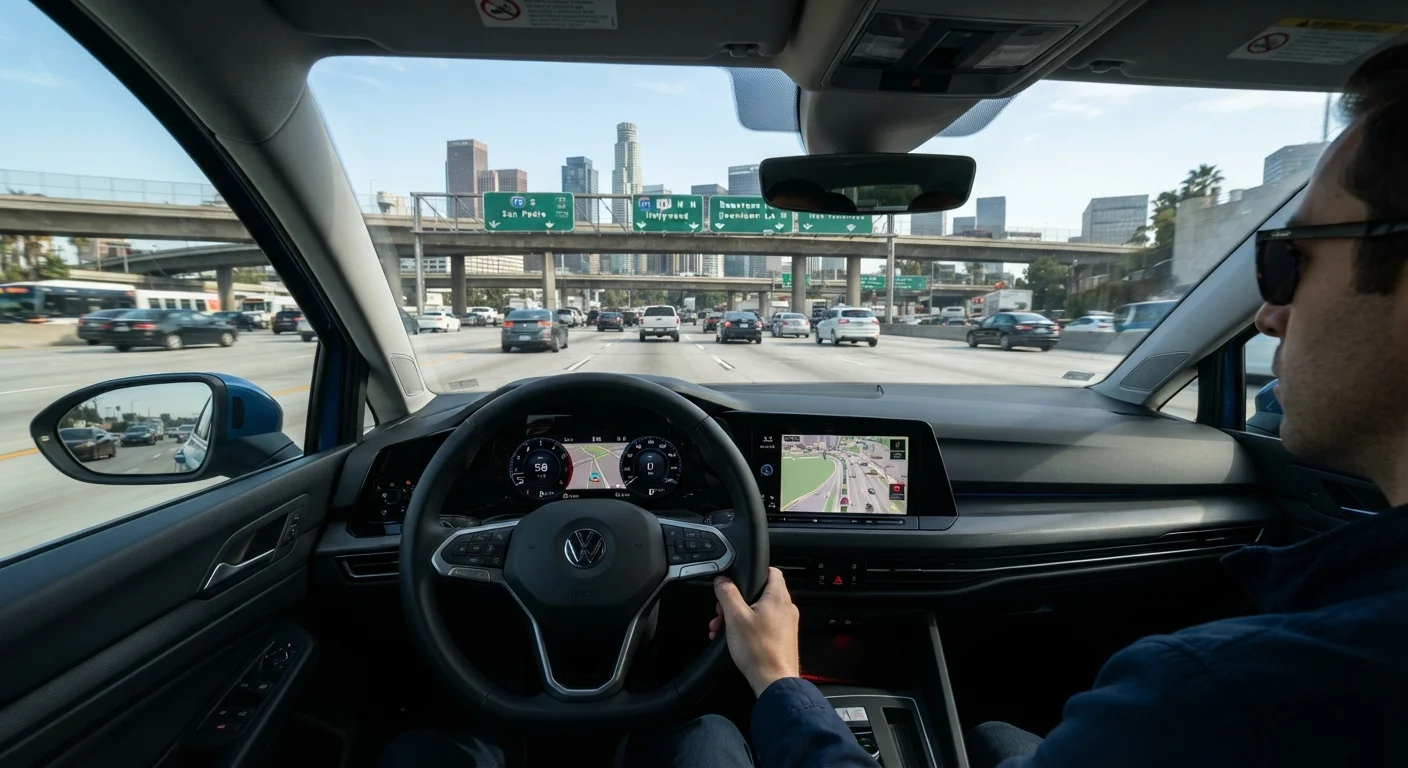
A useful exercise: practice identifying your exit before you need it. On a freeway, position yourself to merge comfortably rather than forcing a last-second lane change. At an intersection, know which lane you're turning into before your wheels enter the turn.
Conditions also change the equation significantly. Night driving introduces hazards that daylight masks - reduced visibility, greater fatigue risk, and glare from oncoming headlights all demand heightened awareness.
Complacency Is the Quiet Risk
Crashes happen disproportionately on familiar routes, not unfamiliar ones. Routine lowers your guard without you noticing. When a drive feels automatic, that's precisely the moment to consciously reset your attention - not relax it.
Situational awareness can also help when driving with newer drivers. If you're helping a teen learn, the habits covered in teaching new drivers beyond the test reinforce exactly the skills experienced drivers have internalized over years.
How to Keep Improving Your Skills
Defensive driving isn't a fixed skill - it degrades without reinforcement and sharpens with deliberate practice. A few paths worth considering:
- Formal courses: Many states recognize approved defensive driving programs for license points reduction or insurance discounts. Organizations such as the National Safety Council offer courses for drivers of all experience levels.
- Self-review after close calls: When something startles you on the road, use it as a data point. What didn't you see? What could you have done differently earlier?
- Passenger perspective: Riding as a passenger and observing traffic without the responsibility of controlling the vehicle can reveal habits you've stopped noticing in yourself.
Consistent, honest self-assessment matters more than any single course. The most dangerous drivers tend to be those convinced they need no improvement. Staying curious about how you drive - and willing to change - is itself a defensive posture.