How Each Method Actually Works
Understanding the mechanics of both methods is the first step toward choosing one that fits your household. Though both are designed to help you spend intentionally, they operate on fundamentally different logic.
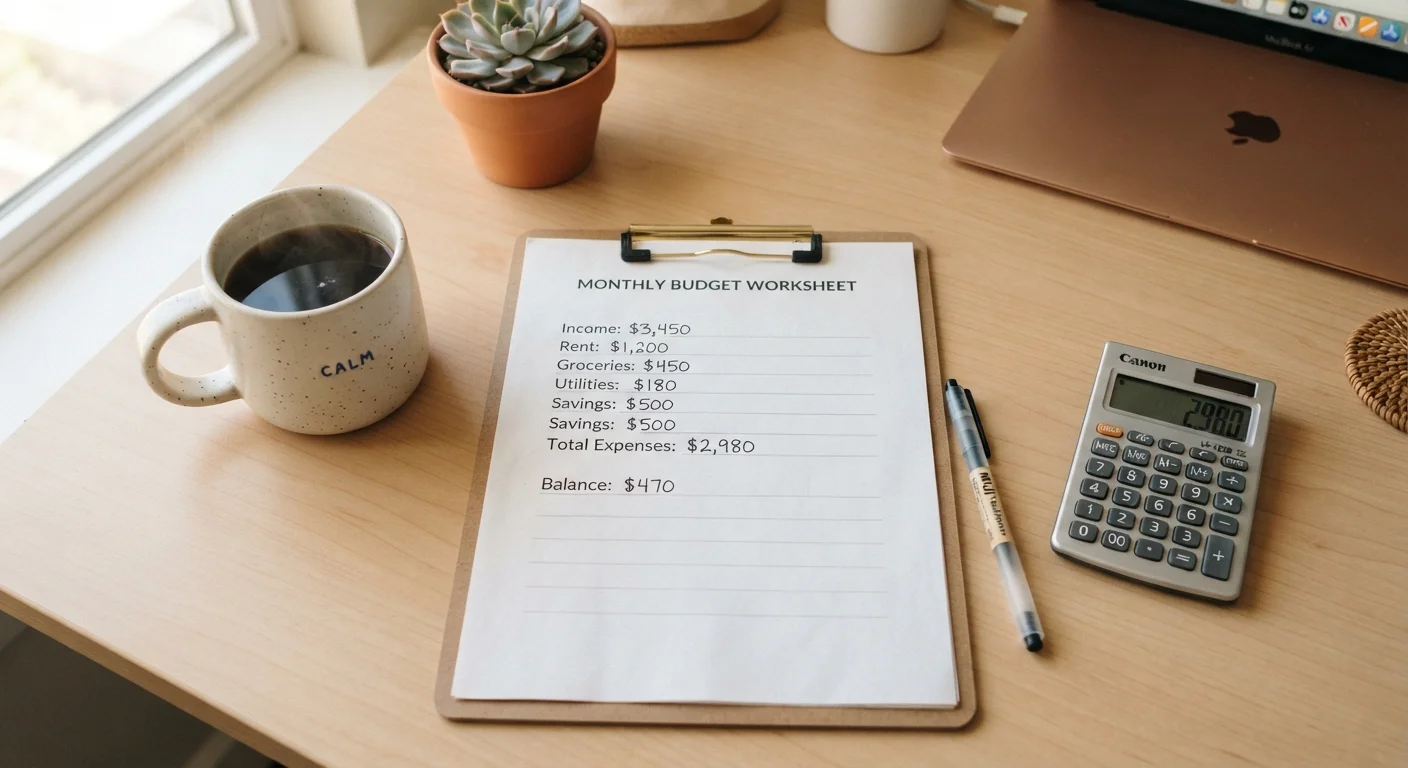
Zero-based budgeting (ZBB) starts with your total monthly income and requires you to assign every dollar to a category - housing, groceries, transportation, savings, debt payments, and so on - until the difference between income and allocated expenses equals zero. That doesn't mean spending everything; savings and investments count as allocations. The method was popularized in corporate finance and adapted for personal use, notably by financial educator Dave Ramsey through the "Every Dollar" framework.
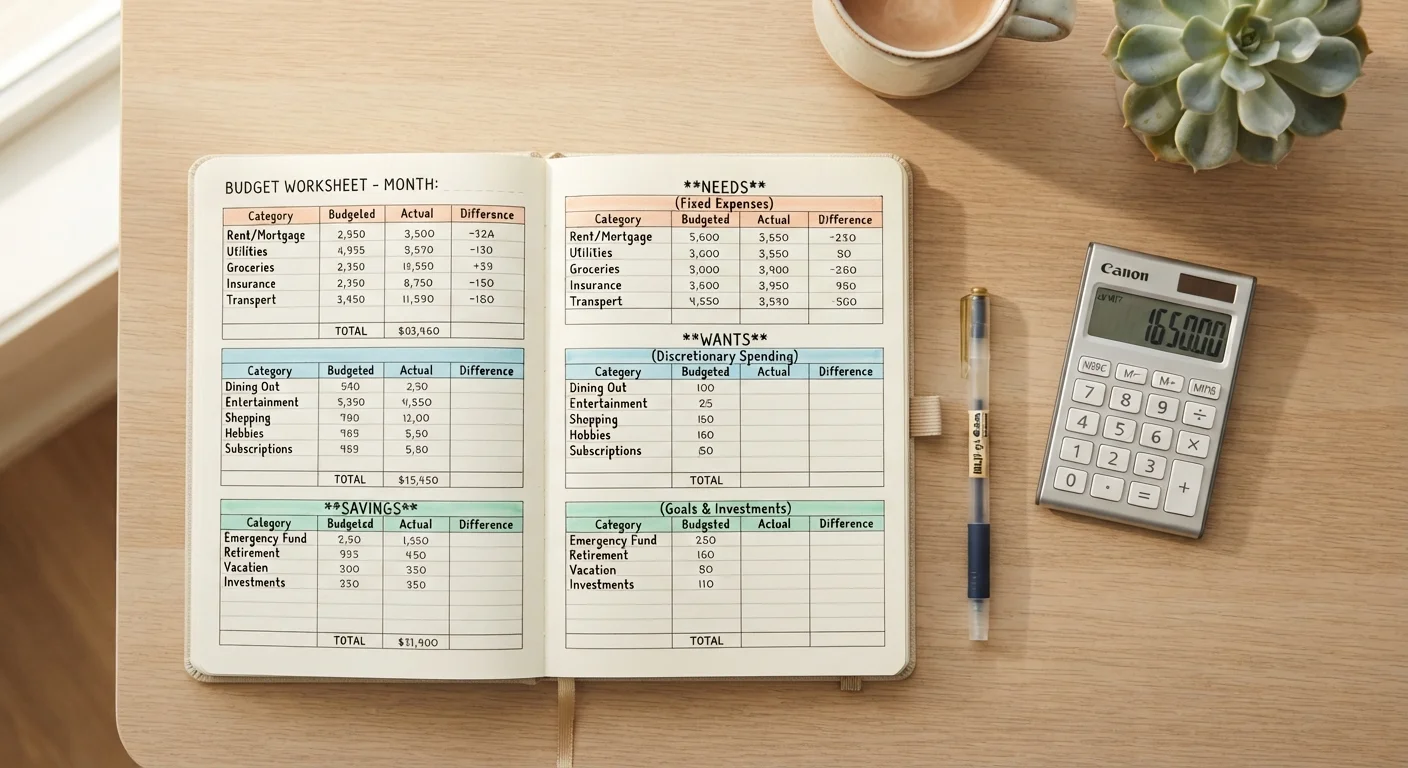
The 50/30/20 rule takes a broader view. It divides your after-tax income into three percentage-based categories: approximately 50% toward needs (rent, utilities, groceries, insurance), 30% toward wants (dining out, entertainment, subscriptions), and 20% toward savings and debt repayment beyond minimums. Senator Elizabeth Warren and her co-author Amelia Warren Tyagi described this framework in their book All Your Worth as a way to balance financial security with everyday quality of life.
For a side-by-side look at how these methods differ across key dimensions, see the comparison table below.
| Criterion | Zero-Based Budgeting | 50/30/20 Rule |
|---|---|---|
| Core principle | Every dollar assigned a purpose | Income split into three broad buckets |
| Monthly time commitment | High - rebuilt each month | Low - percentages stay fixed |
| Spending visibility | Very granular, category by category | Broad; drift within buckets is possible |
| Best income type | Variable or irregular income | Stable, predictable salary |
| Learning curve | Steeper; requires detailed tracking | Gentle; easy to start immediately |
| Flexibility | High - customized monthly | Moderate - categories are fixed |
| Ideal for debt payoff | Yes - funds redirected precisely | Partially - only 20% earmarked |
The Real Trade-Offs: Time, Flexibility, and Control
The most significant practical difference between these two methods is the ongoing time commitment. Zero-based budgeting requires you to build a new plan each month - accounting for irregular expenses like annual insurance premiums, car registration, or holiday spending. When done consistently, this produces a highly accurate picture of your finances. When skipped even once, it loses effectiveness quickly.
The 50/30/20 rule is more forgiving. Once you know your income and have a rough sense of which expenses fall into which bucket, the monthly maintenance is minimal. That accessibility is both its strength and its limitation: the broad categories mean spending can drift within a bucket without triggering an obvious alert. A household might technically stay within its 30% "wants" allocation while still making choices misaligned with its actual goals.
A Note on Income Before You Start
Both methods use after-tax (take-home) income as their starting figure, not gross income. If you're self-employed, factor in estimated quarterly tax payments as a dedicated line item before allocating the remainder. Using gross income as your baseline in either system will result in a budget that consistently runs short.
Zero-based budgeting also tends to surface hidden spending more reliably. When you must name every line item, subscription services, impulse purchases, and convenience spending become visible rather than absorbed into a vague category. This aligns with findings from financial behavior research suggesting that granular tracking increases awareness and reduces overspending in discretionary categories.
For households new to budgeting, it may make sense to start with the 50/30/20 framework and graduate to zero-based budgeting as the habit solidifies. See our guide for first-time budgeters for a practical walkthrough of that initial setup.
It's also worth recognizing that strict adherence to either method has real-life trade-offs. A balanced look at what tight budgeting costs can help you set realistic expectations before committing to either system.
74%
Americans living paycheck to paycheck
According to a 2023 report by LendingClub and PYMNTS, nearly three-quarters of US consumers reported spending most or all of their monthly income before the next paycheck.
~$1,000
Median emergency savings of households without a budget
Federal Reserve survey data consistently shows that households without a structured spending plan hold substantially less in liquid emergency reserves than those with one.
Choosing the Right Method for Your Household
No single budgeting method fits every financial situation. Your income stability, household complexity, and personal tolerance for detail should all factor into your decision.
If your income varies - as it does for freelancers, contractors, or anyone with commission-based pay - zero-based budgeting's monthly rebuild is actually an advantage. You calibrate each month's spending plan to that month's income rather than assuming a fixed percentage will stretch or compress appropriately. For deeper context on where the 50/30/20 rule can fall short in variable-income situations, this detailed breakdown is worth reading.
If your household expenses are stable and you're mainly looking to build a savings habit, the 50/30/20 rule provides enough structure to make meaningful progress without demanding hours of monthly administration. Pairing either approach with a regular end-of-month spending review will meaningfully improve outcomes - a monthly budget audit checklist can guide that process.
Both methods also benefit from clarity about which expense categories belong where. A reference list of core household spending categories can help you build out either framework with fewer gaps.
This article is for general informational and educational purposes only and does not constitute personalized financial, tax, or investment advice. Consult a qualified financial professional for guidance tailored to your individual circumstances.