
The Most Common Misunderstanding About Budgets
Ask most people what a household budget means and you'll hear some version of the same answer: it's a list of things you can't buy anymore. This framing is understandable-but it's also why so many people avoid budgeting altogether.
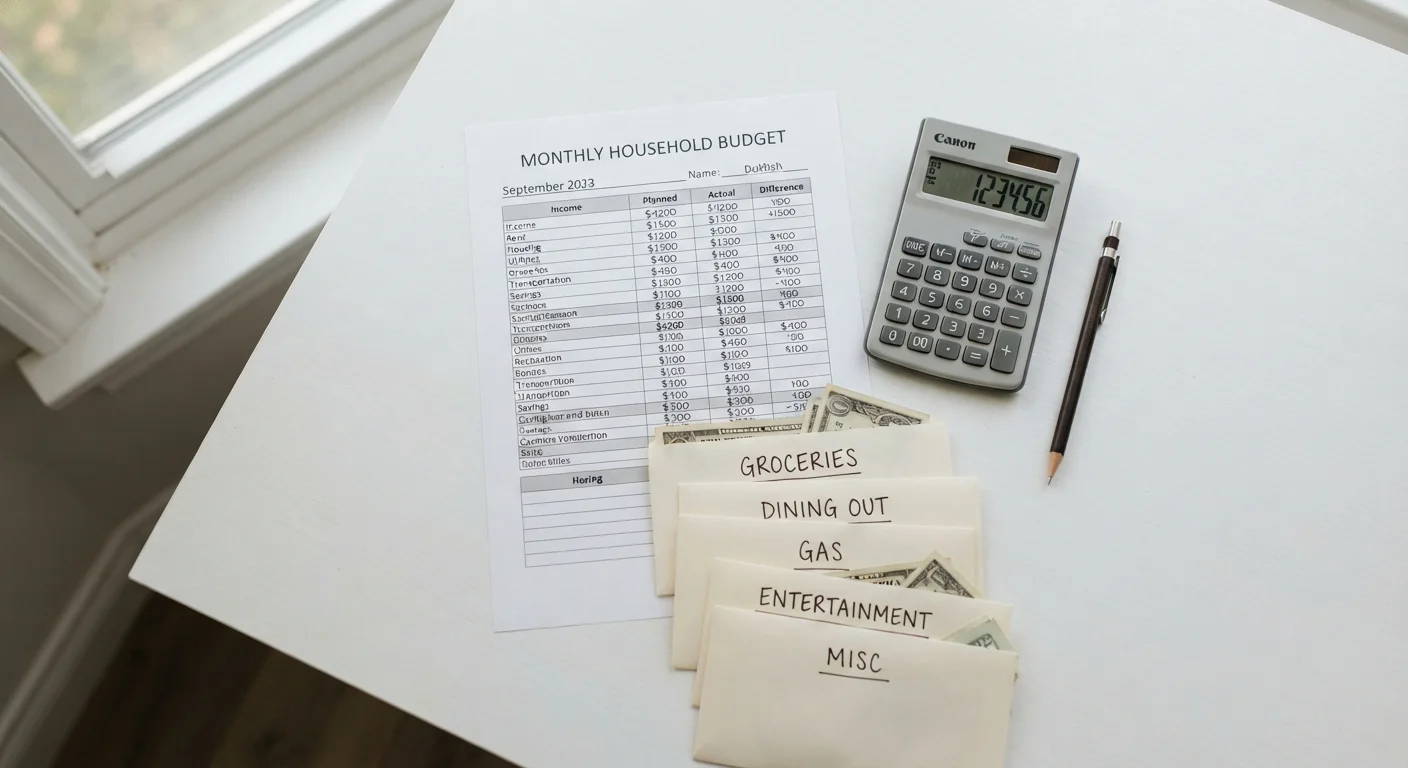
A budget isn't a punishment. It's a financial map. It shows you what resources you have, where they're already committed, and what's left for discretionary use. Without that map, spending decisions happen in the dark. You might feel financially fine until an unexpected expense-a car repair, a medical bill-reveals there was never a cushion to begin with.
The restriction feeling often comes from confusing a tight budget with the concept of budgeting. A tight budget reflects a tight financial situation. The budget itself is just the honest picture of that situation. Ignoring it doesn't improve it.
Budgets Reflect Reality, Not Judgment
A budget that shows you're spending more than you earn isn't a failure-it's useful information. Many households discover this only after tracking their money for the first time. The goal of a budget is honest clarity, which is the necessary first step toward any financial change.
What a Household Budget Actually Contains
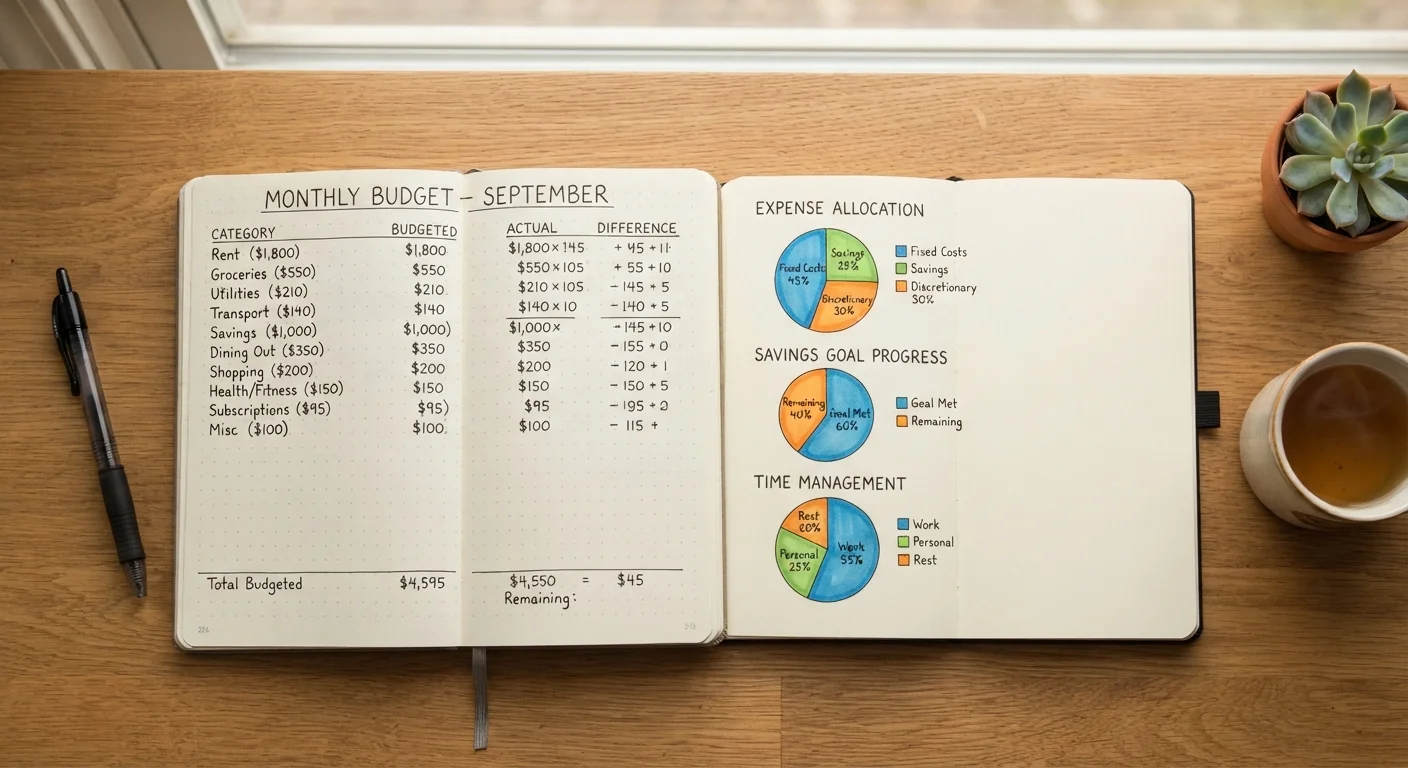
A functional household budget has three core components: income, fixed expenses, and variable expenses.
- Income includes all money reliably coming in-wages, self-employment earnings, benefits, or any other regular source.
- Fixed expenses are predictable and consistent each month: rent or mortgage, loan payments, insurance premiums, subscription services.
- Variable expenses change month to month and include groceries, utilities, fuel, dining out, and personal spending.
A fourth category that many households overlook is irregular expenses-costs that don't appear every month but are entirely predictable over a year. Annual insurance renewals, vehicle registration, holiday gifts, and home maintenance all fall here. Failing to account for them is one of the most common reasons budgets feel like they're not working.
For a complete breakdown of how to categorize these costs, see spending categories every household budget should include.
~33%
US adults with a detailed written budget
Gallup polling has consistently found that roughly one in three American adults maintains a detailed household budget.
$1,400+
Average monthly irregular expense per household
US Bureau of Labor Statistics Consumer Expenditure data shows that costs like healthcare, vehicle maintenance, and seasonal spending add up significantly when annualized.
Why Budgets Work Even When They're Imperfect
Many people abandon budgeting after one bad month-they overspend in one category and treat the whole system as broken. This is a misunderstanding of how budgets function.
A budget is a plan, and plans adjust. Overspending on groceries one month doesn't mean budgeting failed; it means you have new information to refine the plan. Over time, this process of estimating, tracking, and adjusting produces increasingly accurate spending projections-and increasingly intentional financial decisions.
“A budget is telling your money where to go instead of wondering where it went.”
— John C. Maxwell, Author and leadership speaker, widely cited in personal finance education
Even a rough budget-one that approximates rather than precisely tracks every dollar-outperforms no budget at all. The mere act of writing down expected income and expenses tends to create awareness that changes behavior. Researchers who study financial behavior consistently find that stated plans increase follow-through, even when the plan itself isn't perfect.
This is why budgeting is also a foundation rather than an endpoint. Once you know what your money is doing, you can direct it toward specific goals: building an emergency fund, accelerating debt repayment, or saving for a down payment. The complete household budgeting resource covers how to extend these habits over time.
Getting Started Without Overthinking It
The most effective budget is one you'll actually use. That means starting simple. For your first month, focus on two things: knowing your take-home income and listing your known monthly expenses. The gap between those two numbers tells you what you're working with.
From there, you can choose a budgeting method that fits how you think. Some households prefer zero-based budgeting-assigning every dollar a job until nothing is unaccounted for. Others prefer percentage-based frameworks that divide income into broad buckets. See how these approaches compare in zero-based budgeting vs. the 50/30/20 rule.
If you've never budgeted before, your first month on a budget is a practical next step. And if you're skeptical because you've heard budgeting means giving up everything fun, common beliefs about budgeting that simply aren't true addresses those concerns directly.
Start With One Month of Real Numbers
Before building your first budget, look back at one month of actual bank and credit card statements. Use those real figures-not estimates-as your starting categories. This approach grounds your budget in what's actually happening with your money, not what you hope is happening.
This article is for general informational and educational purposes only and does not constitute personalized financial advice. Consult a qualified financial professional regarding decisions specific to your situation.