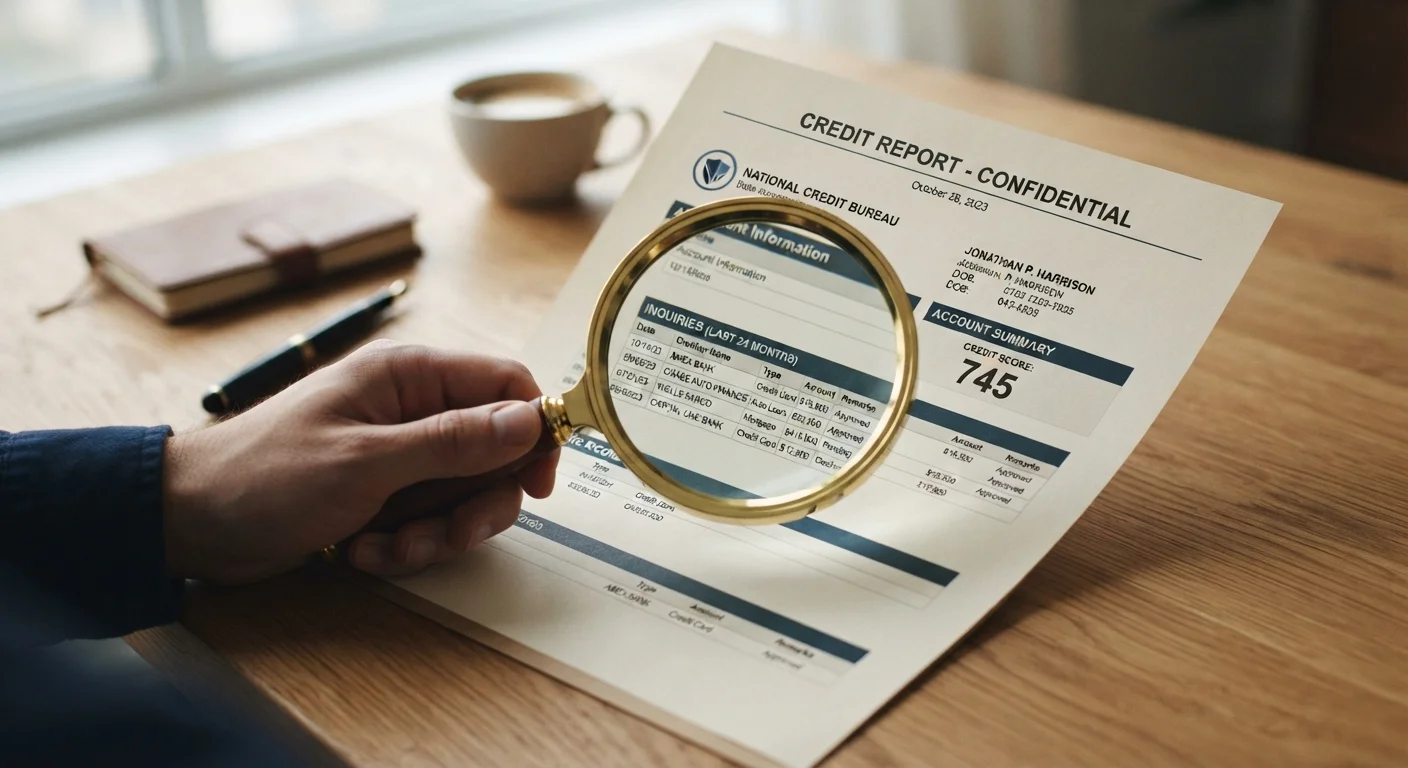

Why Credit Report Errors Are More Common Than You'd Expect
A credit report is the foundation of your financial reputation. Lenders, landlords, and even some employers rely on it to evaluate your reliability. Errors on that report - however they occur - can translate into higher interest rates, rejected loan applications, or a longer road back from financial setbacks. Credit report inaccuracies can stem from data entry mistakes by creditors, mixed files (where another person's information merges with yours), outdated negative items that weren't removed on schedule, or identity theft.
If you're new to understanding how credit works, our introductory guide to debt and credit provides useful context before diving into the dispute process. And if you've noticed unexpected changes on a rental application, credit errors could be a contributing factor - see our piece on common rental application mistakes for related context.
Your Rights Under Federal Law
The Fair Credit Reporting Act (FCRA) gives you the legal right to dispute any information in your credit report that you believe is inaccurate or incomplete. Credit bureaus are legally required to investigate your dispute - typically within 30 days - and correct or remove verified errors. If a dispute is not resolved to your satisfaction, you have the right to add a brief statement of explanation to your file.
What You'll Need Before You Begin
Before submitting a dispute, take time to gather the right materials and understand your baseline. Disputes without supporting documentation are less likely to result in a favorable outcome.
What you will need
AnnualCreditReport.com
The only federally authorized source for free credit reports from Equifax, Experian, and TransUnion.
Bureau Online Dispute Portals
Each major bureau offers a secure online portal to submit, track, and manage disputes in real time.
CFPB Dispute Letter Template
The Consumer Financial Protection Bureau provides sample dispute letter templates for mail-based submissions.
Document Scanner or Smartphone Camera
Used to create clear digital copies of supporting documents to attach to your dispute submission.
Beware of Credit Repair Scams
Some companies charge fees to "fix" your credit report, promising to remove accurate negative information - which is not legally possible. The dispute process described here is free and available to every consumer directly through the bureaus. If a service guarantees outcomes or asks for upfront payment before doing any work, treat it as a serious red flag.
How to Dispute: Step-by-Step
Follow the steps below in order. The process is entirely free, and you do not need to hire a third party to complete it on your behalf.
Obtain Your Credit Reports from All Three Bureaus
Visit AnnualCreditReport.com to request reports from Equifax, Experian, and TransUnion. Federal law entitles every consumer to at least one free report per bureau per year, though additional access may be available depending on current federal provisions. Download and save a copy of each report in PDF format before you begin reviewing.
Review Each Report Line by Line
Work through every section: personal information, account history, public records, and inquiries. Common errors to flag include:
- Your name, address, or Social Security number listed incorrectly
- Accounts you don't recognize (potential fraud or mixed files)
- Late payments reported inaccurately when payments were made on time
- Closed accounts listed as open, or accounts with incorrect balances
- Duplicate entries for the same debt
- Negative items that are older than the legally permitted reporting period (generally seven years)
For a full breakdown of what each section means, see our credit report walkthrough.
Gather Supporting Documentation
For each error you intend to dispute, collect evidence that supports your position. This may include bank statements showing on-time payments, letters confirming account closure, identity theft reports filed with the FTC, or correspondence from the original creditor. Organize documents by error so each dispute submission is clear and focused.
Submit Your Dispute to the Relevant Bureau(s)
You can dispute errors in three ways:
- Online: Use the dispute portal on the bureau's official website - this is typically the fastest method and provides a confirmation number.
- By mail: Send a written dispute letter with copies of your supporting documents. Include your full name, address, and a clear description of each item you're disputing and why. The CFPB offers free sample letter templates on its website.
- Directly with the furnisher: Contact the company that reported the information (your lender or creditor) directly. They are also required to investigate disputes under the FCRA.
Dispute each bureau separately - correcting an error with one bureau does not automatically update the others.
Track the Investigation and Review Results
After receiving your dispute, the bureau has 30 days (or 45 days in certain circumstances) to complete its investigation. You will receive written notification of the outcome. If the investigation confirms the error, the bureau must correct or delete the item and notify the other bureaus if the same information appears in their files. If your dispute is rejected, you can request the reason in writing and consider escalating - either by re-disputing with additional evidence or filing a complaint with the Consumer Financial Protection Bureau (CFPB) at consumerfinance.gov.
Send Dispute Letters by Certified Mail
If disputing by mail, always send your letter via USPS Certified Mail with Return Receipt Requested. This creates a timestamped record proving the bureau received your dispute, which is valuable if you need to escalate later. Keep your original documents - send only copies.
After the Dispute: What Comes Next
Once errors are corrected, monitor your reports periodically to ensure inaccuracies don't reappear - a known issue called "re-aging" or "re-insertion," which is also regulated under the FCRA. If negative items are accurate but simply reflect a difficult period in your financial life, the dispute process won't remove them - but time and responsible credit behavior will. Consider reviewing strategies for rebuilding your credit after a setback as a next step.
This article is for general informational purposes only and does not constitute personalized financial, legal, or credit advice. Consult a qualified financial professional or consumer attorney for guidance specific to your situation.