Where This Myth Comes From
The idea that leaving a small balance on your credit card each month helps your credit score is one of the most persistent myths in personal finance. It spreads through word of mouth, sometimes from well-meaning friends or family who swear it worked for them. The assumption sounds logical on its surface: if you show creditors you're actively using credit and making payments, they'll reward you with a better score.
The problem is that's not how credit scoring models actually work. Both FICO and VantageScore - the two dominant scoring systems used by U.S. lenders - do not distinguish between a balance that was paid in full and a balance that was partially carried over. There is no bonus for carrying revolving debt. Understanding this distinction can save you real money. For a deeper look at how utilization ratios are calculated, see our guide to credit utilization.
The Myths, Corrected
Below are the most common misconceptions surrounding this belief, each paired with an accurate, evidence-based correction.
Myth
Carrying a small balance each month shows lenders you're actively using credit, which boosts your score.
Fact
Scoring models have no mechanism to reward a carried balance. Only reported utilization and payment history matter.
FICO and VantageScore do not track whether you paid in full or carried a balance from month to month. The score is calculated from a snapshot of your credit file at a point in time - it does not read your payment intent or your relationship with the lender. What the model sees is your reported balance relative to your limit. A lower ratio is better, full stop.
Myth
Paying your card off in full every month can actually hurt your score by making it look like you don't use credit.
Fact
Paying in full each month does not suppress your score - it preserves it while eliminating interest costs entirely.
Your card still reports activity every statement cycle even when paid in full. The reported balance reflects your spending during that period, not a zero-balance account gathering dust. Regular activity and on-time payments - both of which happen when you use a card and pay it off - are exactly what scoring models look for. There is no penalty for responsible repayment.
Myth
A utilization rate of zero is bad, so you need some balance showing.
Fact
Very low utilization - including near zero - is generally favorable, not penalized, by major scoring models.
There is nuance here: a completely dormant card with no recent activity for an extended period could eventually be closed by the issuer, which might affect your available credit limit. But that is an issuer policy issue, not a scoring model penalizing zero utilization. Simply using a card occasionally and paying it off keeps the account active without requiring you to carry any balance. The scoring benefit comes from the activity and payment, not the remaining debt.
Myth
This strategy is a well-known credit-building trick recommended by financial experts.
Fact
No credible financial or credit authority recommends carrying a balance to improve scores - it is a myth, not a strategy.
The Consumer Financial Protection Bureau (CFPB) and major credit bureaus consistently advise consumers to pay balances in full and keep utilization low. The "carry a small balance" idea does not appear in guidance from FICO, the bureaus, or licensed credit counselors. Following this myth costs cardholders money in interest charges with no scoring benefit in return. If you're also managing multiple debts, understanding what debt consolidation does and doesn't change can help clarify your options.
What Actually Moves Your Score
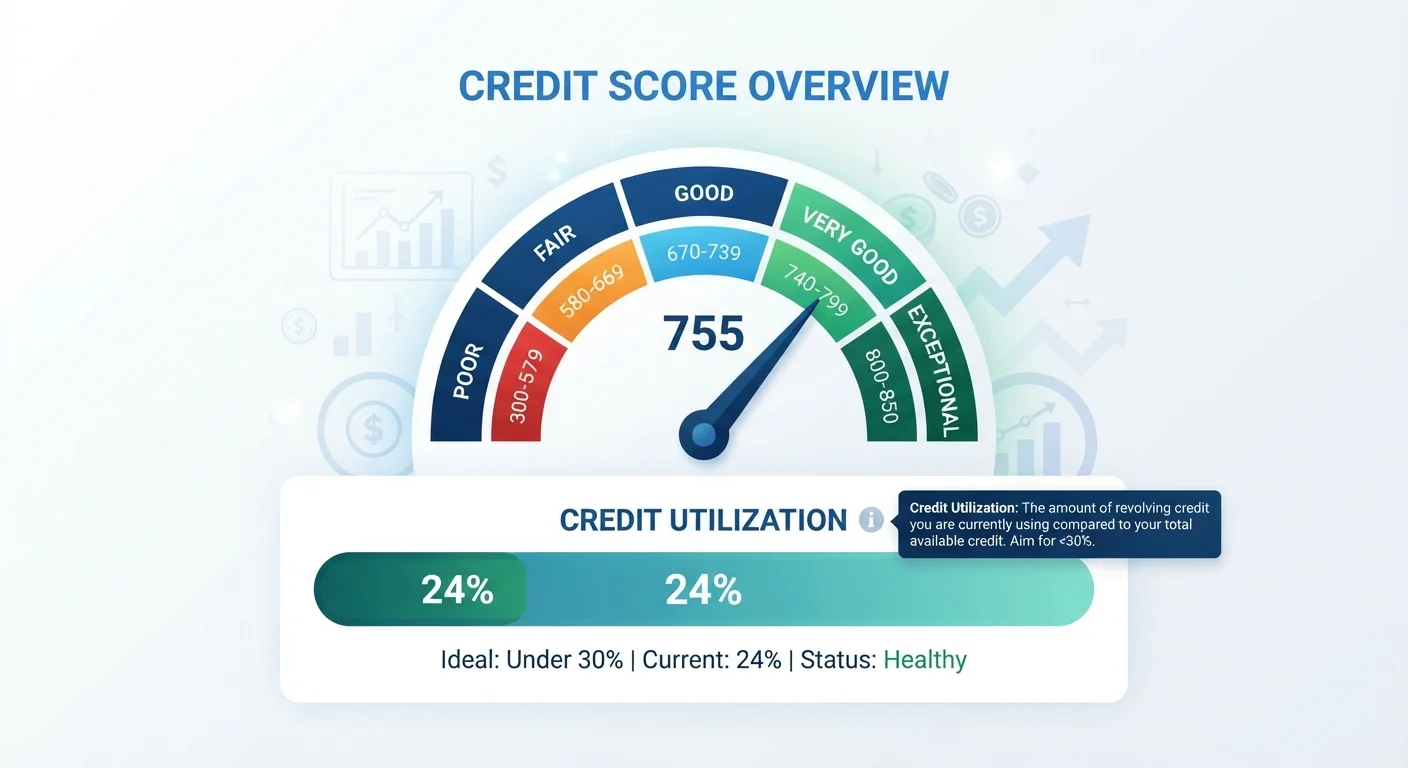
Credit scores are calculated from five broad categories of information. Payment history carries the most weight - roughly 35% under FICO's model - followed by amounts owed (which includes utilization) at about 30%. The remaining factors are length of credit history, credit mix, and new credit inquiries.
~30%
Weight of amounts owed in FICO score
According to FICO's published scoring criteria, the amounts-owed category - which includes credit utilization - accounts for approximately 30% of a FICO score.
<30%
Utilization threshold commonly cited as favorable
Credit bureaus and financial educators generally advise keeping credit utilization below 30% per card and overall, with lower ratios typically associated with higher scores.
Carrying a balance affects the amounts-owed category negatively, not positively. Lenders report your balance to the bureaus on your statement closing date, not after you pay. So if your statement closes with a $500 balance on a $1,000 limit, your reported utilization is 50% - regardless of whether you then pay it in full the next day. Keeping reported balances low, ideally under 30% and ideally lower still, is what scoring models reward. Habits that seem minor but quietly affect this ratio over time are worth examining - some common patterns damage scores gradually without cardholders realizing it.
Carrying a Balance Only Costs You Money
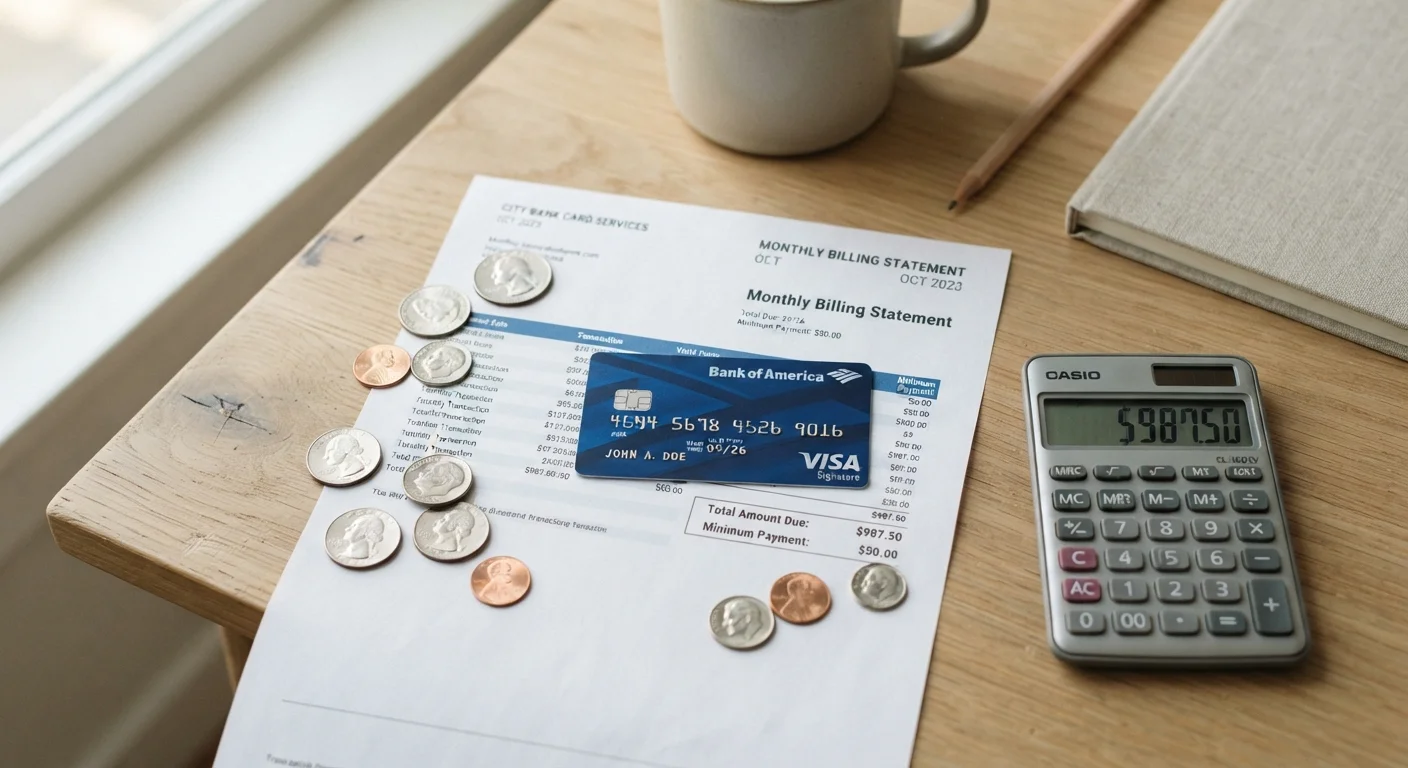
There is no credit score benefit to paying interest. If you carry a $200 balance on a card with a 24% APR, you're paying roughly $4 per month in interest charges - with zero positive effect on your score. The myth is not just harmless folklore; it has a real dollar cost for anyone who believes it.
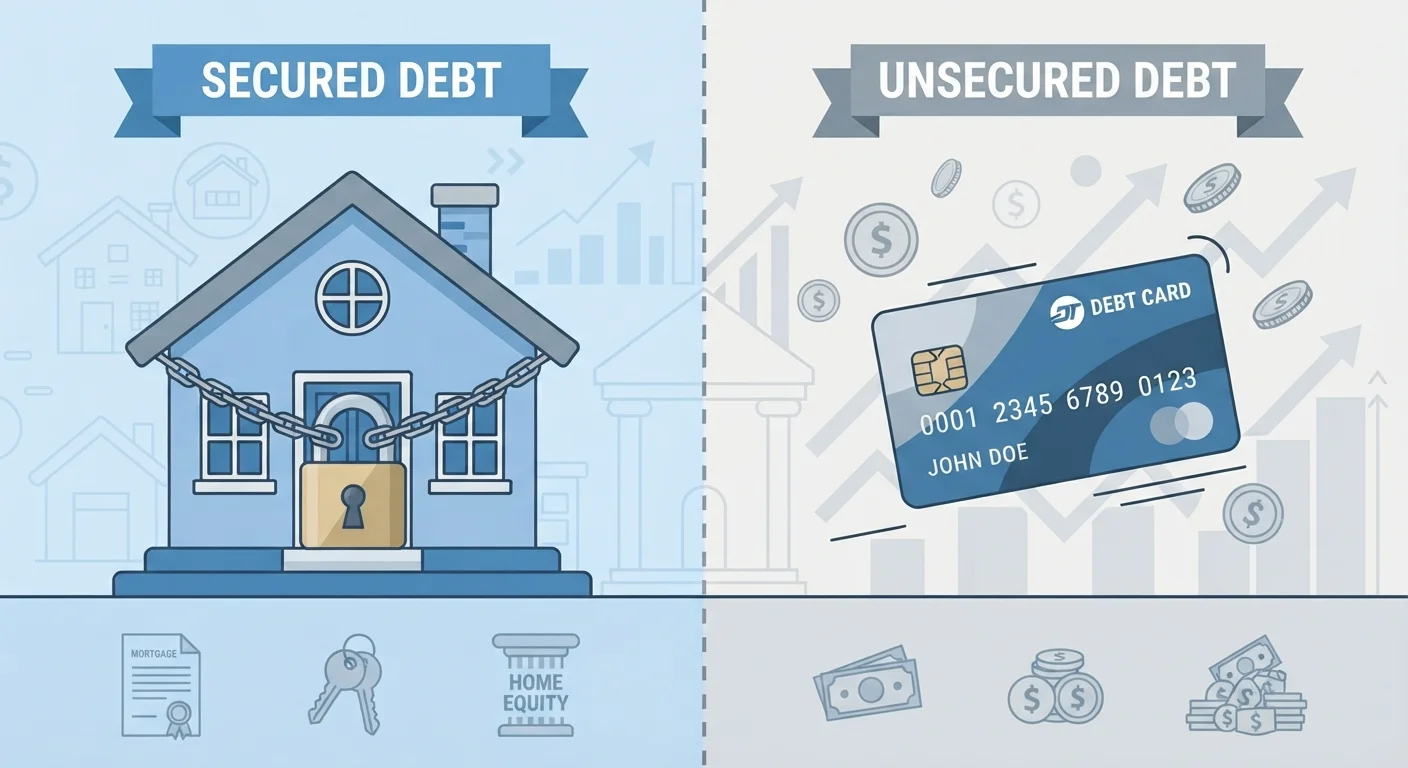
If you're managing multiple balances across cards or loans, it also helps to understand the structural difference between debt types. Secured and unsecured debt carry different risks, and that distinction shapes both your score and your financial exposure when hardship hits.
This article provides general financial education and is not personalized financial or credit advice. Consult a qualified financial professional for guidance specific to your situation.