Why Credit Damage Often Goes Unnoticed
Most people know that defaulting on a loan or filing for bankruptcy will hurt their credit. What surprises many consumers is that a collection of ordinary-looking habits-none dramatic on their own-can steadily erode a score over months or years. Understanding the mechanics behind your score is the first step to protecting it. For a solid foundation, see our introductory guide to credit and debt.
FICO scores, used by the vast majority of lenders, weigh five factors: payment history (35%), amounts owed (30%), length of credit history (15%), new credit (10%), and credit mix (10%). The patterns below quietly attack more than one of these categories at once.
Closing old or unused credit cards to simplify finances.
Why it happens: Unused cards feel wasteful or risky, so consumers close them thinking it tidies up their financial profile.
Applying for multiple new credit accounts within a short period.
Why it happens: Rate shopping or taking advantage of store financing offers can lead to several applications in quick succession, each triggering a hard inquiry.
Concentrating debt on one card while leaving others untouched.
Why it happens: Consumers often use a single rewards card for everything and carry its balance, without realizing per-card utilization is scored independently.
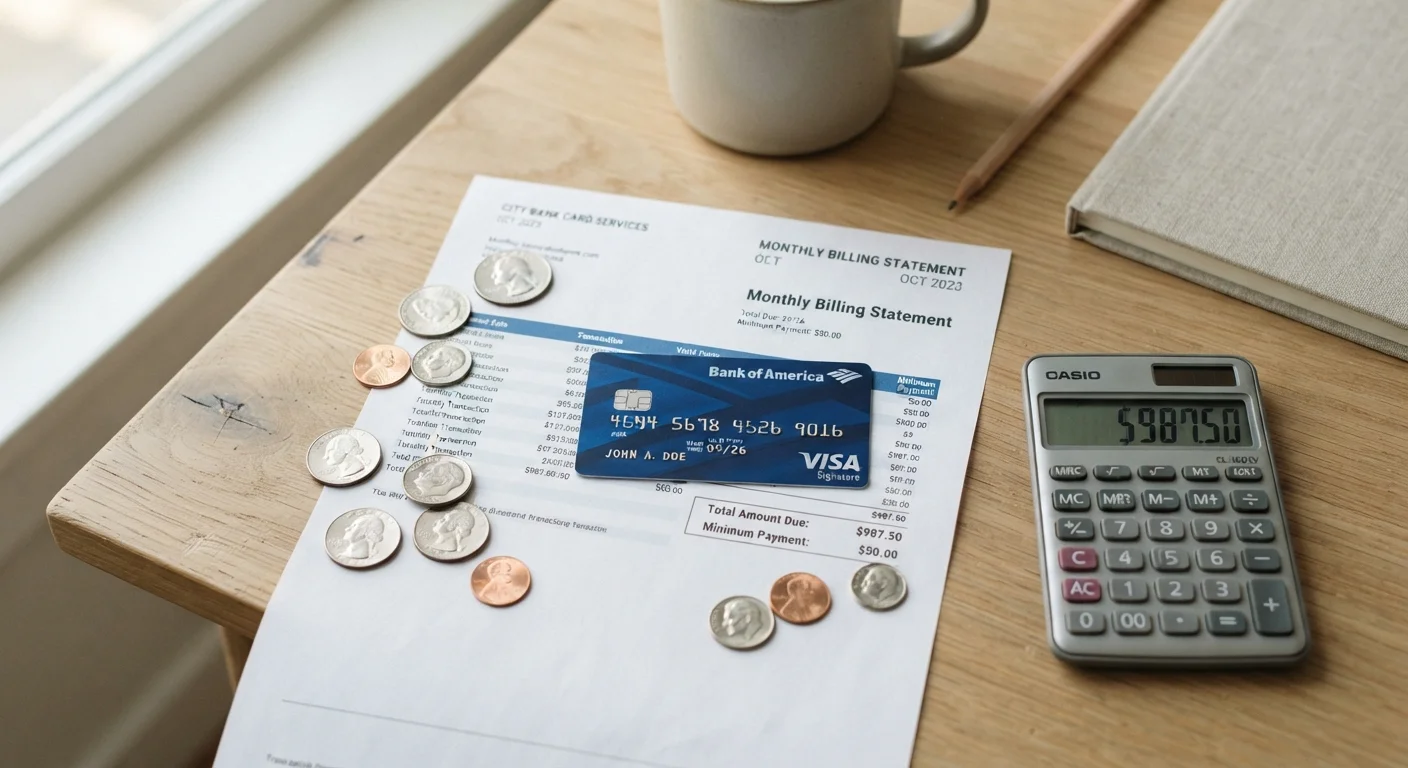
Making only minimum payments month after month.
Why it happens: Minimum payments are presented as meeting the obligation, so many cardholders treat them as sufficient rather than as a costly baseline.
Letting a small bill go to collections due to inattention.
Why it happens: A forgotten medical copay, gym membership, or subscription service can slip past a consumer and eventually be sold to a collections agency.
The Utilization Trap Most Cardholders Miss
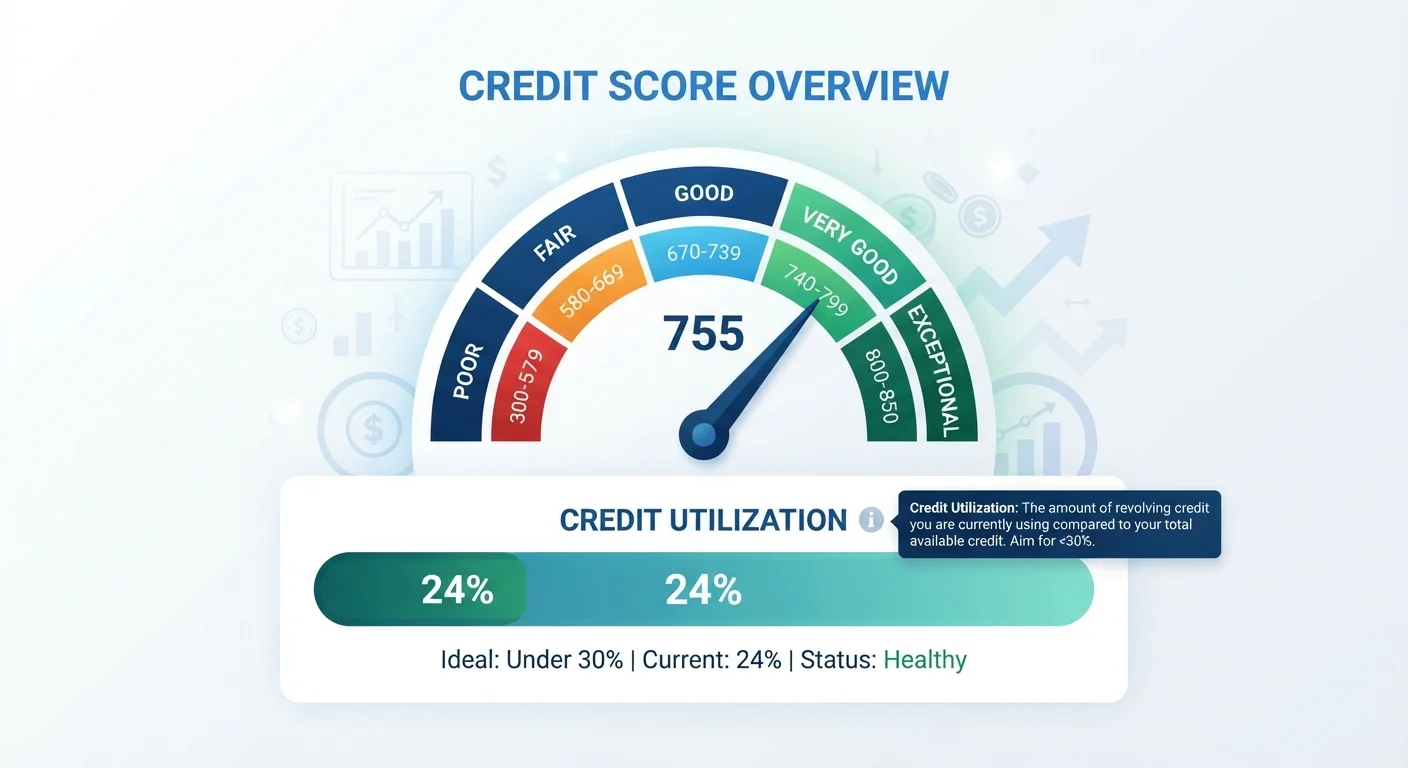
Credit utilization-the percentage of your available revolving credit you're currently using-is one of the fastest-moving inputs in your score calculation. Most scoring models penalize utilization above roughly 30%, but the damage isn't limited to your overall ratio. Each individual card is also evaluated separately.
Carrying a high balance on a single card can hurt your score even if your other cards are empty and your overall utilization looks fine. For a precise breakdown of how individual and aggregate utilization interact, read our guide to credit utilization.
There is also a persistent myth that keeping a small balance demonstrates responsible use. It doesn't. Our article on why carrying a small balance doesn't help your score explains why paying in full is always the better move.
Per-Card Utilization Is Scored Separately
A common oversight is focusing only on overall utilization while ignoring individual card balances. Maxing out one card can hurt your score even if your total balance across all cards looks low. Check each card's individual ratio, not just the combined figure.
Patterns to Recognize and Reverse
The mistakes below represent the most common behavioral patterns that damage scores gradually. Each has a logical explanation for why people fall into it-and a clear path out.
35%
Weight of payment history in FICO scores
According to FICO's published scoring model breakdown, payment history is the single largest factor influencing your credit score.
7 years
How long a late payment stays on your report
Under the Fair Credit Reporting Act, most negative items, including late payments, can remain on a consumer's credit report for up to seven years.
30%
Utilization threshold commonly cited by credit experts
Consumer finance educators and credit bureaus broadly advise keeping credit utilization below 30% on each card and overall to avoid score penalties.
If a financial setback has already pushed your score lower, recovery is possible. See our practical guide to rebuilding credit after a major setback for realistic next steps.
One Missed Payment Can Linger for Seven Years
A single payment that goes 30 or more days past due is reportable to the credit bureaus and can cause a significant score drop. Under the Fair Credit Reporting Act, that mark can remain on your credit report for up to seven years. Automated payments set to at least the minimum due are one of the simplest protections against this risk.
This article is for general informational and educational purposes only and does not constitute personalized financial or credit advice. Consider consulting a qualified financial professional for guidance specific to your situation.