Why Meal Planning Actually Works
Meal planning isn't about rigid control or perfect nutrition scoring - it's about reducing the number of food decisions you have to make under pressure. Most people don't eat poorly because they lack knowledge; they eat poorly because by 6 p.m. on a Tuesday, they're tired, hungry, and defaulting to the easiest available option.
Planning ahead shifts those decisions to a calm moment - usually the weekend - when you have time and mental bandwidth. This simple structural change makes a meaningful difference in what ends up on your plate across the week.
Research in behavioral nutrition consistently shows that environments and systems shape food choices more than willpower does. A stocked fridge with prepped ingredients is a more reliable path to eating well than relying on motivation after a long day. Meal planning builds that environment intentionally.
This Is Guidance, Not a Diet Plan
This article offers general education about meal planning as a practical habit - it is not personalized nutrition or medical advice. Individual dietary needs vary widely based on health conditions, medications, age, and other factors. If you have specific health concerns or dietary restrictions, consult a registered dietitian or your healthcare provider before making significant changes to how you eat.
It also pairs well with other habits. If you're interested in exploring more plant-forward options as part of your weekly rotation, plant-based eating as a starter framework offers a practical, non-prescriptive introduction.
What You'll Need to Get Started
The barrier to meal planning is lower than most people expect. You don't need a special app, a subscription meal service, or culinary training. The core tools are minimal:
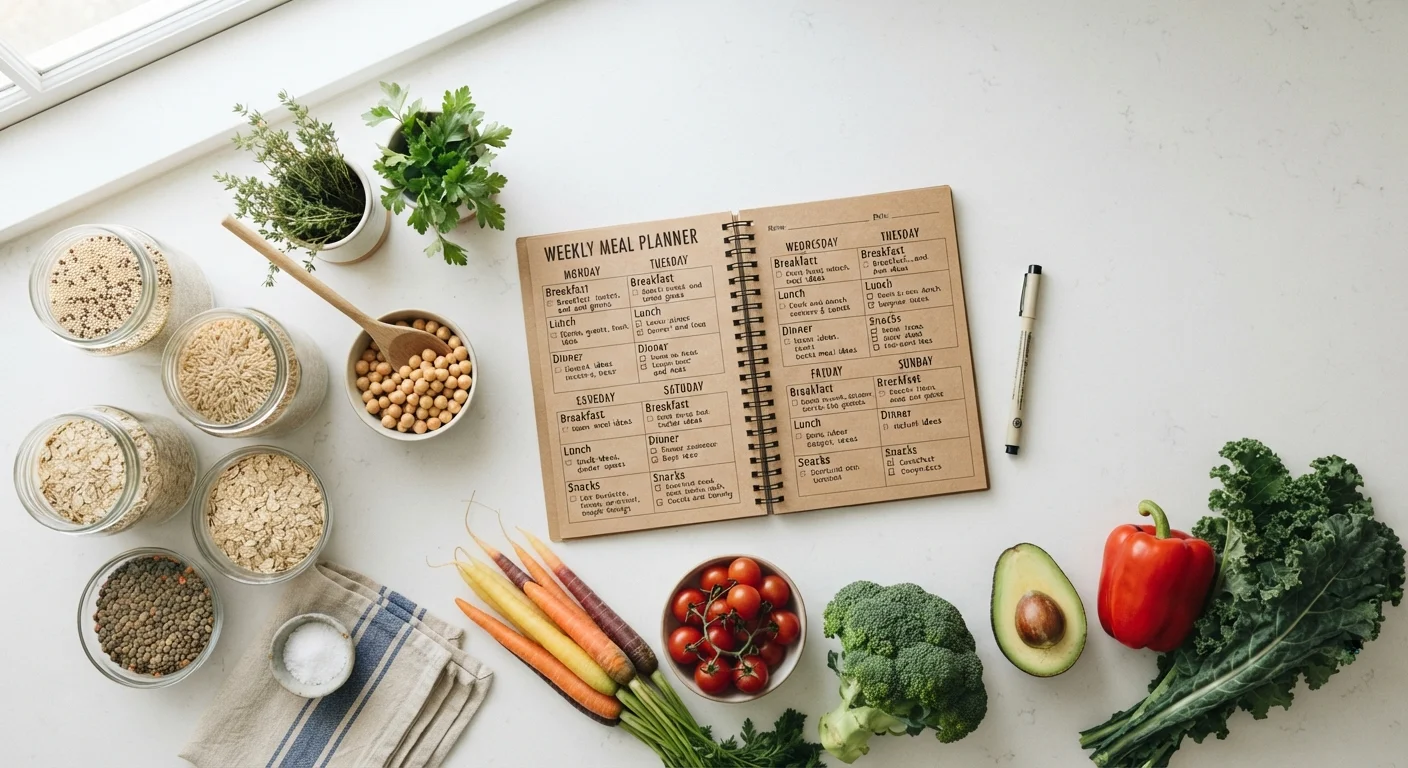
Weekly planner or calendar
Map out the week's dinners and any other meals you intend to plan in advance.
Grocery list (paper or app)
Translate your meal plan into a consolidated shopping list organized by store section.
Food storage containers
Store batch-prepped ingredients or pre-portioned meals safely in the fridge or freezer.
Kitchen scale or measuring cups
Useful for portioning ingredients when batch cooking, especially grains and proteins.
What you will need
With these basics in place, the steps below will walk you through building your first practical weekly plan.
Build a Rotating List of Go-To Meals
Keep a short list of eight to ten meals your household reliably enjoys and knows how to make. Rotate these regularly rather than searching for new recipes every week. This dramatically reduces planning time and grocery complexity, and it's perfectly fine to repeat favorites.
Step-by-Step: How to Plan Your Week of Meals
Don't Overplan Your First Week
A common mistake is building an overly ambitious first plan - seven dinners from scratch, new recipes every night, elaborate lunches. This sets up burnout by Wednesday. Start small: plan three to four dinners, keep other meals simple, and expand from there as the habit takes hold.
Review your week before you plan
Look at your upcoming schedule before writing a single meal down. Identify nights when you'll be home late, evenings with commitments, and any meals you'll eat out. A meal plan that ignores your real week will fall apart by Tuesday.
For busy nights, assign quick meals (20 minutes or less) or planned leftovers. For free evenings, that's where a slightly more involved recipe fits naturally.
Choose your meals, starting with dinners
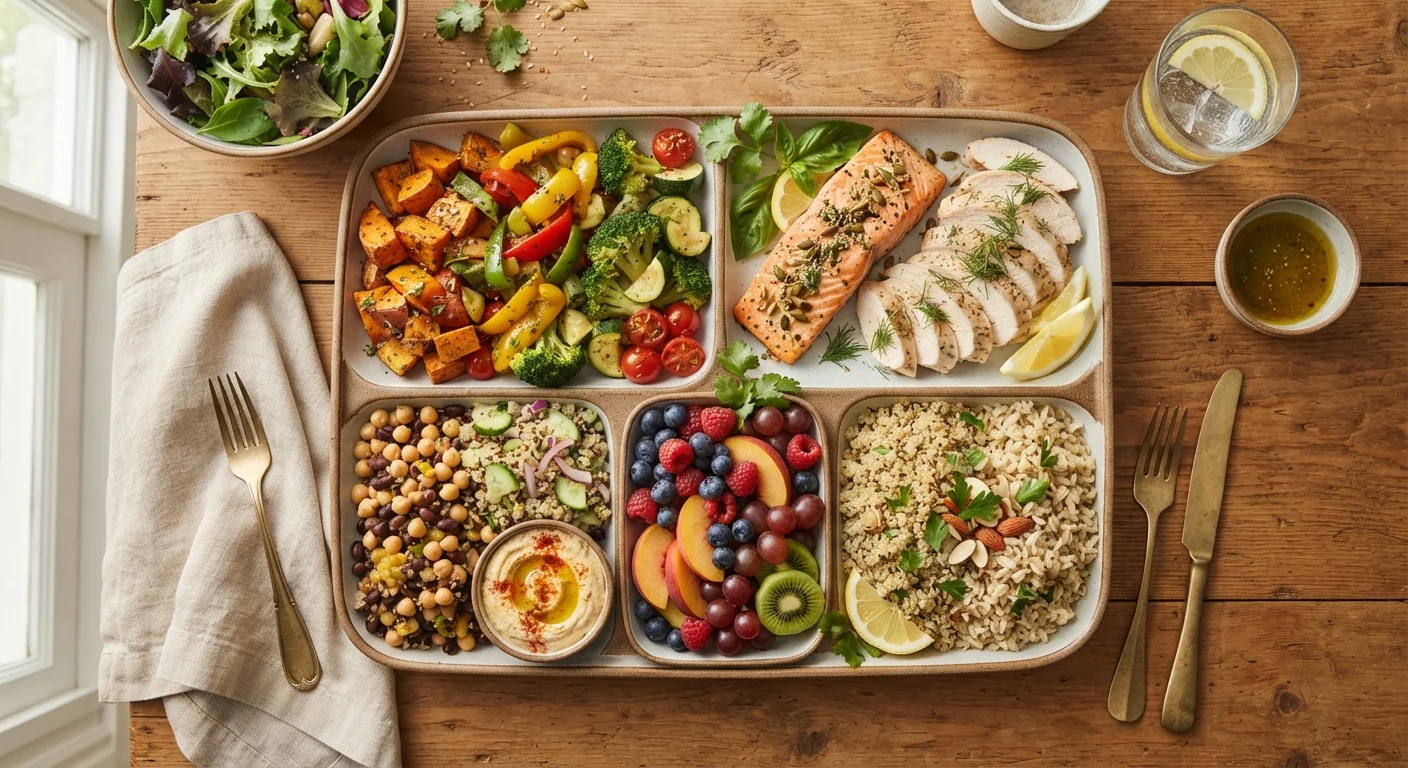
Dinner is typically the most effortful meal, so plan it first. Aim for variety across proteins (beans, fish, poultry, eggs), and include at least a couple of plant-forward options. You don't need elaborate recipes - a grain bowl with roasted vegetables is a complete, nutritious dinner.
Once dinners are set, consider whether you need to plan lunches. Many people do fine with leftovers from the night before, which also reduces cooking time overall. For a deeper look at building balanced meals, see a weekly eating audit.
Build your grocery list from the plan
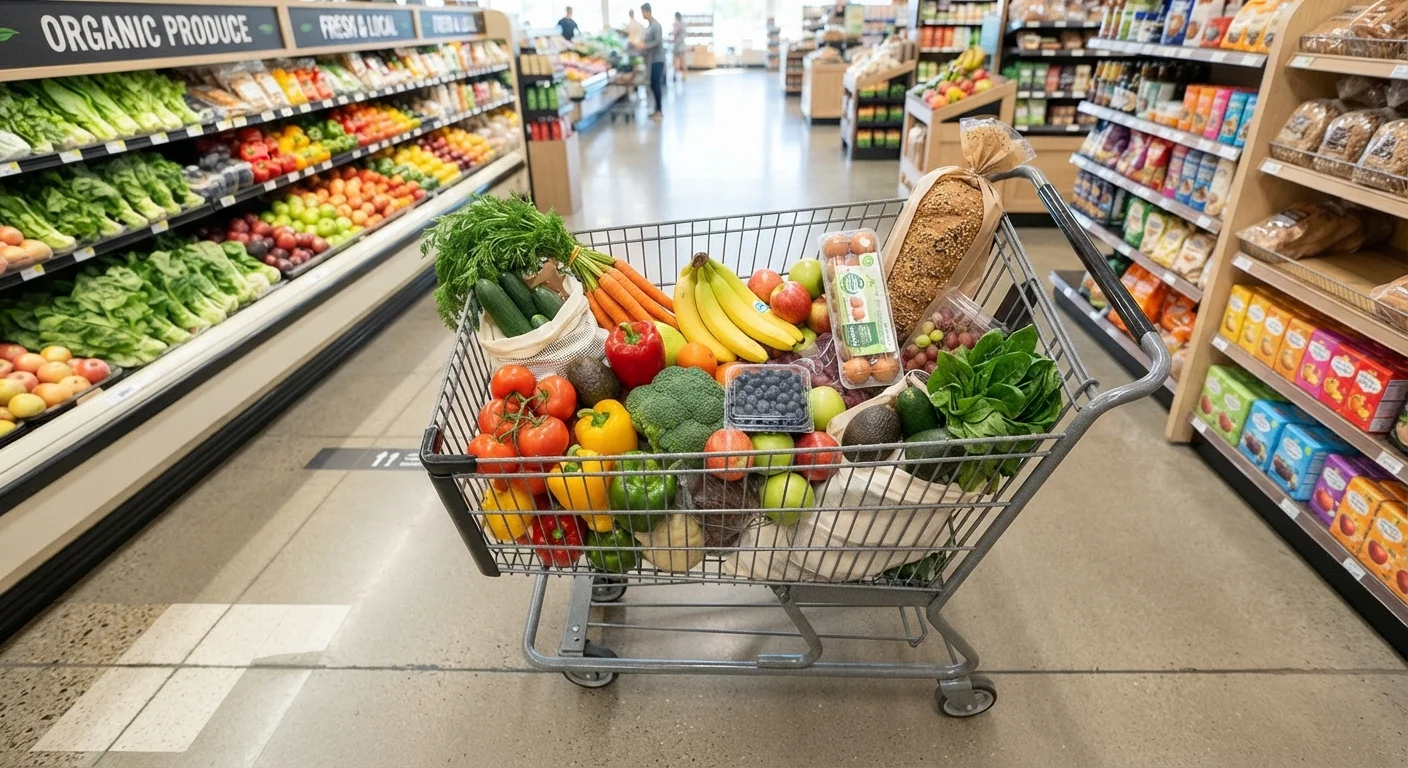
Go through each planned meal and list every ingredient you'll need. Then cross-reference against what you already have. Group the final list by store section - produce, proteins, pantry staples, dairy - to make shopping faster and more efficient.
A plan-based list also reduces impulse buying and cuts food waste significantly, since you're buying with purpose rather than browsing. For more on navigating the store strategically, smart grocery shopping habits are worth building alongside your planning routine.
Do a short batch-prep session
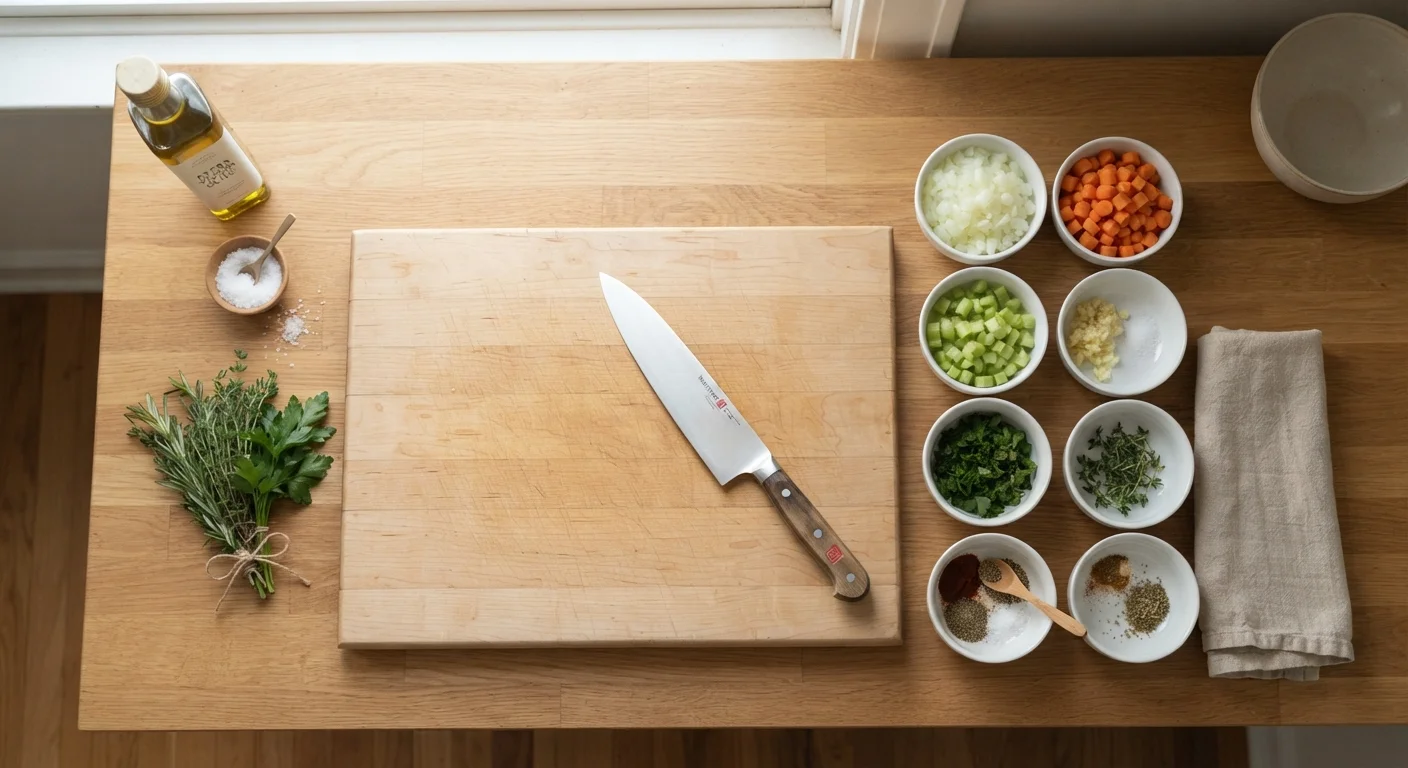
After shopping, spend 30-45 minutes prepping a few foundational ingredients: cook a pot of grains (brown rice, farro, or quinoa), roast a sheet pan of vegetables, and wash and chop any produce you'll use early in the week. These components can anchor multiple meals.
This approach - having ready ingredients rather than fully cooked meals - gives you flexibility. A scoop of cooked rice works in a stir-fry Tuesday and a grain bowl Thursday. The mise en place habit from professional kitchens applies beautifully to home batch prep.
Reflect and adjust each week
At the end of the week, take two minutes to notice what worked and what didn't. Did a recipe take much longer than expected? Was there a night when the plan completely fell apart? Use that information to adjust next week's plan rather than abandoning the habit altogether.
Meal planning improves with iteration. After four or five weeks, you'll have a working template that reflects your actual life - not an idealized version of it.
Once the habit is established, you can expand your planning to include breakfasts, snacks, or more detailed nutritional variety. For a structured framework, the weekly meal planning checklist walks through how to ensure your plan covers key food groups and limits nutritional gaps.