What These Eating Patterns Actually Mean
The word "diet" often implies short-term restriction, but these approaches are better understood as eating patterns - sustained ways of choosing and combining food. Here's a plain-language breakdown of four of the most widely discussed:
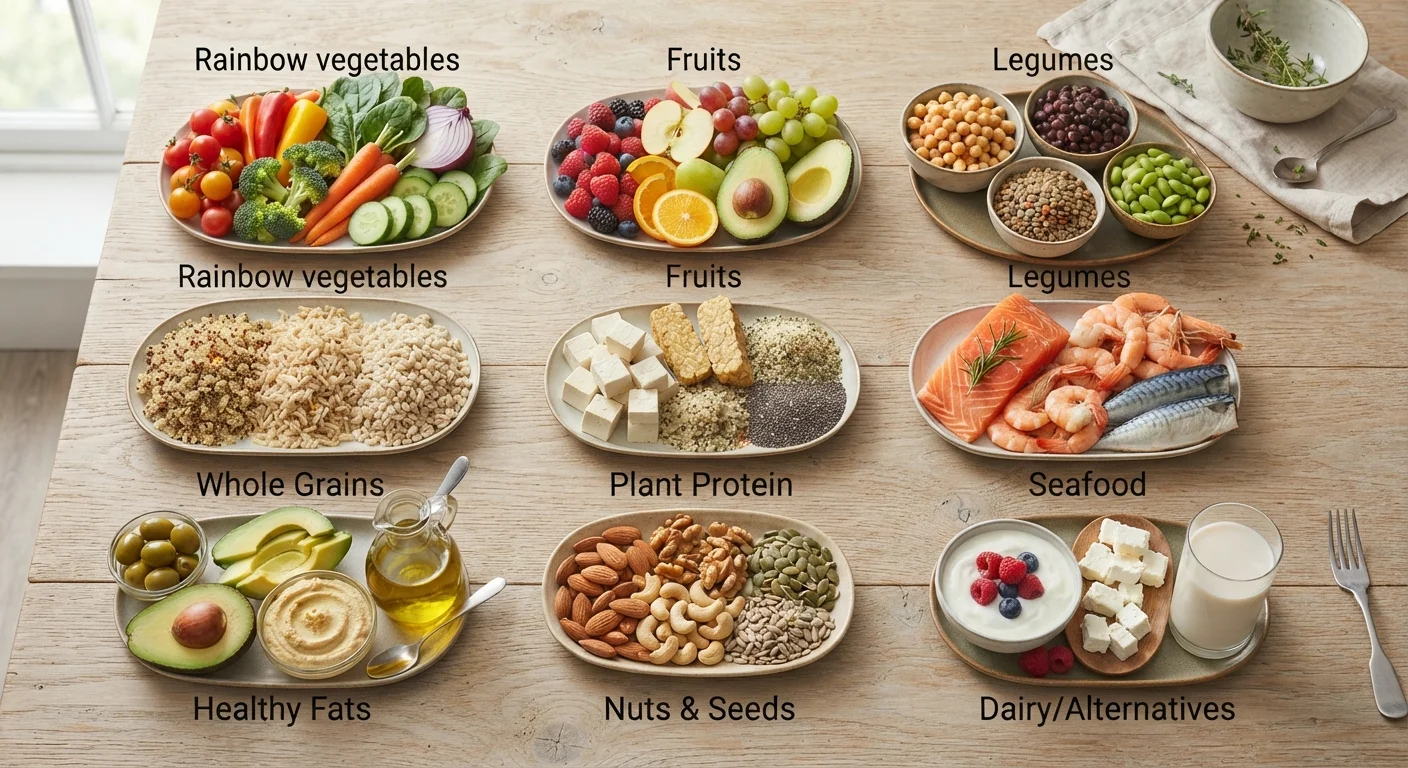
- Mediterranean diet: Emphasizes vegetables, fruits, whole grains, legumes, nuts, olive oil, and fish. Red meat and processed foods appear rarely. It's less a rulebook and more a regional food culture with decades of research behind it.
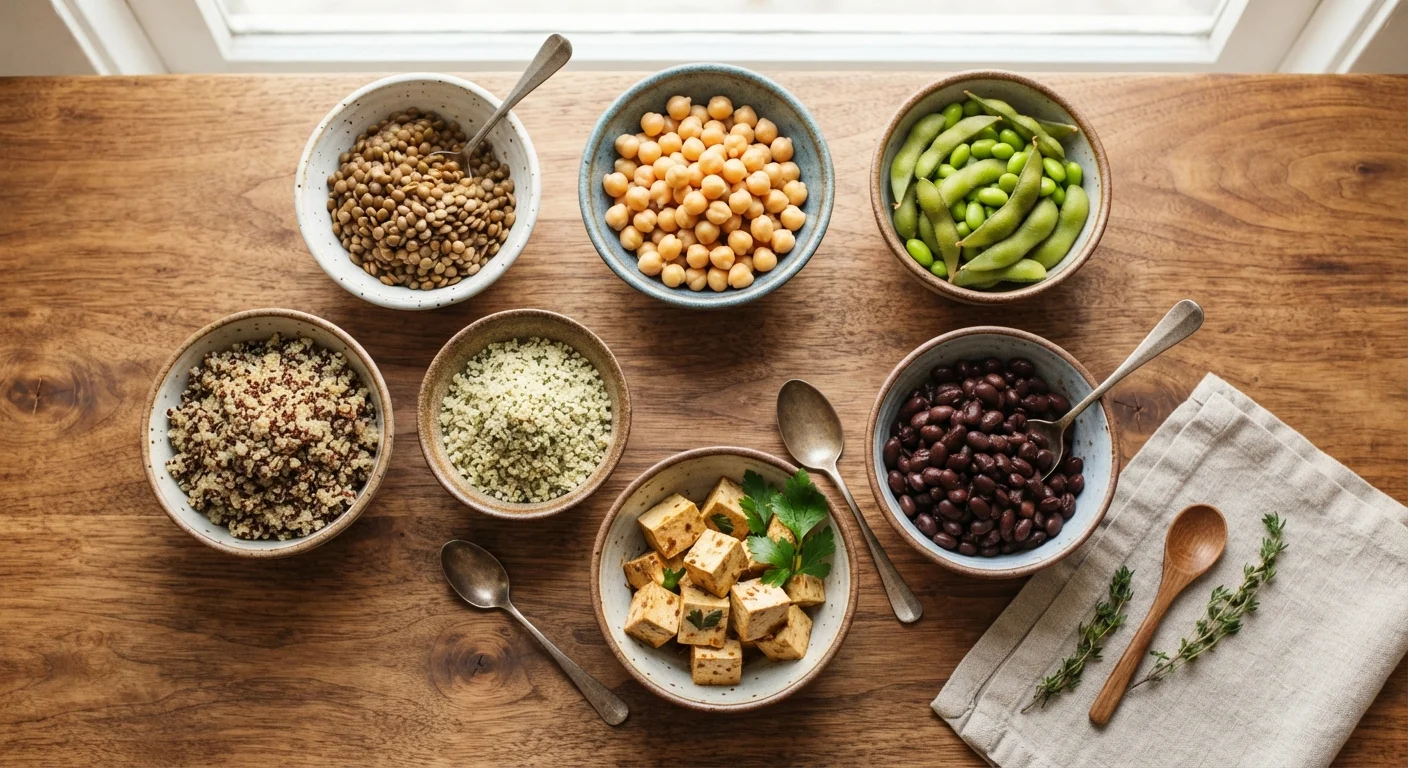
- Plant-based diet: Ranges from fully vegan (no animal products) to flexitarian (mostly plants, with occasional meat or dairy). The core focus is building meals around vegetables, legumes, whole grains, and nuts.
- Low-carb diet: Reduces carbohydrate intake - usually targeting refined grains and sugars - in favor of protein and fat. The ketogenic (keto) diet is the most restrictive version, limiting carbs to roughly 20-50 grams daily.
- DASH diet: Stands for Dietary Approaches to Stop Hypertension. Designed to support healthy blood pressure, it emphasizes potassium, calcium, and magnesium-rich foods while limiting sodium and saturated fat.
For a deeper look at how popular diet narratives sometimes contradict each other, see why popular diets often clash.
How They Compare Across Key Criteria
Understanding these patterns side-by-side helps cut through the noise. The table below reflects general characteristics - individual variation always applies.
| Mediterranean | Plant-Based | Low-Carb / Keto | DASH | |
|---|---|---|---|---|
| Core focus | Whole foods, olive oil, fish | Vegetables, legumes, grains | Fat and protein over carbs | Low sodium, nutrient-dense foods |
| Animal products allowed? | Yes - mainly fish, some dairy | No (vegan) or limited (flexitarian) | Yes - often emphasized | Yes - lean meats and dairy |
| Ease of following long-term | High - flexible and varied | Moderate - requires planning | Low to moderate - restrictive | High - practical and adaptable |
| Strength of research backing | Very strong (long-term trials) | Strong for whole-food versions | Moderate (mostly short-term) | Strong for blood pressure outcomes |
| Key nutritional considerations | Well-balanced overall | Watch B12, iron, zinc, omega-3s | Watch fiber and micronutrients | Watch potassium and calcium intake |
| May suit those with... | Cardiovascular health goals | Environmental or ethical priorities | Blood sugar management goals | High blood pressure concerns |
A recurring theme: patterns with the most research support tend to be the least restrictive and most sustainable over time. Rigidity often predicts abandonment, which undermines any potential benefit.
Start With the Overlap, Not the Differences
If you're unsure which pattern suits you, begin with what nearly all of them agree on: eat more vegetables, choose whole grains over refined ones, and reduce ultra-processed foods. That foundation alone delivers meaningful nutritional benefit. From there, personal preference, health goals, and a conversation with a dietitian can help you refine further.
The Evidence Behind Each Approach
Research quality varies significantly across eating patterns, and it's worth knowing what the evidence actually shows rather than what headlines claim.
Mediterranean Diet
This pattern has some of the most robust long-term data. Large observational studies and clinical trials associate it with lower rates of cardiovascular disease, type 2 diabetes, and cognitive decline. The landmark PREDIMED trial (conducted in Spain) found that a Mediterranean diet supplemented with olive oil or nuts reduced major cardiovascular events compared to a low-fat diet. Importantly, the benefits appear to come from the overall pattern, not any single food.
Plant-Based Diets
Research links plant-rich diets to lower risks of heart disease, certain cancers, and type 2 diabetes. However, poorly planned versions can fall short on vitamin B12, iron, zinc, calcium, omega-3 fatty acids, and complete protein. Plant-based protein sources vary considerably in amino acid profiles, so variety matters. Supplementation - particularly B12 for vegans - is often necessary.
Low-Carb and Ketogenic Diets
Short-term studies show low-carb diets can reduce blood sugar, triglycerides, and appetite-driving hormones. They're sometimes used clinically for epilepsy management and are studied for type 2 diabetes. However, long-term cardiovascular effects depend heavily on what replaces the carbohydrates - replacing refined carbs with vegetables and fish looks different nutritionally than replacing them with processed meats. Evidence on longevity outcomes remains limited.
DASH Diet
Originally developed to address hypertension, DASH has strong clinical trial evidence for lowering blood pressure. It's also associated with improved cholesterol levels and is frequently recommended by cardiologists and registered dietitians as a practical, sustainable framework.
~25%
Cardiovascular event risk reduction
The PREDIMED trial found roughly a 25-30% relative reduction in major cardiovascular events among those following a Mediterranean diet with olive oil or nuts.
16 mmHg
Average systolic blood pressure drop
Early clinical trials on the DASH diet found systolic blood pressure reductions of up to 16 mmHg in people with hypertension, according to NHLBI-funded research.
Common Ground - and Common Pitfalls
Despite their differences, most well-studied eating patterns agree on a few core principles: prioritize whole, minimally processed foods; eat plenty of vegetables; limit added sugar and ultra-processed products. The disagreements tend to be at the margins - how much fat, which carbs, whether animal protein belongs at all.
A common pitfall is following the label rather than the principle. A vegan diet built on refined starches and plant-based junk food doesn't carry the same benefits as one centered on legumes, greens, and whole grains. Similarly, a low-carb diet heavy in processed meats is a different nutritional reality than one built around eggs, fish, nuts, and non-starchy vegetables.
It's also worth keeping perspective on what habits quietly chip away at nutritional quality - common eating habits that undermine nutrition are often more influential than which named diet you follow.
Restrictive Patterns Aren't Right for Everyone
Highly restrictive eating patterns - including strict keto and fully vegan diets - can carry nutritional risks if not carefully planned. People who are pregnant, nursing, have a history of disordered eating, or manage chronic conditions should consult a registered dietitian or physician before making major dietary changes. General guidance found online, including in this article, is not a substitute for individualized care.
For a broader reset on nutrition confusion, our nutrition myths fact-check addresses many persistent misconceptions head-on.
This article provides general nutritional information and education. It is not a substitute for personalized advice from a registered dietitian, physician, or other qualified healthcare professional. Individuals with specific health conditions should consult a qualified provider before making significant dietary changes.