Why Mulching Is More Than a Finishing Touch
Many gardeners spread mulch mainly for looks, but its real value runs deeper - literally. A well-chosen mulch layer moderates soil temperature, slows moisture evaporation, suppresses weeds, and as it breaks down, feeds the soil food web. Done poorly, however, mulching can waterlog roots, harbor pests, and create conditions that harm the very plants it's meant to protect.
Understanding a few core principles before you buy a single bag - or a truckload - will save you time, money, and replanting headaches. This guide covers the three variables that determine mulching success: material, depth, and timing.
“Mulch is one of the best tools a gardener has - it moderates temperature extremes, conserves moisture, and slowly builds soil organic matter. The key is applying it correctly, because too much can be just as harmful as too little.”
— Linda Chalker-Scott, Extension Urban Horticulturalist, Washington State University
Choosing the Right Mulch Material
Mulches fall into two broad categories: organic (derived from plant or animal matter) and inorganic (gravel, landscape fabric, rubber). Organic mulches decompose, adding nutrients and improving soil structure; inorganic options are longer-lasting but offer no fertility benefit.
Wood Chips
Wood chips are ideal for trees, shrubs, and perennial beds. They break down slowly, suppress weeds effectively, and retain moisture well. Aged or composted wood chips are preferable to fresh chips near vegetable beds, since fresh chips can temporarily tie up nitrogen as they decompose.
Shredded Bark
Shredded bark stays in place better than chips on slopes, making it a practical choice for hillside plantings or areas with wind exposure. It also breaks down more slowly than finer wood products.
Straw
Straw - not hay, which carries weed seeds - is the go-to mulch for vegetable gardens. It's lightweight, lets water and air through easily, and is simple to move aside when replanting. It decomposes within one season, which aligns well with annual planting cycles.
Compost
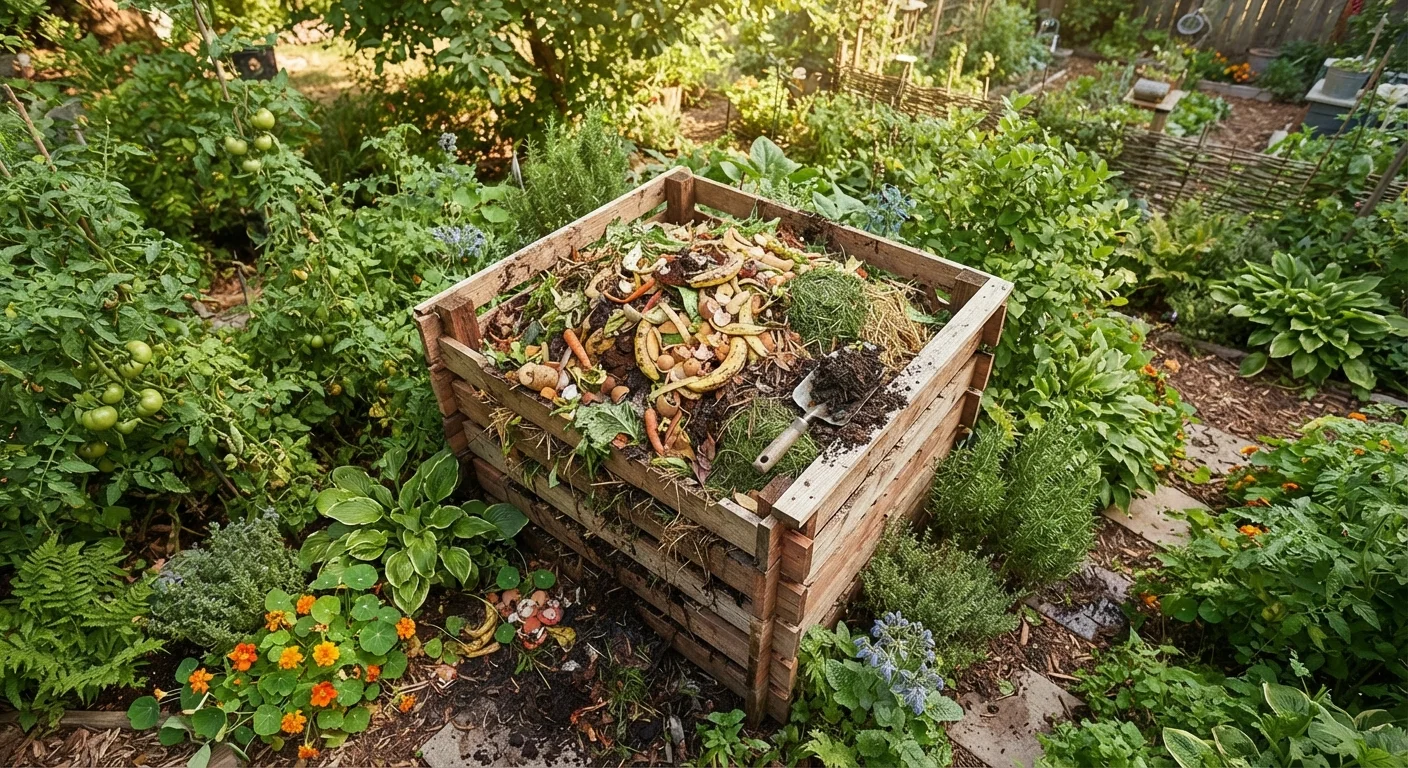
A 1-2 inch layer of finished compost serves double duty as both mulch and soil amendment. Pair it with a coarser mulch on top to slow evaporation. For a detailed guide on producing your own, see composting at home.
Fresh Wood Chips: A Quick Note on Nitrogen
Fresh, uncomposted wood chips can temporarily reduce available nitrogen near the soil surface as soil microbes work to break them down. This effect is most pronounced if chips are tilled into soil - it's much less of a concern when chips are left as a surface mulch. If in doubt, age your chips for a few months before use or top-dress with a thin layer of compost underneath.
Getting Depth Right
Depth is where most mulching mistakes happen. The general guideline is 2-4 inches for most organic mulches. Here's how to think about it:
- Fine-textured mulches (shredded leaves, compost): 1-2 inches. Fine material compacts and can restrict airflow if applied too deep.
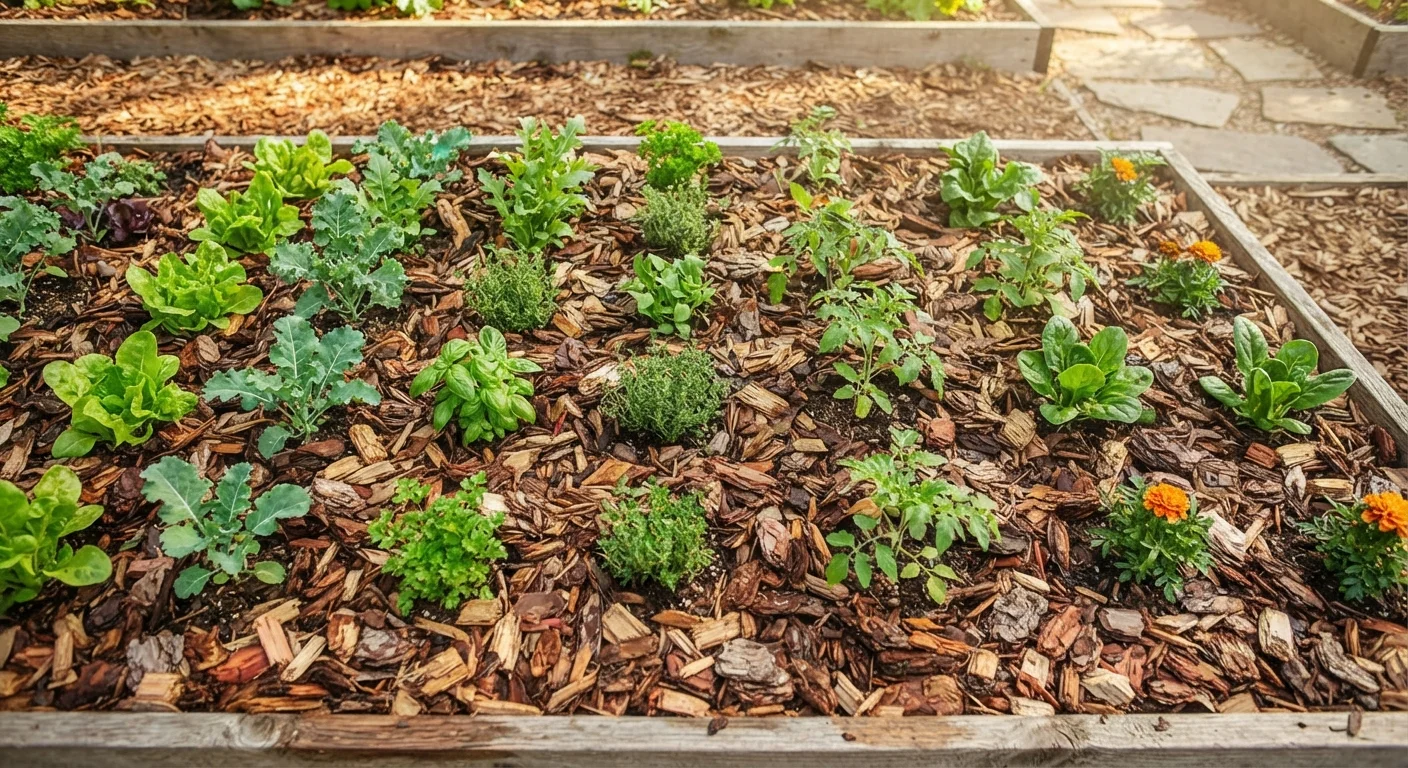
- Medium-textured mulches (wood chips, shredded bark): 2-3 inches. This is the sweet spot for most landscape beds.
- Coarse mulches (large wood chunks, pine nuggets): up to 4 inches. Larger pieces allow more air circulation even at greater depth.
Crucially, keep mulch 2-3 inches away from plant stems and at least 6 inches from tree trunks. Piling mulch against woody tissue - sometimes called "volcano mulching" - traps moisture, promotes fungal disease, and can rot the cambium layer beneath the bark.
25-50%
Reduction in soil moisture loss with mulch
Research from cooperative extension programs consistently finds that a proper mulch layer can cut surface evaporation by up to half in warm conditions.
70-90%
Weed seed germination suppressed
A 3-inch organic mulch layer blocks most weed seed germination by reducing the light exposure needed to trigger sprouting, according to university extension resources.
Timing Your Application for Maximum Effect
When you mulch is nearly as important as how. Two windows tend to produce the best results:
Spring (after soil warms)
Apply mulch after the soil has had a chance to warm up in spring - typically once nighttime temperatures are consistently above 40°F in your region. Mulching too early traps cold soil and delays plant root activity. This is the best window for weed suppression before summer annuals germinate.
Late Fall (before hard frost)
A fresh mulch layer applied in late fall insulates perennial roots through freeze-thaw cycles and reduces frost heaving - the process where repeated freezing and thawing pushes plant roots out of the ground. Wait until after the first hard frost so you don't insulate soil warmth that encourages late-season pest activity.
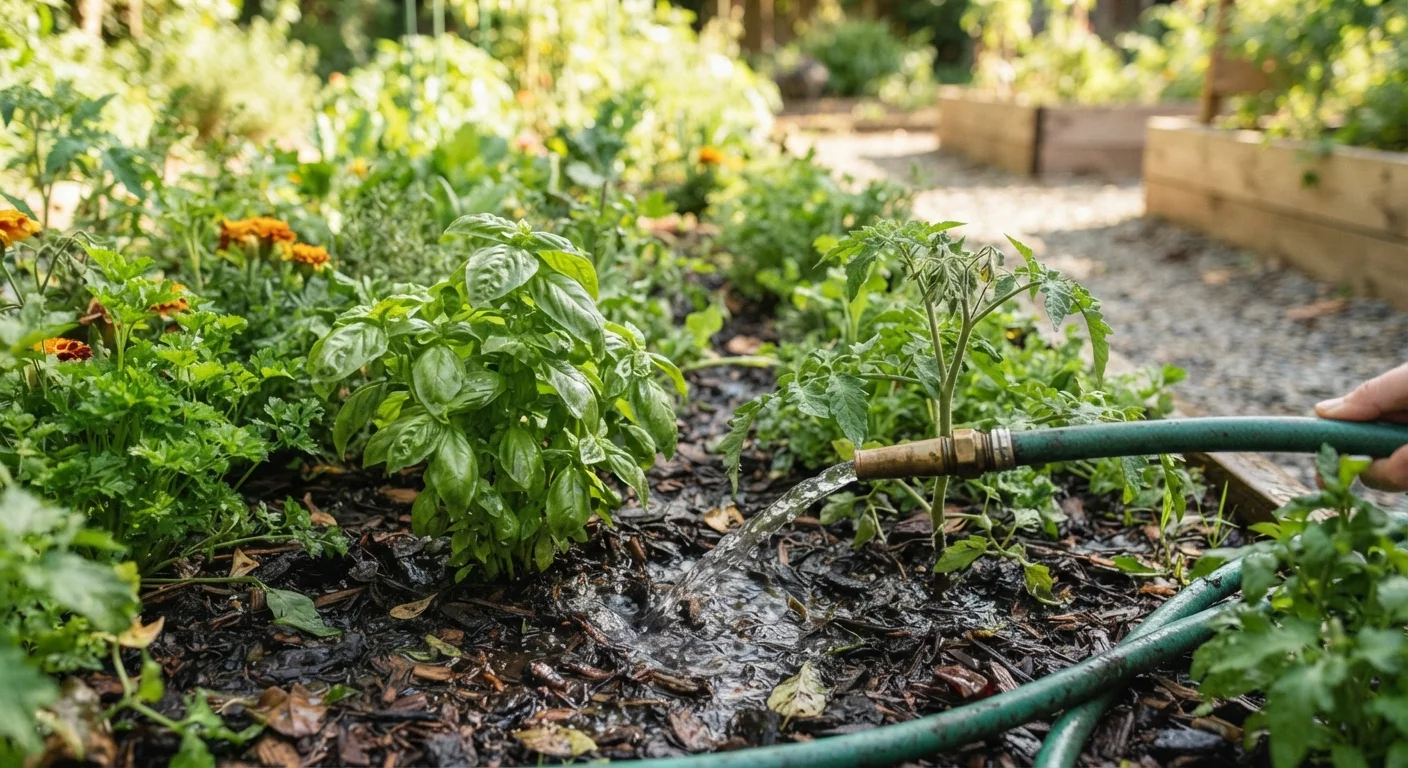
Mid-summer refreshes are worthwhile too, particularly in hot climates, where mulch reduces water loss significantly. If you're managing water use carefully, pairing good mulching practice with evidence-based watering is smart - see common watering myths debunked for guidance.
Putting It All Together
Good mulching is a habit, not a one-time event. Check depth each spring and replenish as needed - most organic mulches need a top-up every one to two seasons. Rake matted or compacted mulch to restore airflow, and inspect for signs of fungal growth or pest activity underneath.
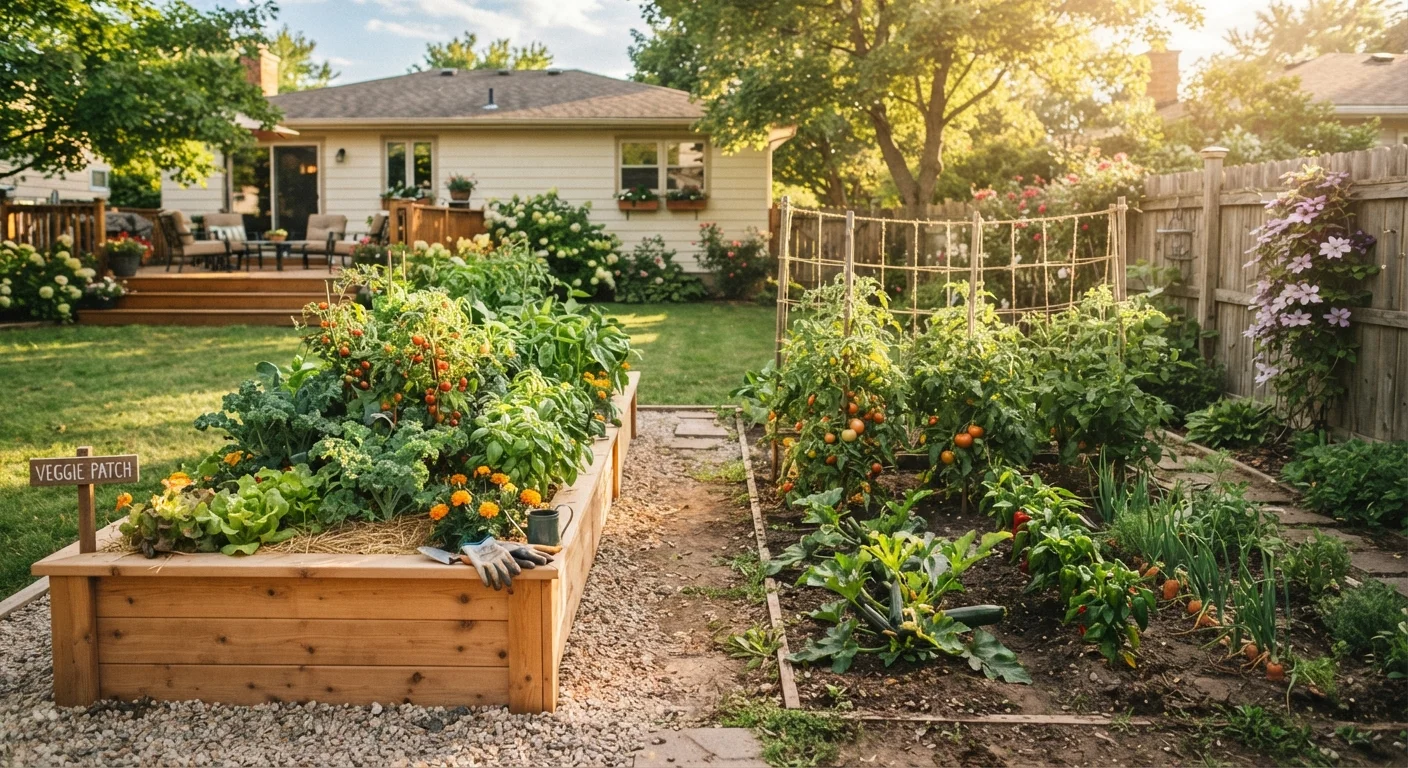
If you're working with raised beds or in-ground plots, mulch selection should account for your bed structure and drainage. Raised beds and in-ground gardens have different moisture dynamics, which affects how much mulch each setup benefits from.
Applied thoughtfully, mulch is one of the highest-return tasks in any garden - a modest effort with lasting payoffs in plant health, water savings, and reduced weeding time.
Mulch and Local Regulations
Some municipalities restrict certain mulch types - particularly rubber mulch or dyed wood products - in fire-prone areas or near storm drains. Before purchasing large quantities, check with your local cooperative extension office or municipality to confirm any applicable guidelines for your region.