Why Watering Myths Persist
Watering advice gets passed down through generations of gardeners like a family recipe - well-intentioned, rarely questioned. The problem is that much of it is rooted in half-truths or oversimplifications that made some sense in a specific context but don't hold up as universal rules. Following bad watering guidance doesn't just waste water; it actively stresses plants, invites disease, and erodes the healthy soil structure that roots depend on.
The good news: once you understand what plants actually need, the corrections are straightforward. The myths below are among the most common - and the most damaging.
Myth
Plants need to be watered every single day to stay healthy.
Fact
Most plants thrive on deep, infrequent watering rather than shallow daily doses.
Daily light watering keeps moisture near the soil surface, which is exactly where you don't want roots to concentrate. Shallow-rooted plants become more vulnerable to heat, drought, and wind. Watering deeply but less often - typically two to three times per week for most garden beds, depending on soil and climate - encourages roots to grow downward in search of moisture, producing a sturdier, more resilient plant. The exception is containers and seedlings, which dry out faster and may genuinely need daily attention during hot weather.
Myth
Watering in the middle of the day will burn your plants' leaves.
Fact
Water droplets do not act as magnifying lenses capable of scorching leaves under normal conditions.
This is one of the most persistent myths in gardening, but the physics don't support it. Research, including studies cited by horticultural extension services, has found no credible mechanism by which water droplets on leaves cause sun scorch. That said, midday is still a less efficient time to water: higher temperatures and wind accelerate evaporation before water reaches roots. Early morning remains the preferred window - the soil absorbs water before heat peaks, and foliage has time to dry before cooler evening temperatures arrive, reducing fungal disease risk.
Myth
If a plant looks wilted, it always needs more water.
Fact
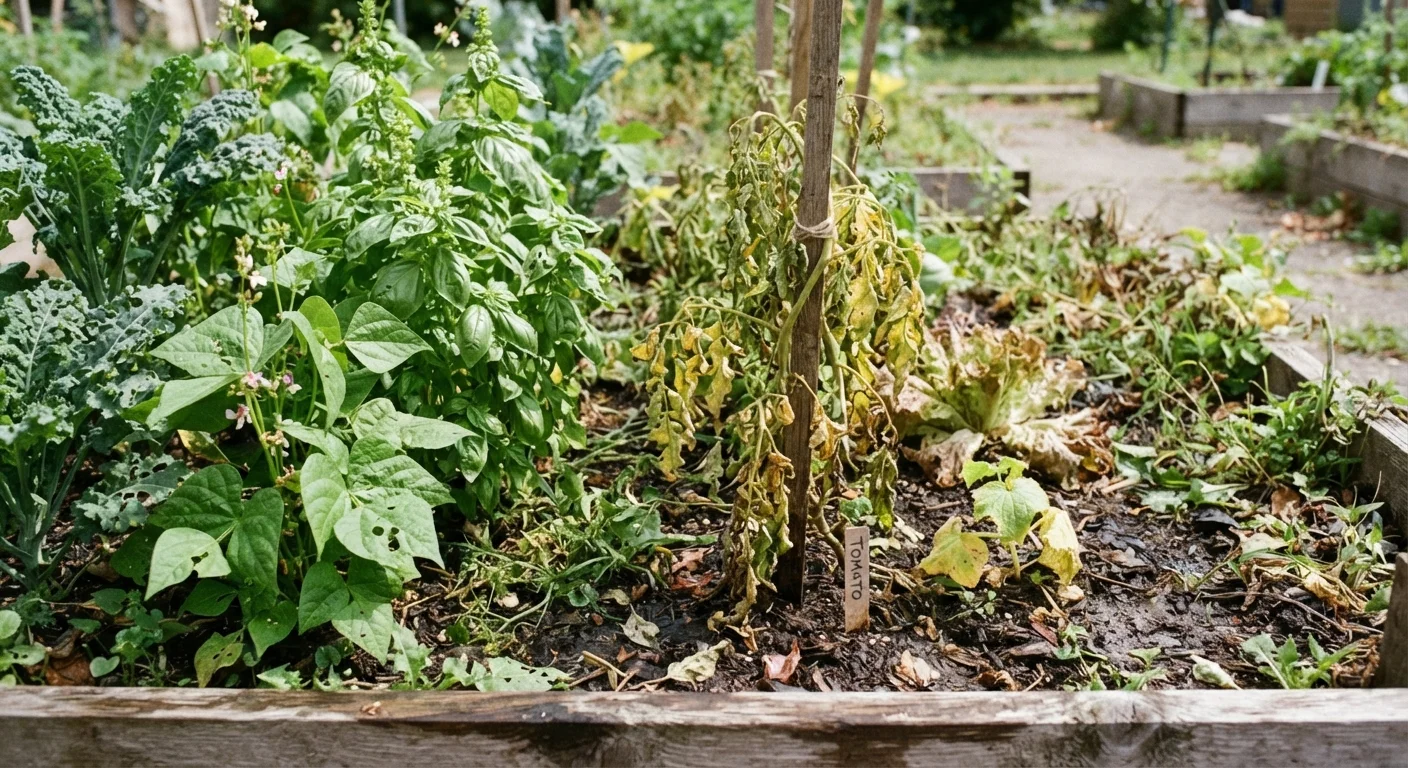
Wilting can be a symptom of overwatering just as often as underwatering.
When roots sit in waterlogged soil, oxygen is displaced and root tissue can begin to rot. Damaged roots lose the ability to take up water - causing the plant to wilt despite the soil being saturated. Before adding water to a wilting plant, check the soil two inches down. If it's wet or cool and dark, withhold water and allow the soil to dry out. If it's dry and crumbly, then water is warranted. Yellow or mushy lower leaves alongside wilting are a common sign of overwatering.
Myth
More water is always better - it gives plants extra resources.
Fact
Overwatering is one of the leading causes of plant death, particularly in containers.
Plant roots need both water and oxygen. When soil stays saturated, air pockets collapse and roots suffocate. Overwatered plants show symptoms including yellowing leaves, mold on the soil surface, a sour smell from the pot, and eventual stem collapse. Houseplants are especially vulnerable because containers limit drainage. A well-draining potting mix combined with pots that have drainage holes makes a meaningful difference. When in doubt, it is generally safer to underwater slightly and correct than to overwater consistently.
Myth
All plants in a garden need the same amount of water.
Fact
Water needs vary considerably by plant species, root depth, soil type, and sun exposure.
Grouping plants with similar water requirements - a practice known as hydrozoning - is a core principle of efficient garden design. Drought-tolerant Mediterranean herbs like rosemary and lavender can decline rapidly in the same high-moisture conditions that suit ferns or hydrangeas. Before planting, researching each variety's water needs and positioning accordingly saves both plants and water. This is also a key argument for incorporating native plants, which are often adapted to local rainfall patterns and need less supplemental irrigation once established.
Myth
Watering at night is fine and saves evaporation losses.
Fact
Evening watering raises fungal disease risk by leaving foliage wet overnight.
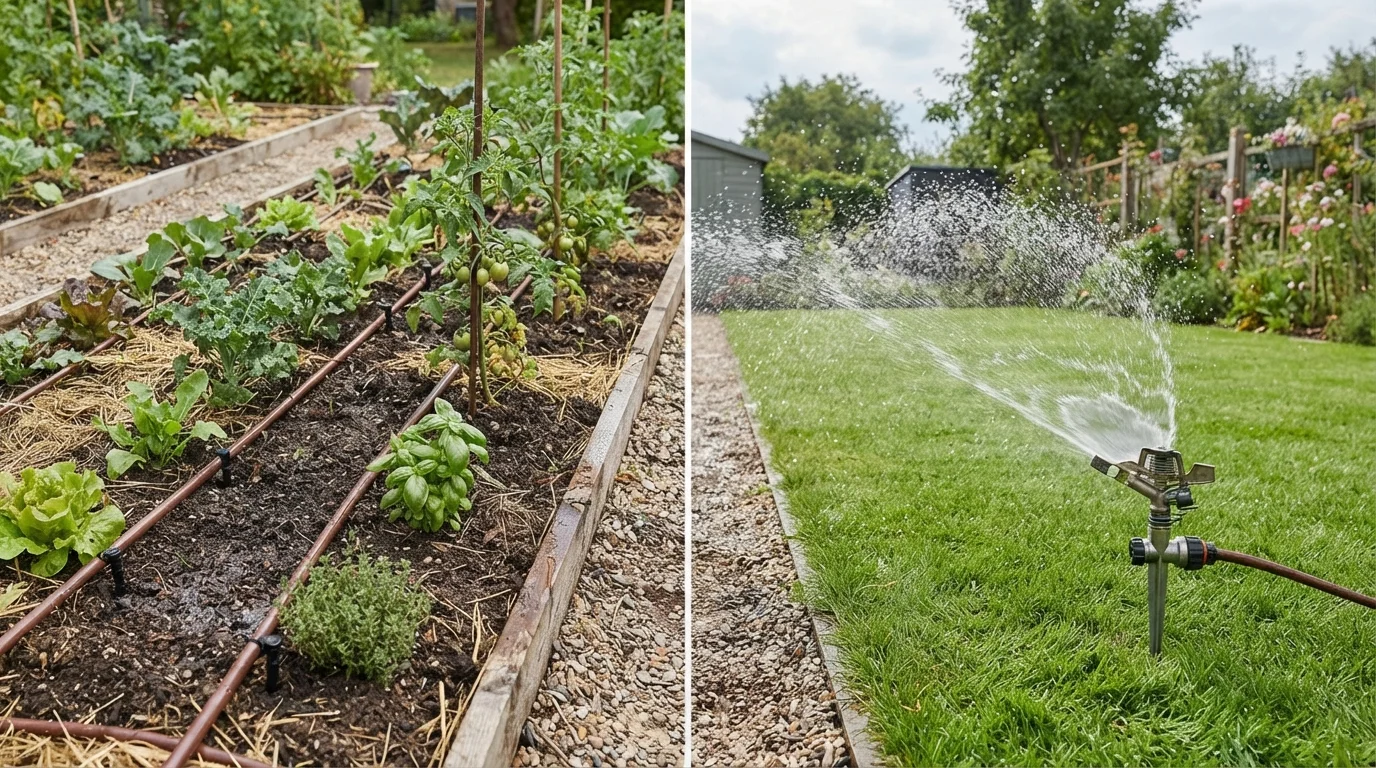
While nighttime temperatures do reduce evaporation, they also slow the drying of leaves and stems. Prolonged moisture on plant surfaces creates favorable conditions for powdery mildew, botrytis, and other fungal pathogens. If morning watering isn't practical, aim for late afternoon so foliage has at least a few hours to dry before dark. Drip irrigation, which delivers water directly to the root zone without wetting leaves, is a practical solution for gardeners who can only water in the evening - the drip vs. sprinkler comparison explains when each method makes sense.
Getting Watering Right: Practical Principles
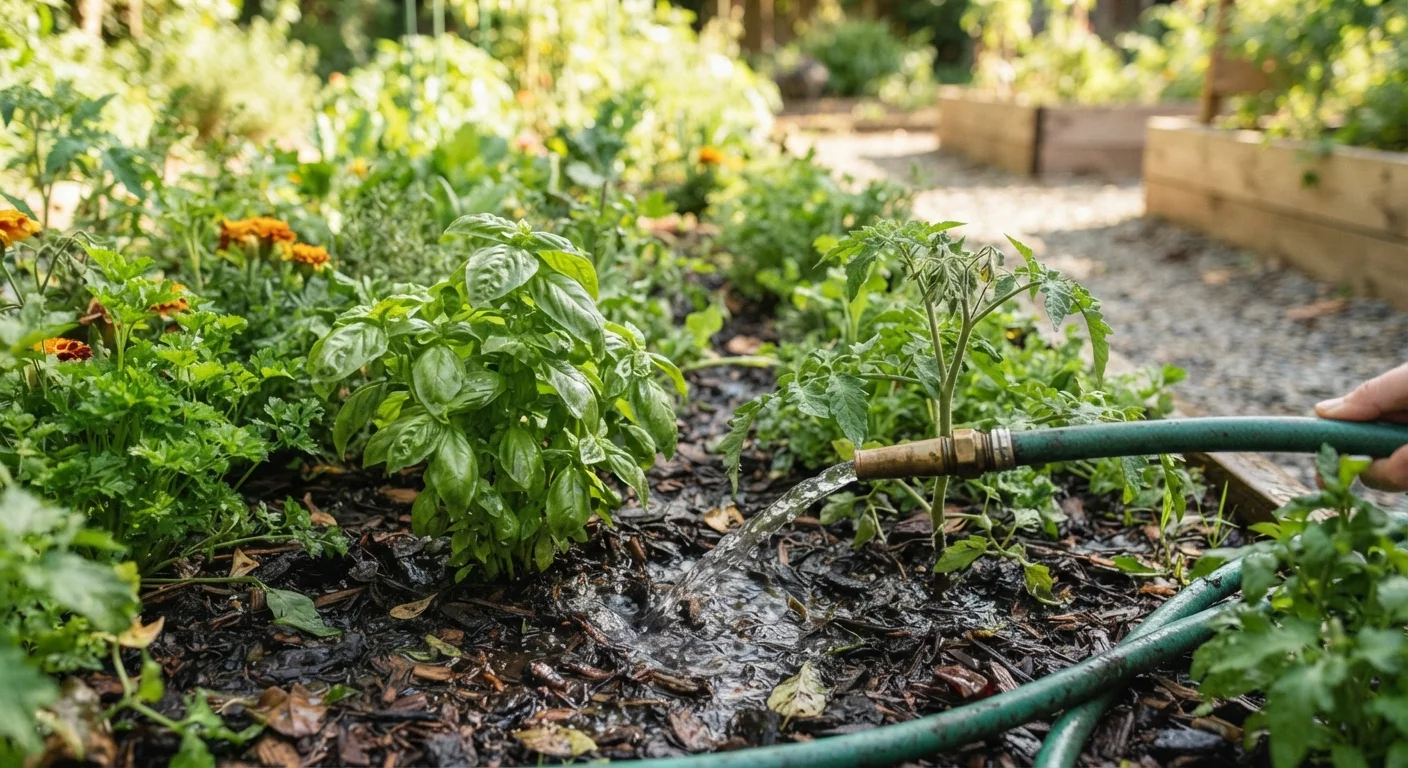
Rather than following a rigid schedule, experienced gardeners treat watering as a diagnostic exercise. Before reaching for the hose, press a finger about two inches into the soil near your plant's root zone. If it feels dry at that depth, it's time to water. If it still feels moist, wait another day.
~50%
Of home water use dedicated to landscaping
According to the U.S. Environmental Protection Agency (EPA), roughly half of residential outdoor water is used on lawns and gardens, much of it inefficiently.
2-3×
More water used than plants actually need
The EPA estimates that conventional landscape irrigation applies two to three times the amount of water plants require, largely due to poor timing and scheduling practices.
This finger-test approach works across most garden beds and containers. For a more precise read - especially useful in vegetable beds - inexpensive soil moisture meters are widely available and take the guesswork out entirely. Our guide to vegetable garden underperformance covers how watering rhythm connects to yield, alongside other common fixable problems.
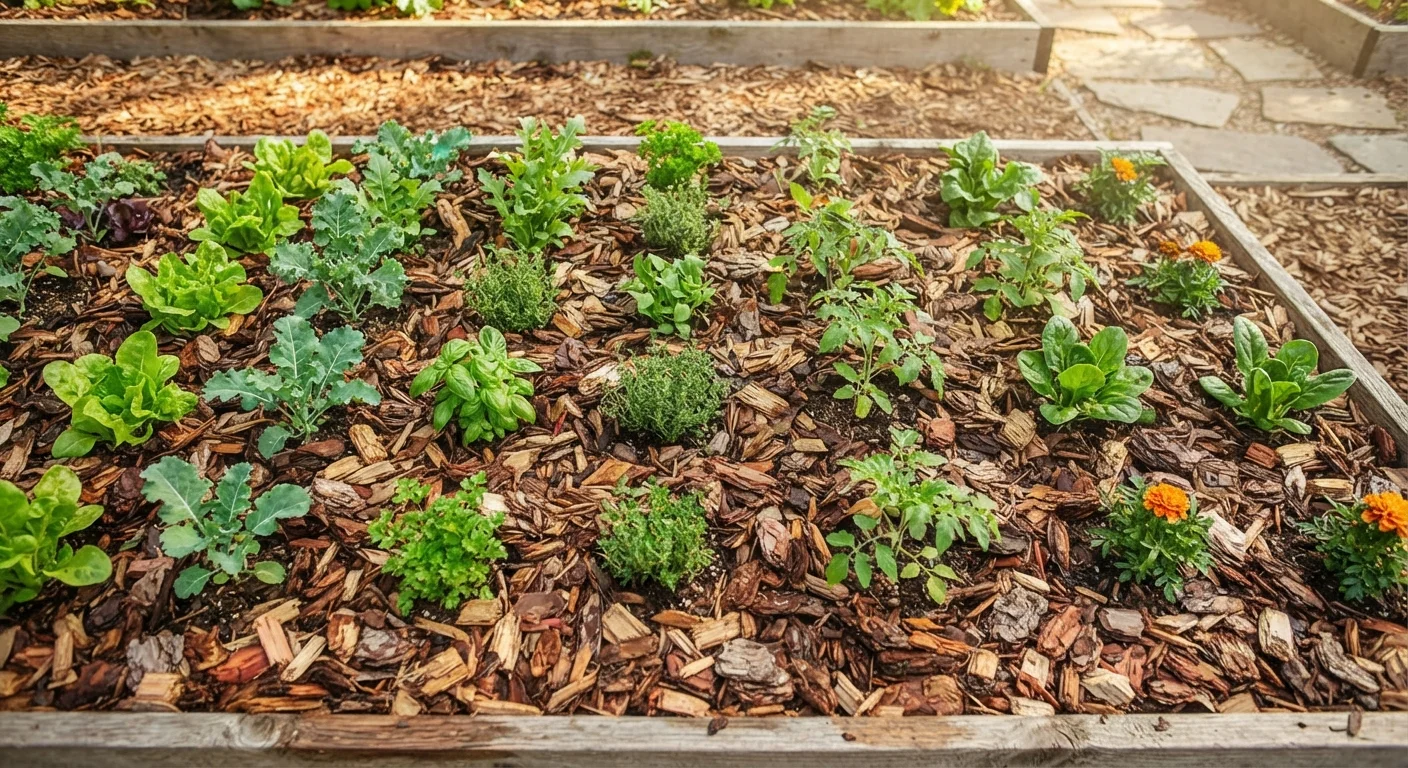
Pairing good watering habits with the right mulch layer makes a significant difference in moisture retention. Mulching correctly - with the right material at the right depth - can cut surface evaporation noticeably and reduce how often you need to water. And if you're weighing an upgrade to your irrigation setup, the comparison between drip irrigation and sprinklers lays out the efficiency and effort trade-offs clearly.
Container Plants Dry Out Much Faster
Pots and planters have limited soil volume and often sit in direct sun, causing them to dry out significantly faster than in-ground beds. During summer heat, daily checking - and possibly daily watering - may be necessary for containers. Always check the soil moisture directly rather than relying on a set schedule, and ensure pots have drainage holes to prevent waterlogging.
Ultimately, attentive watering is less about following a fixed rule and more about reading your garden. Soil type, plant variety, container size, local climate, and seasonal changes all shift the equation. Plants adapted to your region naturally need less supplemental water - one reason native plants are increasingly recommended by ecologists for lower-maintenance yards.