What Actually Separates These Two Approaches
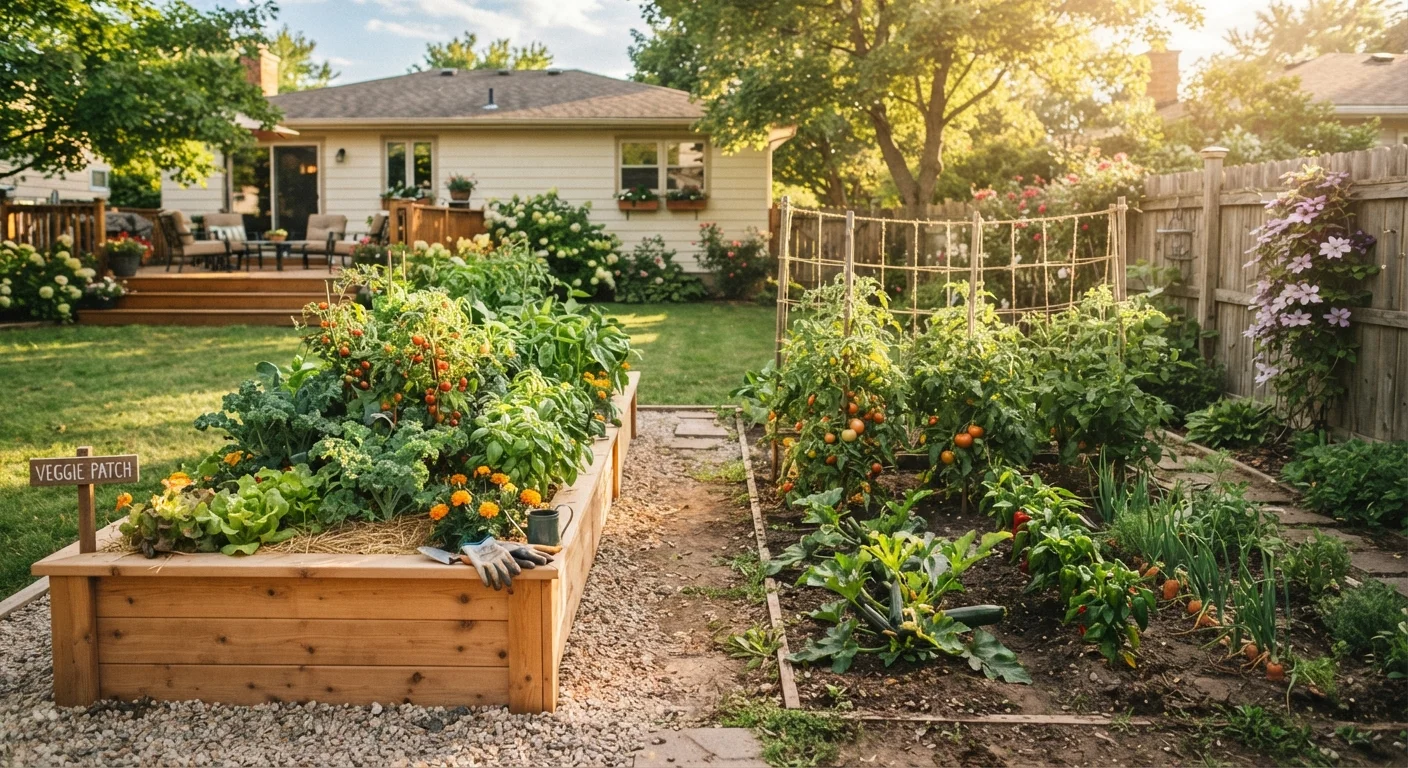
At their core, raised beds and in-ground planting differ in one fundamental way: where your plants' roots live. A raised bed is a contained structure - typically wood, metal, or composite - filled with imported growing mix and sitting on or just above grade. In-ground planting means working directly with your yard's existing soil, amended as needed.
That distinction ripples through almost every practical consideration: startup cost, drainage behavior, soil temperature, weed pressure, and long-term maintenance. Neither method is universally superior - the right choice depends on what your yard is already giving you to work with. If you're still scoping out your space, our beginner's garden planning guide covers site selection basics that apply to both methods.
| Criterion | Raised Beds | In-Ground Planting |
|---|---|---|
| Upfront cost | Moderate to high (materials + fill) | Low (amendment + tools) |
| Soil control | Complete - you choose the mix | Gradual - depends on amendment |
| Drainage | Excellent by design | Varies with native soil type |
| Spring warm-up speed | Faster - beds warm ahead of ground | Slower in clay or heavy soils |
| Scalability | Limited by cost per unit | Easy to expand at low cost |
| Weed pressure | Lower in fresh fill | Higher - existing seed bank |
| Accessibility | Easier on joints and back | Requires bending and kneeling |
| Crop size potential | Best for compact plants | Suits large, deep-rooted crops |
Drainage, Soil Quality, and Root Health
Soil quality is where raised beds earn their reputation. When you fill a bed with a blended mix - typically a ratio of topsoil, compost, and coarse material like perlite or aged bark - you're designing drainage from the ground up. Water moves through consistently, roots find loose structure easily, and you avoid the compaction that plagues many native yards.
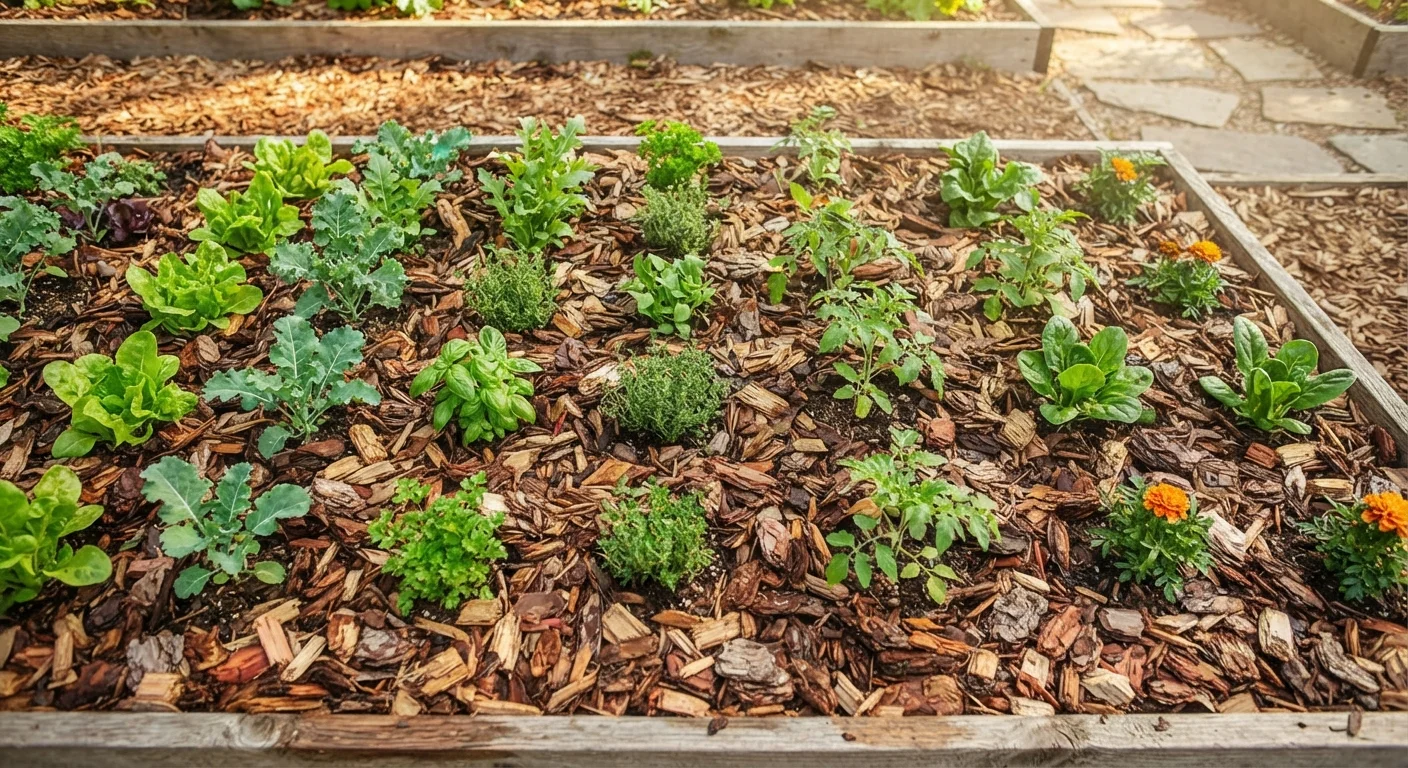
In-ground soil is a different proposition. Sandy soil drains fast but struggles to hold nutrients; clay drains slowly and compacts under foot traffic. The good news is that in-ground soil can be transformed with consistent organic matter additions over a few seasons. Compost, aged manure, and cover cropping gradually improve structure and biology - it just takes time. Proper mulching practice accelerates that improvement by suppressing weeds and feeding soil organisms simultaneously.
6-8 inches
Minimum raised bed depth for most vegetables
Most cooperative extension services recommend at least 6 inches of quality growing mix for shallow-rooted crops, and 12 inches or more for root vegetables like carrots.
10°F
Average soil temperature advantage for raised beds in spring
University research has shown raised bed soil can warm significantly faster than adjacent ground soil, giving gardeners in cooler climates an earlier planting window.
3-5 years
Typical time to significantly improve native in-ground soil
Consistent compost additions and cover cropping can meaningfully improve soil structure and biology, though results vary based on starting conditions and climate.
If your yard has contaminated or heavily compacted soil, raised beds remove the problem entirely. For most gardeners with merely mediocre native soil, in-ground amendment is a viable and cost-effective path - it just requires patience.
Cost, Effort, and Long-Term Maintenance
Raised beds have a real upfront cost. Materials for a single 4×8 bed - lumber or metal, hardware, and fill - can range from moderate to substantial depending on material quality and local prices. Filling beds with quality mix adds to that figure. In contrast, in-ground planting's primary cost is labor and soil amendment: bags of compost or a bulk delivery, basic tools, and your time.
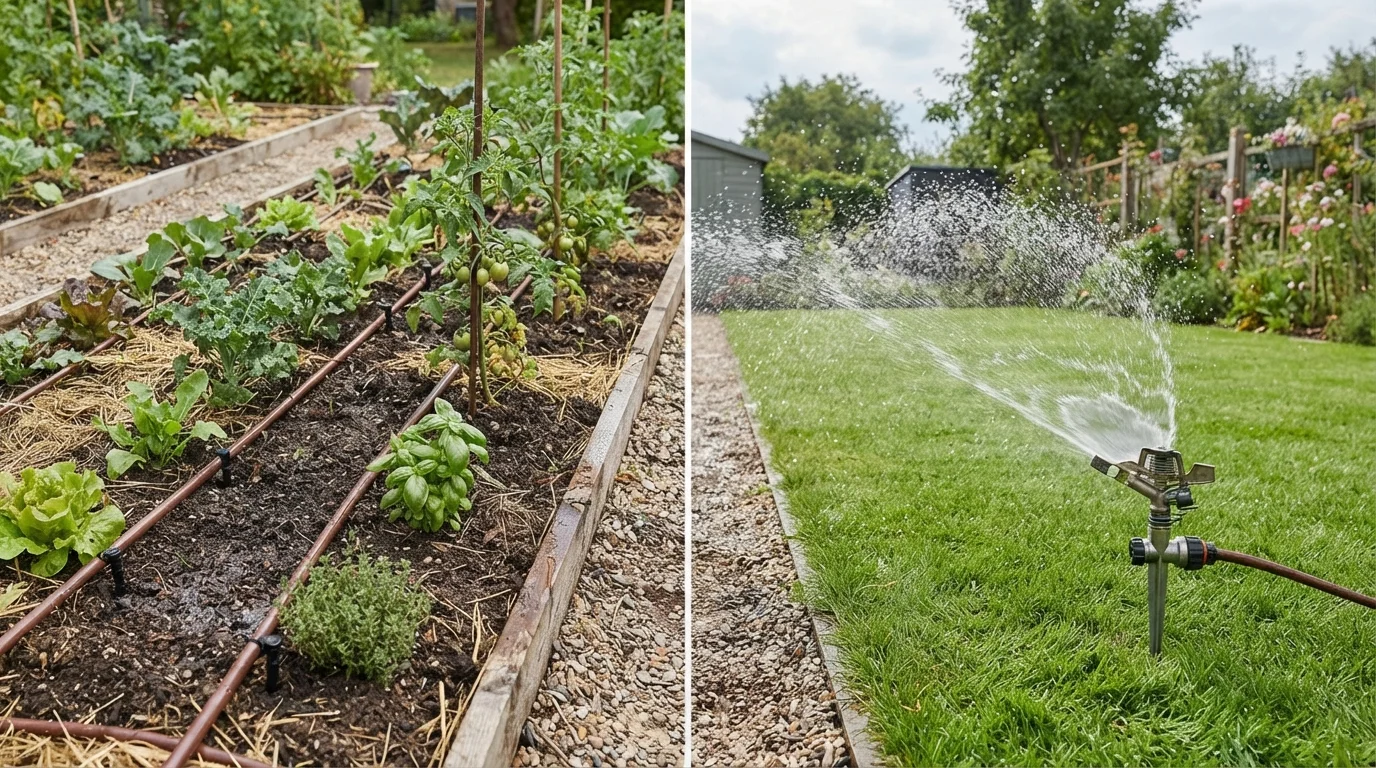
Over the long run, the maintenance calculus shifts. Raised beds rarely need deep digging once established, weeds have less established seed banks in fresh fill, and the defined borders limit creep. In-ground plots, particularly in regions with persistent perennial weeds, can demand more ongoing weeding work. Watering also differs: raised beds dry out faster and may need more frequent irrigation, especially in summer heat - something worth considering when you explore drip irrigation versus sprinkler options for your setup.
Raised Bed Materials Matter for Longevity
Untreated wood is a common and safe choice for raised beds, but softer woods like pine may begin to degrade within five to seven years. Cedar and redwood last longer naturally. Galvanized metal beds have become popular for their durability and clean appearance. Avoid wood treated with older preservatives that may leach compounds into soil - look for lumber certified safe for garden use if you go the treated-wood route.
What to Grow and Where
Most vegetables, herbs, and annual flowers adapt readily to either setting. However, some crops genuinely favor one over the other. Raised beds suit compact, intensive plantings - salad greens, radishes, bush beans, strawberries, and herbs thrive in the controlled, well-drained environment. Pairing complementary seasonal plantings is easier in a defined bed; our guide on balancing perennials and annuals is worth reading if you want beds that deliver color across multiple seasons.
Deep-rooted or sprawling crops are better served by open ground. Corn needs both depth and a wide block planting for pollination. Indeterminate tomatoes, melons, and winter squash appreciate the root freedom of unrestricted soil. Fruit trees and perennial shrubs almost always belong in-ground, where roots can expand unrestricted over years. If your growing space is extremely limited - a balcony or patio - container gardening may actually be more practical than either raised beds or in-ground plots.
Shade is another variable. Neither raised beds nor in-ground plots change how much sun reaches your plants, so if your yard is shaded, review what grows well in those conditions before committing to a layout. Our shade gardening guide outlines which plants and strategies hold up with limited direct sun. And if you've already planted and yields are disappointing, the causes are often the same regardless of method - see why vegetable gardens underperform for a practical diagnostic checklist.