Choosing the Right Spot
Before you buy a single seed, spend a few days observing your outdoor space. The single most important variable in a garden's success is sunlight. Most vegetables and flowering plants need at least six hours of direct sun daily - eight hours is better. Track which areas of your yard receive that exposure throughout the day, not just at noon.
Proximity to water is your second consideration. A spot far from an outdoor spigot creates a daily chore that leads many new gardeners to give up. Choose a location within easy reach of a hose or be realistic about carrying watering cans.
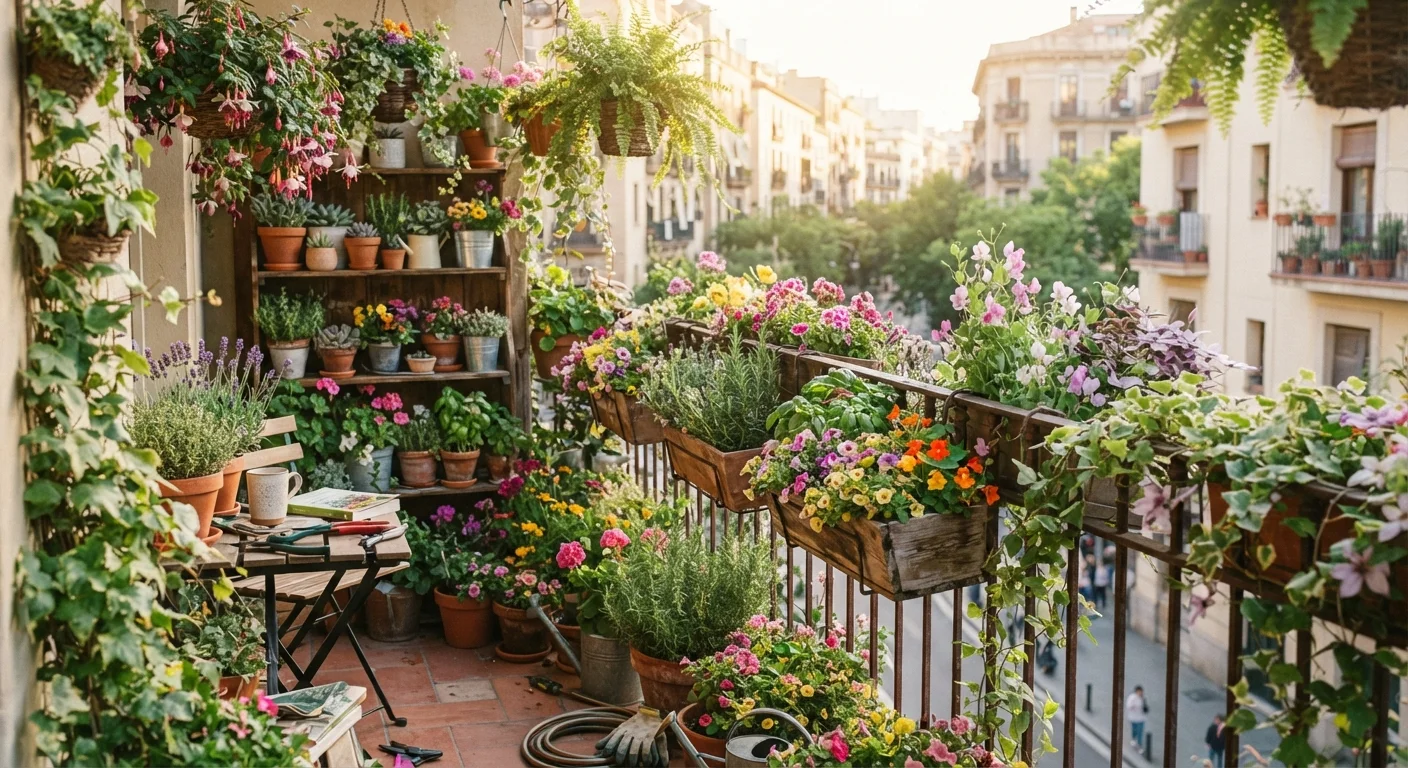
Avoid low-lying areas where water pools after rain, and steer clear of ground directly beneath large trees, which compete aggressively for both water and nutrients. Flat or gently sloping ground drains well without washing away soil. If you're working with very limited outdoor space, container gardening on a balcony or patio is a viable alternative that removes many of these siting constraints.
Use String and Stakes to Plan Your Layout
Before breaking ground, mark your planned garden bed with stakes and string to visualize the actual size. Many beginners underestimate how large - or how small - a space looks once it's laid out. This quick step helps you confirm sunlight coverage throughout the day and ensures you leave enough room to walk between beds for maintenance.
Understanding and Preparing Your Soil
Healthy soil is alive - it contains billions of microorganisms that break down organic matter and make nutrients available to plant roots. Most native yard soil needs some improvement before it's ready for a productive garden.
Compost
Decomposed organic material - such as food scraps, leaves, and grass clippings - that enriches soil with nutrients and improves its texture and water-holding ability.
USDA Hardiness Zone
A geographic classification that tells you the average coldest temperature your area experiences, helping you choose plants that can survive your local winters.
Soil pH
A measure of how acidic or alkaline your soil is, rated on a scale of 1-14. Most vegetables grow best in slightly acidic to neutral soil, around pH 6.0-7.0.
Mulch
A layer of material - such as straw, wood chips, or shredded leaves - spread over garden soil to suppress weeds, retain moisture, and regulate soil temperature.
Soil amendment
Any material mixed into existing soil to improve its structure, drainage, or nutrient content. Compost is the most common and versatile amendment for home gardeners.
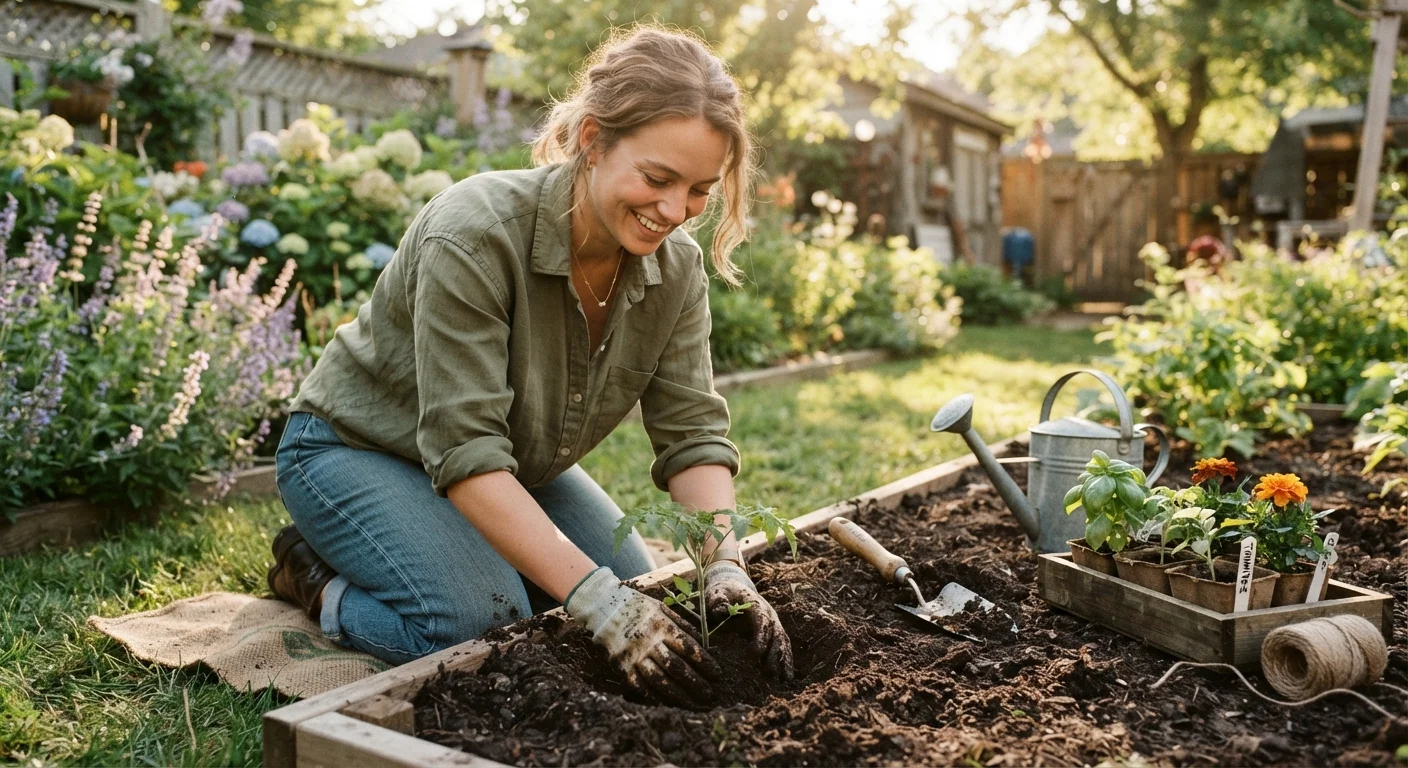
Start by loosening the soil to a depth of about 12 inches using a garden fork or spade. This breaks up compaction and improves drainage. Then work in a 3- to 4-inch layer of compost - decomposed organic matter that improves soil structure, water retention, and nutrient content regardless of whether your base soil is sandy or clay-heavy.
If you're unsure what your soil lacks, an inexpensive soil test kit (available at garden centers) measures pH and key nutrient levels. Most vegetables prefer a slightly acidic to neutral pH, roughly 6.0-7.0. Lime raises pH; sulfur lowers it. Your local cooperative extension office can offer region-specific guidance on soil amendment at no cost.
Picking Plants That Match Your Conditions
Plant selection is where many beginners go wrong by choosing what looks appealing in a catalog rather than what suits their climate and space. Your USDA Plant Hardiness Zone - a map-based system that divides the country by average minimum winter temperature - is your first filter. Check the zone listed on any plant label and confirm it matches yours.
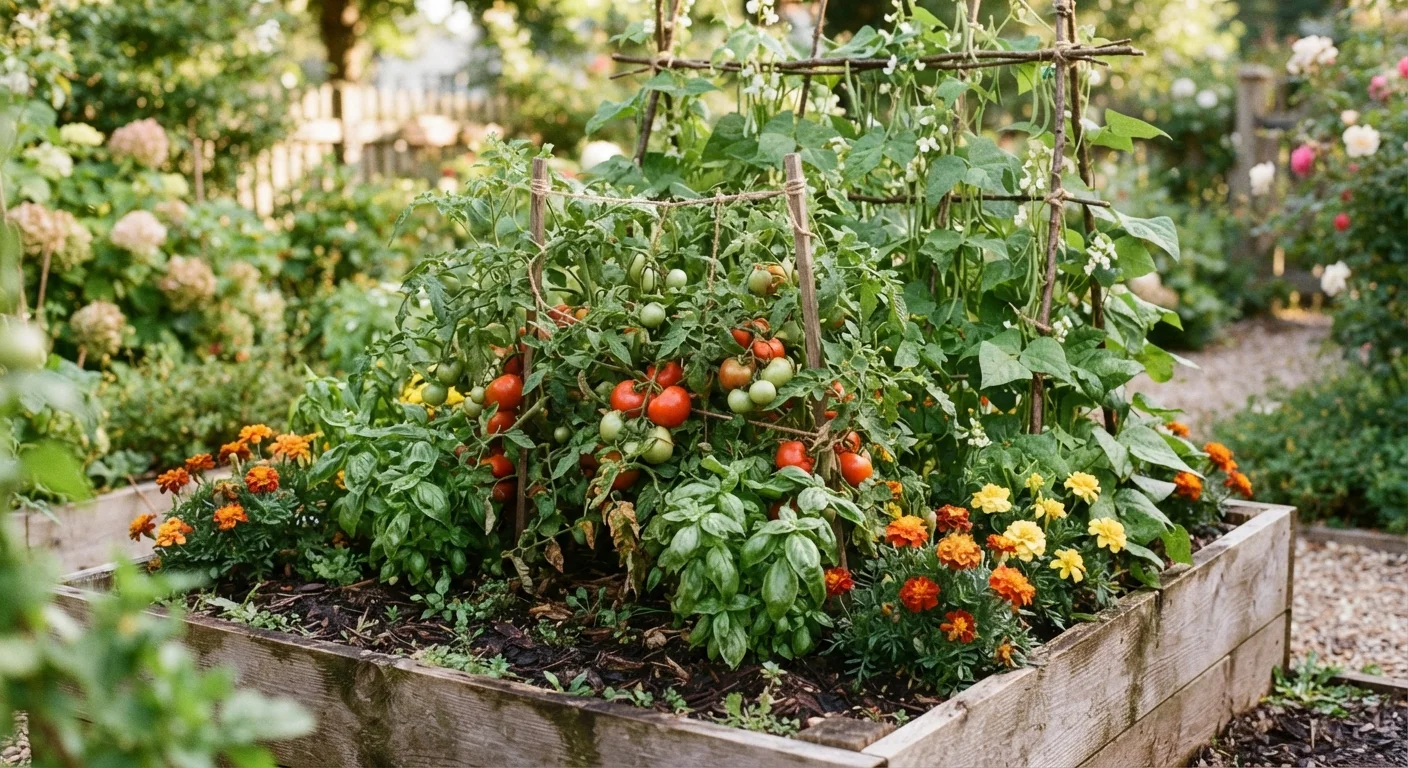
For a food garden, start with fast-growing, forgiving crops: leaf lettuce, radishes, zucchini, green beans, and herbs like basil, parsley, and chives. These reward beginners quickly and build confidence. Tomatoes are popular but require more attention to staking, pruning, and pest management - save them for season two if you want a gentler start.
Consider companion planting as you lay out your beds. Certain plant combinations genuinely support each other's growth. Our guide on which plant pairings actually work separates evidence-backed combinations from garden folklore, and it's worth a read before you finalize your layout.
Watering Basics Every Beginner Should Know
Overwatering kills more beginner gardens than drought does. The goal is consistent moisture at the root zone, not wet foliage or soggy soil. As a general rule, most vegetable gardens need about one inch of water per week from rain or irrigation combined - more during hot, dry spells.
Water deeply and less frequently rather than giving plants a light sprinkle every day. Deep watering encourages roots to grow downward, making plants more drought-tolerant over time. The best time to water is early morning, which gives foliage time to dry before nightfall and reduces the risk of fungal disease.
Avoid Watering at Night
Watering in the evening leaves foliage damp overnight, which significantly increases the risk of fungal diseases like powdery mildew and blight. These conditions spread quickly and can devastate a young garden. Stick to morning watering whenever possible, and always aim water at the soil rather than the leaves.
To check whether watering is needed, push a finger two inches into the soil near the plant base. If the soil feels dry at that depth, it's time to water. If it still feels moist, wait another day. This simple test beats any schedule because it accounts for actual conditions rather than a fixed routine.
Simple Maintenance to Keep Things Growing
A garden doesn't demand hours of daily labor, but it does reward regular attention. Walk through your garden every two to three days to catch problems early - wilting, yellowing leaves, or insect damage are much easier to address when spotted promptly.
Weeding is a consistent task, but manageable if you keep up with it. A 2- to 3-inch layer of mulch (straw, shredded leaves, or wood chips) around your plants suppresses weeds, retains soil moisture, and moderates temperature swings. Apply it after planting and replenish as it breaks down.
Fertilizing needs depend on your soil quality. If you amended with compost before planting, you may not need additional feeding for fast-growing crops. For longer-season plants, a balanced, slow-release granular fertilizer applied according to package directions is sufficient for most beginners.
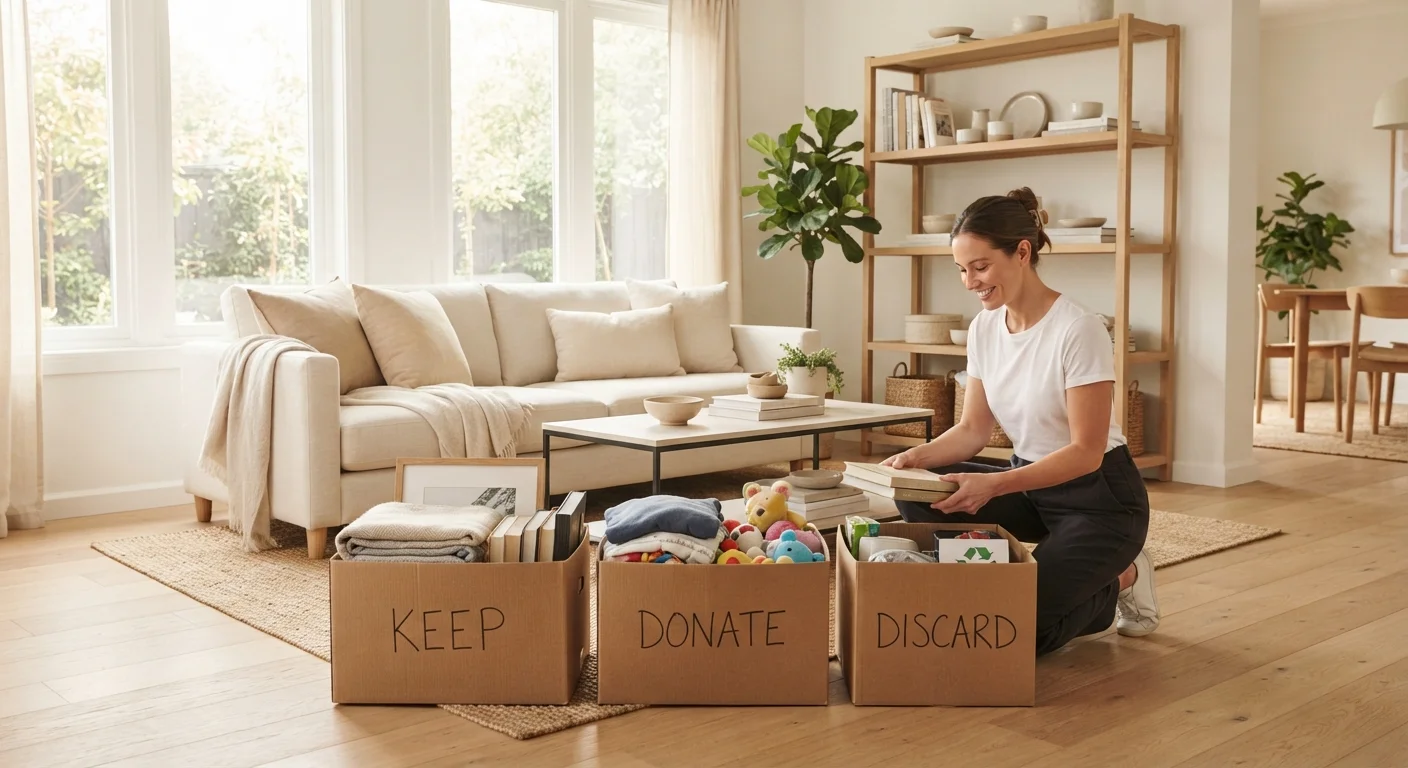
Finally, keep expectations realistic. Not everything will thrive in your first season, and that's normal. Each growing cycle teaches you something - about your soil, your microclimate, and your habits. Starting small and building outward is the same philosophy that works in other areas of home management: just as decluttering from scratch is easier when approached one area at a time, gardening success grows from steady, focused effort.
USDA Plant Hardiness Zone Map
The official interactive map from the USDA lets you look up your exact hardiness zone by ZIP code - an essential starting point for choosing plants suited to your climate.
Your State Cooperative Extension Service
Free, research-backed gardening guides tailored to your specific region, covering soil testing, planting calendars, pest management, and more - available through land-grant universities in every state.
Companion Planting Guide
Learn which plant combinations genuinely support each other in the garden versus those that are simply gardening folklore, so you can design smarter beds from the start.