Why Container Gardening Suits Small Spaces
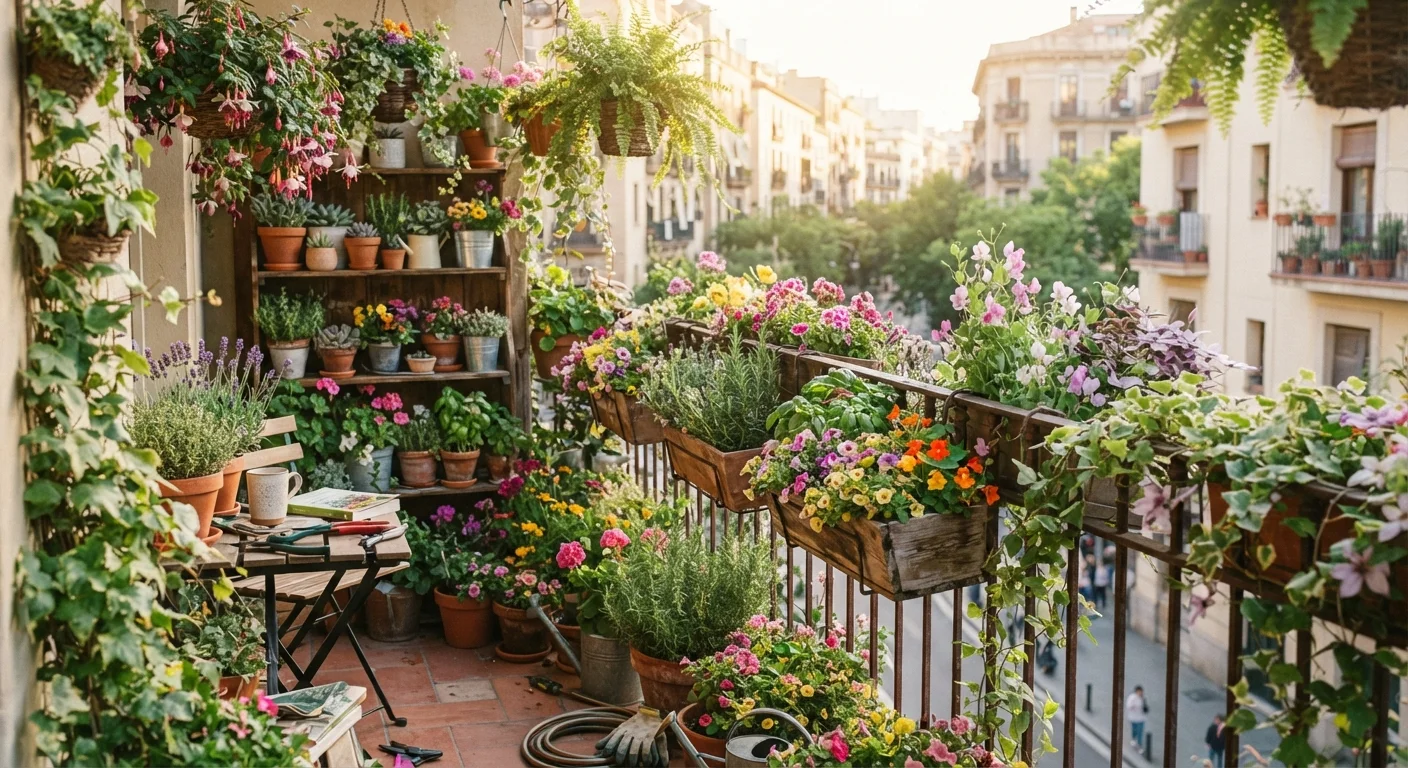
A lack of yard space is not a lack of growing potential. Containers let you garden vertically, horizontally, and in configurations that flex around railings, furniture, and foot traffic. Whether you're working with a fourth-floor balcony or a narrow patio beside a rental unit, pots and planters put you in control of soil quality, drainage, and plant placement in ways that in-ground gardening rarely allows.
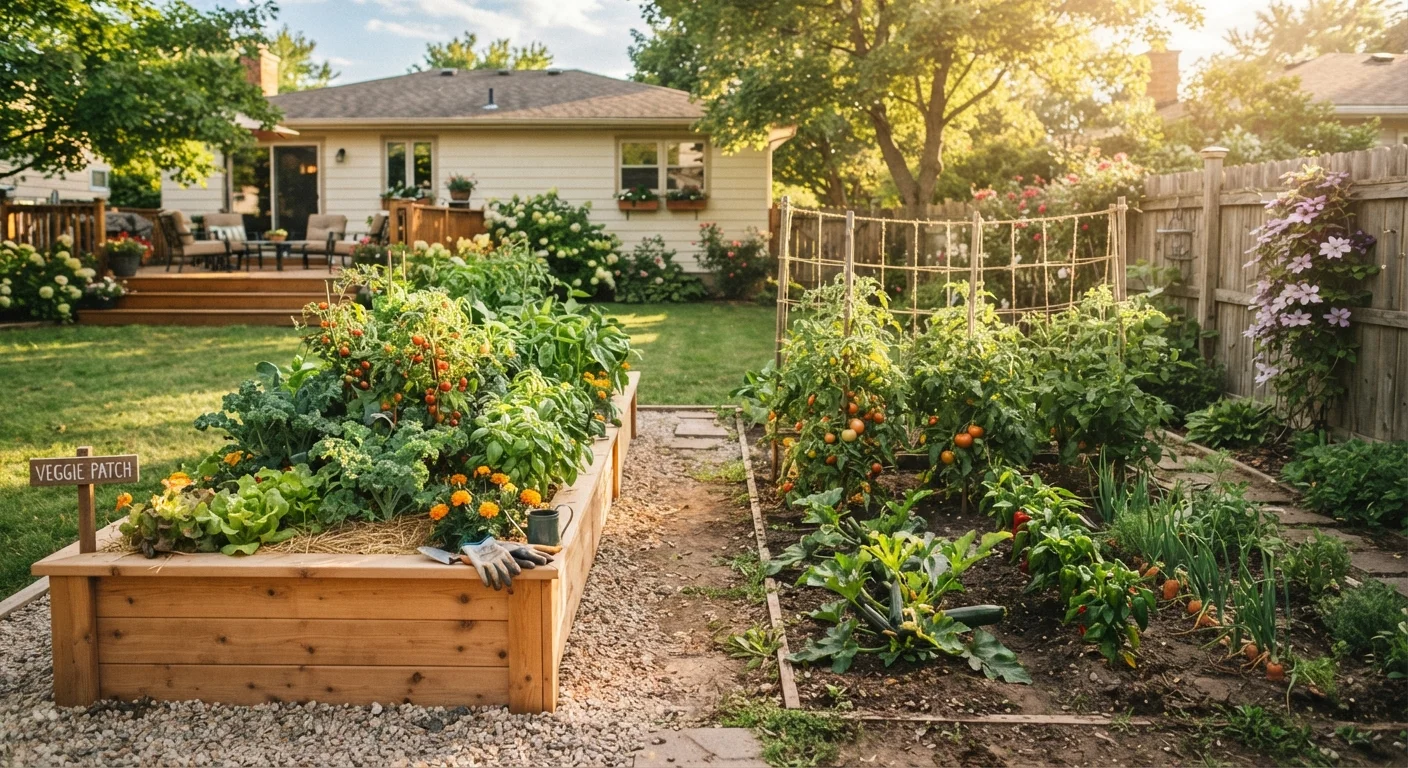
Container gardening also suits renters and those who move frequently - your garden travels with you. If you're curious how containers compare with other growing formats, raised beds vs. in-ground planting is worth reading alongside this guide.
The tips below cover the practical decisions that separate a struggling pot of wilting basil from a genuinely productive, beautiful container garden.
Choose the Right Container Size for Your Plants
Container size is the single most influential factor in container plant health. Roots need room to expand, and pot volume directly affects how much moisture and nutrient reserves are available between waterings. As a general rule: herbs do fine in 6-8 inch pots; tomatoes and peppers need at least 5-gallon containers; dwarf shrubs and ornamental grasses often require 15 gallons or more.
Bigger isn't always better, though - large containers are heavy, especially after watering, which matters on balconies with load limits. Check your building's structural guidelines before filling a dozen large pots. When in doubt, opt for lighter materials (see tip #2) and smaller plant varieties bred specifically for container growing.
Pot volume determines moisture reserves and root health - match container size to mature plant size.
Select Container Materials That Match Your Conditions
Terracotta is porous, breathable, and attractive - but heavy and prone to cracking in freeze-thaw cycles. Plastic pots are lightweight, retain moisture well, and are inexpensive, making them practical for balconies where weight is a concern. Fabric grow bags promote excellent air pruning of roots and drainage, though they dry out faster in heat. Glazed ceramic holds moisture like plastic but adds considerable weight.
For elevated spaces, lightweight resin or fiberglass containers that mimic the look of stone or terracotta are a practical middle ground. Whatever material you choose, drainage holes are non-negotiable - waterlogged roots suffocate quickly in sealed containers.
On weight-restricted balconies, lightweight resin or fabric containers outperform heavy terracotta and ceramic.
Use a Quality Potting Mix - Not Garden Soil
Garden soil compacts in pots, restricts drainage, and introduces pests and pathogens into a confined environment. A quality potting mix is formulated to stay loose and well-aerated in the confined volume of a container. Look for mixes that include perlite or pumice for drainage and peat moss or coco coir for moisture retention.
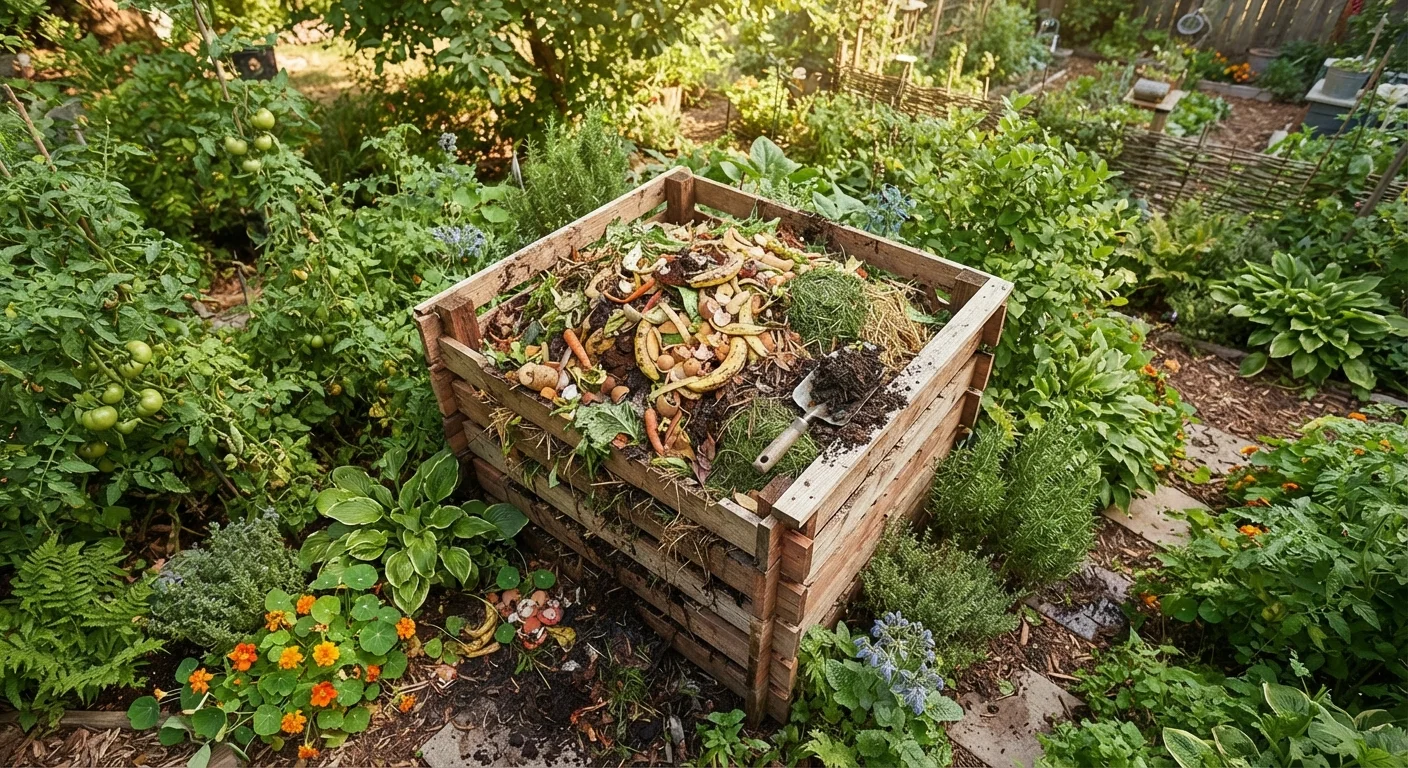
For edible plants, a mix that contains some slow-release fertilizer is helpful for the first weeks of growth. You can also enrich any potting mix by incorporating finished compost - this boosts microbial activity and nutrient content without adding bulk that would compact over time.
Potting mix - not garden soil - is the non-negotiable foundation of successful container growing.
Water Consistently and Watch for Dry-Out
Containers dry out far faster than garden beds because their soil volume is limited and exposed on all sides to air and sun. In peak summer, many containers need watering daily - sometimes twice for small pots in full sun. A simple test: push your finger an inch into the soil. If it's dry at that depth, water thoroughly until it flows from the drainage holes.
Avoid light, frequent surface watering, which encourages shallow root growth. Deep, thorough watering followed by a period of partial drying is healthier for most plants. Self-watering containers with built-in reservoirs can reduce the frequency of manual watering and are especially useful for busy households or during short trips.
Shallow watering weakens roots - always water deeply until moisture flows from drainage holes.
Match Your Plant Choices to Your Sun Conditions
Before buying plants, observe how many hours of direct sunlight your balcony or patio receives at different times of day. South- and west-facing spaces typically get 6+ hours of sun - enough for tomatoes, peppers, basil, zinnias, and most herbs. East-facing spots often get bright morning light suitable for lettuce, spinach, ferns, and impatiens. North-facing or heavily shaded patios call for shade-tolerant choices like begonias, hostas, and ferns.
If your outdoor area is partially shaded, you have more options than you might think - shade gardening strategies covers varieties and design approaches that thrive with limited direct sun.
Matching plants to your actual sun hours is the most reliable way to avoid repeated planting failures.
Feed Containers Regularly - Nutrients Deplete Quickly
Every time you water a container, a small amount of nutrients leaches out through the drainage holes. Unlike in-ground gardens where roots reach into a larger soil ecosystem, container plants are entirely dependent on what you provide. Most plants in containers benefit from a balanced liquid fertilizer applied roughly every two to four weeks during the growing season.
Slow-release granular fertilizers worked into the potting mix at planting time can supplement liquid feeding and reduce the frequency of applications. Be cautious not to over-fertilize - excess nitrogen produces lush foliage at the expense of flowers and fruit, and salt buildup from synthetic fertilizers can damage roots over time.
Regular feeding every two to four weeks replaces nutrients that watering steadily removes from containers.
Making the Most of Your Container Garden
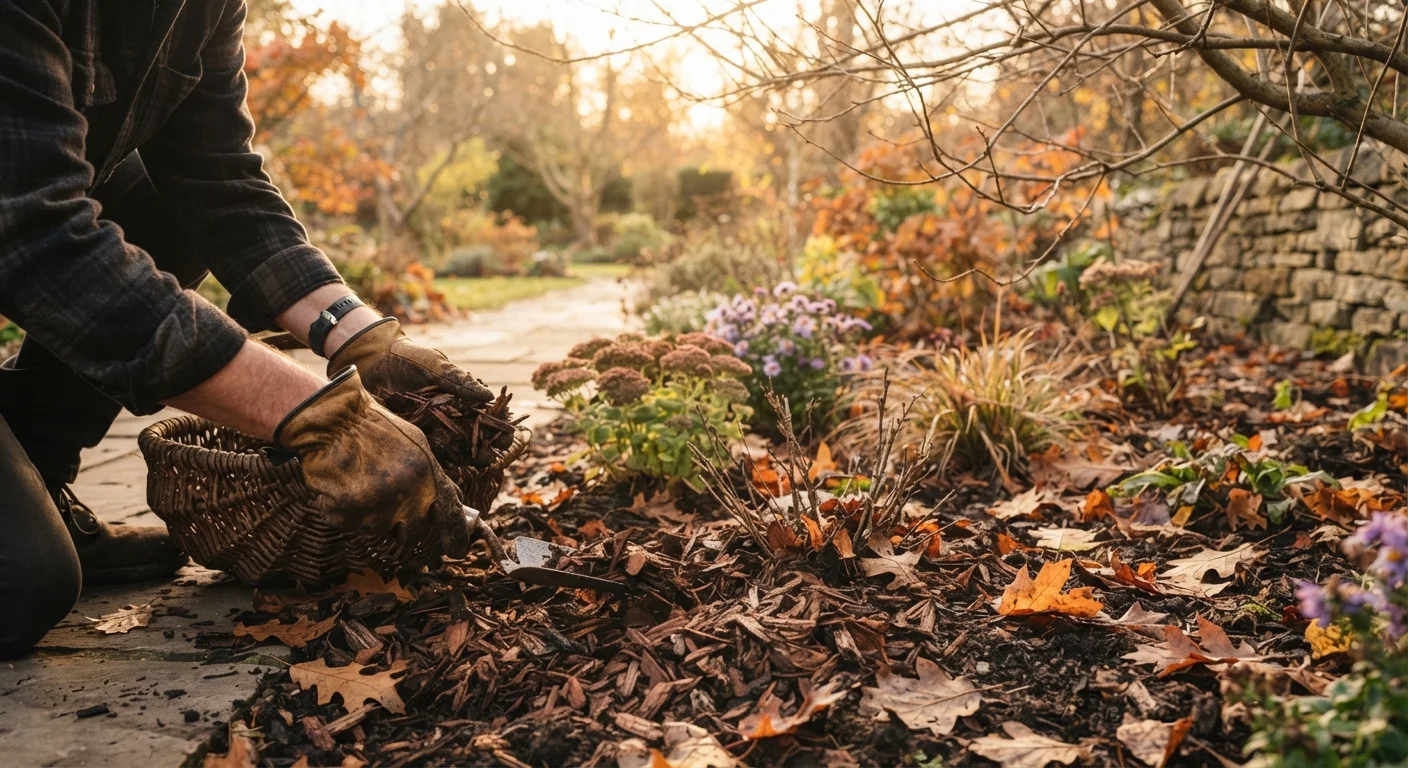
Once your containers are set up well, small refinements make a noticeable difference over a season. Deadheading spent flowers, rotating pots for even light exposure, and grouping containers together to reduce moisture loss are habits that compound quickly. For a richer growing medium, consider blending finished compost into your potting mix at planting time - our guide to composting at home explains how to produce your own. As summer ends, fall garden prep will help you close out the season and protect your containers before frost. Container gardening pairs naturally with a well-designed outdoor space - see designing an outdoor living space that works year-round for ideas on integrating greenery with seating, shade, and lighting.
Group Pots to Reduce Moisture Loss
Clustering containers together creates a microclimate with slightly higher humidity around the plants, slowing evaporation from individual pots. This is especially helpful on exposed balconies where wind accelerates drying. Grouping also makes watering more efficient and creates a lush, garden-like visual effect rather than isolated specimen plants.