What a Standard Inspection Actually Covers
A licensed home inspector follows a defined scope of work, examining the systems and components that are visible and safely accessible on the day of the visit. The major areas covered in a standard inspection include:
- Roof: Condition of shingles, flashing, gutters, and visible decking.
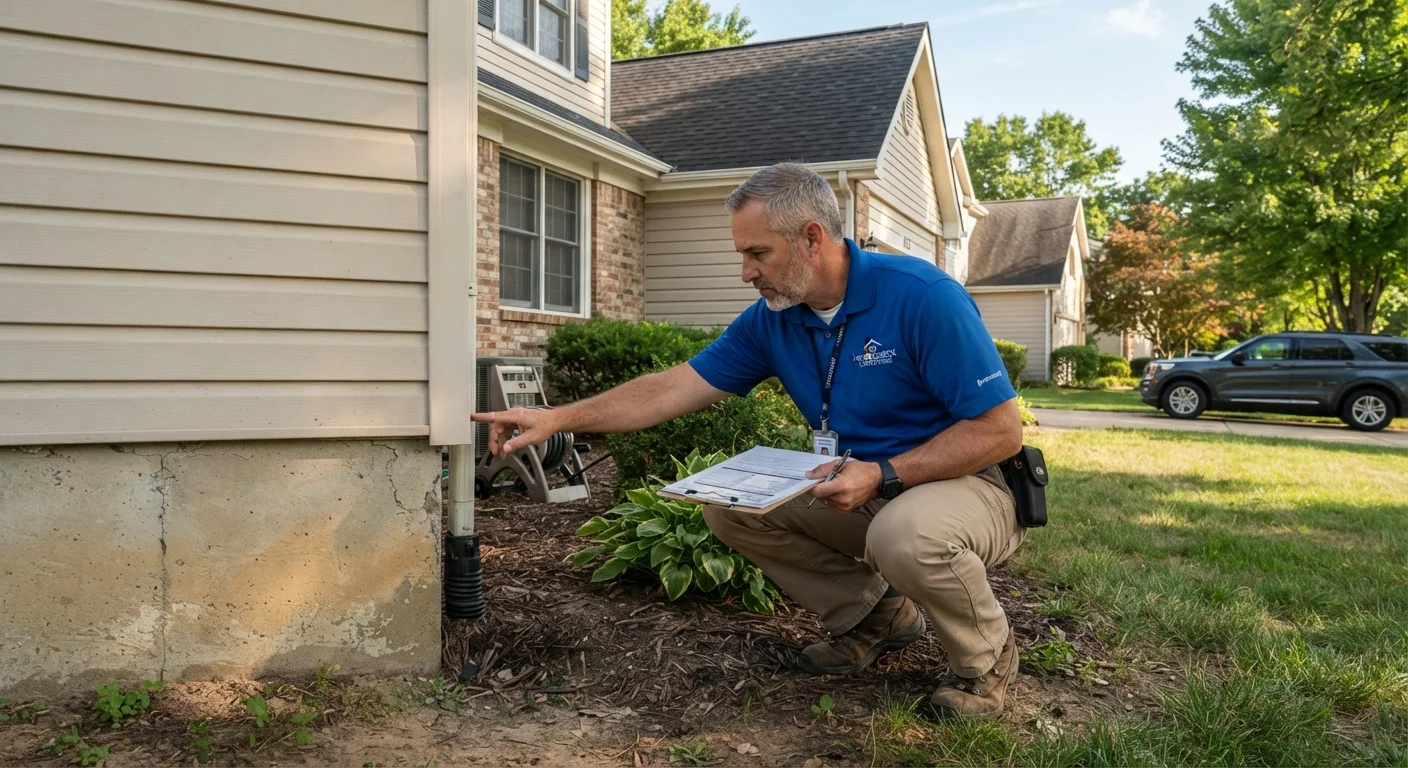
- Foundation and structure: Visible signs of settling, cracking, or movement in the foundation, walls, and framing.
- Electrical system: Panel condition, visible wiring, outlet types, and grounding - though the inspector does not test every circuit.
- Plumbing: Supply and drain lines, water heater, fixtures, and visible signs of leaks or corrosion.
- HVAC: Heating and cooling equipment operation, filters, ductwork, and visible components.
- Interior: Ceilings, walls, floors, windows, and doors for visible damage, staining, or functional issues.
- Attic and crawl space: Insulation, ventilation, and any visible signs of moisture or pest activity - if safely accessible.
The inspector documents findings in a written report, noting items that need repair, that present a safety concern, or that are approaching end of useful life. This report becomes a key negotiating tool before closing.
~86%
Homebuyers who get an inspection
According to the National Association of Realtors, the vast majority of buyers who financed a purchase included an inspection contingency in their offer.
$300-$500+
Typical cost of a home inspection
Costs vary by region, property size, and inspector credentials; larger or older homes often fall at the higher end of the range.
3-5
Separate specialist tests often needed
Radon, mold, pests, sewer scope, and lead paint are common add-on inspections beyond the general inspection scope.
The Real Limits of a Home Inspection
Understanding what an inspector cannot evaluate is just as important as knowing what they assess. Inspectors are not required to move furniture, remove wall coverings, cut into drywall, excavate soil, or operate systems that are disconnected. This creates genuine blind spots.
Common areas inspectors cannot assess:
- Inside walls, ceilings, or under flooring
- Underground pipes, sewer lines, or septic systems (without specialist equipment)
- Active mold behind finished surfaces
- Structural integrity of elements that are buried or concealed
- Future performance of any system or component
Beyond physical access limits, standard inspections do not test for environmental hazards. Radon gas, lead-based paint, asbestos, Chinese drywall, and mold require separate testing by qualified specialists. Termite and pest inspections are similarly outside a general inspector's scope.
Inspection Reports Are Snapshots, Not Warranties
A home inspection reflects visible conditions on a single day. It cannot predict how systems will perform in the months or years after purchase. Inspectors are required to report only what they can see and access - hidden defects that emerge after closing are generally not the inspector's legal liability. Reading the inspector's own scope-of-work and limitations section is essential before signing off on results.
For buyers navigating all the moving parts of a purchase, understanding what each professional does - and does not - cover is part of building a complete picture of the property. Think of a home inspection similarly to how a pre-purchase vehicle inspection works: it captures observable condition, not every hidden history.
How to Use Inspection Results Strategically
A home inspection report is not a pass/fail grade - it is a detailed list of observations. Almost every home will have some findings. The question is whether those findings are routine maintenance items or significant structural or safety concerns.
Attend the Inspection in Person
Whenever possible, buyers should walk through the property with the inspector rather than just reading the final report. Inspectors can explain the severity and context of findings on the spot, which is far more useful than interpreting report language alone. Bring a notepad and ask questions - this is one of the few times you have an expert's undivided attention on the property.
Buyers have several options after receiving the report. They can request that the seller make specific repairs before closing, negotiate a price reduction to account for the cost of addressing issues, ask for a credit at closing, or in serious cases, walk away under the inspection contingency without losing their earnest money deposit.
For issues the inspection flags but cannot fully diagnose - a crack in the foundation, an aging HVAC system, suspected moisture intrusion - buyers should bring in specialists for further evaluation before making repair requests. This gives any negotiation a solid factual basis.
Once you own the property, the inspection report also serves as a useful maintenance roadmap. Items noted as aging or marginal can guide your planning for the years ahead. For guidance on what to tackle first, the home improvement hub covers practical renovation and repair priorities.
It is also worth understanding how the inspection fits alongside other protections. A home inspection tells you about condition at the time of purchase, but it does not provide ongoing coverage. See how home warranties and insurance policies fill different gaps in our article on home warranty vs. homeowner's insurance. For a broader view of your coverage picture, understanding your homeowner's insurance policy is an essential next step.
“A home inspection is one of the best investments a buyer can make. The report does not just tell you what is wrong - it tells you what you are buying.”
— American Society of Home Inspectors (ASHI), Professional standards organization for home inspectors in the United States
This article is for informational and educational purposes only and does not constitute legal, financial, or professional real estate advice. Consult a licensed home inspector, real estate attorney, or qualified professional for guidance specific to your situation.