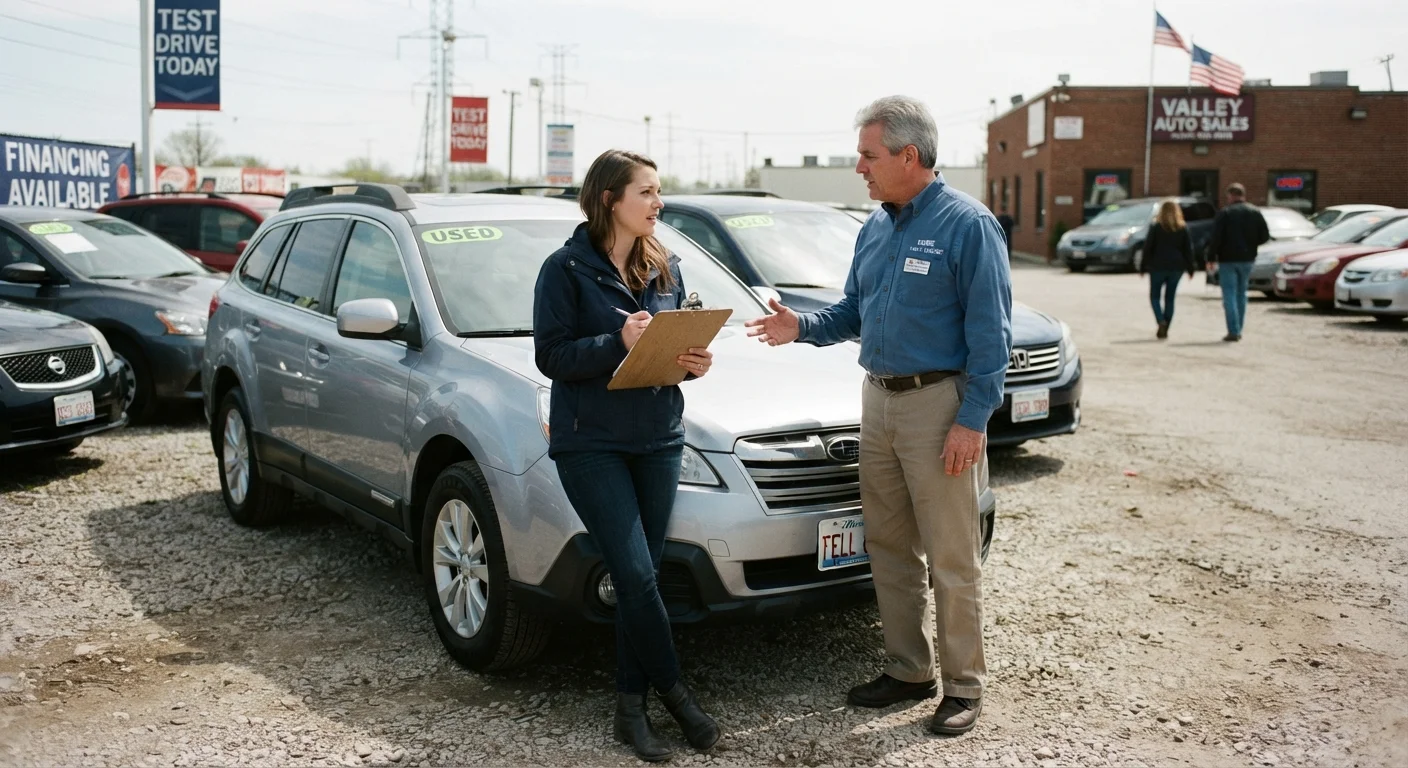
Why This Checklist Matters Before You Buy
Buying a used vehicle without a thorough inspection is one of the most common - and costly - mistakes car shoppers make. A clean listing, low mileage, and a reasonable price can all distract from underlying problems that only surface under closer scrutiny. This checklist is designed to slow that process down in the right places.
Use it in two phases: first, a structured walk-around and interior check before you even start the engine, and second, an informed test drive that goes beyond "does it feel okay." The checklist also flags when to bring in a qualified mechanic - because some issues are simply beyond what a visual check can catch. For a broader view of the buying process, see the full car-buying journey guide covering everything from budgeting to signing.
Don't Inspect in Poor Lighting or Rain
Inspecting a vehicle at night, in a dimly lit garage, or during wet weather significantly reduces your ability to spot paint inconsistencies, rust, fluid leaks, and body damage. If a seller resists scheduling a daytime appointment, treat that as a warning sign in itself. Always insist on a full inspection under good conditions before proceeding.
Before scheduling a test drive on a private-party vehicle, it's also worth asking the right questions upfront. Our guide on questions to ask a seller before you commit can help you filter out obvious problems before you invest your time in person.
The Inspection Checklist
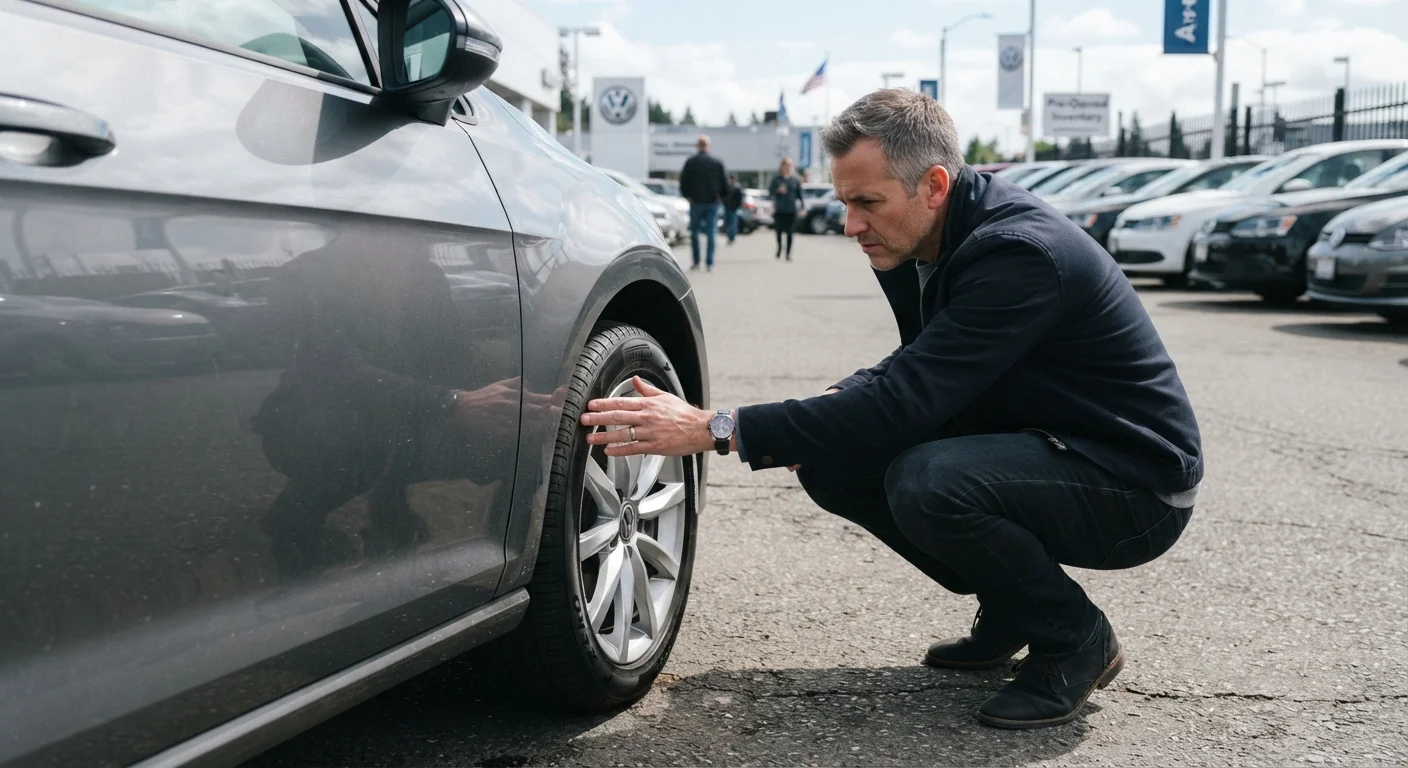
Work through these items in order. Bring a flashlight, wear clothes you can crouch in, and do your inspection in daylight whenever possible - artificial lot lighting hides a lot.
Exterior Walk-Around
Under the Hood
Interior and Electronics Check
The Test Drive
Always Get a Professional Inspection Before You Buy
No matter how thorough your own walk-around is, it cannot replace a mechanical inspection by a qualified technician. A pre-purchase inspection (PPI) performed by an independent mechanic - not one affiliated with the seller - gives you an objective assessment of the vehicle's condition. If a seller refuses to allow a PPI, that alone is sufficient reason to walk away from the deal.
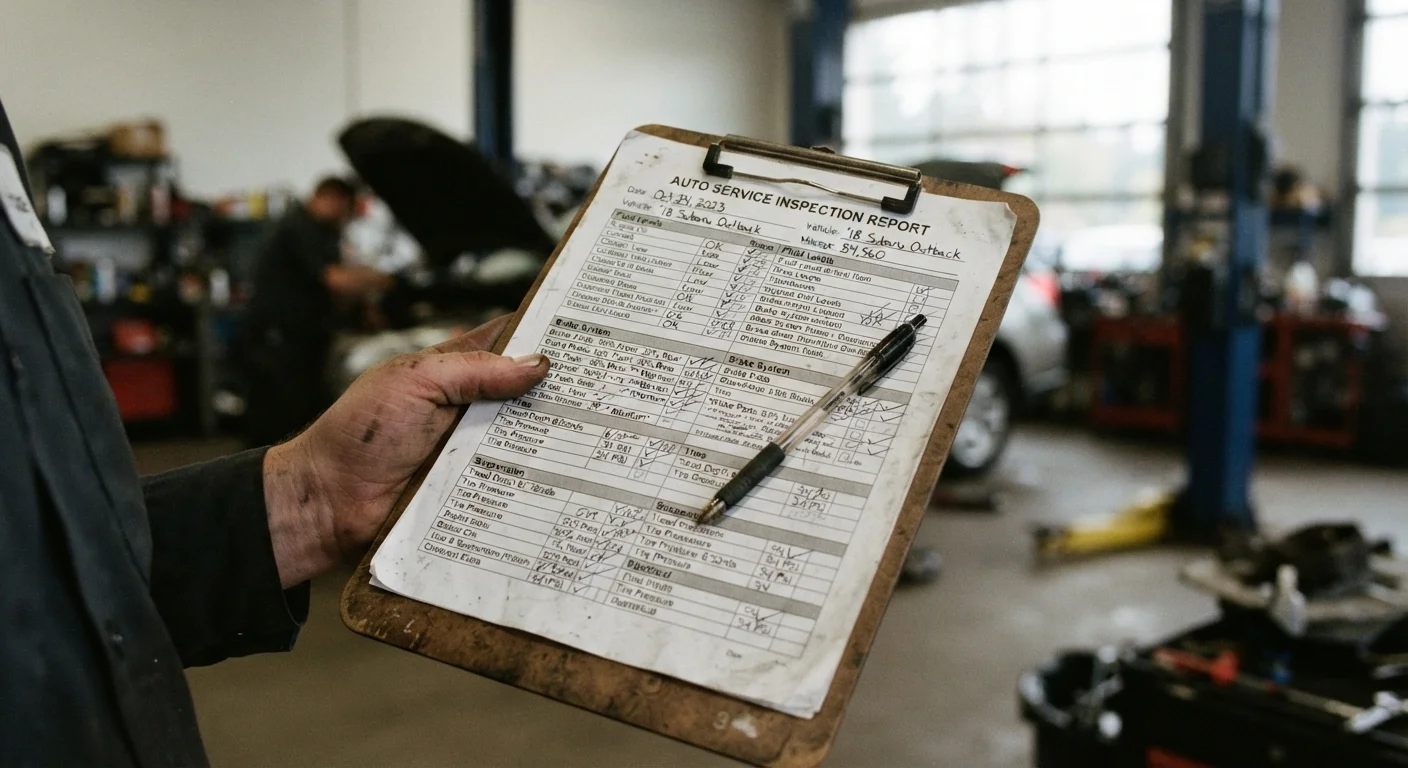
Once you've completed your own inspection and test drive, strongly consider hiring an independent mechanic to perform a professional pre-purchase inspection (PPI) before making any offer. A PPI typically costs $100-$200 and can identify mechanical, electrical, and structural issues that aren't visible to an untrained eye. To understand what the mechanic's findings actually mean, see our walkthrough on how to read a vehicle inspection report.
Tools That Help You Do This Right
You don't need specialized equipment to run a solid pre-purchase inspection, but a few basic tools make a meaningful difference in what you'll catch.
Flashlight or phone torch
Illuminates wheel wells, undercarriage, and engine bay areas that are difficult to see in lot or garage lighting.
Vehicle history report service
Provides title history, accident records, odometer disclosures, and service records tied to the VIN.
OBD-II diagnostic scanner
Reads stored and pending fault codes from the vehicle's computer, including codes that don't trigger a visible warning light.
Tire tread depth gauge
Gives an accurate measurement of remaining tread depth across all four tires, removing guesswork from a visual check.
Independent mechanic (PPI)
Performs a professional pre-purchase inspection covering mechanical, electrical, and structural systems beyond what a layperson can assess.
If you're considering a vehicle purchased across state lines, note that inspection requirements and title processes can differ significantly - review what changes when buying a car out of state before you proceed. And if the vehicle carries a certified pre-owned designation, understand that CPO coverage varies widely by manufacturer - what the CPO label actually means is worth reading before you assume what's covered.