What Title Encumbrances Actually Are
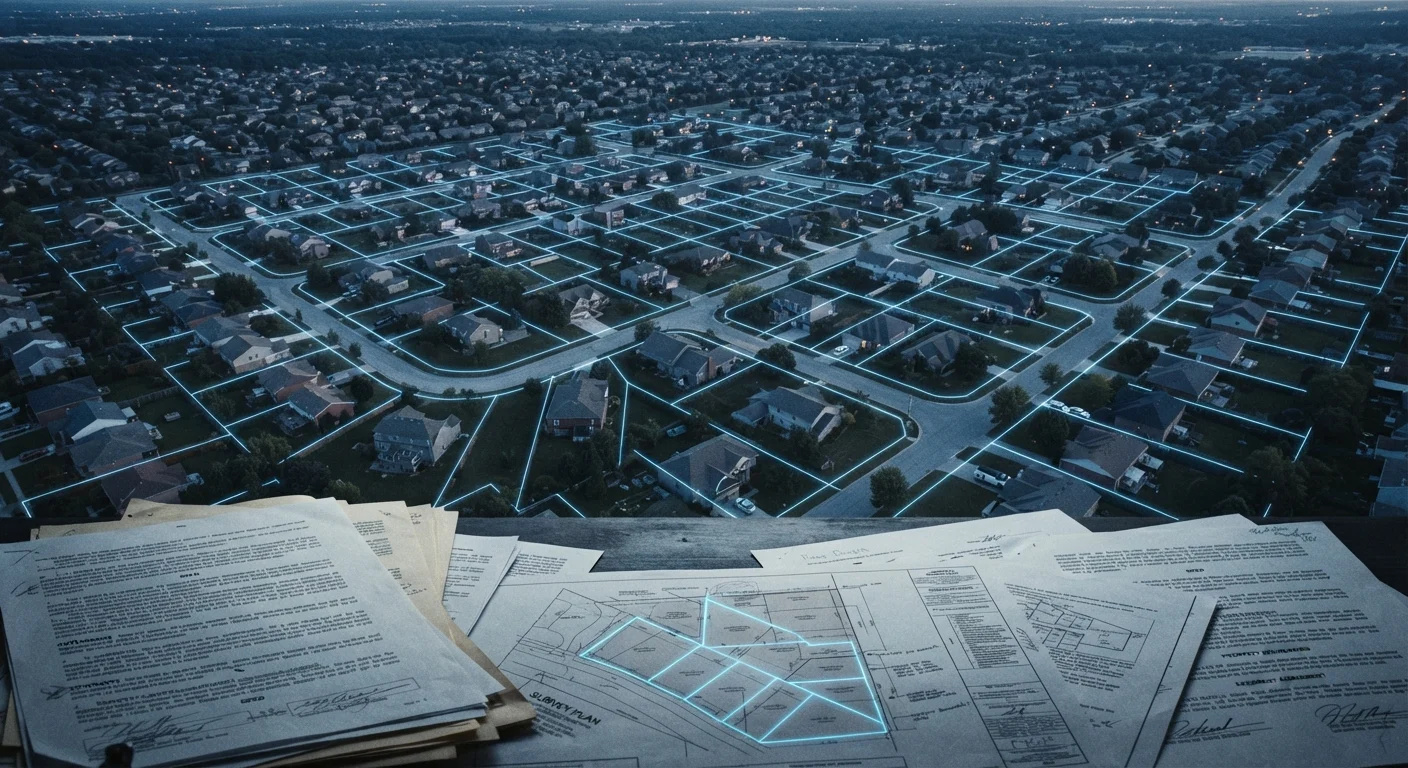
When you own real estate, your title - the legal evidence of your ownership - may carry restrictions or claims that were recorded long before you bought the property. These are called encumbrances, a broad term for any interest, right, or liability attached to a parcel of land that limits what the owner can do with it or affects its value.
Encumbrances don't disappear automatically at closing. If they weren't discovered and resolved during the title search, they transfer with the property. That's why understanding the three most common categories - liens, easements, and deed restrictions - matters for every homeowner, not just buyers.
| What an encumbrance is | Any recorded claim, restriction, or right that limits a property owner's full use of their land |
| Three main categories | Liens (financial claims), easements (use rights), and deed restrictions/covenants |
| Do encumbrances transfer at sale? | Yes - most recorded encumbrances attach to the land and bind every future owner |
| Where encumbrances are recorded | County recorder's office (also called register of deeds in some states) |
| Highest-priority lien type | Property tax liens - they typically supersede mortgage and other creditor claims |
| How to discover encumbrances | Review your title commitment, owner's policy exceptions, and county land records |
For a deeper look at what you actually pay to address title-related issues at settlement, see our guide to closing costs.
Liens: Financial Claims Against Your Property
A lien is a legal claim a creditor holds against your property as security for a debt. It doesn't mean someone else owns your home - but it does mean you generally cannot sell or refinance it until the lien is paid or otherwise resolved.
Encumbrance
Any claim, lien, easement, or restriction attached to a property that limits the owner's use or affects its value. Encumbrances are recorded in public land records and typically transfer with the property through successive ownership.
Lien
A legal claim a creditor holds against real property as security for a debt. A lien generally prevents the owner from selling or refinancing until the underlying debt is paid or the lien is formally released.
Easement
A legal right granted to a person or entity to use a portion of another's property for a specific, defined purpose. Easements are typically permanent and run with the land, binding future owners.
Mechanic's Lien
A claim filed by a contractor, subcontractor, or supplier who provided labor or materials to a property but was not paid. It attaches to the property itself, not just the owner who ordered the work.
Prescriptive Easement
An easement created when a person openly and continuously uses another's land without permission for a period defined by state law. It functions similarly to adverse possession but grants a use right rather than ownership.
Restrictive Covenant
A private condition written into a deed or CC&Rs that limits how a property may be used or developed. Covenants run with the land and can be enforced by neighboring property owners who benefit from them.
Title Search
A review of public land records to identify all recorded interests, liens, easements, and restrictions affecting a particular parcel. Typically performed by a title company or real estate attorney before a property sale.
Lien Priority
The order in which competing creditors are paid from the proceeds of a property sale or foreclosure. Generally determined by the date of recording, though certain liens - like property tax liens - take precedence by law.
Types of Liens Homeowners Encounter
- Mortgage liens - Voluntary liens created when you borrow to purchase. Your lender holds a lien until the loan is paid in full.
- Property tax liens - Government-imposed liens for unpaid real estate taxes. They take priority over almost every other claim, including mortgages.
- Mechanic's liens - Filed by contractors or suppliers who performed work or delivered materials to your property but weren't paid. These can appear even if you paid the general contractor but they failed to pay subcontractors.
- Judgment liens - Court-ordered liens that attach to your property if a creditor wins a civil lawsuit against you and records the judgment in the county where your property sits.
- HOA liens - Filed by homeowners associations for unpaid dues or assessments. Some states give HOA liens super-priority status, meaning they can move ahead of a first mortgage.
If you're curious how HOA authority connects to lien rights, our HOA rules and homeowner rights guide explains how associations can enforce financial obligations.
1 in 3
Real estate transactions with title defects found during search
The American Land Title Association has historically cited that approximately one-third of title searches uncover issues requiring resolution before closing.
~$14B
Annual US title insurance premiums written
According to ALTA industry data, the title insurance industry writes billions in annual premiums - reflecting the scale of risk that recorded encumbrances and title defects represent.
Easements: When Others Have Rights to Your Land
An easement grants a person or entity the legal right to use a portion of your property for a specific purpose - without owning it. Easements are typically recorded in the public land records and pass from owner to owner, meaning buying the property doesn't cancel them.
Common Easement Types
- Utility easements - Allow electric, gas, cable, or water companies to install and maintain infrastructure across your land. Building a structure over one typically violates the easement and may require demolition at your expense.
- Easements by necessity (access easements) - Created when a landlocked parcel has no access to a public road except through a neighboring property. The landlocked owner has a legal right of passage.
- Drainage easements - Give municipalities or neighbors the right to route stormwater across your property. Obstructing them can create liability.
- Prescriptive easements - Similar to adverse possession, these arise when a neighbor has openly used a portion of your land for a statutory period without your permission and without being stopped.
An easement doesn't diminish ownership, but it does limit how you develop or use that part of your lot. Always review the plat map and title commitment before making improvements near property boundaries.
Deed Restrictions and Covenants
Deed restrictions, sometimes called restrictive covenants, are private conditions recorded in a deed or a Declaration of Covenants, Conditions, and Restrictions (CC&Rs). They run with the land - binding every future owner - and often predate HOA formation by decades.
Common examples include limitations on property use (residential-only clauses), minimum square footage requirements for any structure built on the lot, prohibitions on certain exterior colors or materials, and restrictions on subdividing the parcel. Violating a deed restriction can expose you to lawsuits from neighboring property owners who benefit from it, even if no HOA exists to enforce the rule.
Unenforceable Restrictions Still Appear in Deeds
Racially restrictive covenants were widespread in US deeds prior to the Fair Housing Act of 1968 and remain in many recorded documents today. They have no legal force and cannot be enforced. Several states have passed laws allowing homeowners to formally disavow or remove discriminatory language from their deed through a recorded document, though the process varies by jurisdiction. If you find such language in your chain of title, consult your county recorder's office or a real estate attorney about your options.
Not all deed restrictions are legally enforceable. Courts have struck down restrictions that violate fair housing law - for example, racially restrictive covenants that were historically common in many parts of the US. While these may still appear in older deeds, they have no legal force under the Fair Housing Act and subsequent case law.
Understanding encumbrances alongside other ownership considerations - like how environmental designations affect your property - gives you a fuller picture of your rights and obligations. Our guide to flood zones and climate hazards covers another category of property-level disclosures that can affect use and value.
How to Find and Respond to Encumbrances
Most encumbrances are discoverable through a title search - a review of the public land records in the county where your property sits. Your title commitment from closing should have identified known encumbrances at the time of purchase, but new liens can be recorded after you take ownership.
Practical Steps for Homeowners
- Review your title commitment and owner's title insurance policy. These documents list known exceptions - encumbrances the policy doesn't cover - and outline what claims it will defend.
- Search the county recorder's or assessor's office records. Most counties now offer online access to recorded liens, easements, and deed restrictions tied to your parcel number.
- Hire a real estate attorney if something is unclear. Easement language and lien priority rules are technical. An attorney can assess whether an encumbrance affects your plans and whether it's contestable.
- Address mechanic's liens promptly. Most states have short deadlines - sometimes 60 to 90 days from project completion - within which contractors must file, and similarly short windows for you to contest one.
Title encumbrances are one of several hidden costs and responsibilities of homeownership that new owners often discover only after they've settled in. Knowing what's recorded against your property is simply part of owning real estate responsibly.
This article is for general informational purposes only and does not constitute legal or financial advice. Consult a licensed real estate attorney in your jurisdiction for guidance specific to your property and situation.