Why Homeowner Records Matter More Than Most People Realize
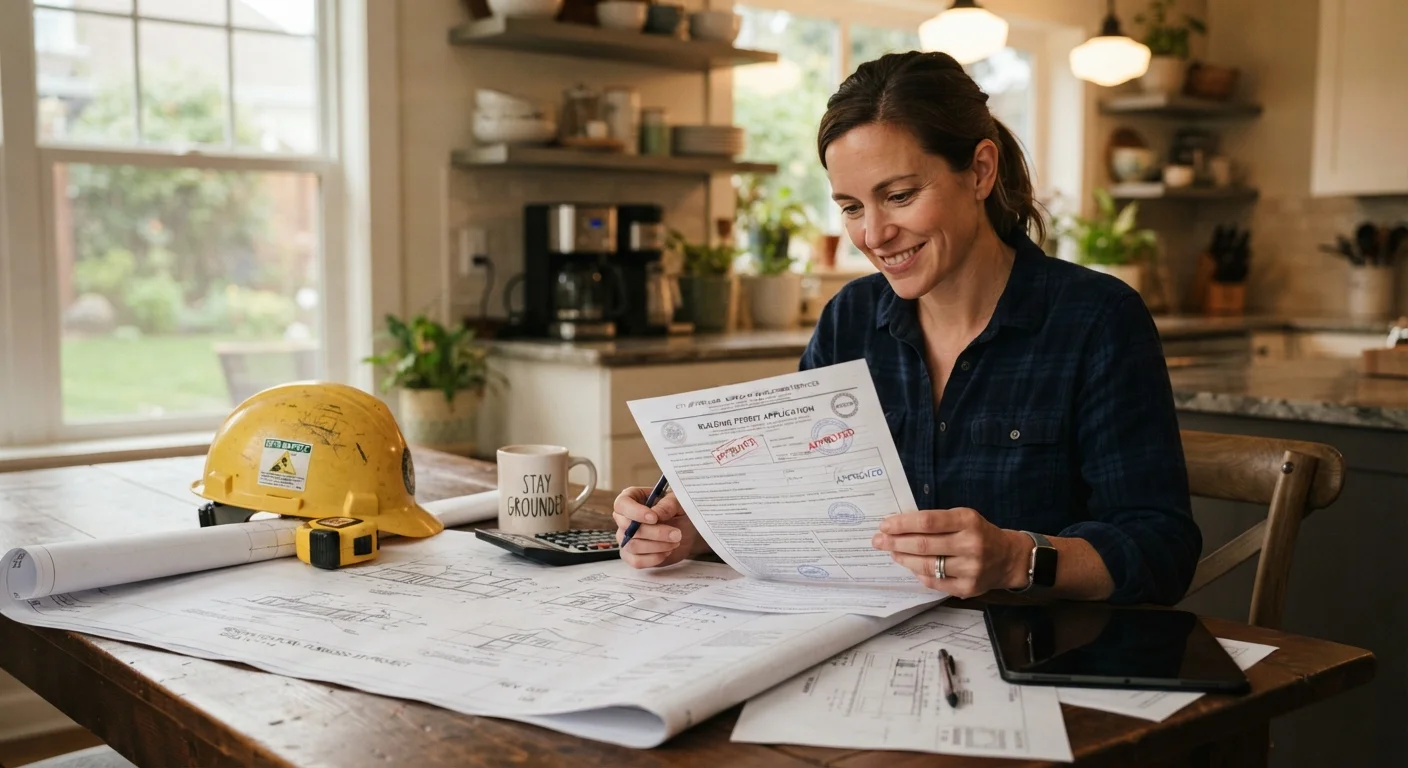
Most homeowners think recordkeeping is an administrative chore - something to deal with later. In practice, a missing permit, a misplaced warranty, or an undocumented renovation can create serious problems at the worst possible moments: a real estate closing, an insurance claim, or an IRS audit.
The financial stakes are real. Documented home improvements can be added to your home's cost basis - the original purchase price used to calculate taxable gain when you sell. If you've invested significantly in a kitchen remodel or a roof replacement without receipts to prove it, you could pay more in capital gains taxes than necessary. The IRS allows homeowners to exclude up to $250,000 in gains ($500,000 for married couples filing jointly) from the sale of a primary residence, but only costs you can document count toward reducing taxable gain above those thresholds.
Beyond taxes, buyers' agents and home inspectors will ask questions your records should answer. See our guide to building permit mistakes for a full breakdown of the resale risks tied to undocumented work.
The Core Records Every Homeowner Should Maintain
Staying on top of the ongoing costs of homeownership is easier when your documentation is already organized before a problem arises.
How to Organize and Store Your Records
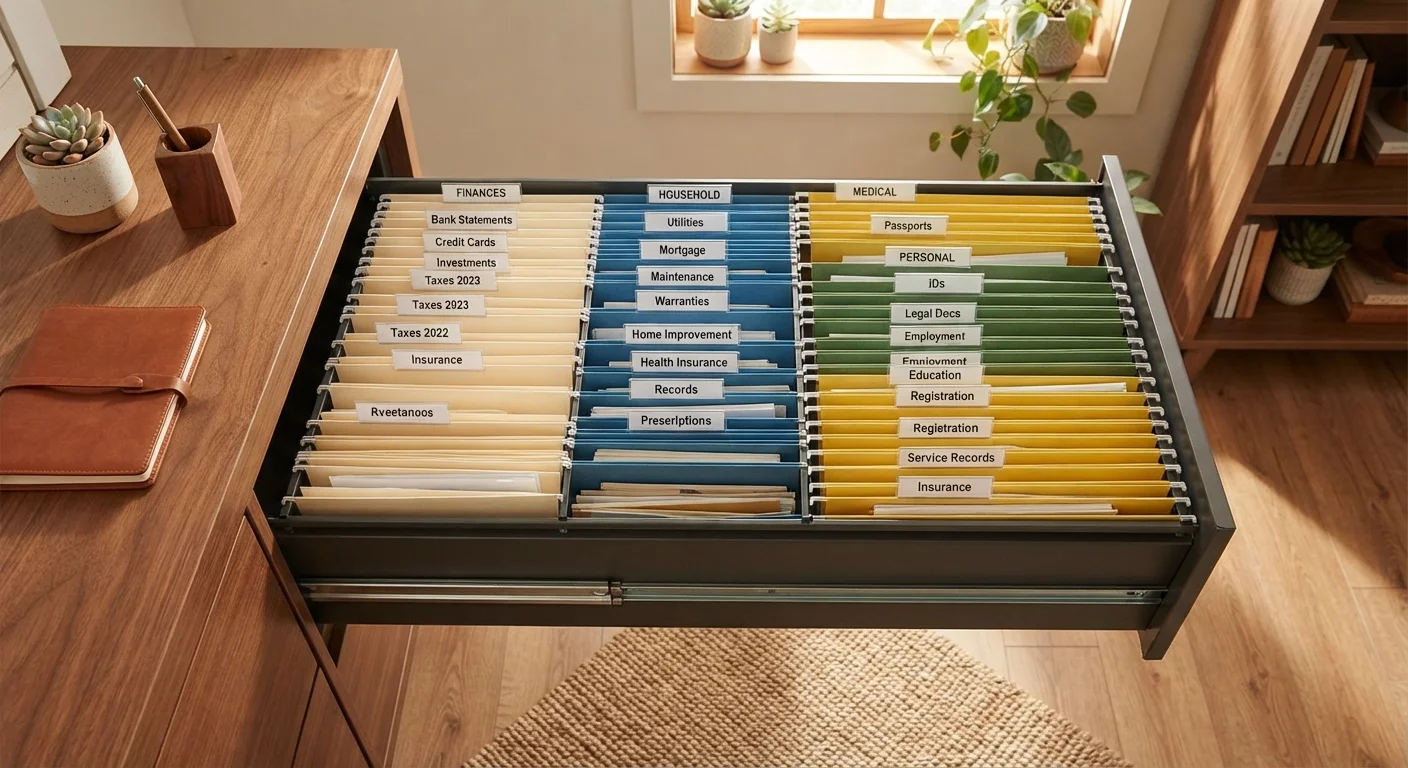
A practical system doesn't need to be complicated. Many homeowners keep a physical binder divided into categories - permits, warranties, appliances, and maintenance - alongside a mirrored digital folder backed up to cloud storage. When a repair is completed, the receipt goes in immediately rather than into a junk drawer.
For ongoing upkeep documentation, the annual home maintenance calendar provides a useful framework for timing seasonal tasks and keeping service records current. If you're planning renovations, the renovation planning checklist outlines what to document before and after work begins.
Photograph Work Before Walls Close Up
Before drywall is installed over new wiring, plumbing, or insulation, photograph the open walls. These images document what's behind your walls - invaluable if future work is needed and essential proof that work was completed. Store the photos alongside the corresponding permit and contractor invoice in your records system.
Passing Records On at Resale
When you sell, your records become a selling asset. A complete folder of permits, inspection reports, appliance manuals, and repair history signals to buyers that the home has been responsibly maintained - and removes negotiating leverage from buyers who might otherwise cite unknown history to push for a lower price.
Organize records as a transferable package before listing. Include the original purchase documents, all permits with final inspection sign-offs, transferable warranties (common with roofing, HVAC systems, and some appliances), and a log of major repairs with contractor contact information. This transparency can accelerate closing and reduce the likelihood of last-minute renegotiations.
This article provides general informational guidance for homeowners and is not a substitute for advice from a licensed real estate professional, tax adviser, or attorney regarding your specific situation.