Why Building Permits Matter More Than Most Homeowners Realize
Building permits exist for a practical reason: they create an official record that renovation work was reviewed and inspected against local safety codes. That inspection layer is what stands between your family and structural failures, electrical fires, or plumbing leaks hidden inside walls. Yet many homeowners view permits as bureaucratic overhead - something to skip if the contractor suggests it or the project feels small enough.
That calculation tends to backfire. Whether you're adding a deck, finishing a basement, or upgrading your electrical panel, permit requirements vary by jurisdiction but consequences for skipping them tend to land the same way: insurance complications, resale problems, and in some cases, mandatory demolition of completed work. See our breakdown of which projects typically require permits for a clearer picture of where the line usually falls.
Assuming small or cosmetic projects don't need permits.
Why it happens: Homeowners often conflate the physical size or cost of a project with its permit requirement. A small electrical circuit addition or gas line modification can seem routine but is almost universally regulated.
Taking the contractor's word that a permit isn't necessary.
Why it happens: Some contractors avoid permits because they add scheduling delays, expose the work to inspection scrutiny, or reveal that the contractor isn't properly licensed. Homeowners often assume the professional knows the rules.
Not realizing that homeowners can pull permits themselves.
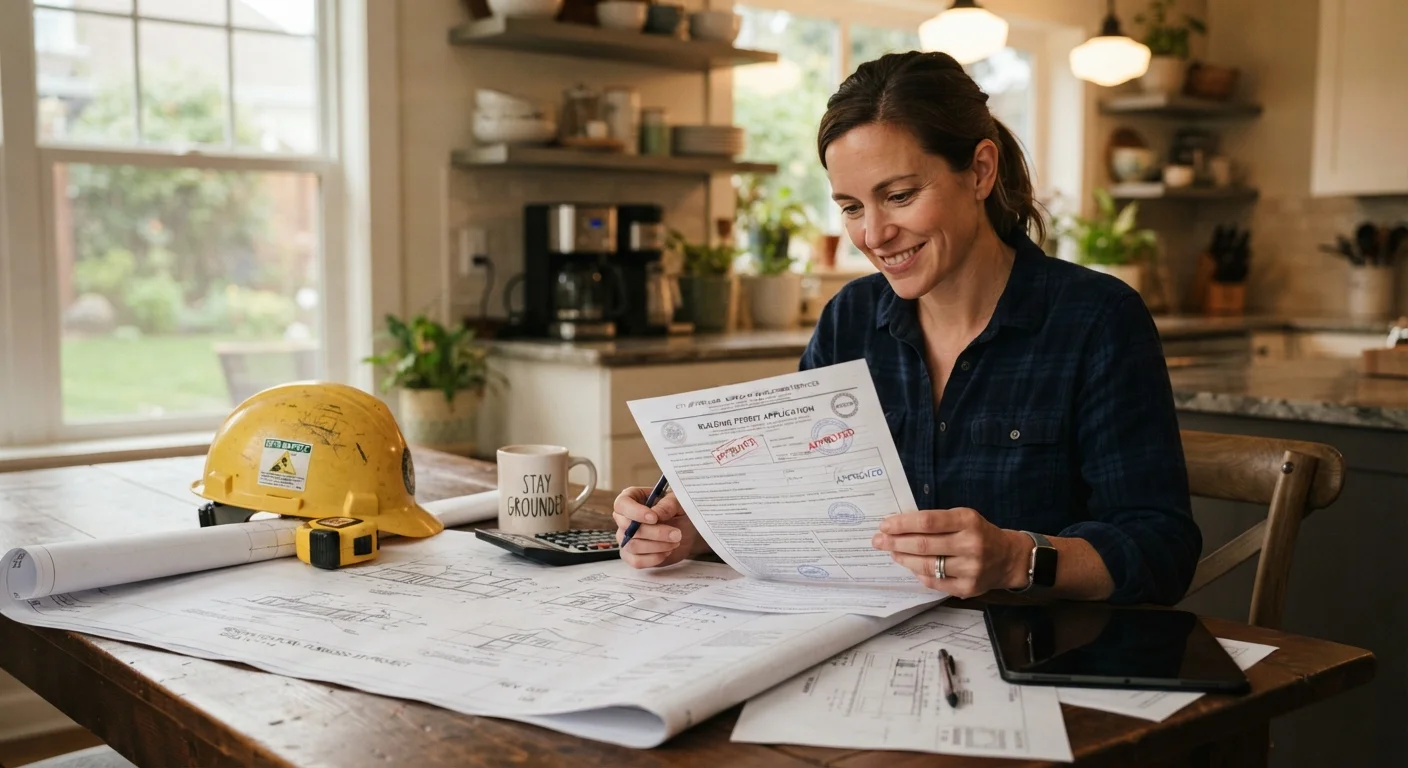
Why it happens: Many homeowners believe permits are something only contractors handle. In most US jurisdictions, the property owner has the right to pull permits for work on their own home.
Failing to close out an open permit after work is finished.
Why it happens: Homeowners or contractors sometimes get permits but never schedule the final inspection, leaving an open permit in public records. This is easy to overlook once a project is visually complete.
Thinking unpermitted work will go undetected at resale.
Why it happens: Sellers often assume that because work has been in place for years without issue, it won't be flagged. In practice, home inspectors are trained to identify signs of unpermitted additions or modifications.
The Real-World Costs of Getting This Wrong
The consequences of unpermitted work rarely surface immediately - they tend to appear at the worst possible moments. A homeowners insurance claim after a fire in a room with unpermitted electrical work may be denied, leaving the homeowner absorbing the full cost of rebuilding. When the home goes to market, a diligent buyer's inspector or the title search process can flag work that doesn't appear in municipal records, triggering demands to legalize or remove additions that seemed perfectly functional.
~$15,000+
Estimated cost to legalize unpermitted additions
Real estate professionals frequently report that retroactive permitting - including required inspections and corrective work - can cost homeowners well into five figures depending on scope and jurisdiction.
1 in 5
Homes with undisclosed unpermitted work, per industry estimates
Real estate industry practitioners have long noted that unpermitted improvements are among the most common undisclosed defects discovered during the transaction process in active housing markets.
Lenders can also push back. If an appraisal includes square footage from an unpermitted addition and that fact surfaces later, the financing can unravel. These situations are addressed in detail in our article on how renovations affect homeowners insurance coverage.
Unpermitted Work Can Derail a Sale at Closing
Even if a buyer is willing to accept a home with unpermitted additions, their lender may not be. Appraisers are required to note when finished space lacks proper permits, and lenders can exclude that square footage from the appraisal - reducing the loan amount. In some cases, lenders require proof of legalization before closing. Plan ahead, especially if you expect to sell within the next several years.
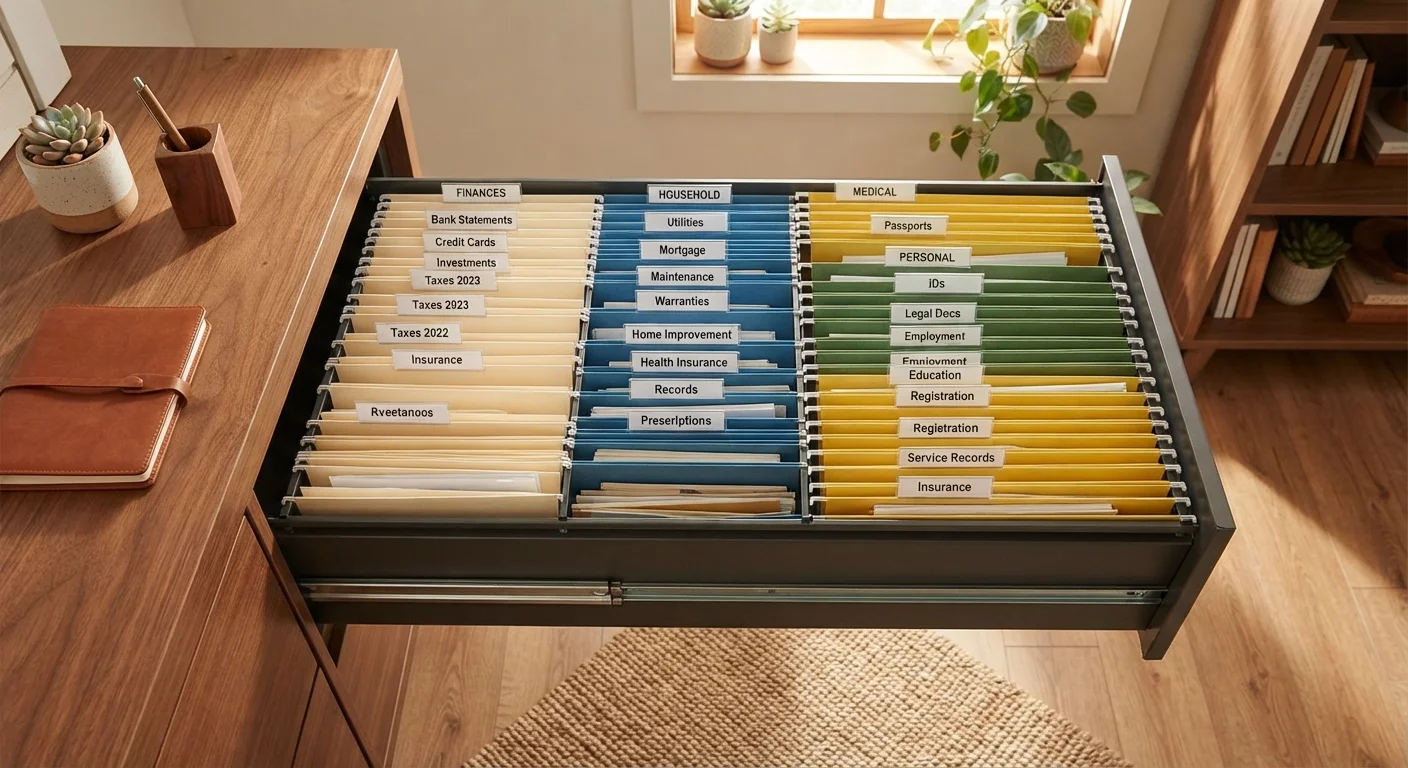
Good record-keeping can help you track what work was permitted and when. Our guide on maintaining homeowner records explains what documents to keep and how to organize them over the life of ownership.
This article is for general informational and educational purposes only. Building permit requirements vary by municipality and state. Consult your local building authority, a licensed contractor, or a qualified real estate attorney for guidance specific to your property and jurisdiction.