
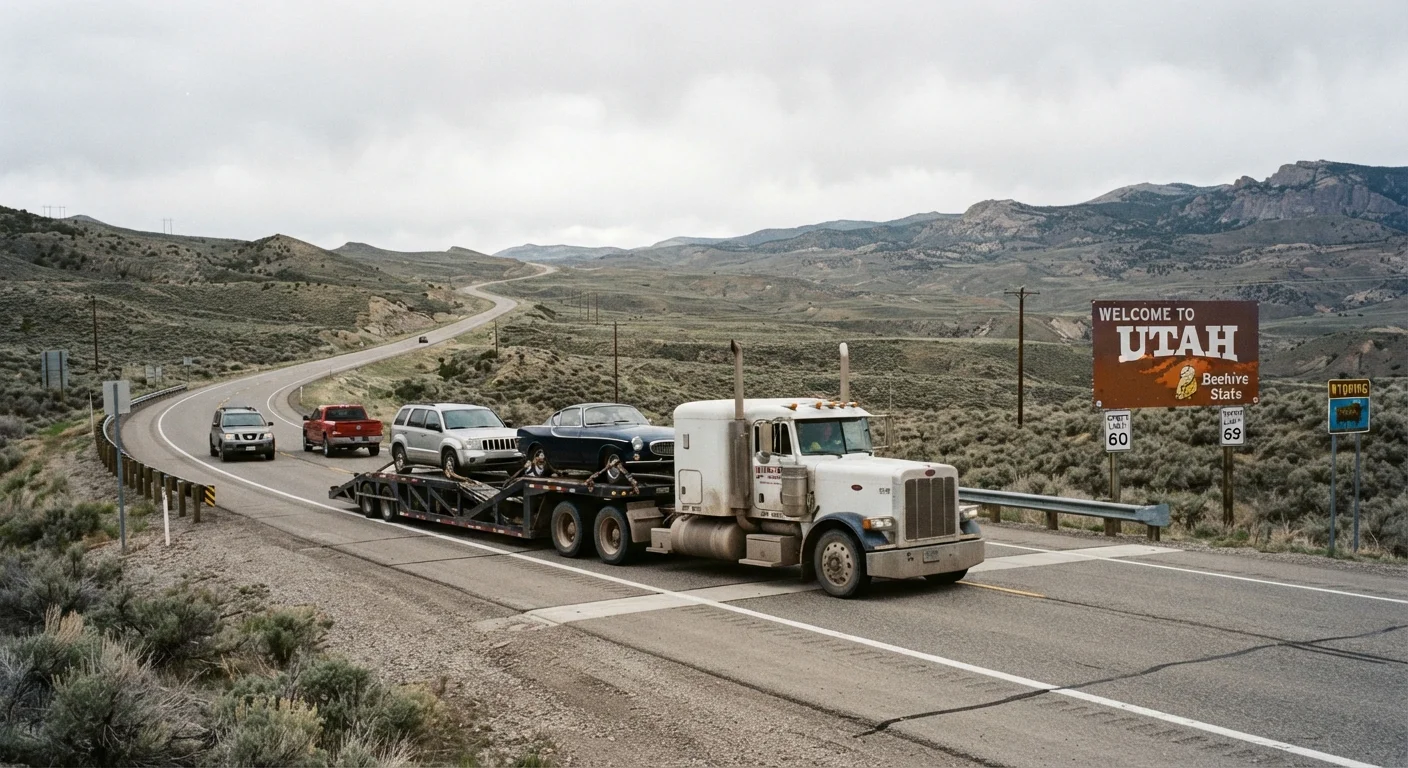
Why Out-of-State Purchases Require Extra Preparation
Shopping beyond your home state can make sense when local inventory is thin, a specific vehicle is only available elsewhere, or pricing differs meaningfully across markets. But the added distance introduces complications that a local purchase avoids: you cannot easily revisit the vehicle, the paperwork crosses jurisdictions, and tax or registration requirements may conflict between the two states.
For a broader view of how this fits into the overall vehicle-buying process, see The Full Car-Buying Journey, From Research to Signing. Understanding where an out-of-state deal sits within the full process helps you avoid treating it as a shortcut when it actually requires more preparation, not less.
What you will need
What to Verify Before You Travel or Commit
The most common mistakes in out-of-state vehicle purchases stem from skipping verification steps that feel optional but are not. Title issues discovered after purchase can be expensive and time-consuming to resolve. Emissions standards that differ between states can prevent you from registering a vehicle you already own. And tax misunderstandings can result in a larger bill than anticipated when you visit your home DMV.
Check Your Home State's Emissions Rules First
Some states - California being the most prominent example - have stricter vehicle emissions standards than federal minimums, and certain vehicles sold legally in other states may not qualify for registration at home. Confirm your state's emissions requirements before completing any purchase, particularly for older used vehicles or those not sold new in your state.
If you are early in your vehicle-shopping journey, What First-Time Car Buyers Should Know Before Setting Foot on a Lot covers foundational preparation steps worth reviewing before you begin. And before committing to any used vehicle regardless of location, the questions in Questions to Ask a Seller Before You Commit to a Used Car can surface ownership history and maintenance gaps early.
Never Wire Funds Before Verifying the Title
Out-of-state purchases - especially private-party deals found online - carry a higher risk of title fraud and scams. Before sending any payment or deposit, confirm the VIN matches the title, check for active liens through your state DMV or a title-search service, and verify that the seller's name appears on the title as the legal owner. If a deal requires urgent wire transfer without a chance to inspect the vehicle in person, treat that as a serious red flag.
Vehicle History Report Service
Used to check the VIN for accident history, odometer discrepancies, prior ownership, and open recalls.
Home State DMV Contact or Website
Required to confirm registration deadlines, tax obligations, emissions rules, and title transfer procedures.
Independent Pre-Purchase Inspector
A qualified mechanic in the selling state who can physically inspect the vehicle when you cannot return easily.
Bill of Sale Template
Documents the agreed purchase price, which your home state DMV will use to calculate sales tax owed.
Auto Transport Carrier
Moves the vehicle from the selling state to your home state if you cannot drive it back yourself.
Step-by-Step: How to Navigate an Out-of-State Purchase
The steps below cover the process from initial research through completing registration at home. Following them in order helps you avoid the most common out-of-state pitfalls - particularly around tax timing, title validity, and legal transit between states.
Research Your Home State's Rules Before Shopping
Contact your home state DMV - or review its website - before you identify a specific vehicle. You need to know: your state's sales tax rate for vehicles, whether your state credits taxes paid to another state, the registration deadline after purchase, and any emissions or safety inspection requirements. Some states give you as few as 30 days to complete registration after taking ownership.
Run a VIN Check and Title Search
Once you have a specific vehicle in mind, run a vehicle history report using the VIN. Look for salvage or rebuilt title designations, odometer rollback flags, accident and flood damage records, and open recalls. Separately, verify that the title is clear of liens - a vehicle with an outstanding loan balance requires the lender to be paid off before a clean title can transfer to you.
Arrange an Independent Pre-Purchase Inspection
Because traveling back to address problems is costly and impractical, a pre-purchase inspection by a qualified mechanic in the selling area is especially important for out-of-state deals. Ask the seller to allow the vehicle to be inspected at an independent shop - not a dealer's own service bay. The inspector should check mechanical condition, frame integrity, rust, fluid levels, and any active warning codes. See our pre-purchase inspection checklist for a detailed breakdown of what to cover.
Clarify the Tax and Fee Structure
Sales tax on a vehicle purchase is generally owed to your home state, not the state where you buy. However, some states require you to pay sales tax at the point of sale, then apply for a credit when you register at home. Others allow dealers to collect your home state's rate directly. Confirm with both the selling dealer and your home state DMV how this will work - and keep a detailed bill of sale showing the actual purchase price, since your home state will use this figure to calculate tax owed.
Secure Valid Transit Documentation
Before leaving the selling state, confirm you have legal documentation to operate the vehicle. Dealerships typically issue a temporary tag. Private-party sellers may be able to provide a transit permit depending on state rules. Also confirm your auto insurance covers the vehicle from the moment of purchase - contact your insurer before completing the deal. Without proper coverage and documentation, driving an unregistered vehicle across multiple states exposes you to legal risk.
[tip_callout]Complete Title Transfer and Registration at Home
Once home, visit your state DMV promptly. Bring the signed title from the seller, the bill of sale, your proof of insurance, payment for registration and any taxes owed, and any emissions or safety inspection documentation your state requires. Most states impose a hard deadline - missing it can result in late fees or penalties. If you purchased from a dealer, confirm whether they are mailing the title directly to your DMV or handing it to you.
This article is for general informational purposes only. Vehicle tax, title, and registration requirements vary by state and are subject to change. Always verify current requirements directly with your home state's DMV before completing a purchase.