
Set Your Budget Before You Browse
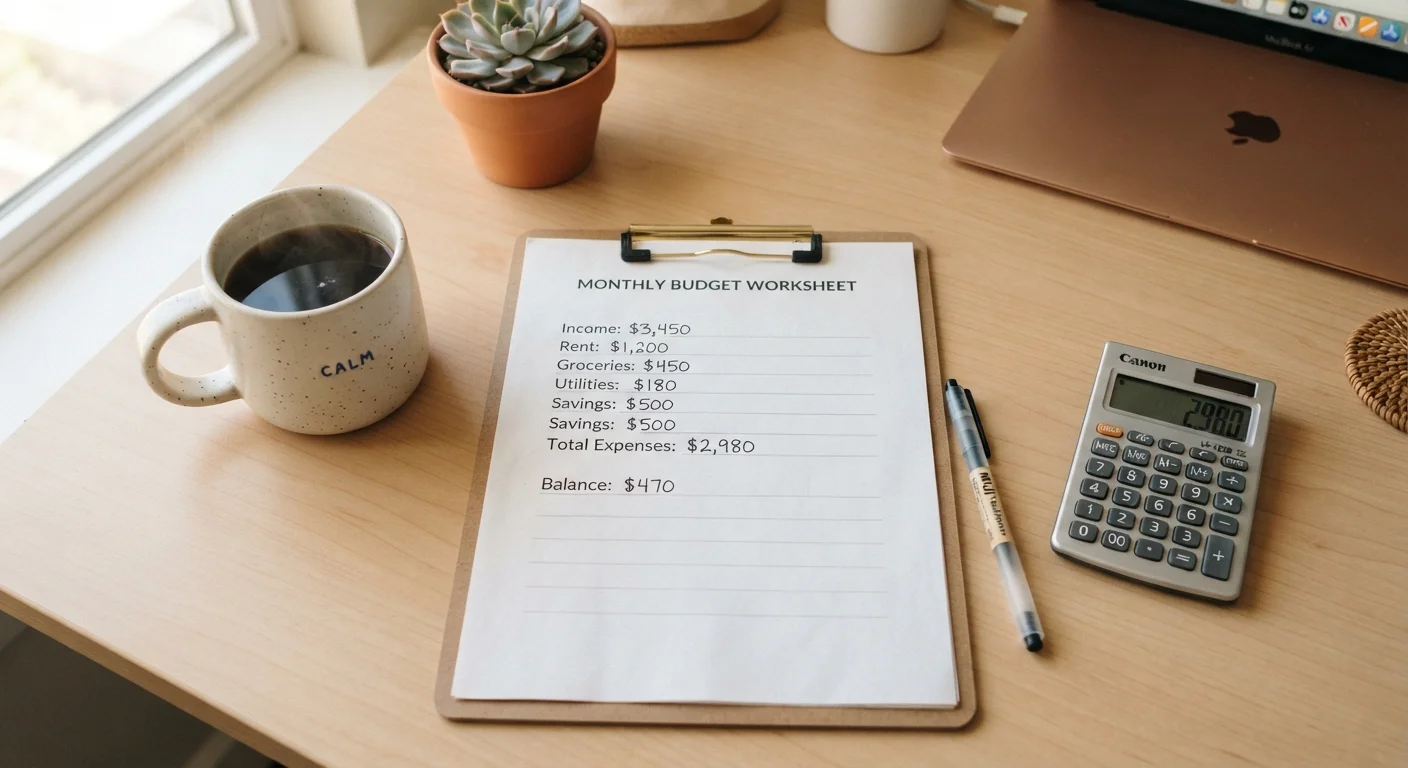
The single most effective thing a first-time buyer can do is establish a firm budget before looking at any vehicles. Without it, it's easy to fall in love with something out of reach or agree to financing terms that strain your finances for years.
A practical approach: calculate how much of your monthly take-home pay you can realistically direct toward a car payment, insurance, fuel, and maintenance combined. Many financial planners suggest keeping total vehicle costs at or below 15-20% of monthly net income, though your specific circumstances should guide that number. If you need a starting point, the budgeting basics guide offers a clear framework for mapping monthly expenses.
Also distinguish between the vehicle's sticker price and its out-the-door cost - which includes taxes, registration, and dealer fees. These additions can add several thousand dollars to the purchase price and should be factored in before you set a ceiling.
Calculate Total Cost, Not Just Payment
When a salesperson quotes a monthly payment, ask for the total purchase price, loan term, and APR separately. A low monthly payment stretched over 72 or 84 months often means paying significantly more in interest overall. Build your budget around total cost, not just what fits month to month.
Understand How Credit Affects Your Loan
Your credit score is one of the primary factors lenders use to determine your auto loan interest rate (APR). Even a modest difference in APR can translate to hundreds or thousands of dollars in additional interest over the life of a loan.
Before shopping, pull your credit reports from the three major bureaus - Equifax, Experian, and TransUnion - through AnnualCreditReport.com, the federally authorized source. Review them for errors, and dispute anything inaccurate before you apply for financing.
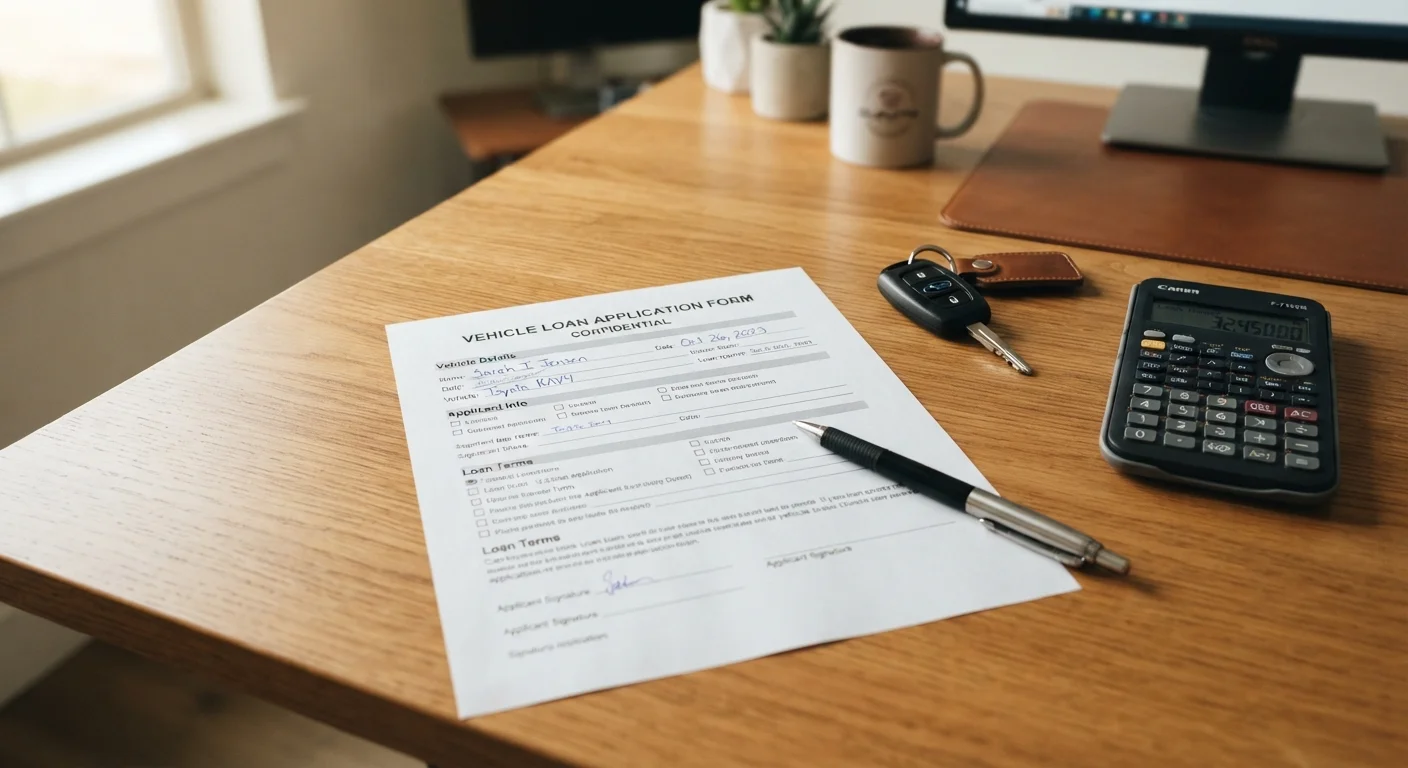
Getting pre-approved for a loan through your bank or credit union before visiting a dealership is strongly recommended. It gives you a concrete benchmark rate and removes the pressure of negotiating financing from scratch on the lot. For a detailed explanation of loan terms you'll encounter, see our auto loan terms reference guide.
APR (Annual Percentage Rate)
The yearly cost of borrowing money, expressed as a percentage. A lower APR means you pay less in interest over the life of the loan.
Out-the-door price
The total amount you actually pay to drive the vehicle off the lot, including taxes, registration, and all dealer fees - not just the sticker price.
Pre-approval
A lender's conditional agreement to loan you up to a certain amount at a specific interest rate, based on your credit profile - obtained before you shop.
Depreciation
The reduction in a vehicle's market value over time. New cars typically lose a significant portion of their value in the first few years of ownership.
Gap insurance
A type of coverage that pays the difference between what you owe on your loan and what your car is worth if the vehicle is totaled or stolen.
Vehicle history report
A document that records a used vehicle's ownership history, reported accidents, title status, and odometer readings based on its VIN number.
New vs. Used: What the Trade-Offs Actually Look Like
New vehicles come with manufacturer warranties, the latest safety features, and no ownership history to worry about. But they also depreciate sharply in the first few years - a factor that matters if you plan to sell or trade in within three to five years.
Used vehicles typically cost less upfront and may offer better value per mile driven. The trade-off is uncertainty: without a thorough inspection and vehicle history report, you may inherit a previous owner's deferred maintenance or undisclosed damage.
If you're considering a used vehicle, always request a vehicle history report (such as those available through Carfax or AutoCheck) and have an independent mechanic inspect it before committing. Knowing the right questions to ask can also reveal a great deal - our guide on questions to ask a seller before buying a used car provides a reliable starting checklist.
Never Skip the Independent Inspection
Dealership inspections and vehicle history reports are useful starting points, but they don't replace a pre-purchase inspection by an independent mechanic you choose and pay yourself. Even vehicles that appear clean on paper can have mechanical issues that only a hands-on inspection will catch. Budget $100-$200 for this step - it's insurance against a far costlier mistake.
What to Do Before and During the Test Drive
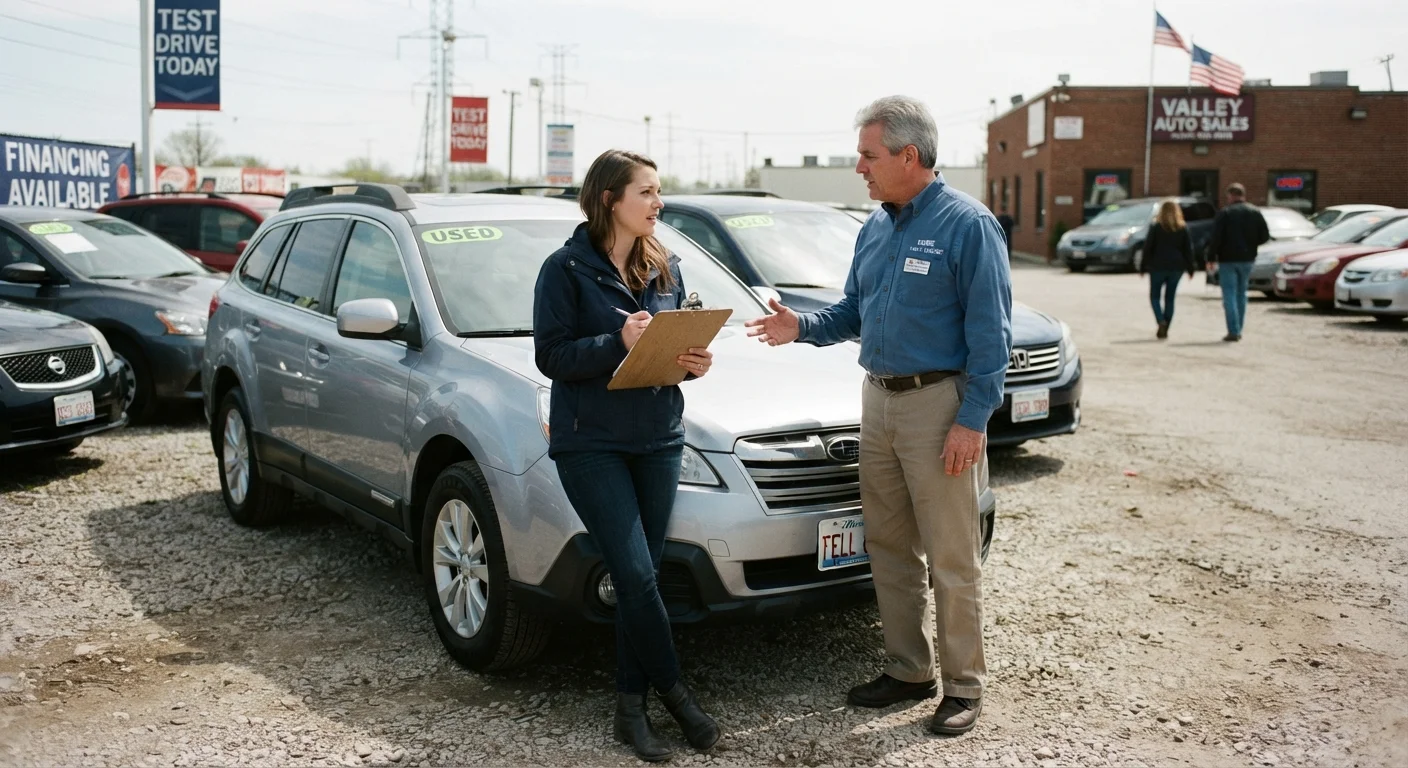
Research before the test drive matters as much as the drive itself. Use resources like consumer databases and owner forums to understand common reliability issues for any vehicle you're seriously considering. Narrow your list to two or three realistic candidates before setting foot on a lot.
During the test drive, go beyond the basics. Drive on the highway if possible, test braking at speed, and pay attention to wind noise, seat comfort, and visibility. Bring a checklist if it helps you stay objective. Emotions can run high when you're sitting in something that feels right - that's exactly when systematic evaluation pays off.
For a step-by-step walkthrough of every stage from research to signing, the full car-buying journey guide covers the process in depth.
Navigating the Dealership Without Overpaying
Dealerships operate in ways that can be confusing for first-time buyers. Salespeople are trained to negotiate on monthly payment rather than total price - a tactic that can obscure how much a vehicle actually costs when fees, loan length, and add-ons are factored in. Always anchor your negotiation to the out-the-door price.
The finance and insurance (F&I) office, where you sign paperwork, frequently introduces add-ons like extended warranties, gap insurance, and paint protection. Some of these products have genuine value depending on your situation; others are overpriced or duplicative of coverage you may already have. Ask for an itemized breakdown and take time to evaluate each item independently.
Understanding why buyers commonly overpay - and the patterns dealerships use - is covered in detail in our article on why buyers overpay at the dealership.
Dealership Financing Isn't Always the Worst Option
While dealer-arranged financing sometimes carries higher rates, dealerships occasionally have manufacturer incentive programs offering competitive rates on new vehicles. The key is to arrive with a pre-approved loan offer so you have a real comparison point. Never evaluate dealership financing in isolation.
After You Sign: Costs That Continue
Vehicle ownership doesn't stop at the purchase price. Insurance, fuel, routine maintenance, registration renewal, and eventual repairs are ongoing costs every owner faces. Before committing to a vehicle, get actual insurance quotes for it - rates vary significantly by make, model, age, and your driving history.
Maintenance schedules vary by vehicle and manufacturer. Keeping up with oil changes, tire rotations, brake inspections, and other manufacturer-recommended services protects both the vehicle and its resale value. Our car maintenance hub is a practical resource once you're behind the wheel.
If your purchase involves crossing state lines - for inventory access or a private sale - title, tax, and registration rules become more complicated. The guide on buying a car out of state outlines what to verify before you proceed.