
Set Your Budget Before You Shop
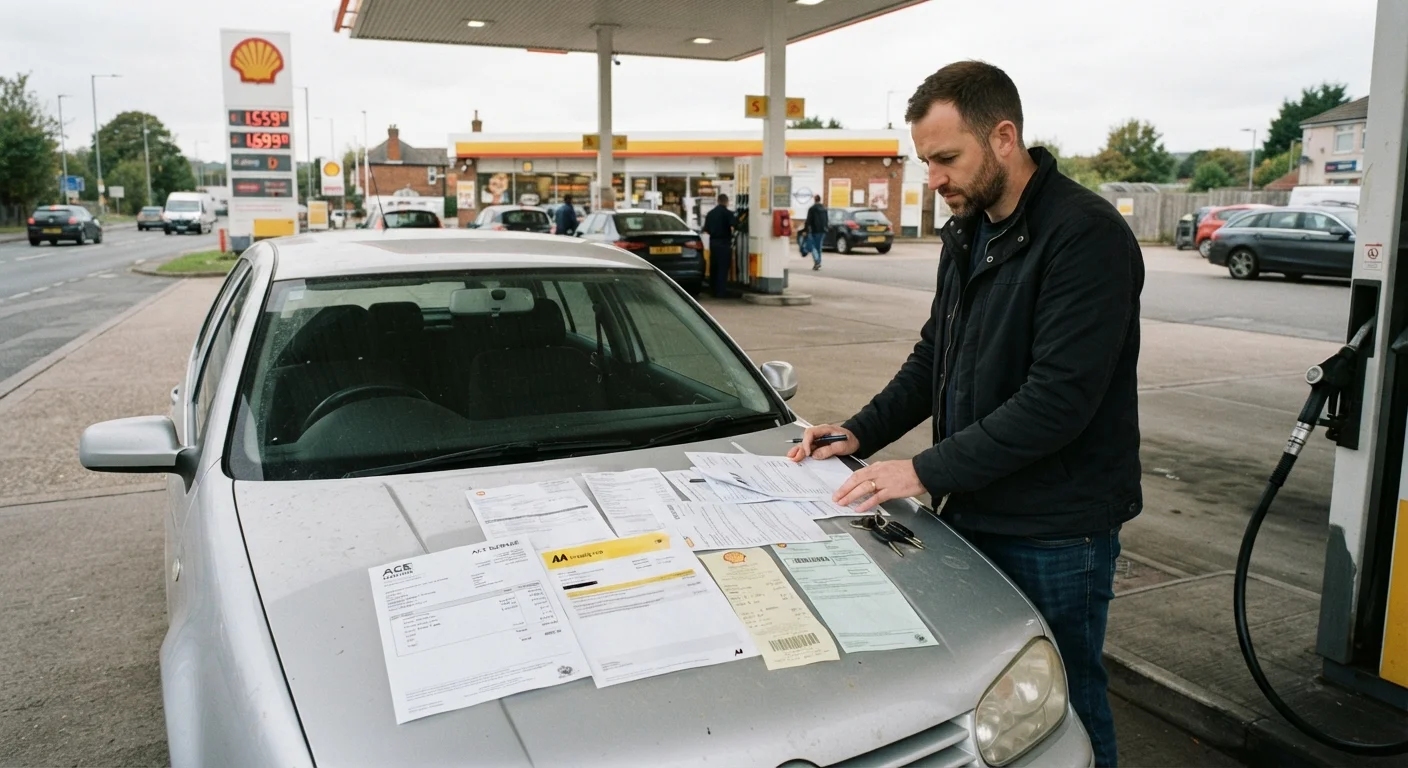
The most common car-buying mistake happens before anyone sets foot on a lot: skipping a realistic budget. Your budget isn't just the purchase price - it includes insurance, fuel, registration, and routine maintenance. These ongoing costs can easily add hundreds of dollars per month on top of a loan payment.
A widely used guideline suggests keeping total transportation costs - loan payment, insurance, fuel, and upkeep - under 15-20% of your monthly take-home pay. That number will vary based on your situation, but it's a useful starting point. If you're new to vehicle ownership, our guide on what first-time buyers should know walks through how your credit score affects loan terms and why pre-approval matters.
Get Pre-Approved Before You Shop
Securing a loan pre-approval from your bank or credit union before visiting any dealership gives you a firm budget ceiling and real negotiating leverage. You're under no obligation to use it - but having it prevents you from making decisions based on a monthly payment number rather than total cost.
Also factor in depreciation. A new vehicle can lose a significant portion of its value in the first few years. For many buyers, a slightly older model offers far more value for the money.
Research Vehicles That Fit Your Needs
Once you know your price range, focus on what you actually need the vehicle to do. Commute-heavy driving favors fuel efficiency; hauling or towing demands payload and powertrain ratings; families often prioritize safety ratings and cargo space. List your non-negotiables before browsing.
Reliable sources for vehicle research include the National Highway Traffic Safety Administration (NHTSA) for crash-test ratings and recall history, and the Insurance Institute for Highway Safety (IIHS) for safety awards and testing. Owner forums and long-term reliability surveys from consumer research organizations can surface real-world durability patterns that brochures won't mention.
~$48,000
Average new vehicle transaction price in the U.S.
Based on industry data tracking average transaction prices across new vehicle segments in recent years.
15-20%
Recommended max share of income for transportation costs
A commonly cited guideline from personal finance researchers for keeping vehicle expenses manageable within a household budget.
$100-$200
Typical cost of an independent pre-purchase inspection
A small upfront investment that can reveal costly mechanical or structural issues before you commit to a purchase.
Once you have a shortlist, pull ownership cost estimates - fuel economy ratings from the EPA, average insurance cost by model class, and any known maintenance intervals or expensive repairs. A vehicle that looks affordable at purchase can be costly to run. See the full picture in our breakdown of ongoing vehicle ownership costs.
New, Used, or Certified Pre-Owned?
Each category has genuine trade-offs. New vehicles come with full manufacturer warranties and the latest safety technology, but carry the steepest depreciation curve. Used vehicles cost less upfront and have already taken the biggest depreciation hit, but require more due diligence on condition and history. Certified Pre-Owned (CPO) programs - offered by manufacturers through franchised dealers - sit in between: used vehicles that have passed a multi-point inspection and carry a limited extended warranty.
CPO Programs Vary by Manufacturer
Certified Pre-Owned designations are not standardized across the industry. The inspection criteria, warranty length, coverage scope, and whether the warranty is manufacturer-backed or dealer-backed differ considerably. Ask for the written CPO inspection report and warranty terms for any CPO vehicle you're considering.
CPO programs vary significantly by manufacturer. Before treating a CPO designation as a guarantee of quality, ask specifically what the inspection covered, what the warranty terms are, and whether it's backed by the manufacturer or just the dealer.
The Test Drive and Pre-Purchase Inspection
A test drive is non-negotiable, but it needs to be purposeful. Drive at highway speeds, not just parking lot speeds. Test the brakes firmly. Evaluate visibility, seat comfort over a longer stretch, and how the transmission behaves in stop-and-go traffic. For used vehicles especially, listen for any unusual noises under acceleration or braking.
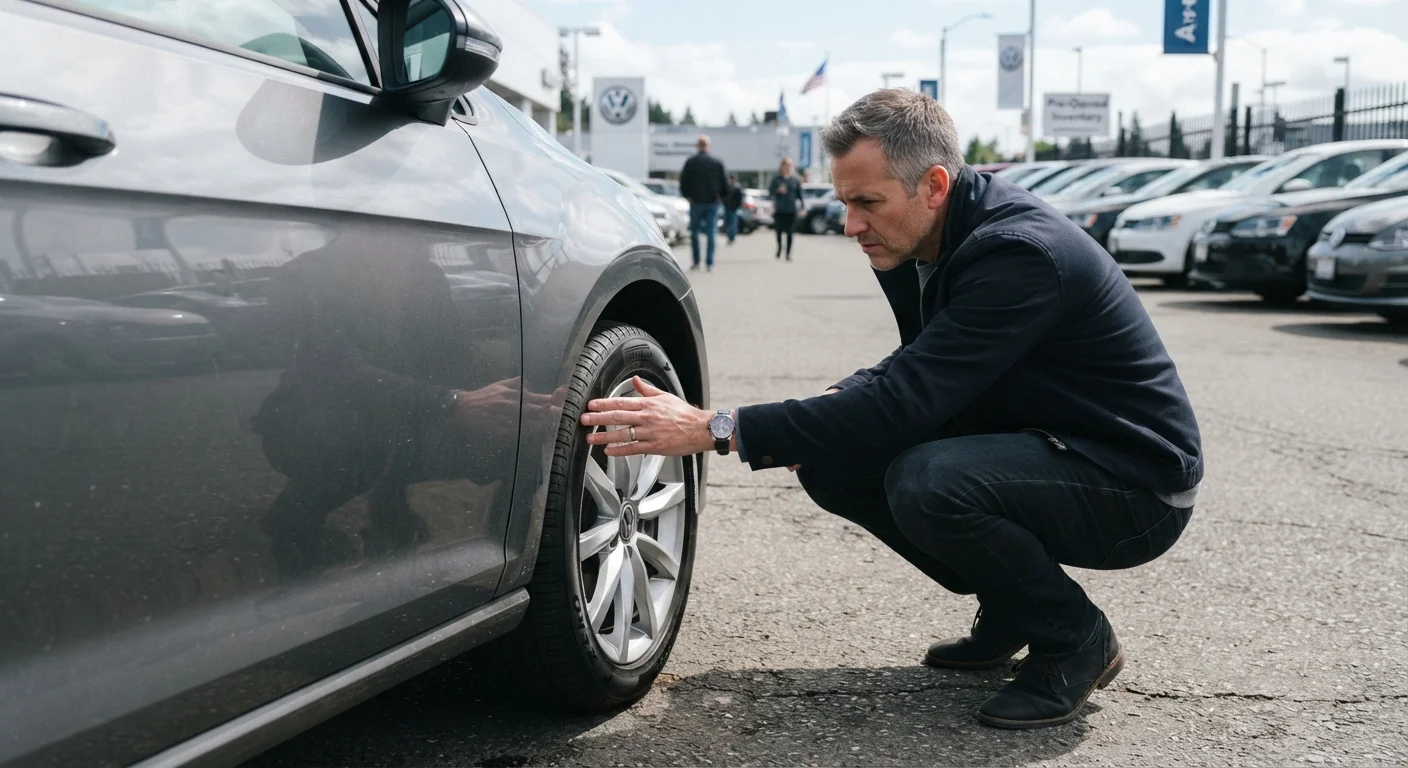
Our pre-purchase inspection checklist covers what to examine systematically, both during the drive and visually before you start the engine.
Pull your credit report and check for errors before applying for any auto financing. Even a minor reporting error can lower your score and cost you a higher interest rate.
Lenders use your credit score to determine the interest rate they'll offer. Errors on credit reports are more common than most consumers realize, and correcting them ahead of time can meaningfully reduce your borrowing cost.
Time your purchase toward the end of a month or quarter when sales staff are often working to hit targets - but don't let timing pressure you into a deal that doesn't work for your budget.
Dealership sales cycles are real, and buyers sometimes find more willingness to negotiate near quota deadlines. That said, a bad deal at the right time is still a bad deal.
For any private-party or dealer used vehicle, strongly consider paying for an independent pre-purchase inspection by a qualified mechanic of your choosing - not one recommended by the seller. This typically costs $100-$200 and can reveal expensive issues that aren't visible during a test drive. If a seller refuses to allow an independent inspection, treat that as a serious red flag.
Before buying used, also run a vehicle history report using the VIN (Vehicle Identification Number). These reports flag title issues, reported accidents, odometer discrepancies, and prior use as a fleet or rental vehicle. Review the questions you should be asking sellers directly with our guide: questions to ask a seller before you commit.
Negotiating the Deal
Price negotiation works best when you've done your homework. Know the fair market value for the specific vehicle - year, trim, mileage, condition, and your region all affect price. Resources like Kelley Blue Book and Edmunds publish market value estimates that give you a credible reference point.
Keep Price, Trade-In, and Financing Separate
Negotiating the vehicle purchase price, your trade-in value, and your loan terms as a single bundled conversation is one of the most common ways buyers lose money at the dealership. Settle each element independently so you can evaluate each one clearly. Dealers are experienced at combining these figures in ways that benefit their margin.
Negotiate the out-of-pocket price of the vehicle first, before introducing trade-in value or monthly payment discussions. Dealers may bundle these figures in ways that obscure the actual deal you're getting. Settle the vehicle price, then discuss the trade-in separately, and finally move to financing terms.
Be prepared to walk away. In most markets, there are multiple sellers of similar vehicles. Walking away - or credibly signaling you will - remains one of the most effective negotiating positions a buyer can hold.
Financing and the Finance Office
If you're financing, obtain pre-approval from your bank or credit union before visiting the dealership. Dealer financing can be competitive, but walking in with an outside offer gives you a concrete benchmark and negotiating leverage.
The finance and insurance (F&I) office is where many buyers lose ground they gained during price negotiation. Add-on products - extended warranties, paint protection packages, gap insurance, tire and wheel coverage - are presented quickly and can add significant cost. Some may be worth considering; many are not. Ask for any add-on's pricing and terms in writing, and research each independently before agreeing.
Watch Out for Payment-Focused Negotiation
When a salesperson asks 'what monthly payment are you comfortable with?' rather than discussing price, it can obscure the total cost of the vehicle. A longer loan term lowers monthly payments but significantly increases what you pay overall in interest. Always evaluate total cost, not just the monthly figure.
Gap insurance, which covers the difference between what you owe on a loan and what an insurer pays if the vehicle is totaled, is sometimes worth having on a new car with a small down payment. However, your own auto insurer may offer the same coverage at a lower cost than the dealer version. Check before buying at the dealership.
Signing and Driving Away
Before you sign anything, read the full purchase agreement and financing contract - not just the summary page. Confirm the vehicle price, interest rate, loan term, total amount financed, and any add-ons you agreed to are accurately reflected. Verify that nothing was added without your approval.
Once you drive away, your ongoing relationship with your vehicle begins. Staying ahead of routine maintenance is what preserves reliability and protects the money you've just invested. Our car maintenance hub covers the essential upkeep every driver should understand.
Buying a car is one of the larger financial decisions most households make. Approaching each stage methodically - budget, research, inspection, negotiation, financing, and signing - dramatically reduces the chance of expensive surprises and puts you in a position to get genuine value from the transaction.