
What a Vehicle History Report Actually Contains
When you run a vehicle history report, you're pulling together officially recorded data tied to that specific car's VIN. Here's what most reports cover:
- Title history: Whether the title is clean, or carries a salvage, flood, rebuilt, or lemon law designation.
- Reported accidents: Collision events that were submitted to an insurer or documented by law enforcement.
- Odometer readings: Mileage snapshots recorded at inspections, service visits, and ownership transfers - useful for spotting rollback fraud.
- Ownership history: How many owners the vehicle has had and, in many cases, whether it was previously used as a rental, fleet, or lease vehicle.
- Open recalls: Some reports flag unresolved manufacturer safety recalls tied to that VIN.
- Lien status: Whether any outstanding loans are attached to the vehicle.
These data points come from a patchwork of sources - state DMV filings, insurance company submissions, auto auctions, and dealership service records. No single provider has access to every source, which is one reason reports from different services can sometimes differ.
~40M
Used vehicles sold annually in the US
The National Automobile Dealers Association estimates tens of millions of used vehicle transactions occur each year in the US, making pre-purchase due diligence especially important.
1 in 5
Used vehicles with undisclosed problems
Industry research and consumer advocacy organizations have consistently estimated that a significant share of used vehicles on the market carry issues not disclosed by sellers.
17 digits
Characters in every VIN
Every vehicle sold in the US since 1981 carries a standardized 17-character Vehicle Identification Number - the key you need to run any history report.
Where Vehicle History Reports Fall Short
Understanding the gaps is just as important as knowing what's included. A vehicle history report only captures what was formally reported. That leaves meaningful blind spots:
- Unreported accidents: A private seller who pays for repairs out of pocket after a minor collision has no obligation to report it. That damage disappears from the paper trail entirely.
- Mechanical condition: Reports don't describe worn brakes, aging belts, failing sensors, or engine issues. They're a records document, not a mechanical assessment.
- Quality of repairs: Even a reported accident tells you damage occurred - it doesn't tell you whether the repair was done properly or by a qualified shop.
- Private-party service records: Maintenance done at home or paid cash to an independent shop often goes unlogged. A car with spotty service history in the report may simply have been maintained privately.
These limitations don't make the report useless - they make it one tool among several. Think of it the way you'd think about a credit report: useful context, but not the whole story. Just as you'd review what's on your credit report before making a major financial decision, a vehicle history report gives you a structured starting point - not a final verdict.
Report Coverage Varies by Provider
Different vehicle history report services access different data sources, so the same car can produce slightly different reports depending on which service you use. Coverage also varies by state - some states share DMV data more comprehensively than others. Checking reports from more than one provider can sometimes surface additional detail.
How to Use a Vehicle History Report Effectively
The report works best when it's the beginning of your due diligence, not the end. Here's how to put it to work:
- Check the title status first. A salvage, flood, or lemon law designation is a hard flag that warrants serious scrutiny - or walking away entirely, depending on your risk tolerance.
- Trace the odometer readings. If reported mileage jumps backward between entries, that's a significant warning sign of potential fraud.
- Count the owners and note the pace. Multiple owners within a short window can indicate recurring problems the previous owners discovered.
- Cross-reference with a professional inspection. A qualified independent mechanic can assess what records can't capture - wear, leaks, structural integrity, and overall mechanical health. See our pre-purchase inspection checklist before you commit.
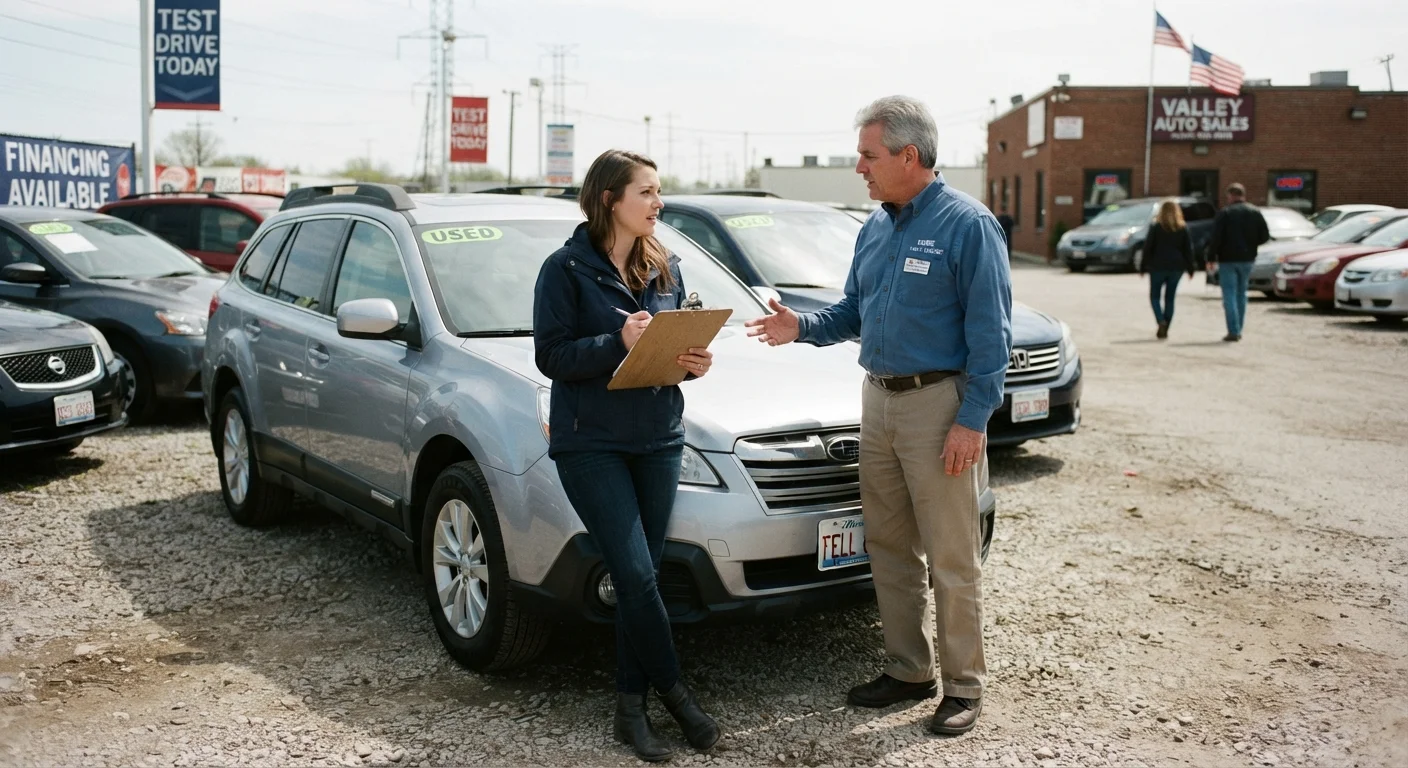
- Ask the seller pointed questions. The report gives you specific events to ask about - use them. Our guide on questions to ask a seller can help you dig into gaps the report leaves open.
If a seller resists providing the VIN or discourages you from running a report, treat that as a red flag in itself. Transparency is reasonable to expect in any used vehicle transaction.
Get the VIN Before You Meet the Seller
Ask for the VIN in your initial message or listing inquiry. Running the report before the visit lets you walk in knowing what questions to ask - and saves you a trip if the report reveals a dealbreaker like a salvage title. Sellers who won't share the VIN ahead of time are worth approaching with added caution.
Pairing the Report With an Inspection
A vehicle history report and a professional inspection serve different purposes and work best together. The report tells you what was recorded about the car's past; the inspection tells you what's true about the car right now. Neither replaces the other.
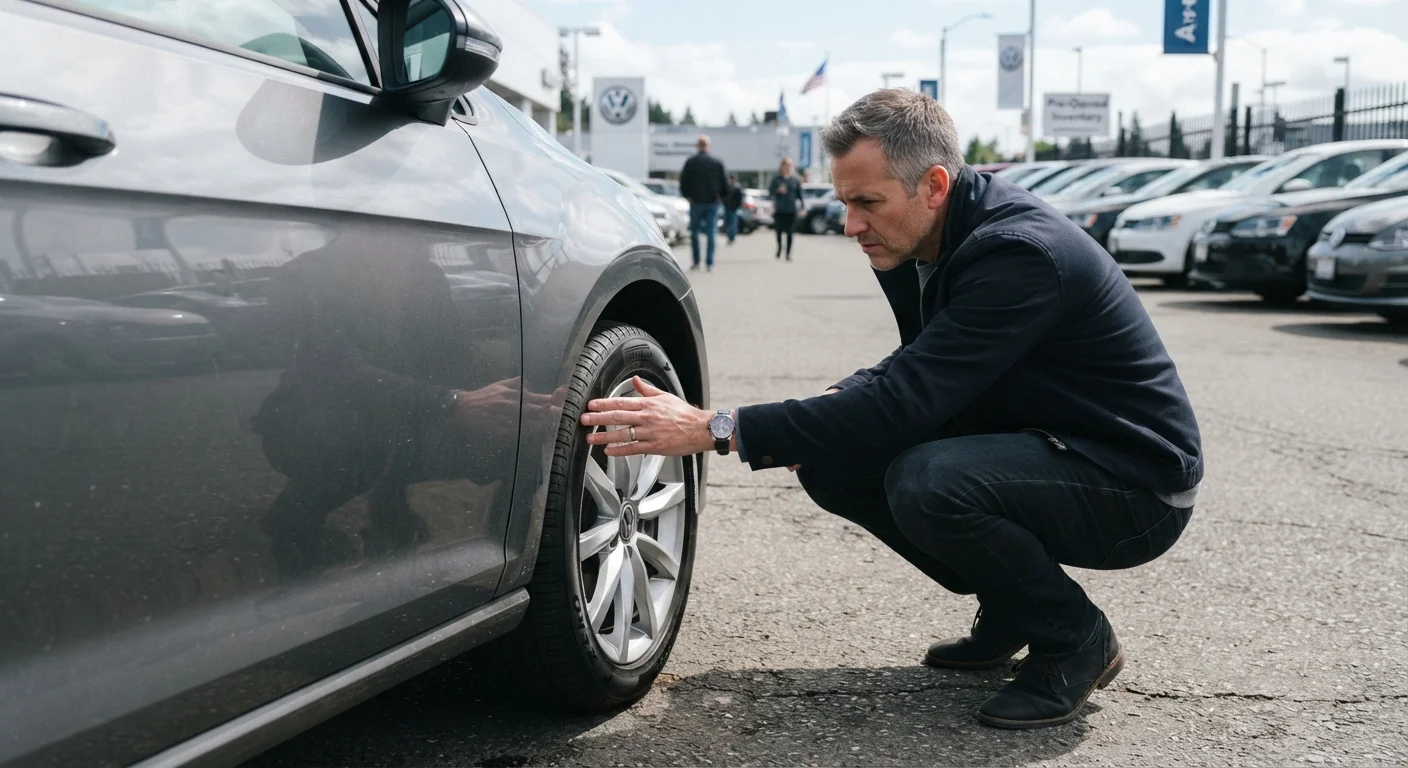
An independent mechanic performing a pre-purchase inspection will physically examine components - brakes, suspension, fluid conditions, frame alignment, and signs of prior bodywork - that no document can capture. If the history report flags a prior accident, the inspector can specifically assess whether the affected area was repaired correctly. If the report is clean, the inspector can still catch deferred maintenance or wear that would otherwise go unnoticed.
For guidance on interpreting what comes out of that inspection, our guide to reading a vehicle inspection report breaks down the terminology and explains which findings typically require follow-up. Used together, these two documents give you a far more complete picture than either one alone.