Why Minimum Payments Are Set So Low
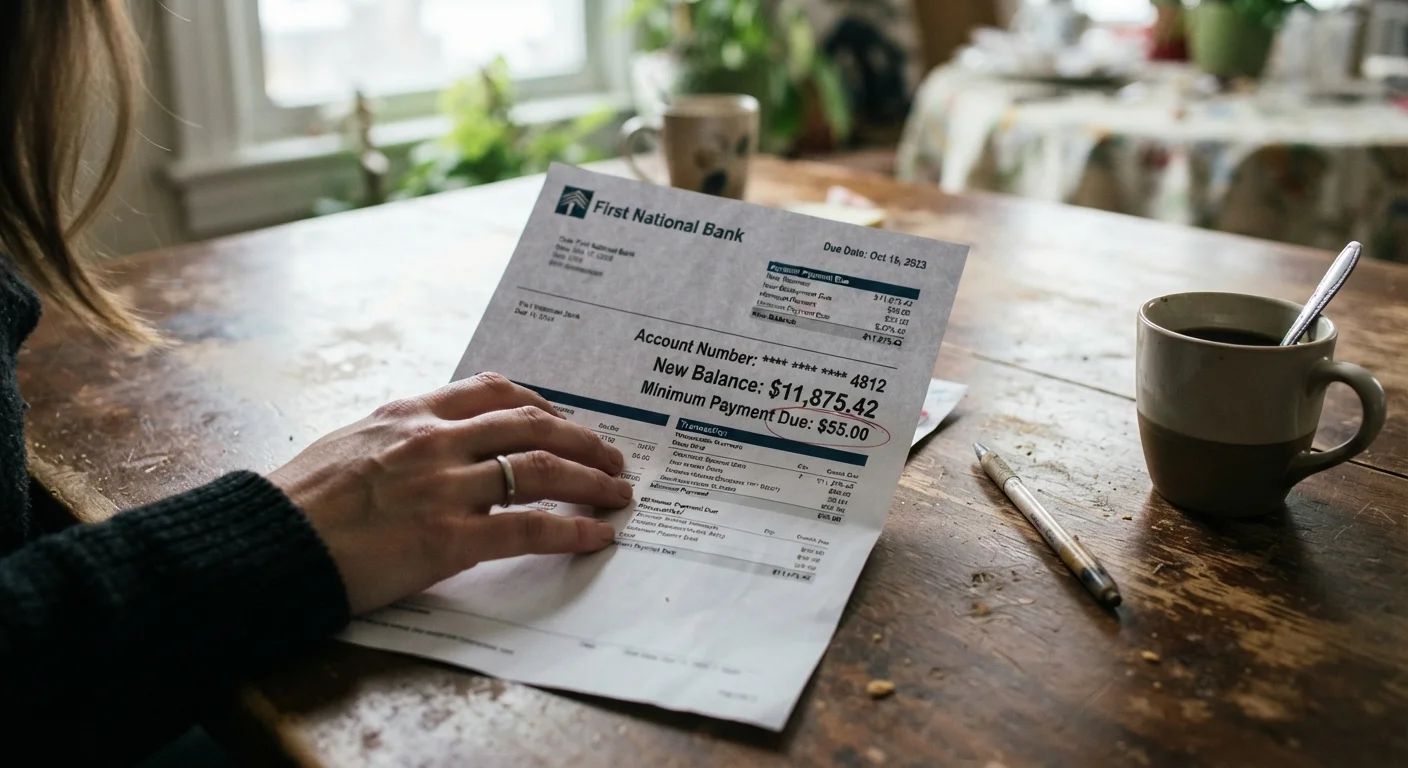
Credit card minimum payments are not designed with your financial health in mind - they are designed to keep your account active and collectible for as long as possible. A low minimum ensures you remain a customer, continue accruing interest charges, and generate ongoing revenue for the issuer. That is not a conspiracy; it is simply how revolving credit is structured as a business model.
Typical minimums run between 1% and 3% of your outstanding balance, sometimes with a small floor (e.g., $25). On a $4,000 balance at 2%, your minimum is just $80. That sounds manageable - until you recognize that a 20% annual percentage rate (APR) on $4,000 generates roughly $67 in interest in a single month. Your $80 payment reduces the actual principal by only $13.
For foundational context on how revolving debt and interest work together, see our guide to debt and credit from the ground up.
$6,501
Average US credit card balance per cardholder
According to Federal Reserve and TransUnion data, average balances have risen sharply alongside higher interest rates in recent years.
21%+
Average credit card APR in the US
Federal Reserve data shows average credit card interest rates have reached historic highs, amplifying the cost of carrying balances.
10-15 years
Typical payoff timeline on minimum payments
Consumer Financial Protection Bureau analyses illustrate that minimum-only repayment on mid-sized balances routinely extends well over a decade.
How Compound Interest Works Against You
Credit card interest compounds monthly. That means each billing cycle, interest is calculated on your entire remaining balance - including any interest that was added in prior months. The original purchase price becomes almost irrelevant over time; what you owe grows on its own momentum.
Consider a $3,000 balance at 22% APR with a minimum payment starting at $60. In month one, interest alone is approximately $55. Your $60 payment reduces principal by just $5. The following month, interest is recalculated on $2,995. The compounding effect is subtle at first, but over years it accumulates into a substantial sum - often exceeding the original balance itself.
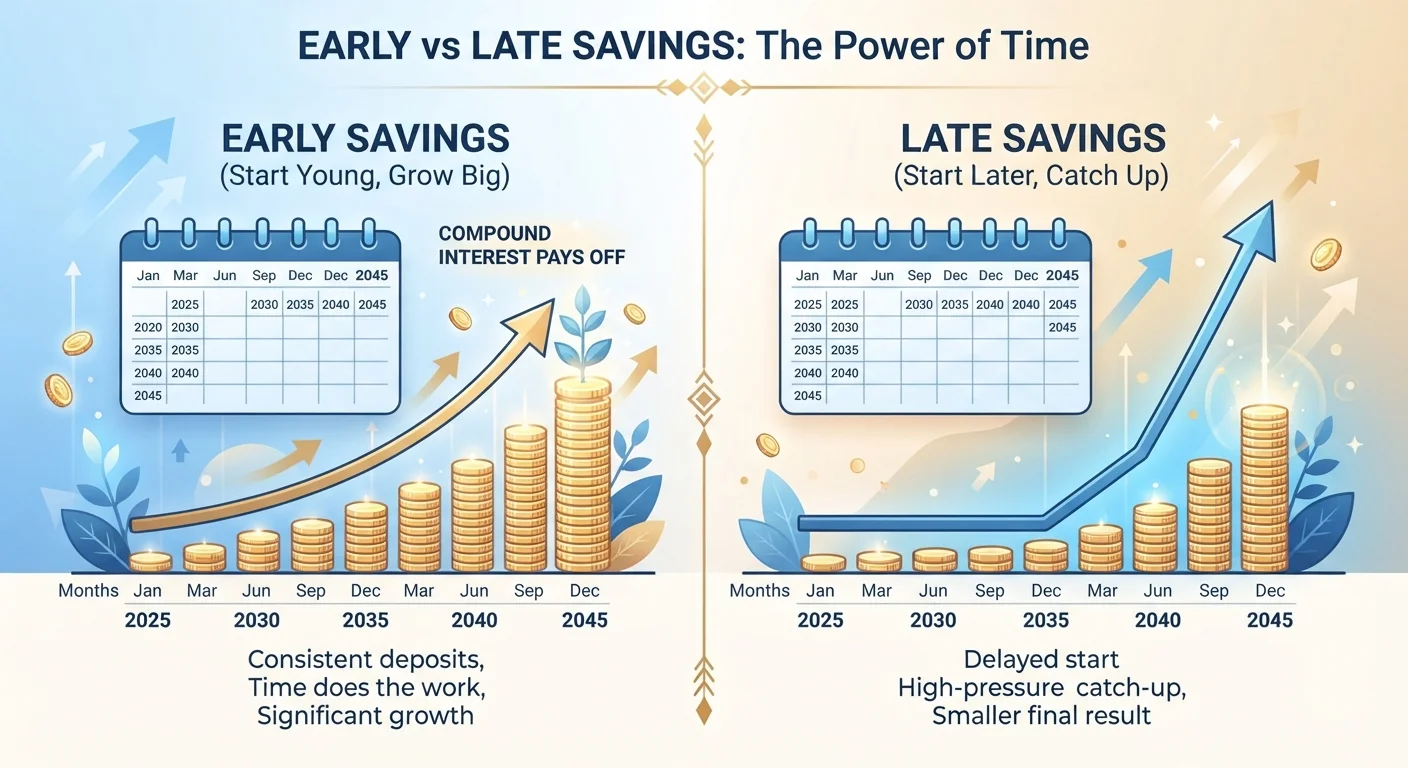
This dynamic mirrors, in reverse, the power of compounding returns in investing. The same math that works in your favor when saving for retirement works against you when carrying high-interest debt. See why delaying retirement savings costs more than most people realize for a useful comparison.
“The minimum payment is the most expensive way to pay off your credit card. It keeps you in debt longer and costs you far more than the original purchase ever justified.”
— Consumer Financial Protection Bureau, U.S. federal consumer finance regulatory agency
What the Numbers Actually Look Like
Abstract percentages can obscure the real-world impact. Here is a straightforward illustration using common figures:
- Balance: $3,500
- APR: 21%
- Minimum payment: 2% of balance (floor: $25)
At this rate, paying only the minimum every month would take approximately 13-15 years to clear the balance, and total interest paid would likely exceed $3,000 - nearly matching the original balance. The Credit CARD Act of 2009 requires your issuer to print this exact calculation on your monthly statement. If you have not looked at that box before, your next statement is worth a careful read.
Contrast that with paying $150 per month on the same balance: payoff occurs in roughly 2.5 years with total interest around $700 - a difference of more than $2,300.
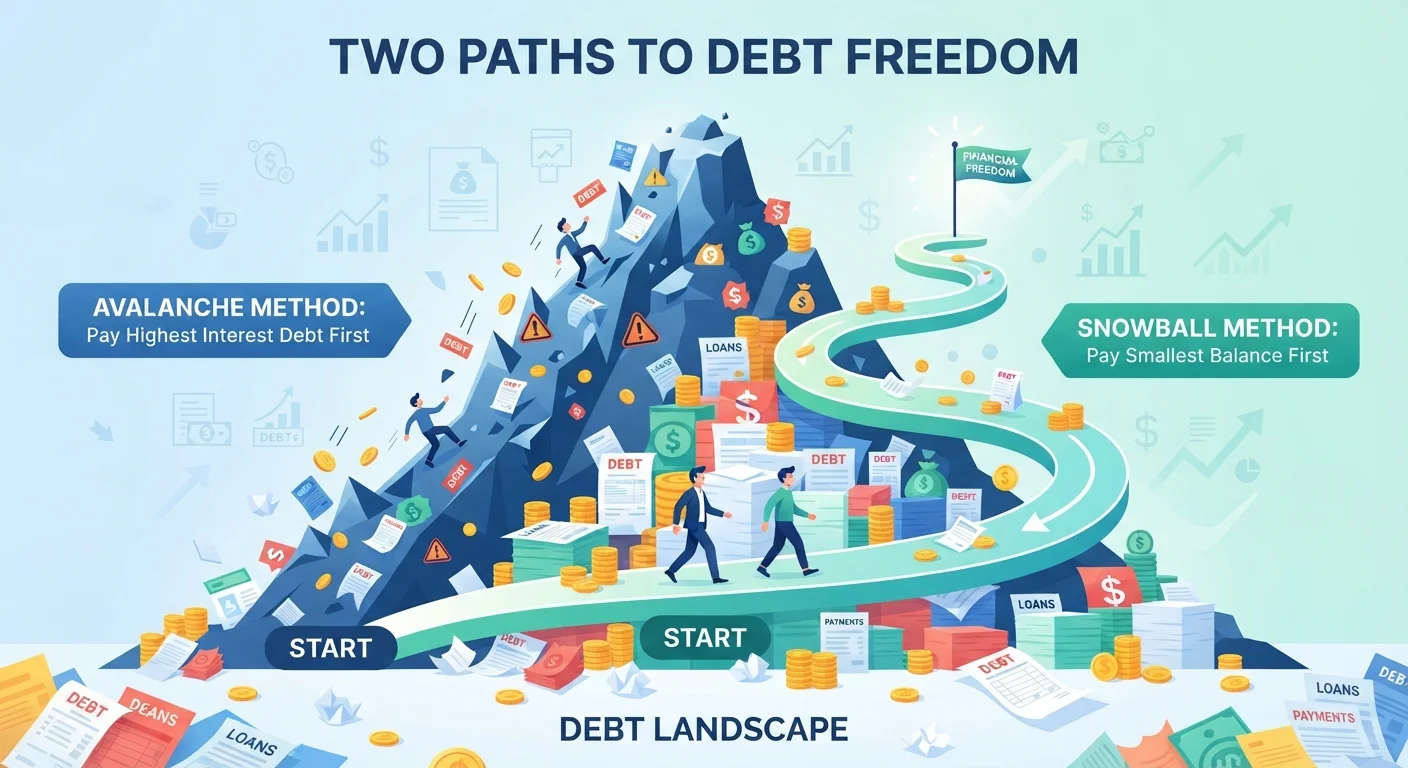
If you are carrying balances across multiple cards, structured repayment strategies can help you prioritize. The debt avalanche and debt snowball methods each offer a different approach depending on your goals and psychology.
The Credit Score Dimension
Minimum payments protect your payment history - one of the most important components of your credit score - by keeping your account current. However, consistently carrying a high balance introduces a separate problem: credit utilization.
Credit utilization measures how much of your available revolving credit you are using. Most credit-scoring models view utilization above 30% as a warning sign. If your card has a $5,000 limit and you carry a $3,500 balance month after month, your utilization on that card is 70% - a level that can meaningfully suppress your score even if you never miss a payment.
Over time, this pattern can quietly erode your creditworthiness. For a broader look at habits that damage scores gradually, see patterns that quietly damage a credit score.
A Simple Rule for Faster Payoff
Aim to pay at least twice the minimum payment each month, or a fixed dollar amount that covers more than the monthly interest charge. Even $25-$50 above the minimum can shave years off your repayment timeline. Automating a higher fixed payment removes the temptation to revert to the minimum during tight months.
This article provides general financial education and is not personalized financial advice. For guidance specific to your situation, consult a qualified financial professional.