Why Fresh and Dried Herbs Behave So Differently
It's tempting to treat fresh and dried herbs as simple swaps - same ingredient, different form. But they behave quite differently in the kitchen, and understanding why helps you make smarter choices every time you cook.
Fresh herbs contain water - sometimes up to 80-90% of their weight. That moisture carries volatile aromatic compounds that hit your senses quickly and brightly. When you add fresh basil to a finished dish, you're getting those oils at full, fleeting intensity.
Drying removes that water, concentrating the flavor compounds that remain stable through the process. This is why dried herbs are more potent by volume - a general rule of thumb is to use one part dried for every three parts fresh. If a recipe calls for one tablespoon of fresh thyme, start with about one teaspoon of dried.
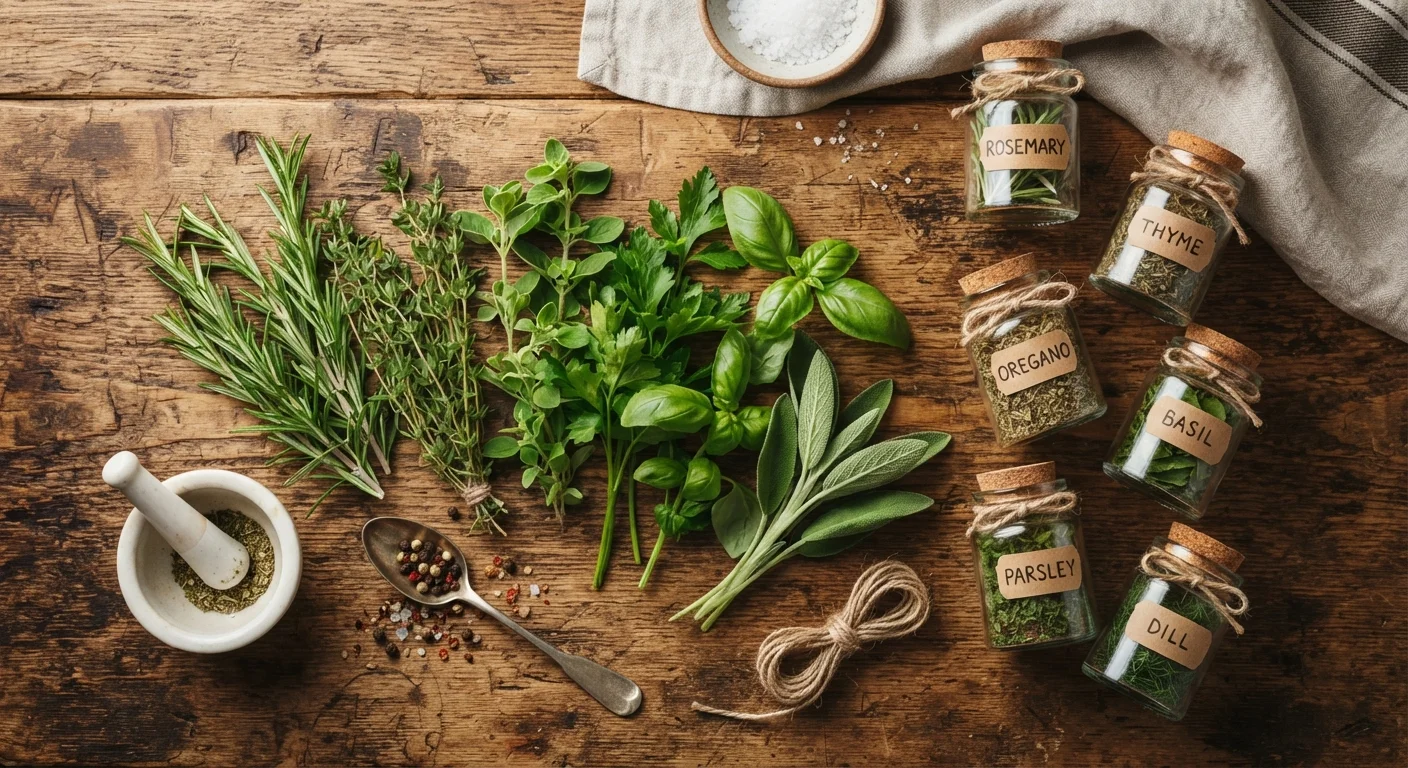
Not all herbs dry equally well, however. Herbs with sturdy cell structures and stable oils - like oregano, thyme, rosemary, and bay - translate well to dried form. But delicate herbs such as basil, cilantro, chives, and dill lose most of what makes them special when dried. For those, fresh is almost always the better call.
| Criterion | Fresh Herbs | Dried Herbs |
|---|---|---|
| Potency by volume | Less concentrated | ~3x more concentrated |
| Best cooking stage | End of cooking or raw | Early to mid cooking |
| Shelf life | Days to 1-2 weeks | 1-2 years (stored properly) |
| Works well for | Salads, garnishes, cold sauces | Soups, stews, rubs, marinades |
| Delicate herbs (basil, cilantro) | Excellent | Poor - avoid dried versions |
| Sturdy herbs (rosemary, oregano) | Good | Very good - dries well |
| Availability year-round | Seasonal; varies by region | Consistent pantry staple |
When to Use Fresh Herbs
Fresh herbs shine brightest when they aren't cooked much - or at all. Think of a handful of torn basil over a Caprese salad, chopped cilantro stirred into salsa, or flat-leaf parsley finishing a pan sauce at the last moment. The goal is to preserve those volatile aromatic oils, which break down quickly under heat.
A useful kitchen principle: add fresh herbs at the end of cooking. Stir them in during the final minute or two, or scatter them as a garnish right before serving. This preserves both flavor and visual appeal.
Fresh herbs also work beautifully in cold preparations - herb-packed pestos, chimichurri, herb butters, and yogurt-based sauces all depend on the green, grassy intensity that only fresh leaves provide.
3:1
Fresh-to-dried herb substitution ratio
This standard culinary conversion ratio is widely used in professional and home cooking to account for the concentration difference between fresh and dried herbs.
80-90%
Water content in fresh herbs
The high moisture content of fresh herbs is what makes them so aromatic but also why they wilt quickly and lose potency when exposed to prolonged heat.
When to Use Dried Herbs
Dried herbs are workhorses for slow cooking. Drop a sprig of dried oregano into a tomato sauce simmering for an hour, and it will fully rehydrate and bloom, releasing its oils gradually into the dish. The same logic applies to soups, stews, braises, and dried bean dishes - long, moist heat is exactly the environment where dried herbs thrive.
Dried herbs are also ideal in dry rubs and spice blends. They distribute evenly, cling to meat without adding moisture, and hold up through roasting or grilling without burning the way fresh herb leaves can.
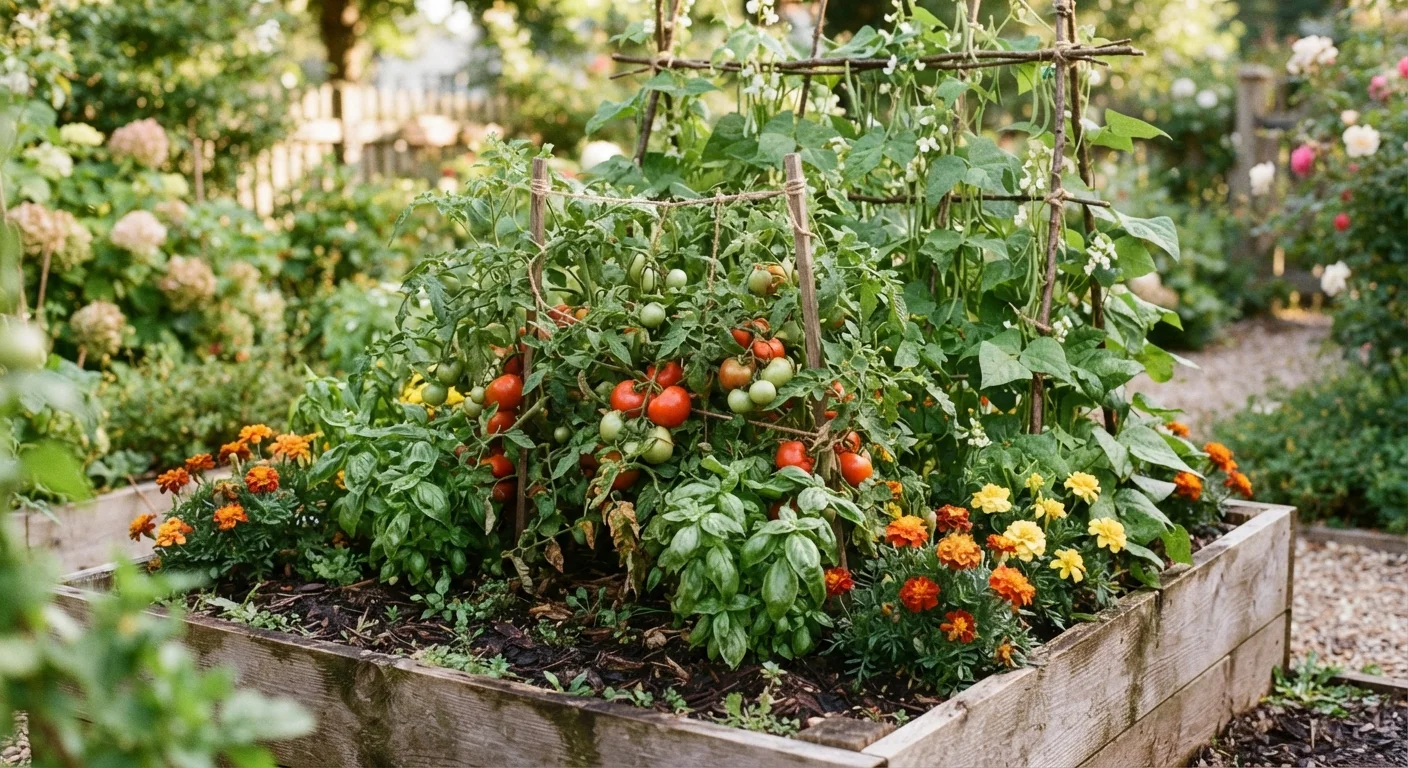
If you grow your own herbs at home, drying them is a practical way to preserve a summer harvest - a practice that connects neatly to the idea of thoughtful kitchen gardening. For those interested in growing herbs alongside other plants, our guide on companion planting offers useful guidance on which pairings help herbs thrive in the garden.
A Note on Dried Herb Quality
Not all dried herbs are created equal. Commercially dried herbs can vary in quality depending on how and when they were harvested and processed. Herbs that were dried at their peak flavor - typically just before flowering - tend to retain more of their essential oils. If you have access to a local farmers market or can dry your own, the quality difference can be noticeable.
Getting the Substitution Right
When a recipe specifies one form and you only have the other, a straightforward conversion works well in most cases:
- Fresh to dried: Use one-third the amount (e.g., 1 tablespoon fresh = 1 teaspoon dried).
- Dried to fresh: Triple the amount (e.g., 1 teaspoon dried = 1 tablespoon fresh).
Timing matters too. If you're substituting dried herbs in a place where the recipe intended fresh to be added at the end, add the dried version earlier in the cooking process - at least 20 minutes before the dish is done - so they have time to rehydrate and soften.
One exception worth noting: bay leaves. Dried bay leaves are actually preferred over fresh in most Western cooking because drying mellows their sometimes harsh raw flavor into something more rounded and complex.
Keep your dried herb pantry in check by doing a quick smell test. If an herb has little to no aroma when you rub it between your fingers, it's past its useful life. Replacing dried herbs every one to two years ensures they're actually contributing flavor rather than just taking up shelf space.