Why Home Cooks Abandon Recipes Halfway Through
Most cooking mistakes don't happen because someone chose the wrong recipe or lacks skill. They happen because the cook is doing two things at once: trying to prepare ingredients while something on the stove already needs attention. Garlic burns in the thirty seconds it takes to find the measuring spoons. Pasta overcooks while you're still chopping parsley. The dish suffers, and the experience feels chaotic.
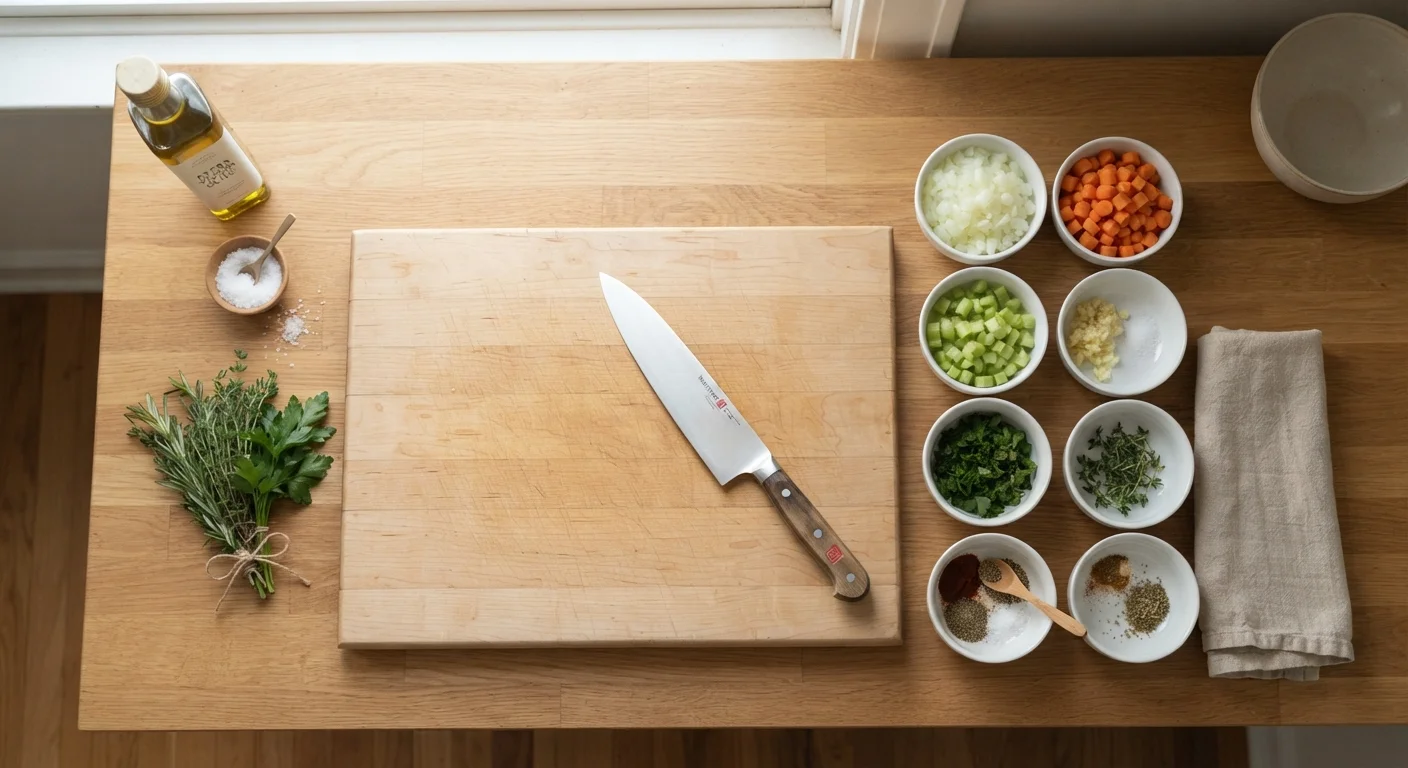
This is exactly the problem that mise en place solves. By doing all your measuring, washing, chopping, and portioning before you apply any heat, you convert cooking from a reactive scramble into a calm, sequential process. The French culinary tradition built this habit into kitchen culture for a reason - it works.
If you've ever watched a cooking show and marveled at how effortlessly the host moves through a recipe, mise en place is a big part of why. Those small bowls of pre-cut ingredients aren't just for television; they reflect a workflow principle that genuinely improves results.
How to Practice It at Home
Adopting mise en place at home is straightforward. Start by reading your recipe completely from start to finish before touching a single ingredient. This step alone prevents surprises - you'll know upfront that the dough needs an hour to rest, or that the sauce requires a pre-made stock you don't have.
Then work through the ingredient list systematically:
- Measure dry and liquid ingredients into separate small bowls or ramekins.
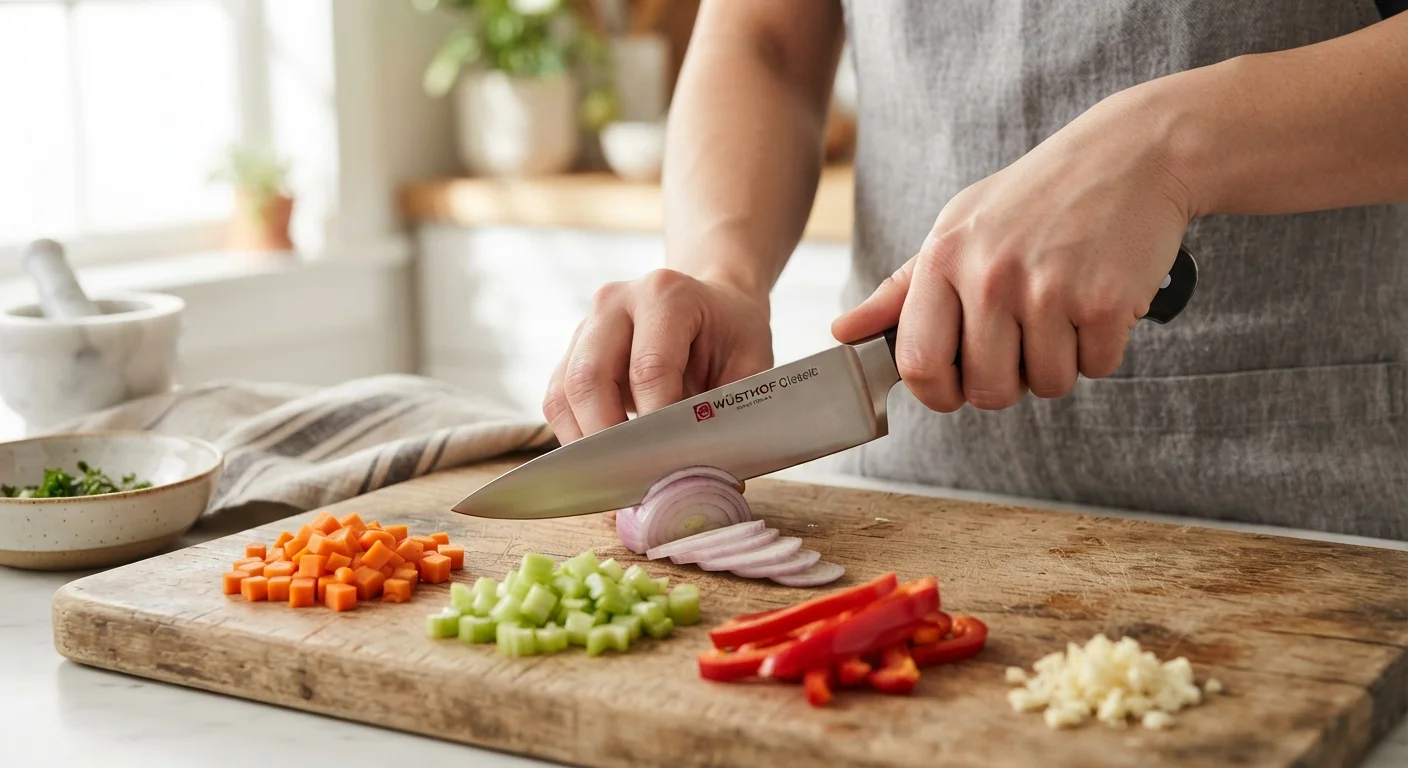
- Chop, mince, or slice all produce before anything goes on the stove.
- Group ingredients that go into the pan at the same time - keeping them together avoids confusion mid-cook.
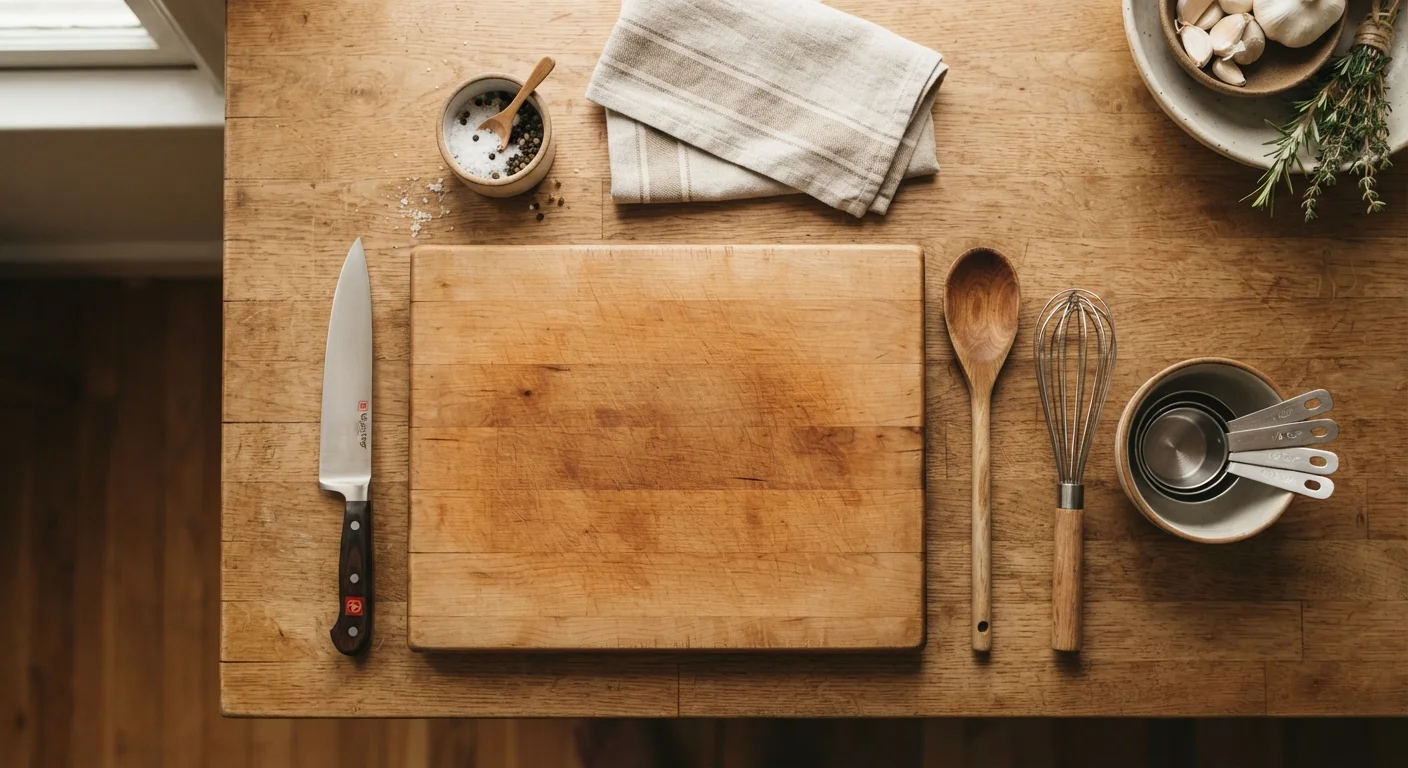
- Set out your tools - the right pan, a wooden spoon, a lid - so nothing needs to be hunted for later.
Good knife skills make the chopping stage faster and safer, and are worth developing alongside this habit. Having the right tools matters too - see our overview of kitchen tools that actually improve your cooking for a practical rundown.
Start Small If It Feels Overwhelming
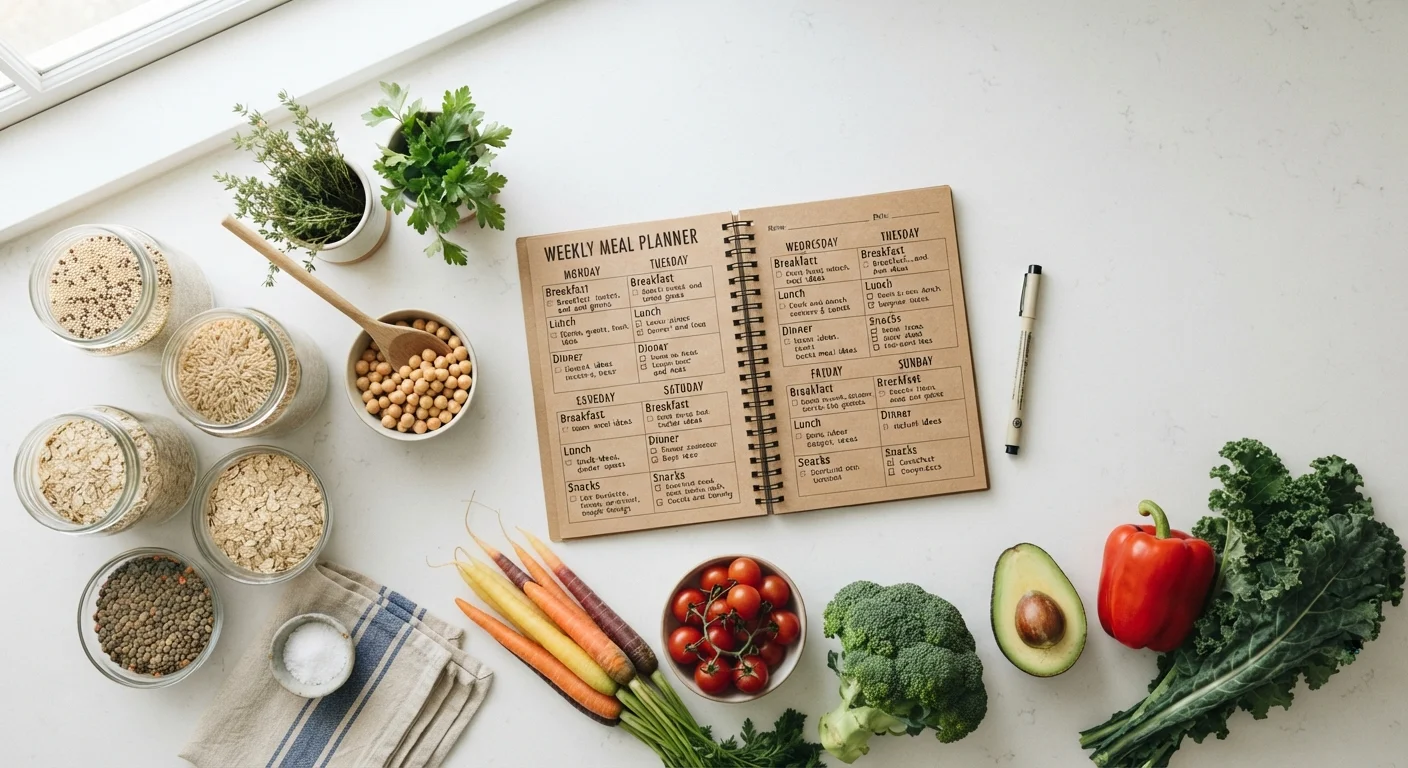
You don't need to overhaul your entire cooking routine at once. Try mise en place with just one recipe this week - a simple weeknight dinner works perfectly. Notice how the experience differs from your usual approach, then build the habit from there.
What Changes When You Cook This Way
The most immediate change is mental. When all your ingredients are prepped and staged, your attention during cooking can shift entirely to technique - watching heat, adjusting seasoning, and reading the pan - rather than being divided between prep and execution.
This is also when the habit of tasting as you cook becomes much easier to develop. When you're not frantically chopping between stirs, you have the mental space to actually notice what the dish needs.
Beyond the cooking itself, mise en place tends to make cleanup easier too. Prep waste - vegetable trimmings, egg shells, wrapping - gets dealt with before the stove is even on, leaving a cleaner workspace during and after the meal.
“Mise en place is the religion of all good line cooks. As a cook, your station, and the condition of your station, is an extension of your nervous system.”
— Anthony Bourdain, Chef and author of 'Kitchen Confidential'
If you're building your kitchen setup from scratch, pairing this habit with good home kitchen organization from the beginning makes both easier to sustain.