Why Fall Prep Is the Foundation of a Better Spring
Most gardeners think of spring as the busy season, but the work you do in fall determines how strong your garden comes back. Skipping end-of-season cleanup invites overwintering pests and fungal disease, while neglecting soil and mulch leaves plant roots exposed to damaging freeze-thaw cycles. The good news: a focused one or two weekends of effort now pays dividends all growing season long.
This checklist is organized by task category so you can work through one area at a time or split the work across multiple sessions. Check your local frost dates - the USDA Plant Hardiness Zone Map is a good starting reference - and aim to complete most tasks before the ground freezes solid in your zone.
If you're integrating garden prep into a broader home maintenance rhythm, see the annual home maintenance calendar for a full season-by-season overview of property upkeep.
Cleanup and Plant Removal
Soil and Bed Amendment
Mulching and Winter Protection
Watering Systems and Irrigation
Bulbs and Spring Planting
Tool Cleaning and Storage
Tools, Supplies, and Container Plants
Before you begin working through the checklist, gather what you'll need. Having the right materials on hand prevents mid-task trips to the hardware store and keeps your momentum going.
Garden fork or spade
Turning and amending soil in vegetable and flower beds before the ground freezes.
Pruning shears and loppers
Cutting back perennial stems and removing woody dead growth cleanly.
Wheelbarrow or garden cart
Moving compost, mulch, and debris efficiently across the garden.
Compost and mulch
Amending soil and insulating perennial root zones for winter.
Soil test kit
Checking pH and nutrient levels so fall amendments can be targeted accurately.
Burlap or frost cloth
Wrapping cold-sensitive shrubs to protect them from hard freezes.
Tool oil or linseed oil
Coating metal tool surfaces before storage to prevent rust over winter.
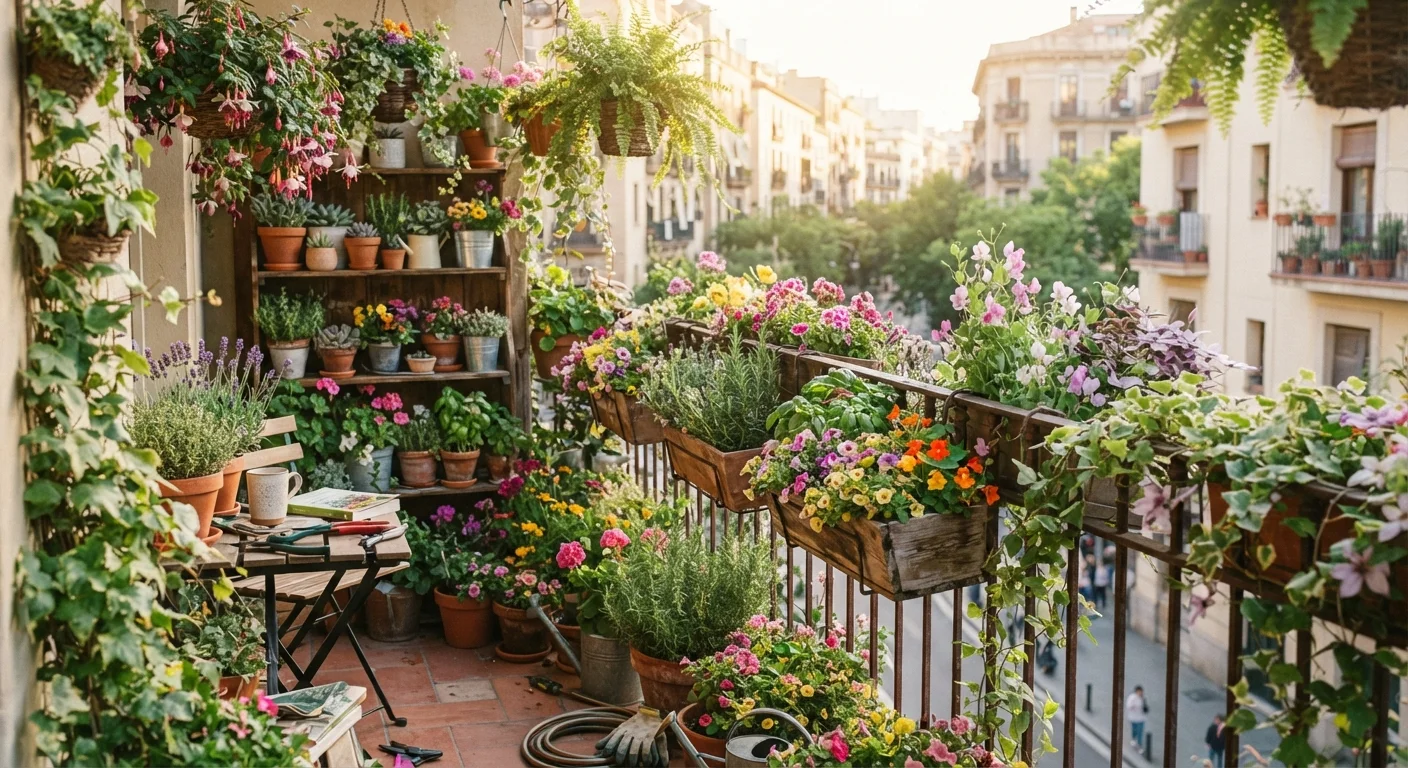
If you grow plants in pots, fall requires a few extra steps. Most container plants should be moved indoors or to a frost-free garage before the first hard freeze, since pot walls offer far less insulation than in-ground soil. For more on managing container plants through seasonal transitions, see our guide to container gardening for patios and small spaces.
Don't Compost Diseased Plants
Home compost piles rarely reach the sustained temperatures needed to kill fungal spores or bacterial pathogens. If any plants showed signs of powdery mildew, black spot, blight, or pest infestation this season, bag that material and dispose of it with household waste rather than returning it to your garden.
Check Before Digging Near Utilities
If your fall prep involves any deeper soil work - installing new beds, planting large bulb clusters, or amending with a mechanical tiller - call 811 (the national dig-safe hotline) before you break ground. Underground utility lines can run closer to the surface than you expect, and hitting one is both dangerous and costly.
Setting Your Garden Up for Spring Success
Fall is the ideal moment to plant spring-blooming bulbs - tulips, daffodils, alliums, and crocuses all need a cold dormancy period to trigger blooming. Plant them pointed side up, at a depth roughly three times the bulb's diameter, in well-drained soil. Mark your spots so you don't accidentally dig them up during spring cleanup.
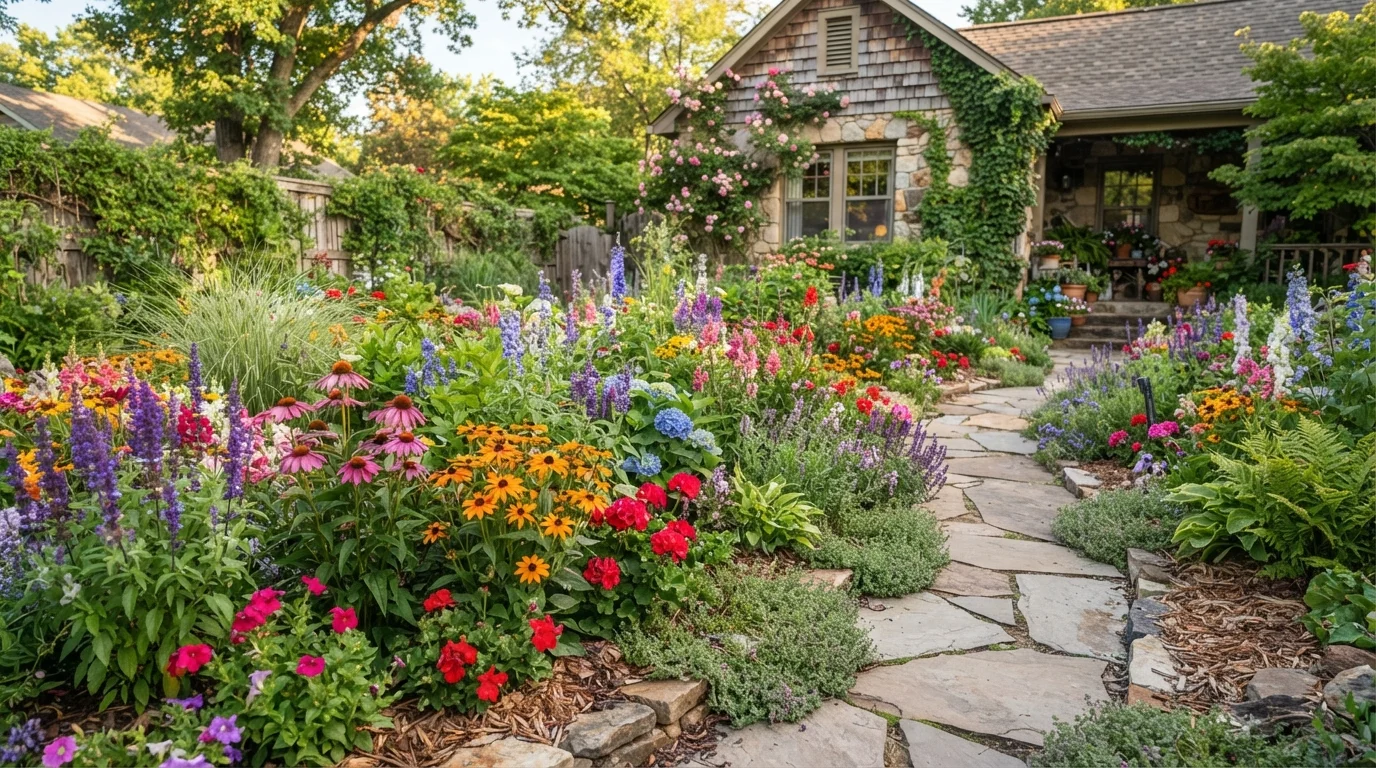
This is also a smart time to take notes. Sketch which perennials thrived, which spots stayed too wet, and where you want to add color next year. Those notes are invaluable in February when you're planning from memory. If you're thinking about restructuring your planting mix, our article on balancing perennials and annuals can help you plan a yard that looks great without replanting everything each spring.
Mulch Timing Matters
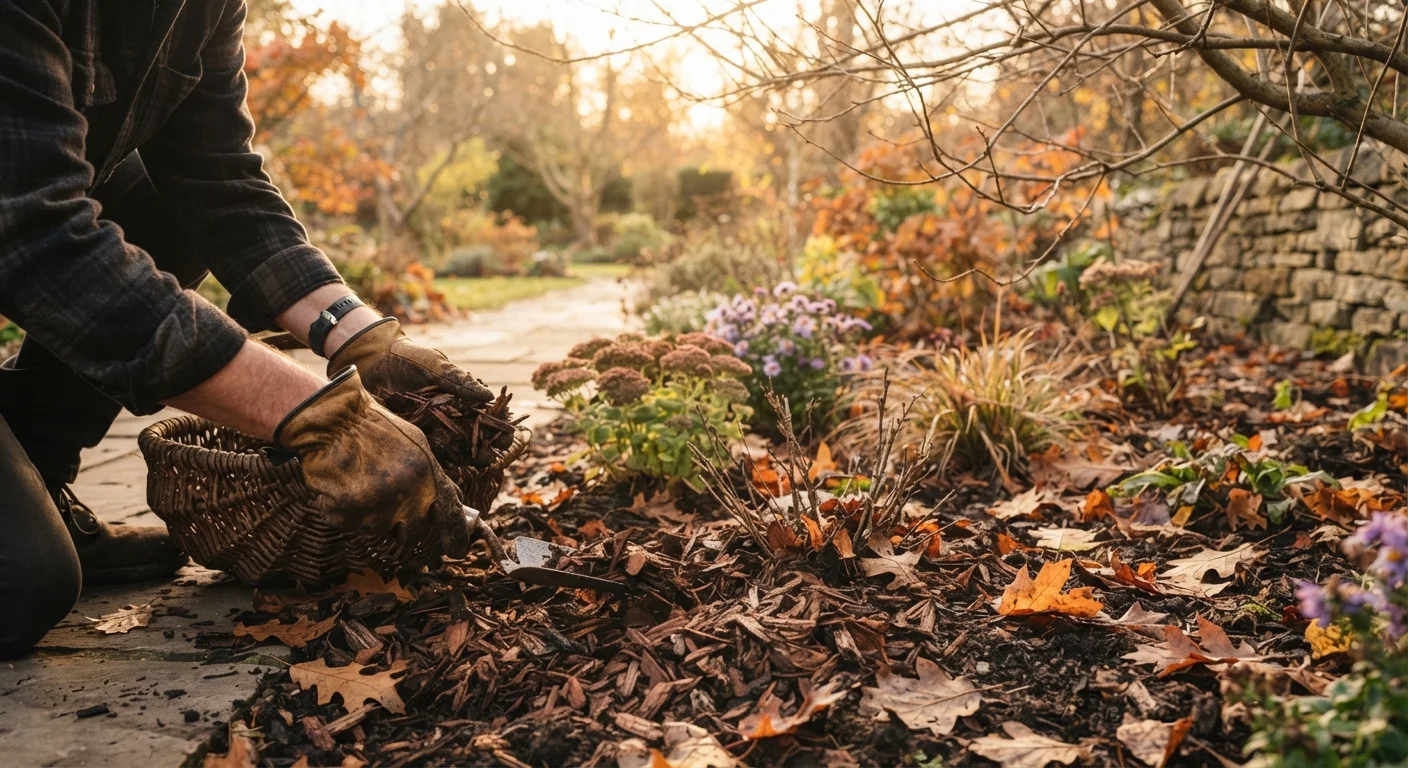
Apply mulch after the soil has cooled but before it freezes solid - typically after several nights below 40°F. Mulching too early traps warmth that can encourage late growth vulnerable to frost damage. Mulching too late means the insulation misses the freeze-thaw cycles it's meant to buffer. Watch your local forecast and aim for that window rather than a fixed calendar date.
Once you've completed the checklist, your garden is ready to rest - and so are you. If next year you're starting fresh in a new space, our ground-up guide for first-time growers walks through everything from site selection to first planting.