What Ecologists Mean When They Say 'Native'
The word "native" gets used loosely in garden centers, so it helps to understand what ecologists actually mean. A native plant is one that established itself in a particular region through natural processes - wind, water, wildlife - long before humans began moving species around the globe. These plants co-evolved with local insects, birds, fungi, and soil microbes over millennia.
That co-evolution is the key. A native bee may depend on a specific plant's pollen chemistry to nourish its larvae. A native caterpillar may only be able to digest the leaves of certain indigenous trees. When those plants disappear from a landscape, the animals that depend on them often follow. This is why ecologists consistently advocate for native plants - not purely for aesthetics, but because they are functional threads in a local ecological web.
Geography matters more than most gardeners realize. A plant described as "native to North America" covers an enormous range of climates and soils. For genuine ecological benefit, aim for species native to your specific ecoregion or even your county. Your state's cooperative extension service or a local native plant society can provide regionally precise guidance.
The Practical Benefits for Everyday Gardeners
The ecological case is compelling, but native plants also make practical sense for home gardeners - particularly those who want lower-maintenance outdoor spaces.
29%
Decline in North American bird populations since 1970
According to a 2019 study published in the journal Science, an estimated 3 billion birds have been lost across North America - habitat loss and reduced insect populations driven partly by non-native plantscapes are contributing factors.
35x
More caterpillar species supported by native oaks vs. non-native trees
Research by entomologist Doug Tallamy at the University of Delaware found that native oaks support vastly more native caterpillar species than commonly planted non-native ornamental trees.
50%+
Potential reduction in landscape water use
The EPA's WaterSense program notes that established native and climate-adapted plantings can reduce outdoor water use by more than half compared to conventional turf-heavy landscapes.
Water use: Once established, most native plants are adapted to local rainfall patterns and require significantly less supplemental irrigation than thirsty non-native ornamentals. This matters both for your water bill and during drought conditions. For more on matching your watering habits to what plants actually need, see common watering mistakes to avoid.
Soil fertility: Native plants evolved with local soil profiles and typically don't need the heavy fertilization that many exotic ornamentals require. Over time, deep-rooted native species can actually improve soil structure.
Pest resistance: Because local insects and plants evolved together, native species have natural chemical defenses against most regional pests. This reduces - though doesn't eliminate - the need for pesticides.
Year-round interest: Many natives are perennials that return reliably each year, providing seasonal interest from early spring wildflowers through fall seed heads that birds forage over winter. For help thinking through perennial versus annual choices in your overall planting plan, our guide on balancing perennials and annuals covers the tradeoffs clearly.
How to Choose the Right Native Plants for Your Space
Selecting native plants isn't as simple as grabbing whatever's labeled "native" at a nursery. A few key factors should guide your choices.
Start Small and Observe Before Expanding
Rather than overhauling your entire yard at once, plant a small native bed in one area and watch how local insects and birds respond over a full growing season. This gives you firsthand data on what thrives in your specific conditions and builds confidence before scaling up.
Match plants to your site conditions. Native species evolved for specific combinations of sunlight, moisture, and soil type. A plant native to a floodplain meadow won't thrive in a dry, shaded woodland corner. Before buying, assess your yard's sun exposure, drainage, and soil texture.
Source locally. Plants grown from locally collected seed - called "local ecotype" stock - are genetically adapted to your precise climate and are most beneficial to local wildlife. Ask nurseries whether their native plants are grown from regional seed sources, not just labeled with a species name.
Layer your planting. Natural ecosystems have layers: canopy trees, understory shrubs, ground covers, and herbaceous plants. Even a small yard benefits from planting at multiple heights, creating habitat structure for a wider range of wildlife.
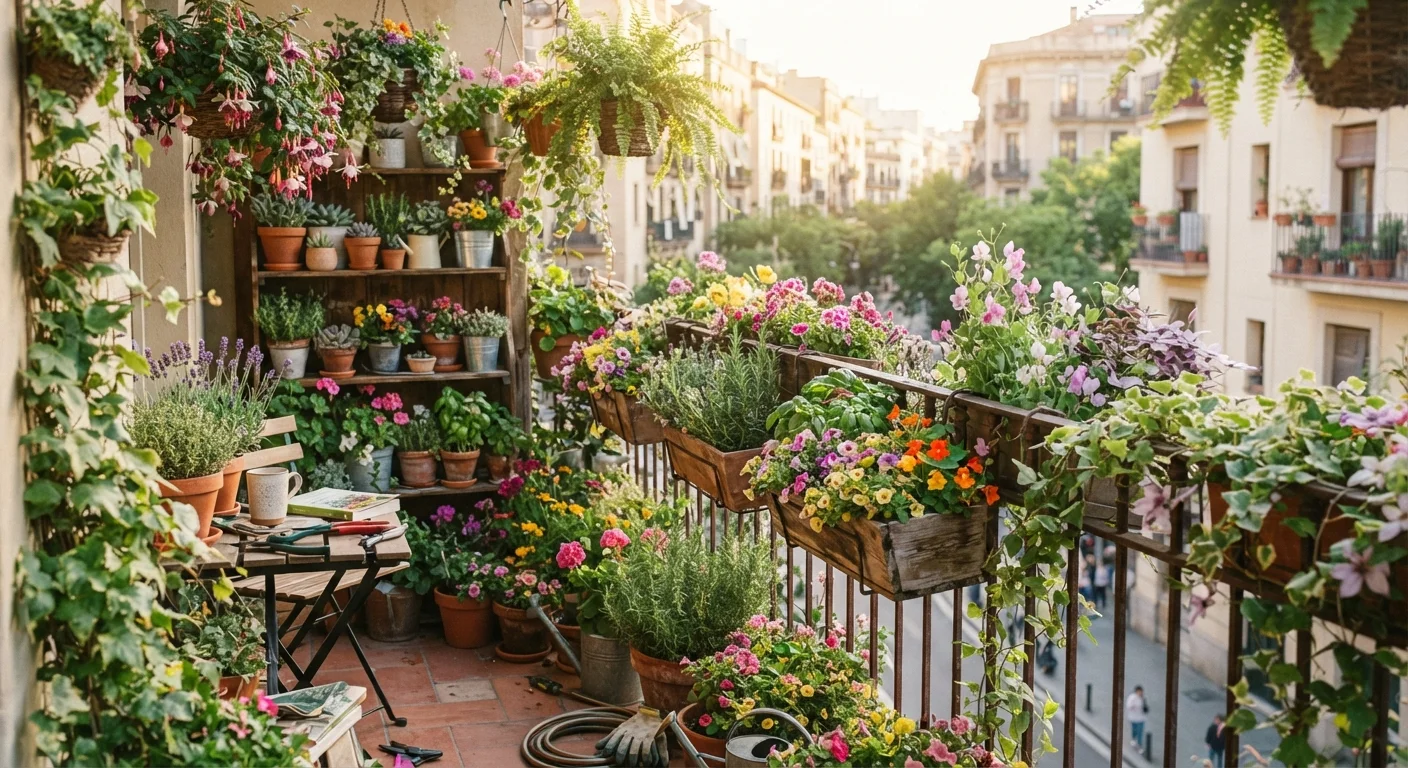
If you're working with limited outdoor space, many native species adapt well to containers. See our guide on container gardening for small spaces for practical tips. And if you're building a garden from the ground up, this beginner's garden guide walks through site prep and plant selection basics that apply equally to native plantings.
“Gardeners who choose native plants are making a decision that reaches far beyond their own property lines. They are helping to restore the biological communities that sustain all life in a region.”
— Doug Tallamy, Professor of Entomology and Wildlife Ecology, University of Delaware, and author on native plant ecology