The Real Reasons Your Garden Isn't Producing
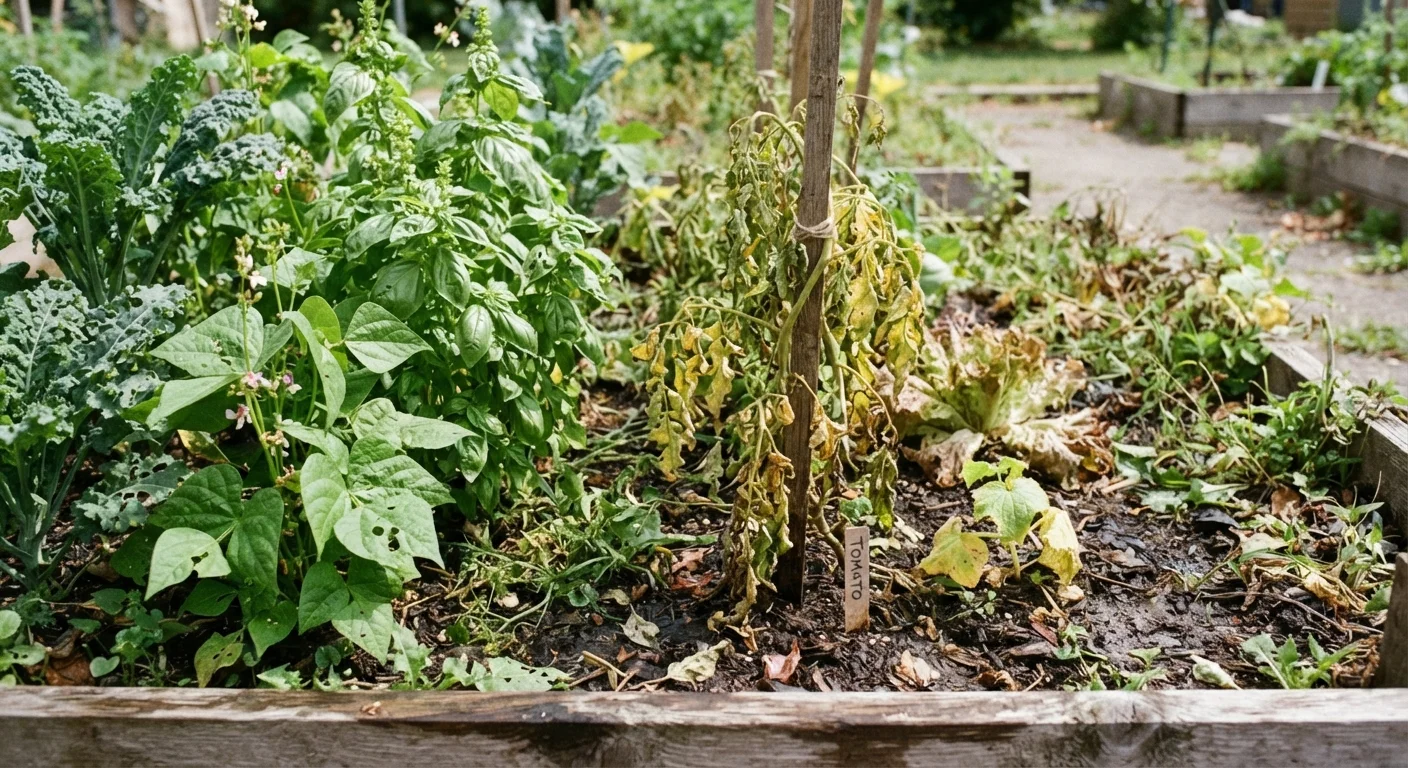
A vegetable garden that looks fine but yields little is one of the most common frustrations for home growers. Seeds germinate, plants appear healthy enough, and then - not much happens. Before blaming pests or bad luck, it's worth examining the conditions you control directly. In most cases, the culprits are predictable and correctable.
If you're starting from scratch or rethinking your setup entirely, our ground-up guide for first-time growers covers site selection and soil prep before you put a single seed in the ground.
Planting in a location that doesn't get enough direct sun.
Why it happens: Gardeners often choose spots based on convenience or aesthetics rather than tracking sun exposure across the day. A bed that looks sunny in the morning may be heavily shaded by afternoon.
Planting too densely and skipping thinning.
Why it happens: Seed packets recommend spacings that feel wasteful, especially when seedlings are tiny. Gardeners pack plants in, assuming more plants means more food.
Applying fertilizer without understanding what the soil actually needs.
Why it happens: More fertilizer feels like more support, and product marketing reinforces the idea that regular feeding is always beneficial.
Watering on a fixed daily schedule rather than based on actual soil moisture.
Why it happens: A daily watering routine feels responsible and systematic, and it's easy to stick to. Many gardeners assume consistency means reliability.
Neglecting to manage weeds early in the season.
Why it happens: Young weeds seem inconsequential and gardeners delay pulling them, especially during busy planting periods. Weeds are easy to underestimate when they're small.
How Soil, Water, and Light Work Together
These three factors don't operate independently - they compound each other. Compacted, low-nutrient soil holds water unevenly, swinging between waterlogged and bone-dry. Poor light slows photosynthesis so plants can't use the nutrients that are there. Fixing one without addressing the others produces only partial improvement.
6-8 hrs
Daily direct sun most vegetables require
University cooperative extension programs consistently list full-sun exposure as one of the most critical and most overlooked factors in vegetable garden productivity.
6.0-7.0
Optimal soil pH range for most vegetables
Outside this range, essential nutrients become chemically unavailable to plant roots, limiting growth even in otherwise fertile soil.
A simple soil test (available through many county cooperative extension offices) can reveal pH imbalances and nutrient gaps before you spend money on amendments that may not be needed. Most vegetables perform best in soil with a pH between 6.0 and 7.0. Outside that range, nutrients bind to soil particles and become unavailable to roots no matter how fertile the ground looks.
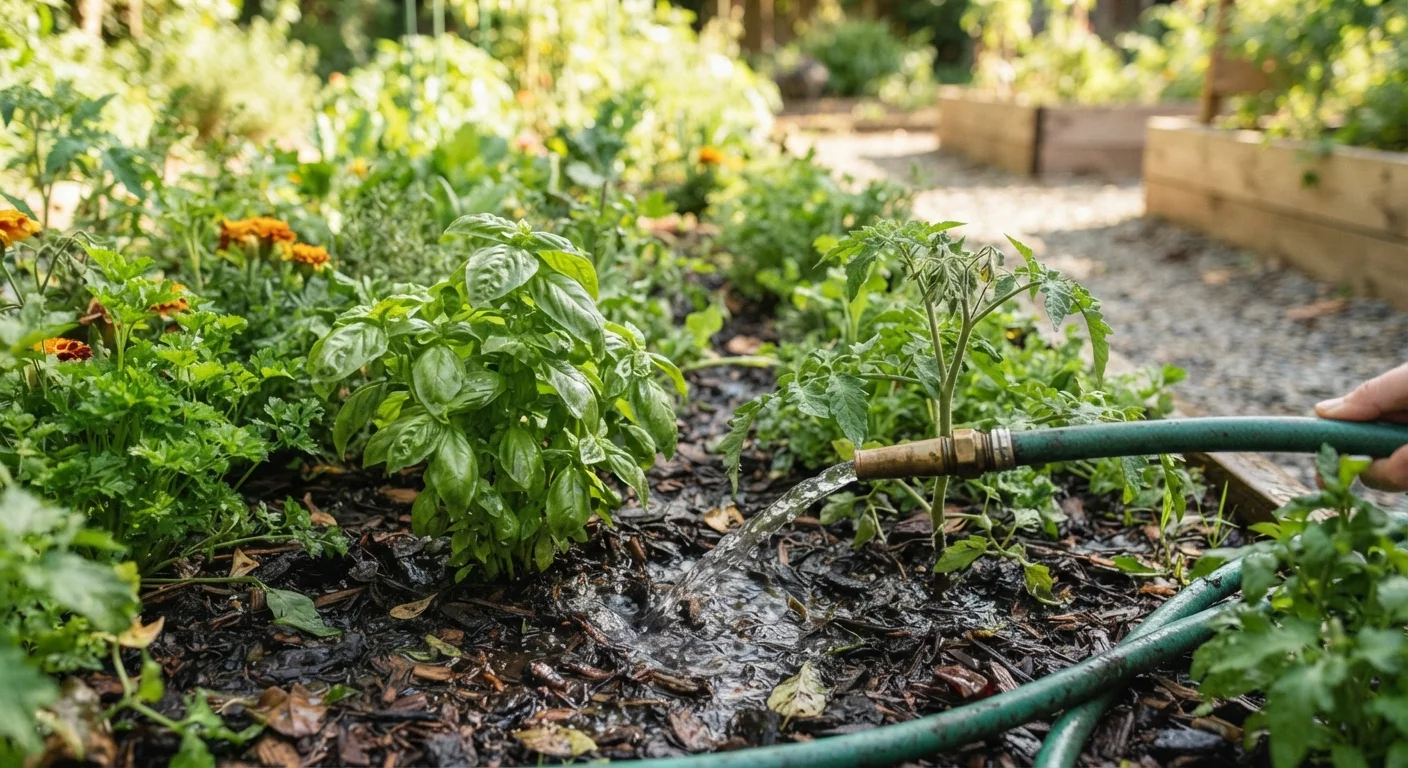
Water delivery matters as much as volume. Shallow, frequent watering encourages surface roots that are vulnerable to heat and drought. Deep, less frequent watering - enough to wet the root zone - builds resilience. For a closer look at common watering misconceptions, see the watering myths that are quietly killing your plants.
Don't Skip a Soil Test Before Amending
Adding lime, sulfur, or fertilizers without knowing your baseline pH and nutrient levels can create imbalances that are harder to fix than the original problem. Soil tests are inexpensive and widely available through county extension offices. Results typically include specific amendment recommendations tailored to what you want to grow - making them far more reliable than guesswork.
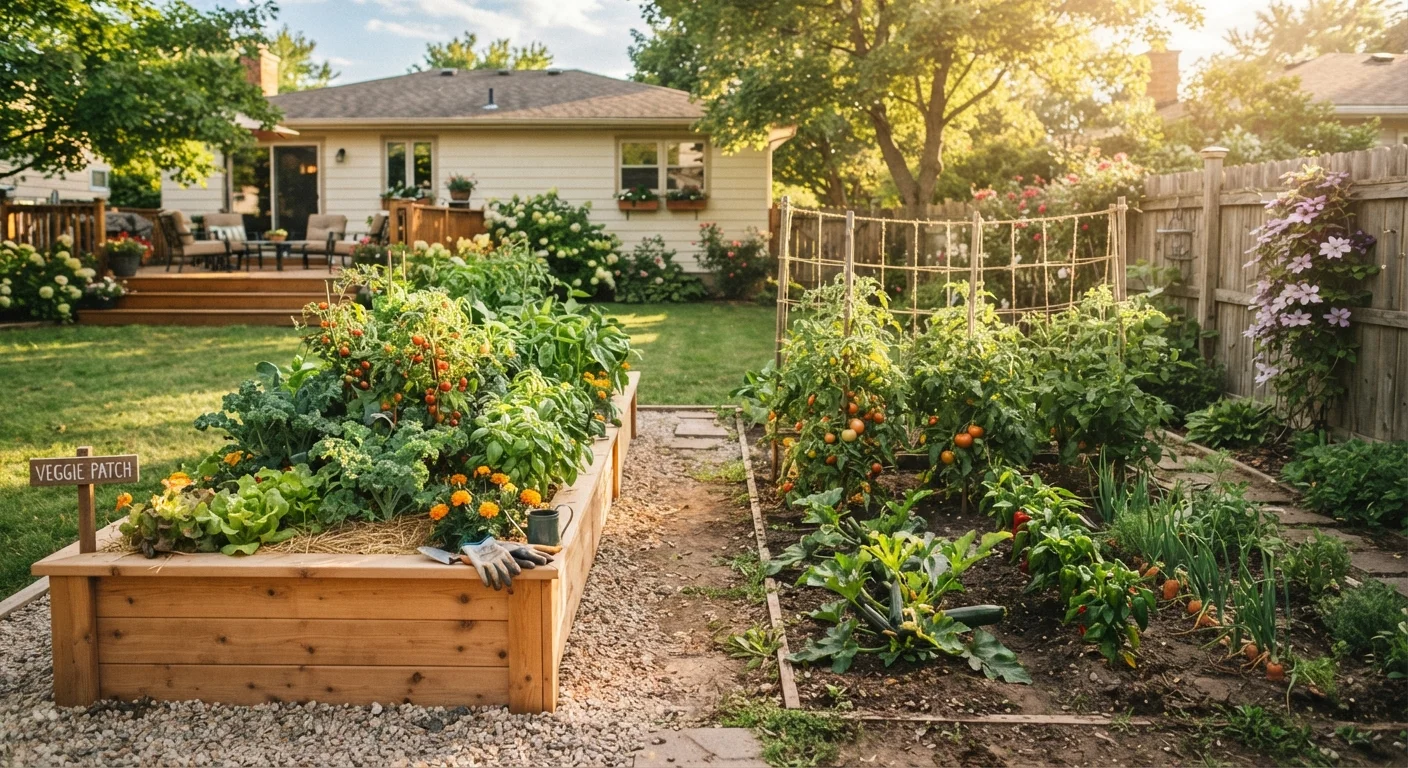
Finally, consider whether your planting setup is limiting soil quality from the start. Raised beds allow tighter control over drainage and organic matter, while in-ground gardens rely more heavily on amending what's already there. Our article on raised beds vs. in-ground planting walks through the trade-offs in detail. And if your yard is more shade than sun, shade gardening strategies can help you work with what you have rather than against it.