What the Decision Actually Comes Down To
Open shelving and closed cabinets aren't just aesthetic choices - they're organizational systems that shape your daily habits. Every time you reach for a glass, put away a pot, or tuck something into a pantry, the storage format you chose either helps or hinders you. Understanding the tradeoffs before you commit (or recommit) to either option saves real frustration later.
The core tension is this: open shelves make everything visible and accessible, which sounds ideal - until you realize that visibility cuts both ways. Closed cabinets hide disorder, which feels like relief - until you're digging through the back of a shelf you haven't touched in months. Neither is a perfect system. What matters is matching the format to your actual behavior, not your aspirational one.
For a deeper look at how storage format interacts with room size, see our piece on vertical vs. floor storage tradeoffs.
The Case for Open Shelving
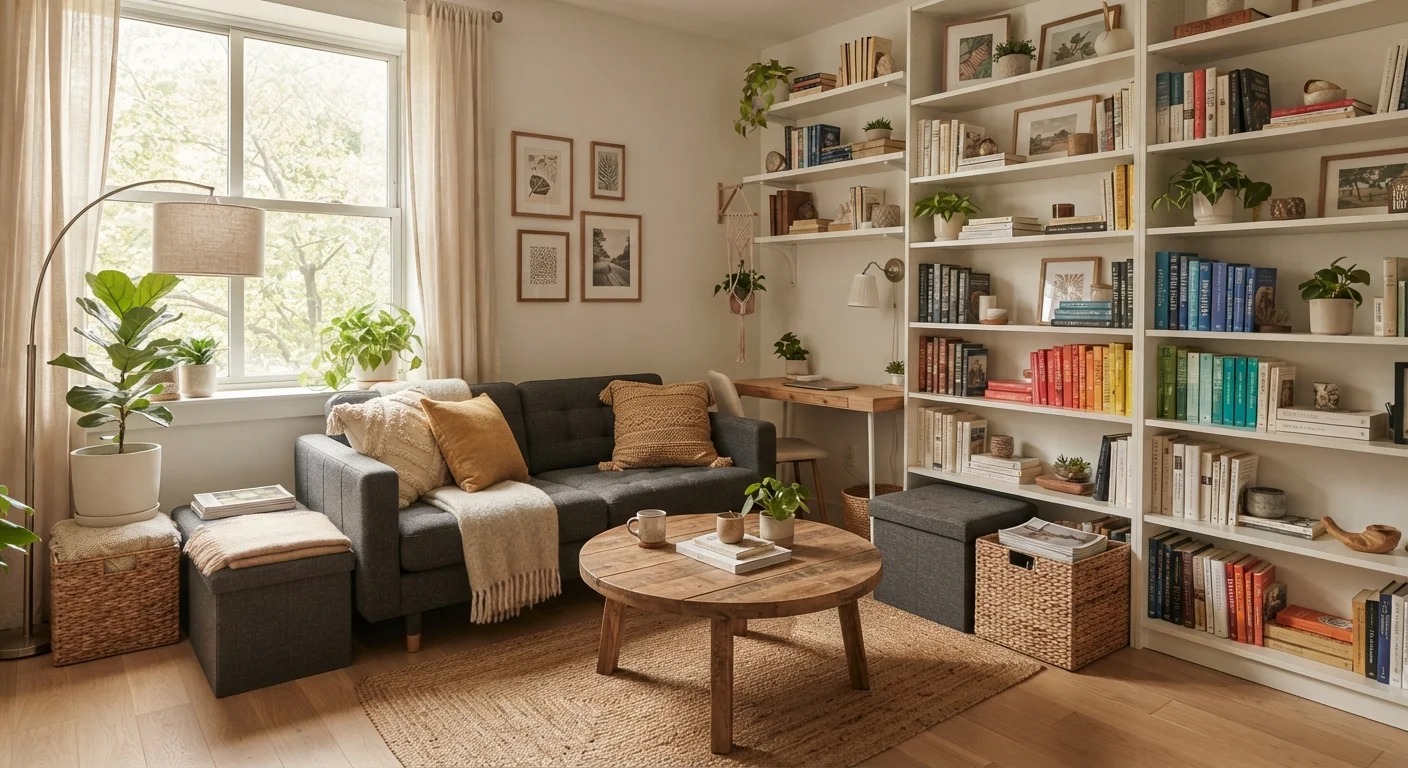
Open shelving works when the things you store are worth displaying - or at least, when you're willing to keep them display-ready. It reduces friction for frequently used items: no door to open, no rummaging required. In kitchens, this means everyday dishware is genuinely easier to grab. In living rooms or home offices, it keeps reference books, baskets, and supplies within reach without extra steps.
Immediate visual access to everyday items
Open shelves eliminate the need to open doors or search through stacked contents, making frequently used items faster to find and put away.
Encourages editing and prevents accumulation
Because everything is on display, there's a natural incentive to keep only what you use - reducing the tendency to over-accumulate.
Can make rooms feel more open and spacious
Removing upper cabinet doors reduces visual weight in a room, which can make kitchens and small spaces feel less enclosed.
Lower upfront cost in some renovation contexts
Replacing closed upper cabinets with open shelving can reduce material and installation costs when planned as part of a kitchen update.
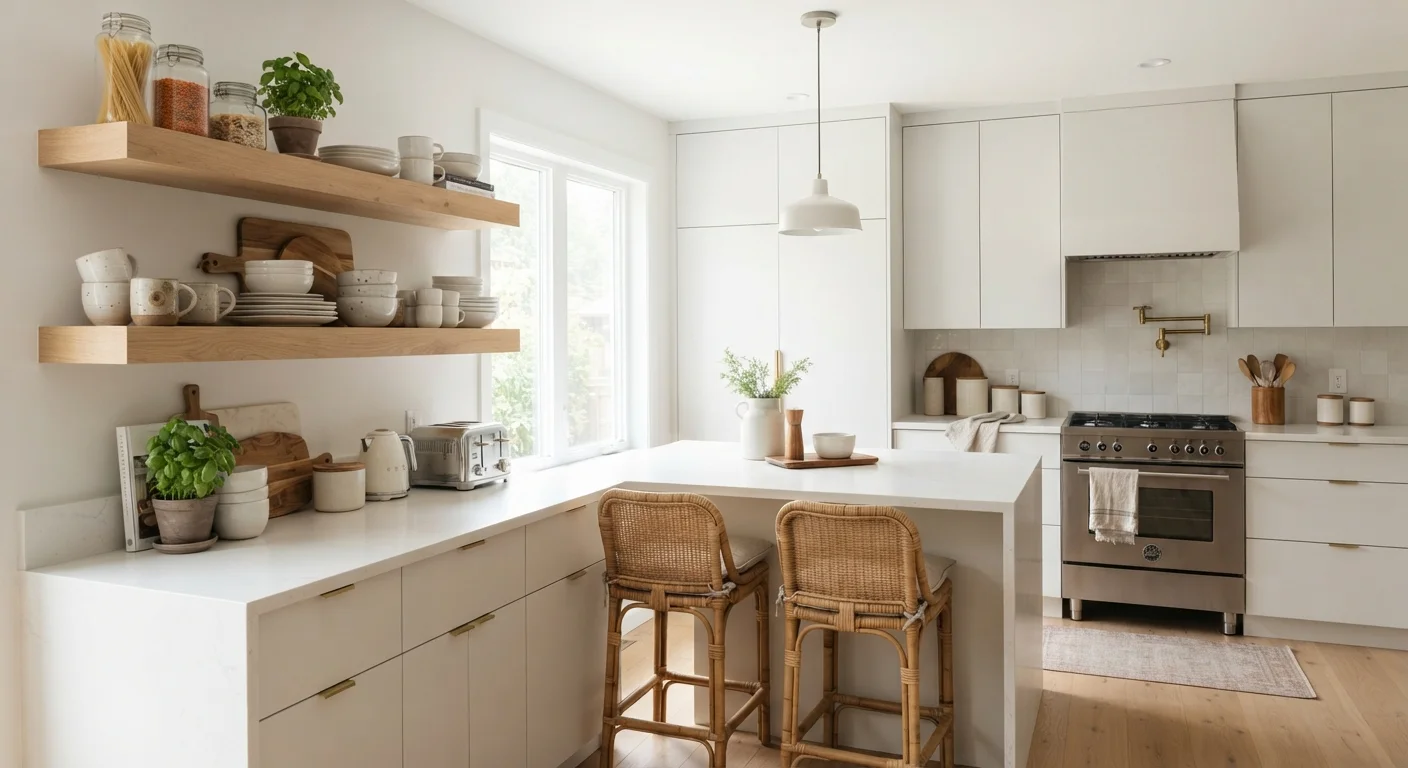
Visually, open shelves can make a room feel larger and less boxed-in, especially in smaller spaces. They also force a kind of editing discipline - because everything is on show, you're less likely to let items pile up unchecked. That said, this benefit only holds if you actually edit. Shelves that drift into chaos can make a room feel more cluttered than any closed cabinet ever would.
Dust accumulation is a real consideration. Open shelves collect dust on every surface and on the objects themselves, which means more frequent cleaning. In kitchens especially, grease and cooking residue can settle on stored items. If you're not prepared to wipe shelves and rotate items regularly, the appeal fades quickly.
The Case for Closed Cabinets
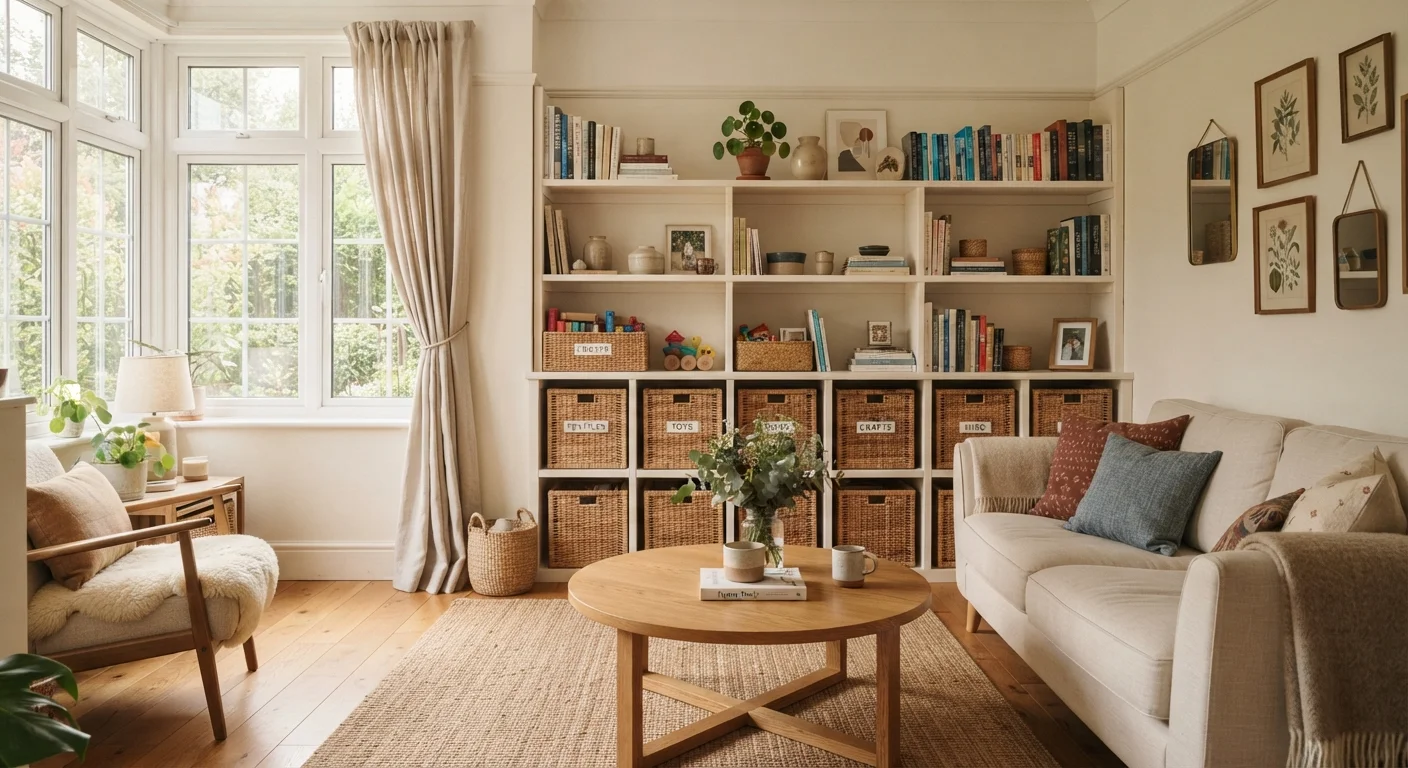
Closed cabinets offer the practical gift of containment. Whatever is inside stays out of sight, which makes it easier to maintain a tidy-looking room even when things aren't perfectly arranged behind the doors. For households with children, varied collections of gear, or simply a lot of stuff, this is a meaningful advantage.
Dust and grease settle on open surfaces quickly
Everything stored on open shelves collects airborne particles, and in kitchens, cooking residue adds to the cleaning burden noticeably.
Requires consistent tidiness to look intentional
Open shelves amplify disorder - a few misplaced items can make the entire space look cluttered rather than curated.
Items hidden inside cabinets are easy to forget
Out-of-sight storage can lead to duplicate purchases, expired goods, and unused items accumulating unnoticed over time.
Cabinet interiors become disorganized without a system
Without labeled zones or consistent groupings inside closed cabinets, the interior can become just as chaotic as open shelving - simply invisible.
Closed storage also protects contents from dust, light, and in some cases moisture - an important consideration for stored linens, delicate dishware, or pantry staples. Items kept in cabinets tend to last longer in better condition.
The drawback is invisibility. Things hidden behind cabinet doors are easier to forget. Expired pantry items, duplicated purchases, and unused tools tend to accumulate in closed storage precisely because you're not confronted with them daily. Without a deliberate organization system inside the cabinet - labeled zones, consistent groupings - the interior can become as chaotic as any open shelf, just out of view. If clutter cycles are something you recognize in your own home, understanding why clutter comes back is a useful read alongside this one.
~30%
Average pantry items rarely or never used
Home organization research consistently suggests that a significant portion of stored kitchen goods go unused for extended periods, a problem more common in closed storage.
2-3x
More frequent cleaning needed for open shelves
Interior designers and professional organizers commonly note that open shelving requires dusting and wiping at least two to three times more often than closed cabinet interiors.
How to Decide - and When to Mix Both
Most homes benefit from a hybrid approach rather than an all-or-nothing commitment. A useful rule of thumb: use open shelving for items you use daily and that photograph well, and closed cabinets for everything else. In a kitchen, that might mean open shelves for everyday glasses and a few cookbooks, with closed cabinets handling the rest of the pantry, bakeware, and appliances.
Before deciding, ask yourself three questions. How often do you tidy? If the answer is once a week or less, open shelving will likely look chaotic by mid-week. How much do you own? Open shelving rewards restraint - a curated set of twelve items looks intentional; forty items looks overwhelming. And how do you feel about dust? If regular cleaning isn't already a habit, closed storage will serve you better.
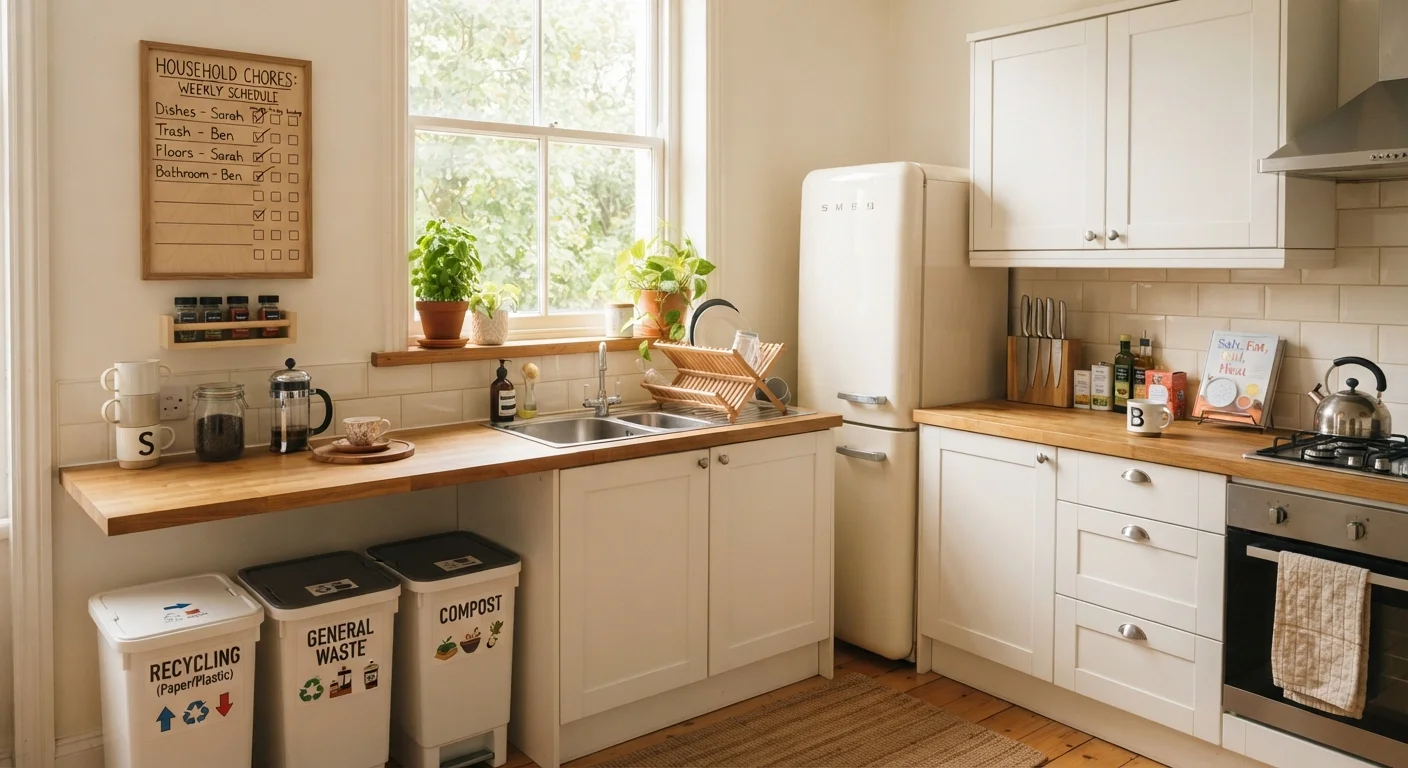
For shared households, the decision gets more layered. Different people have different tolerances for visible mess and different habits around putting things away. Our guide on organizing a shared household covers frameworks that account for exactly this kind of variation. And if you're weighing whether to build fixed storage or keep things flexible, fixed organizers vs. flexible bins can help you think through your options before committing.