Why Common Organization Advice Can Backfire
Home organization advice is everywhere - social media feeds, television shows, and entire book genres dedicated to the tidy home. Yet many households remain chaotic despite genuine effort. Often, the problem isn't the homeowner's willpower or lifestyle. It's the advice itself.
Many widely repeated organization beliefs are built on assumptions that don't hold up in real homes with real schedules. Following them can mean spending money on bins that gather dust, clearing out spaces that clutter back within weeks, or feeling like a personal failure when a system built for someone else simply doesn't fit your life. Understanding which ideas to set aside - and why - is the first step toward systems that actually hold.
For a grounding in common organization terms before diving in, the Home Organization Terminology guide is a useful plain-language reference.
Myth
You just need more storage. If you had better containers and more shelving, everything would have a place.
Fact
More storage without fewer items typically just hides - and multiplies - the problem.
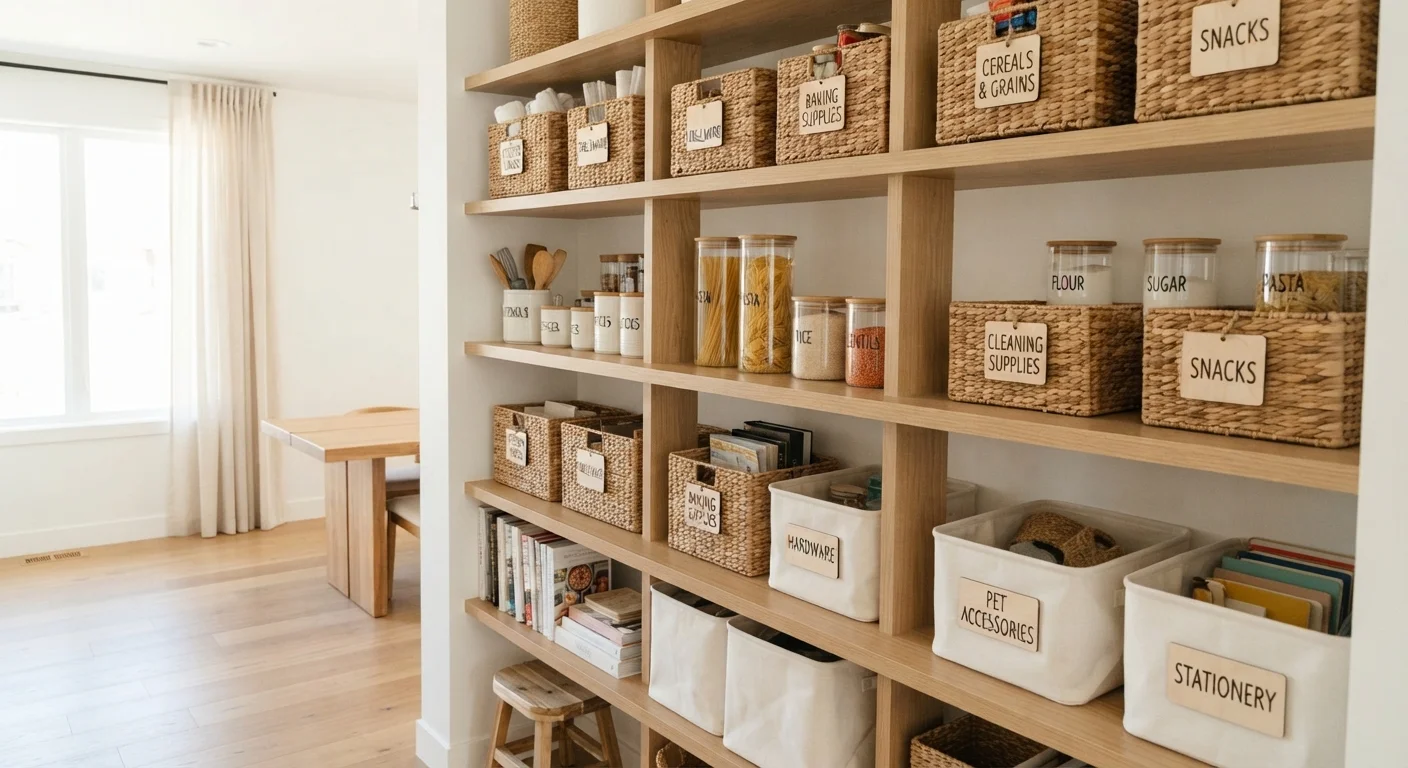
Adding bins, baskets, and shelving units before decluttering means you're organizing clutter, not eliminating it. Items accumulate to fill available space, a pattern sometimes called Parkinson's Law of stuff. The productive sequence is always: reduce first, then find homes for what remains. Buying storage as the first step is one of the most common - and expensive - organization mistakes.
Myth
If you do one big organization session, your home will stay organized.
Fact
One-time overhauls require ongoing maintenance habits to hold - without them, clutter returns within weeks.
A marathon organization weekend can feel transformative, but it only works if the underlying habits change too. Items need consistent homes, new possessions need a process for coming in, and a light daily or weekly reset prevents slow accumulation. Rules like one-in, one-out are simple but effective at preventing the backslide.
Myth
Minimalism is the gold standard - the fewer things you own, the more organized you'll be.
Fact
Minimalism suits some people and households, but it's one approach among many - not a universal requirement for order.
A well-organized home can contain many things. What matters is whether each item has a defined place and whether the system is easy to maintain. Families with children, hobbyists, or multi-person households often need more belongings, not fewer. Forcing a minimalist aesthetic onto a household that genuinely needs more can create its own friction and frustration.
Myth
A messy-looking home is a disorganized home.
Fact
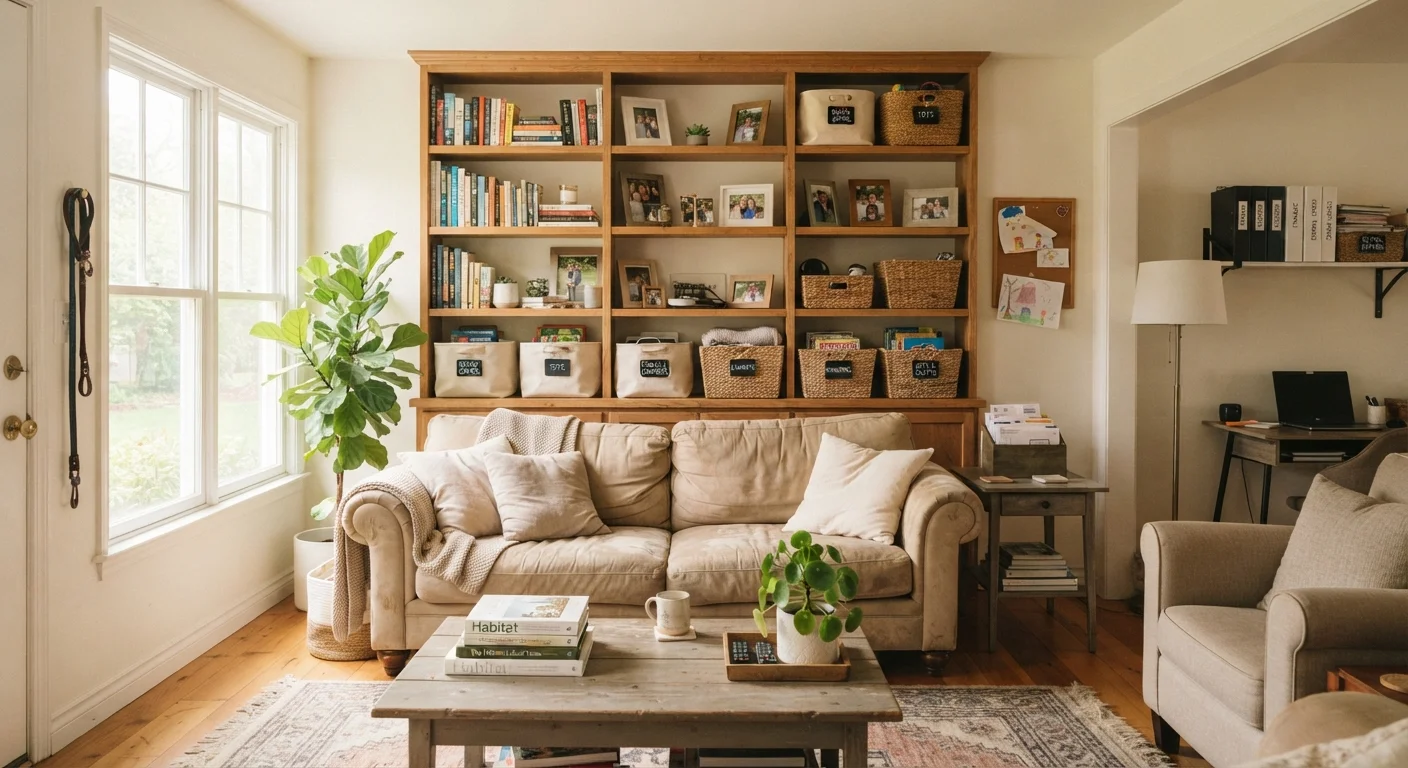
Visual tidiness and functional organization are not the same thing. A home can look busy but operate smoothly - or look sparse and still be impossible to navigate.
Organization is fundamentally about function: can you find what you need, when you need it, without stress? A child's art supplies spread across a table mid-project is not disorganization - it's active use. Conversely, a beautifully styled shelf where nothing is where it logically belongs is a functional failure, however good it photographs. Judge systems by how well they support daily life, not by how they look at a glance.
Myth
The right organization system works for everyone - you just need to find it and follow it exactly.
Fact
No single system works universally. Effective organization is always adapted to the specific household's routines, habits, and physical space.
Systems designed around someone else's lifestyle - a professional organizer's sample home, a social media personality's aesthetic - rarely translate directly. What works is a system built around your actual daily patterns: where you drop things when you walk in the door, how your household moves through the kitchen in the morning, where tasks genuinely get done. Borrowing ideas is useful; copying systems wholesale usually isn't.
Building Systems That Stick
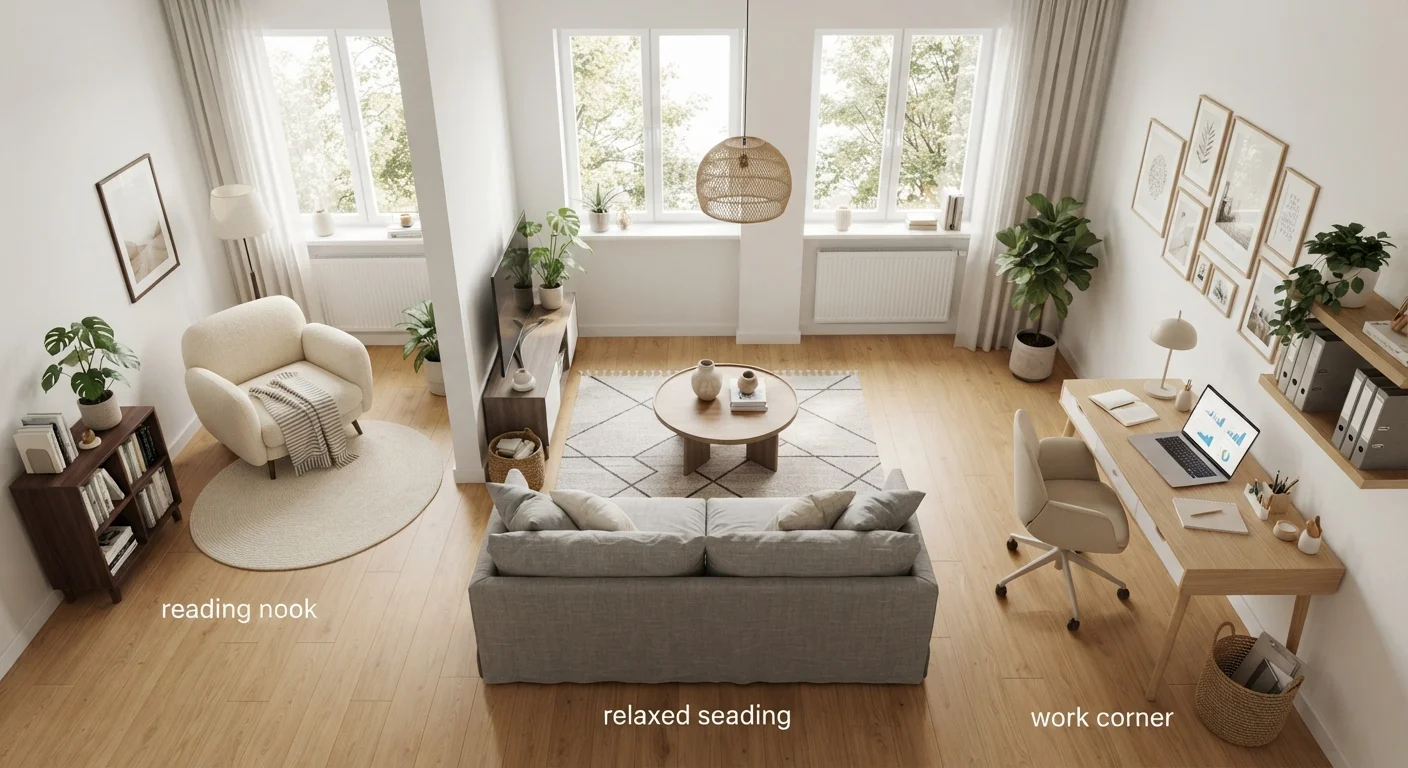
Ditching these myths creates space for approaches rooted in how you actually live. One of the most practical frameworks is organizing by activity zone rather than by room type - grouping items by what you do, not where things traditionally belong. The Zone Method guide walks through exactly how this works.
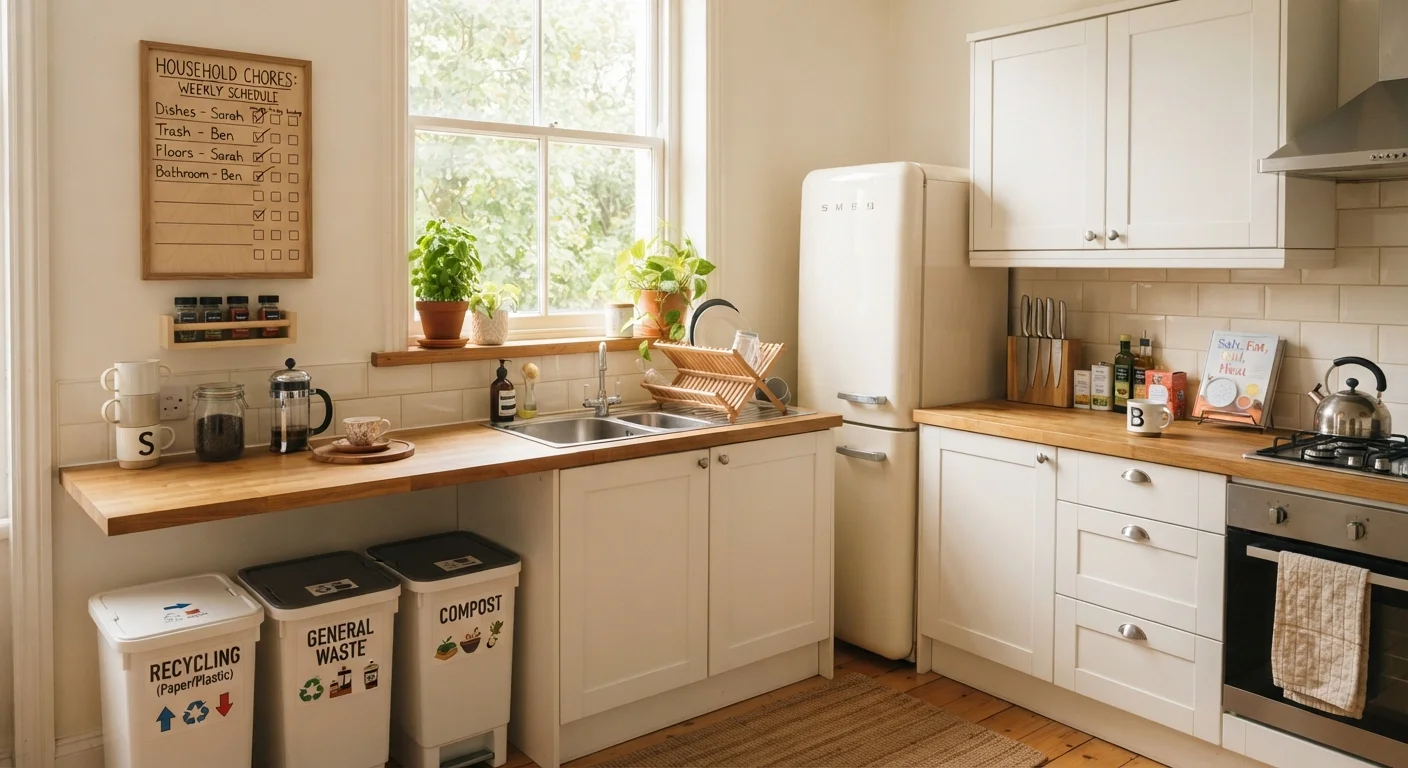
Maintenance matters more than the initial setup. Small daily habits - a five-minute reset before bed, a designated landing spot for daily-carry items - prevent the slow drift back to disorder. If you share your home with others, aligning on a few simple ground rules helps considerably. Organizing a shared household requires different thinking than solo systems, but it's entirely achievable.
Paper remains a particularly stubborn category. If mail and documents pile up despite your best efforts, the Paper Problem guide offers a sustainable approach for the digital age. And for one of the most-used - and most chaotic - spaces in any home, reorganizing kitchen drawers is a high-impact place to start applying what you've learned here.
Don't Let Disorganization Become a Source of Shame
Chronic clutter and disorganization are often linked to stress, overwhelm, or life transitions - not personal failure. If the state of your home is causing significant anxiety or affecting daily functioning, speaking with a mental health professional may be as valuable as any organizational system. The connection between environment and stress is real, but so is the risk of using "getting organized" as a standard you can never reach.
Sustainable organization isn't about achieving a photo-ready home. It's about reducing the daily friction of finding things, maintaining shared spaces, and keeping clutter from becoming a source of stress. Small, honest systems beat ambitious ones that collapse under real-life pressure every time.