
What a Debt Management Plan Actually Is
A debt management plan (DMP) is a structured repayment agreement facilitated by a nonprofit credit counseling agency. Unlike a debt consolidation loan-where you borrow new money to pay off old balances-a DMP does not involve new credit. Instead, the agency negotiates directly with your creditors to potentially reduce interest rates and waive certain fees, then collects a single monthly payment from you and distributes it to each creditor on your behalf.
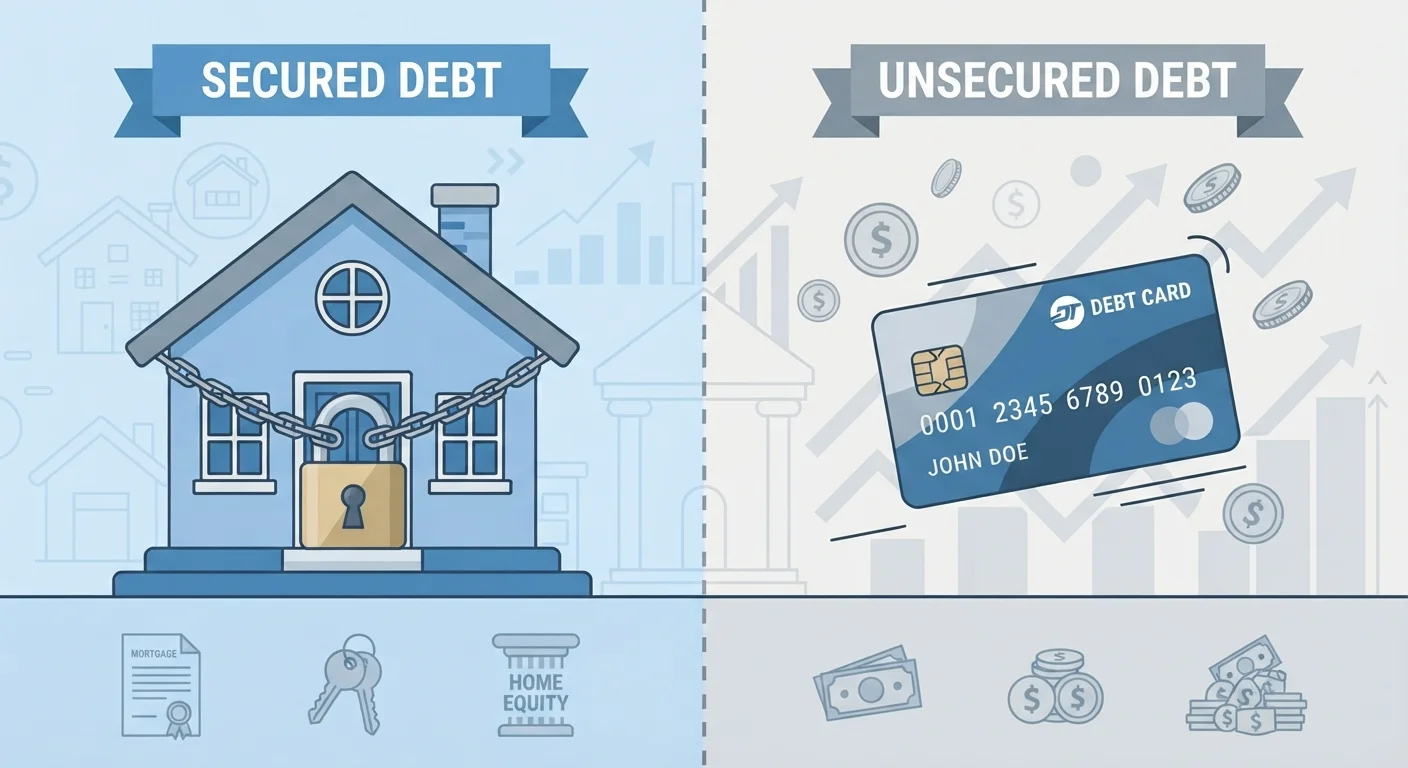
DMPs apply exclusively to unsecured debts, such as credit card balances and personal loans. Mortgages, auto loans, and student loans are generally not eligible. If you want a broader understanding of how secured and unsecured debts differ, see our article on the distinction between secured and unsecured debt and why it matters under financial stress.
The process begins with a counseling session-often free or low-cost-during which the agency reviews your income, expenses, and debts. If a DMP is appropriate, the agency proposes the plan to your creditors. Most major credit card issuers participate in DMP programs. Repayment typically takes three to five years.
Pros of a Debt Management Plan
A DMP offers several meaningful advantages over going it alone or pursuing more drastic options.
Lower interest rates negotiated by the agency
Creditors routinely reduce annual percentage rates for DMP participants-sometimes significantly-which means more of each payment reduces principal rather than interest charges.
Single monthly payment simplifies management
Instead of tracking multiple due dates and minimum payments, you make one payment to the agency, reducing the risk of missed payments and associated late fees.
Fee waivers may reduce overall debt cost
Some creditors agree to waive late fees or over-limit fees as part of the DMP arrangement, directly lowering the total amount you must repay.
Avoids new borrowing or collateral risk
Because a DMP is not a loan, you don't pledge any assets as collateral, and you don't take on new debt to retire old debt-an important distinction from consolidation loans.
Professional guidance throughout repayment
Nonprofit credit counselors provide ongoing support, helping participants adjust budgets and navigate hardships that might otherwise derail repayment.
3-5 years
Typical DMP repayment timeline
Most nonprofit credit counseling agencies structure debt management plans to be completed within three to five years, depending on total enrolled debt.
~6-10%
Common reduced APR range for DMP enrollees
According to the National Foundation for Credit Counseling, creditor-negotiated interest rates for DMP participants are often substantially below standard credit card rates, though exact rates vary by creditor and account history.
For consumers who want a structured framework alongside repayment, pairing a DMP with solid budgeting fundamentals can strengthen the outcome significantly.
Cons of a Debt Management Plan
DMPs are not a fit for every situation, and the trade-offs deserve careful consideration before enrolling.
Requires closing enrolled credit card accounts
Most creditors require that accounts included in the DMP be closed to new charges, which reduces available credit and can negatively affect your credit utilization ratio in the short term.
Monthly agency fees add to repayment cost
Nonprofit agencies typically charge a setup fee and a monthly administration fee-often ranging from $25 to $75 per month-which partially offsets the savings from reduced interest rates.
Long commitment of three to five years
Missing payments can invalidate creditor concessions and remove you from the plan, so the multi-year timeline requires sustained financial discipline with little flexibility.
Does not cover secured or student loan debt
Mortgages, car loans, and federal student loans are excluded, so consumers with significant debt in those categories need separate strategies alongside a DMP.
Limited access to new credit during the plan
Taking on new credit cards or loans while enrolled is generally discouraged or prohibited by the agency, which can feel restrictive for unexpected expenses.
Beware of For-Profit 'Credit Counselors'
Not all debt management services operate as nonprofits, and some for-profit companies market themselves using similar language. For-profit debt settlement companies, in particular, operate very differently from nonprofit credit counseling agencies and typically carry greater credit risk. The Federal Trade Commission recommends verifying an agency's nonprofit status and accreditation before sharing any financial information or paying fees.
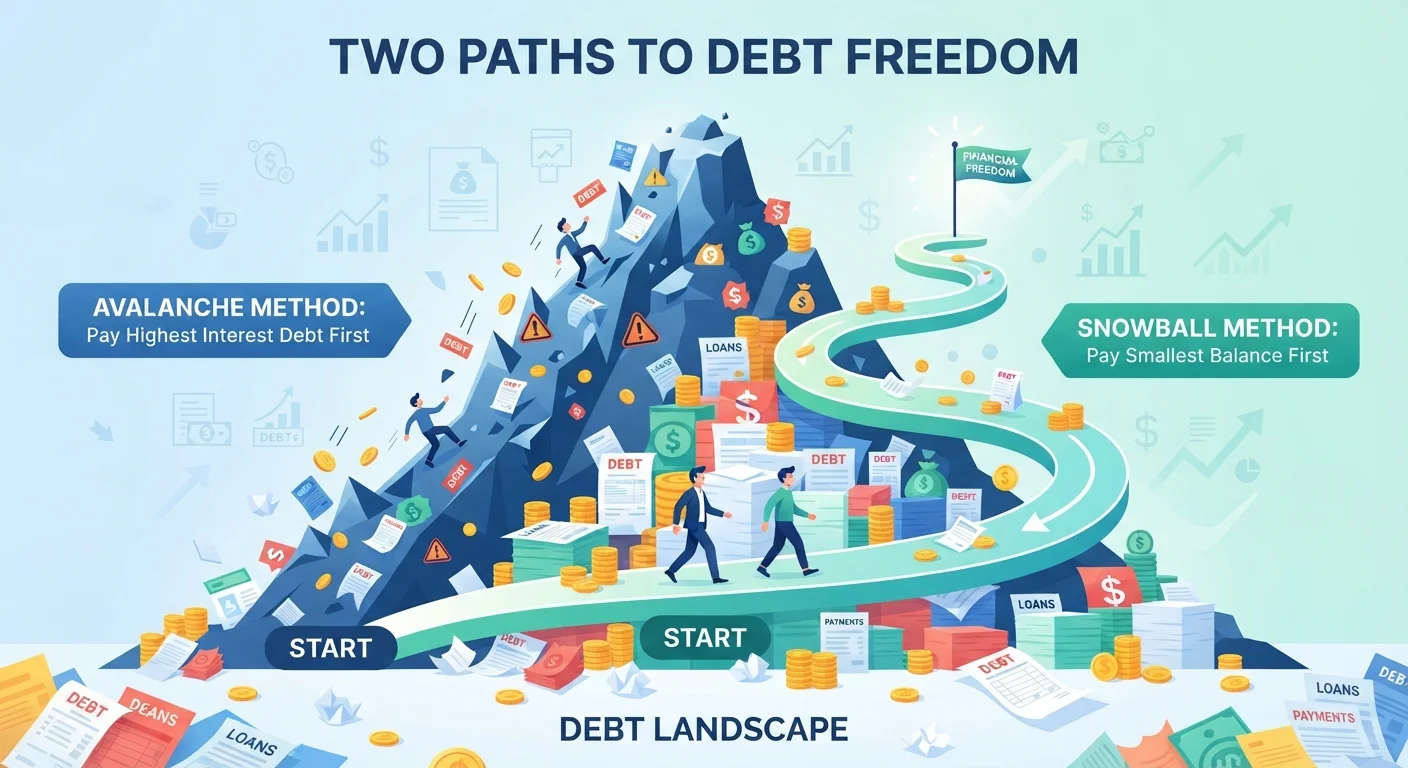
It's also worth comparing a DMP against self-directed strategies. The debt avalanche and snowball methods may work better for people with fewer accounts or who want to avoid agency involvement altogether.
How a DMP Affects Your Credit
One of the most common questions about DMPs involves credit impact. The short answer: enrolling in a DMP is not itself a negative credit event, but the actions required often are.
Most creditors require that enrolled accounts be closed to new purchases. Closing multiple credit card accounts reduces your total available credit, which can increase your credit utilization ratio-a key factor in credit scoring models. This typically causes a near-term score dip. Additionally, some creditors may add a notation to your credit report indicating the account is being repaid through a credit counseling plan, which some lenders view cautiously.
However, as you make on-time payments over the course of the plan, your payment history-the most heavily weighted scoring factor-improves. Most people who complete a DMP emerge with a stronger credit profile than when they enrolled. For guidance on what comes next, see our article on rebuilding credit after a financial setback.
Is a DMP the Right Path for You?
A DMP is one of several structured approaches to reducing debt. It is distinct from debt consolidation loans, debt settlement (which involves negotiating to pay less than owed and carries serious credit consequences), and bankruptcy (a legal process with long-term credit implications).
DMPs work best when you have stable income, the discipline to make monthly payments without missing them, and primarily unsecured debt that has become unmanageable due to high interest rates rather than an inability to repay any amount. If your debt picture is more complex or you're newer to understanding credit generally, the foundational overview at Debt & Credit from the Ground Up is a useful starting point.
To find a legitimate credit counseling agency, look for organizations accredited by the National Foundation for Credit Counseling (NFCC) or the Financial Counseling Association of America (FCAA). The U.S. Federal Trade Commission also provides guidance on evaluating credit counseling services.
This article is for general informational purposes only and does not constitute personalized financial, legal, or tax advice. Consult a qualified financial professional before making decisions about your debt situation.