Why Dry Chicken Is So Common
Chicken is one of the most cooked proteins in American kitchens - and one of the most frequently overcooked. Unlike a fatty cut like a chicken thigh or a pork shoulder, a boneless, skinless chicken breast has very little internal fat to compensate for heat exposure. When it goes even slightly past its ideal temperature, there's nothing to cushion the texture: you get dry, stringy meat.
The frustrating part is that dry chicken usually isn't caused by one big error. It's the accumulation of several small ones - starting the cook cold, eyeballing doneness, cutting too soon. Each mistake alone might be forgivable; together, they reliably produce disappointing results. The good news is that every one of these errors is correctable with a small adjustment to habit or technique.
Before diving into specific mistakes, it helps to read the recipe carefully before you begin - many dryness problems stem from missed prep steps that are mentioned early and easy to overlook when skimming mid-cook.
The Most Common Mistakes - and How to Fix Them
Cooking chicken straight from the refrigerator.
Why it happens: Most recipes just say "cook the chicken" without mentioning temperature at the start. Pulling it straight from the fridge feels efficient.
Relying on visual cues instead of a thermometer to judge doneness.
Why it happens: Many home cooks were taught that "no pink means done," but browning and opacity vary based on the cut, marinade, and cooking method.
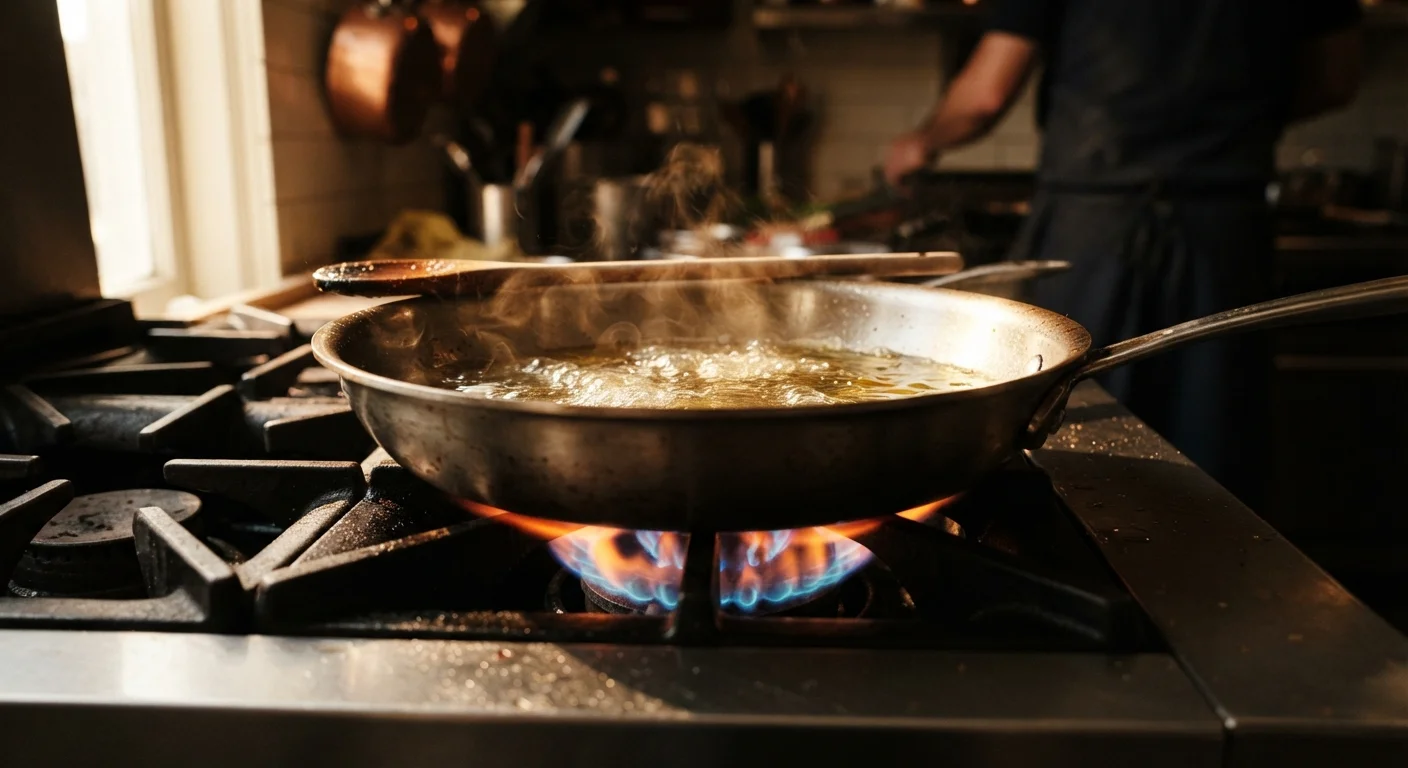
Cooking over too-high heat the entire time.
Why it happens: High heat produces satisfying browning quickly, so cooks assume it's the right approach throughout. In reality, sustained high heat drives moisture out rapidly.
Skipping brining or marinating for lean cuts.
Why it happens: Brining feels like an extra step, and many recipes don't call for it explicitly. Cooks assume seasoning alone is sufficient preparation.
Pounding or cutting chicken unevenly before cooking.
Why it happens: A whole chicken breast is thicker at one end and thin at the other. Without evening it out, the thin end overcooks before the thick end is done.
These mistakes span the entire cooking process - from how you prep the chicken to what you do in the minutes after it comes off the heat. Addressing even two or three of them will produce a noticeably better result the next time you cook chicken.
Don't Skip the Rest Time
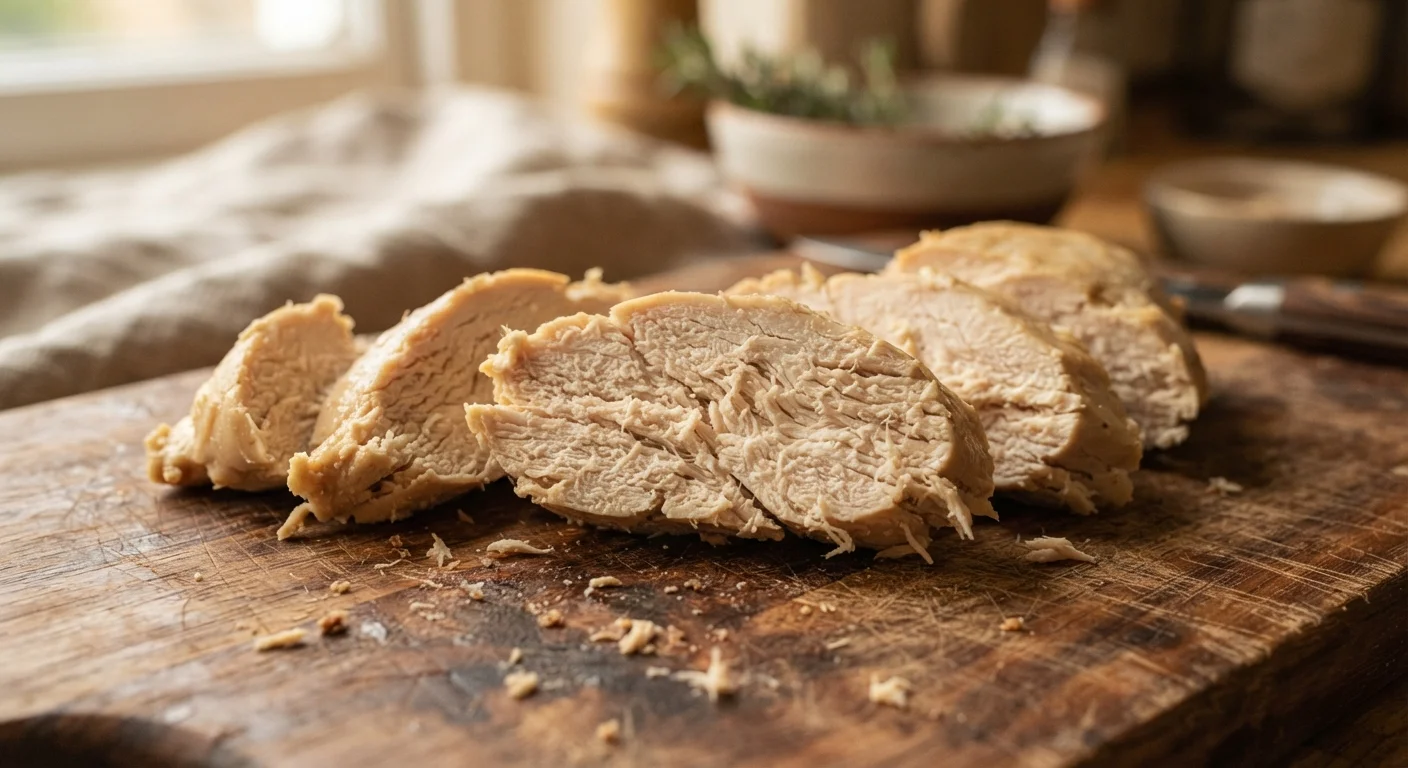
Cutting into chicken immediately after cooking causes the juices - which have been driven toward the center by heat - to run straight out onto the cutting board. Rest chicken for at least 5 minutes before slicing. This allows the muscle fibers to relax and reabsorb moisture, keeping each bite noticeably juicier.
Choosing the Right Cut for the Job
Not all chicken is equally prone to drying out. Bone-in, skin-on cuts retain moisture far more forgivingly than boneless, skinless breasts because the bone conducts heat more gently and the skin shields the surface. If you're new to cooking chicken or cooking for a group, starting with thighs - which have more fat and connective tissue - gives you considerably more margin for error.
Always Use a Meat Thermometer
Color and texture are unreliable indicators of doneness. The USDA recommends cooking chicken to an internal temperature of 165°F (74°C), measured at the thickest part. A reliable instant-read thermometer is the single most effective tool for preventing dry chicken - and for ensuring it's safe to eat.
That said, once you understand the mechanics involved, even a boneless breast can come out tender. The key is combining proper prep (even thickness, short brine), accurate heat management, and a thermometer. These aren't advanced techniques - they're foundational habits that many cooks skip because of persistent kitchen myths, like the idea that you can tell chicken is done by its color alone.
165°F
USDA safe internal temperature for chicken
According to USDA food safety guidelines, poultry must reach 165°F at the thickest point to be considered safe for consumption.
~5 min
Minimum rest time after cooking chicken
Food science sources broadly recommend a minimum 5-minute rest for chicken pieces to allow juice redistribution before cutting.