Why Reading First Actually Matters
Most cooking mistakes don't happen at the stove - they happen in the thirty seconds before a cook even turns on the burner. Skimming a recipe on the fly means you're reading one step while trying to execute another, and that's when things go sideways fast.
Professional cooks practice what's called mise en place - a French term meaning "everything in its place." The first step of that habit isn't chopping vegetables; it's reading the recipe completely so you understand the full arc of what you're doing. Beginner and casual cooks can borrow this exact approach.
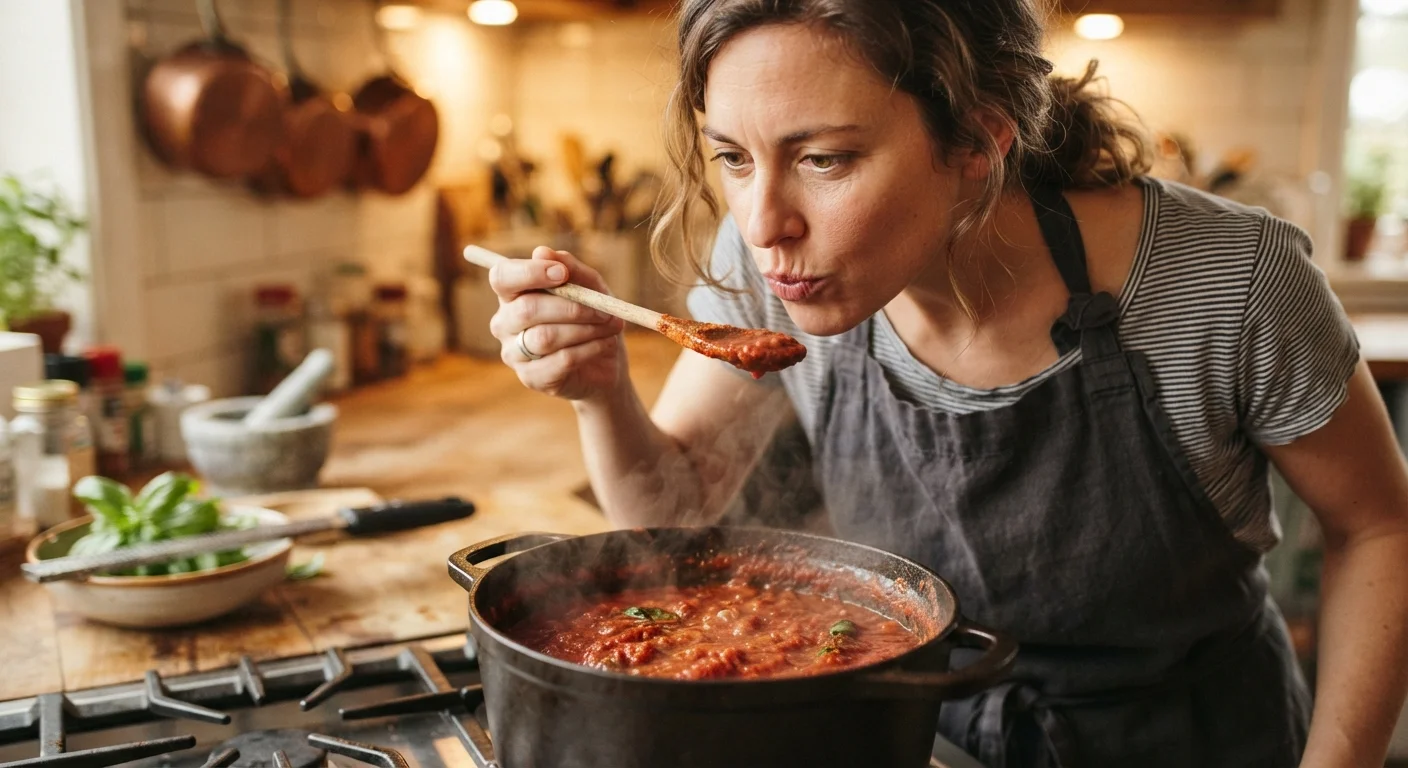
The checklist below tells you specifically what to look for when you sit down with a new recipe. Work through it before you touch a pan or measuring cup, and you'll cook with noticeably more confidence. For a deeper look at adjusting on the fly once cooking begins, see how to taste as you cook.
Understand the Scope
Decode the Ingredient List
Spot Technique and Timing Gaps
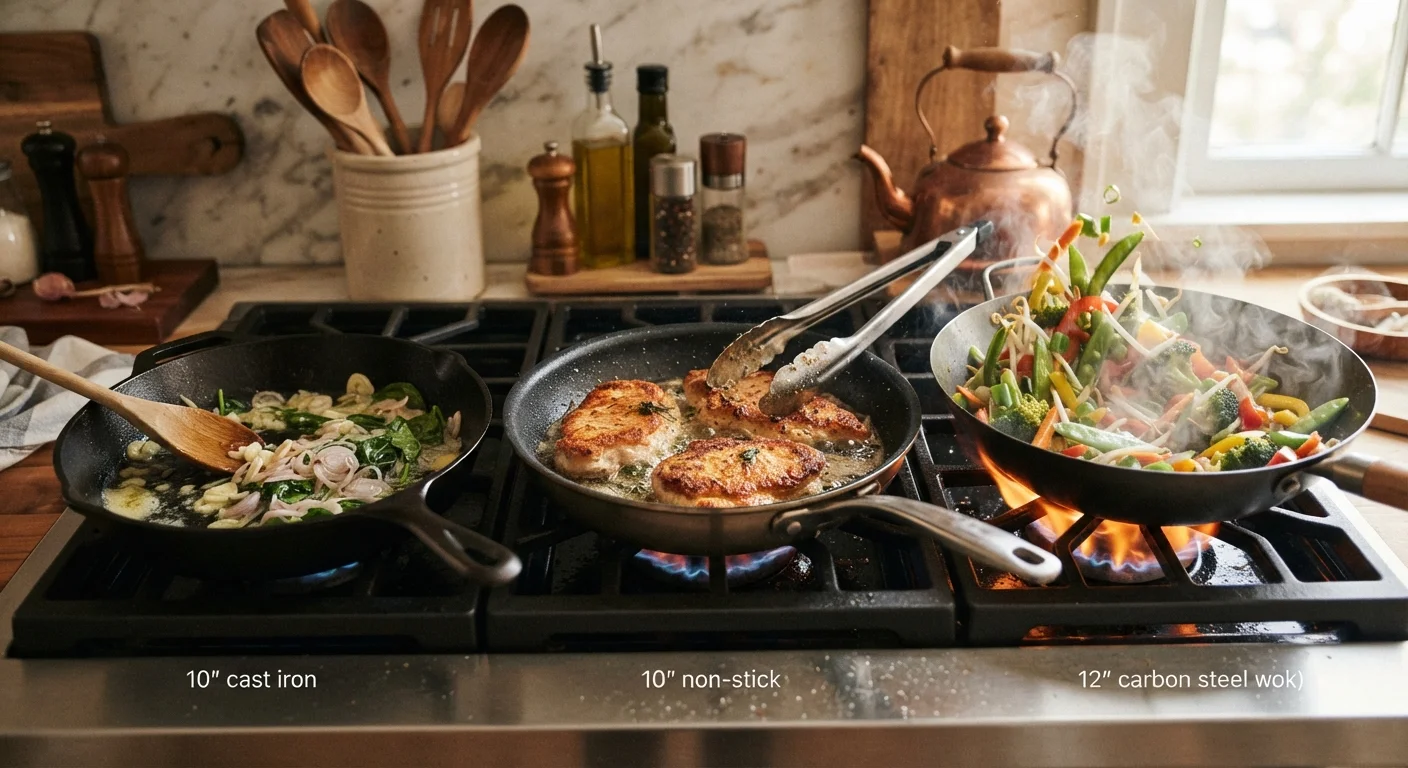
Verify Your Equipment
Check the Instructions Sequence
Tools and Knowledge You'll Want Nearby
Before you run through the checklist, make sure you have what you need to actually evaluate the recipe clearly.
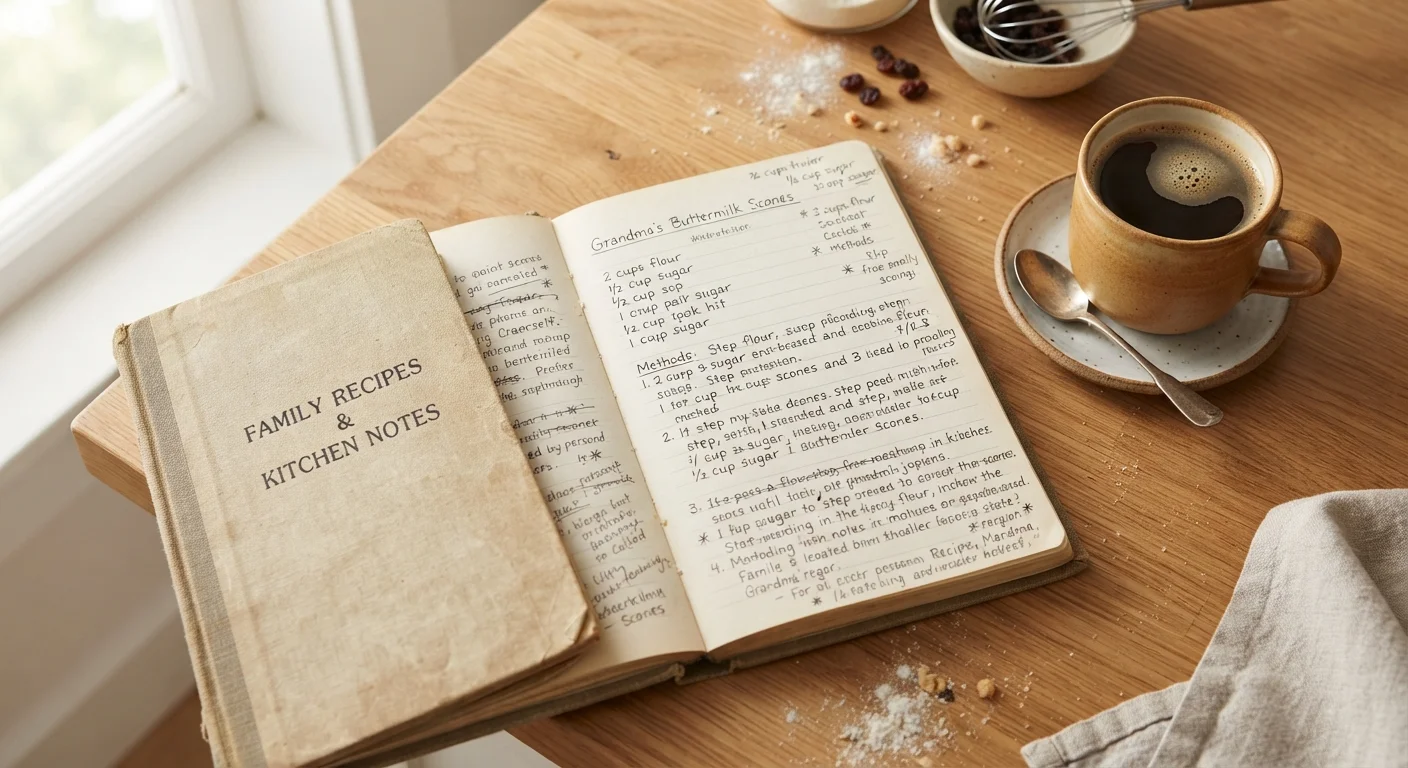
The printed or displayed recipe
Having the recipe fully visible - not just on a small phone screen - makes it easier to scan the full ingredient list and all steps at once.
Kitchen scale
Required when a recipe measures by weight (grams or ounces), which is common in baking and more accurate than volume measures.
Instant-read thermometer
Confirms doneness for meat, poultry, and some baked goods without relying on unreliable color or timing cues alone.
Pen or sticky notes
Useful for annotating the recipe with your own timing notes, substitutions, or flagged steps before you start cooking.
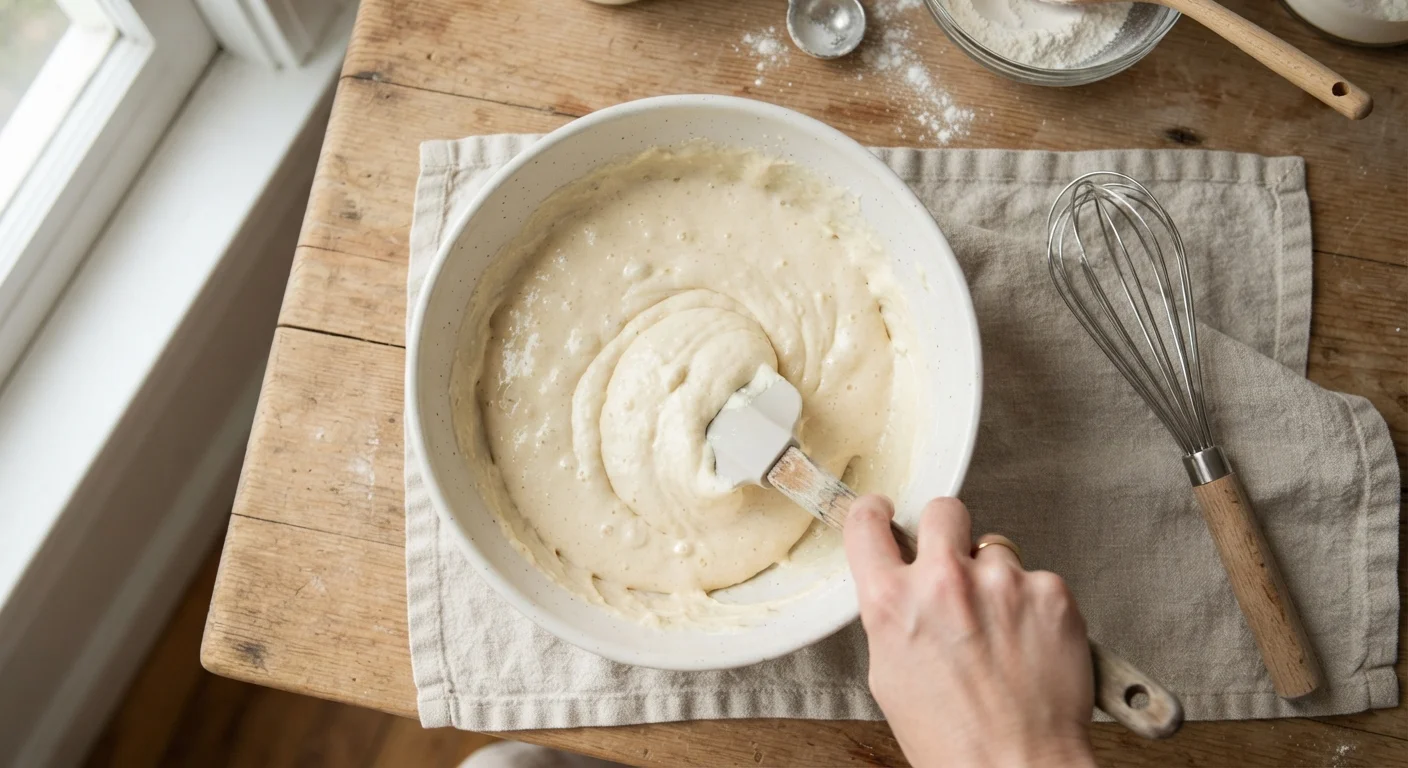
If you run across a technique in the recipe that sounds unfamiliar - like "fold in" or "deglaze" - look it up before you start. A quick read of what common mixing terms actually mean can prevent a lot of confusion mid-cook. Similarly, if the recipe specifies a stovetop method you're unsure about, understanding the difference between sautéing, pan-frying, and stir-frying is worth two minutes of your time.
Don't Trust Active Cook Time Alone
Many recipes list only the hands-on cooking time, not the total elapsed time. A recipe that takes 20 minutes to cook may require 2 hours of marinating or an hour of dough resting on top of that. Always check for inactive time - chilling, proofing, marinating, or cooling - so your meal is actually ready when you need it.
Scaling Recipes Isn't Always Linear
Doubling a recipe doesn't always mean doubling everything, especially for leavening agents like baking powder or baking soda. Spices and salt often need proportionally less when scaled up, and cooking times may change with larger volumes. If you're scaling significantly, research how that specific recipe type responds before you start.
After the Checklist: Set Up Before You Cook
Once you've worked through the list, take five minutes to act on what you found. Pull every ingredient out of the pantry and fridge. Measure and pre-prep anything the recipe calls for in advance. Set your oven if it needs to preheat. Get your tools on the counter.
This setup phase is what makes the actual cooking feel calm rather than frantic. It also means that if you discover you're missing something critical, you find out before you've already started. For guidance on stocking a kitchen so these gaps happen less often, setting up a home kitchen from scratch covers pantry staples and equipment basics in full.
Missing an Ingredient Midway Is Avoidable
Discovering you're out of a key ingredient after you've already started cooking is one of the most frustrating kitchen experiences - and almost entirely preventable. Do a physical check of your pantry and fridge against the ingredient list before you begin, not just a mental one. Pull items out and set them on the counter so you can see everything at once.
Once you're cooking, remember that recipes give you time ranges and visual cues, but your judgment matters too. Learn to recognize when food is actually cooked through rather than relying solely on the clock.