What a Recipe Means by 'Medium Heat' (and Why That's Often Not Enough Information)
When a recipe says "heat your pan over medium heat," it's giving you a dial position - not a temperature, not a result. That instruction assumes your stove, your pan, and the ambient conditions in your kitchen are all standard, which they rarely are. A burner labeled "medium" on one range may produce significantly more or less BTUs than the same setting on another.
More importantly, recipes typically skip explaining what a specific heat level is supposed to accomplish. That gap is where most cooking mistakes happen. Before adding a single ingredient, it helps to know: am I trying to brown this food, gently cook it, or reduce liquid from it? Each of those goals requires a different thermal environment. Learning to read a recipe for intent before you start is one of the most practical upgrades a home cook can make.
What Different Heat Levels Actually Do to Food
Heat does specific, physical things to food - and understanding those changes turns guesswork into informed decision-making.
- Low heat (around 200-300°F surface temp): Gently warms and softens. Ideal for melting butter, sweating aromatics like onion or garlic, warming sauces without breaking them, or holding cooked food.
- Medium heat: Cooks through without aggressive browning. Works well for eggs, delicate fish, pancakes, and sautéed vegetables where you want tenderness without a dark crust.
- Medium-high heat: The zone where the Maillard reaction becomes reliable. Proteins and sugars on the food's surface undergo a chemical transformation that produces brown color and complex, savory flavor. This is the range for most pan-searing.
- High heat: Useful for stir-frying and searing, but requires movement or brief contact. Sustained high heat without attention leads to scorching, bitter flavors, and tough textures.
The relationship between heat level and technique is explored in more depth in our guide to the differences between sautéing, pan-frying, and stir-frying, each of which depends on precise temperature control to work correctly.
~310°F
Minimum surface temp for Maillard browning
Food scientists generally cite around 280-330°F (138-165°C) as the threshold range where the Maillard reaction begins producing meaningful browning and flavor compounds on food surfaces.
3-5 min
Typical preheat time for a stainless steel skillet
Most culinary instructors recommend preheating a stainless steel pan on medium heat for 3-5 minutes before adding oil, to allow even heat distribution across the cooking surface.
The Most Common Pan Temperature Mistakes
Most stovetop failures trace back to one of three heat-related errors:
- Adding food to a cold pan. Cold pans cause two problems: food sticks, and moisture steams off before browning can start. The result is gray, pale, or wet food with a soft texture rather than a flavorful crust.
- Using high heat thinking it means faster cooking. Higher surface temperatures cook the exterior faster than heat can travel inward. You end up with a burned outside and an undercooked center - common with thick chicken breasts or pork chops.
- Not adjusting heat during cooking. Most dishes benefit from a heat change mid-cook: start higher to sear or brown, then lower to finish gently. A pan that's cranked to high from start to finish rarely produces the best result.
Test Your Pan Before Adding Food
Hold your hand 2-3 inches above the pan surface - you should feel radiant heat within a few seconds on a properly preheated pan. For more precision, flick a few drops of water: steady sizzling and rapid evaporation indicates medium heat readiness. This quick check costs seconds and prevents most sticking and uneven-browning problems.
It's also worth noting that these aren't myths perpetuated by bad cooks - they're gaps left by recipes that assume too much. Our piece on common cooking myths that confuse beginner cooks covers several related misconceptions that erode confidence in the kitchen.
How to Read Your Pan Instead of the Clock
The most reliable way to manage pan temperature isn't a thermometer - it's observation. Experienced cooks read their pans the way a driver reads the road: continuously and responsively.
Sound: Food added to a properly heated pan should sizzle immediately and consistently. A sluggish, quiet sizzle means the pan is too cool. Immediate, aggressive spattering can mean it's too hot - or that the food had too much surface moisture.
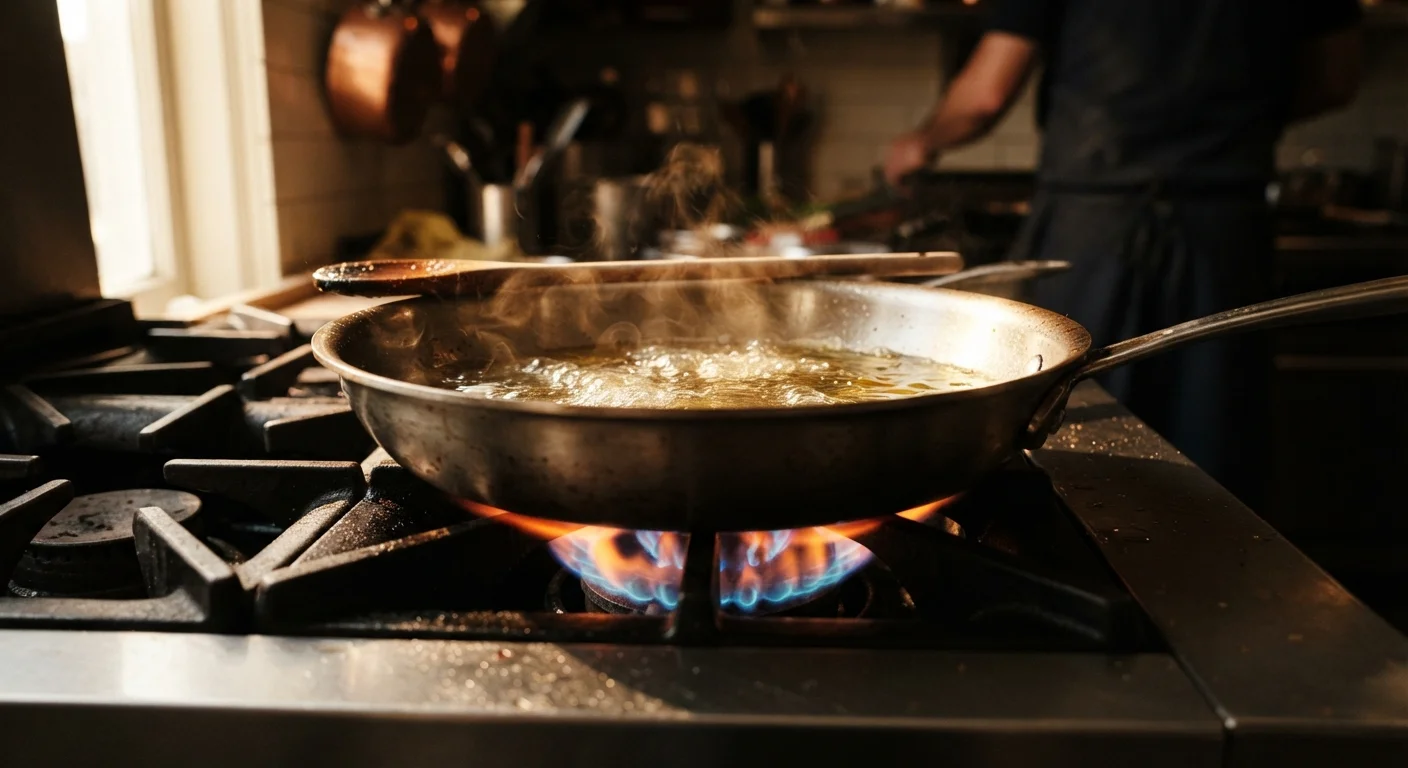
Oil behavior: Cold oil sits flat and still. As a pan heats, oil begins to shimmer and move fluidly. Smoking oil means you've exceeded the oil's smoke point - it's time to reduce heat or start over with a fresh pan.
Color: Watch the edges and bottom of food. Golden browning should develop gradually over 2-4 minutes for most proteins. If browning happens in under a minute, your heat is likely too high.
These cues connect directly to the broader skill of paying attention while you cook - which, like tasting as you cook, is a habit that separates reactive cooks from confident ones.
Cookware Material Changes Everything
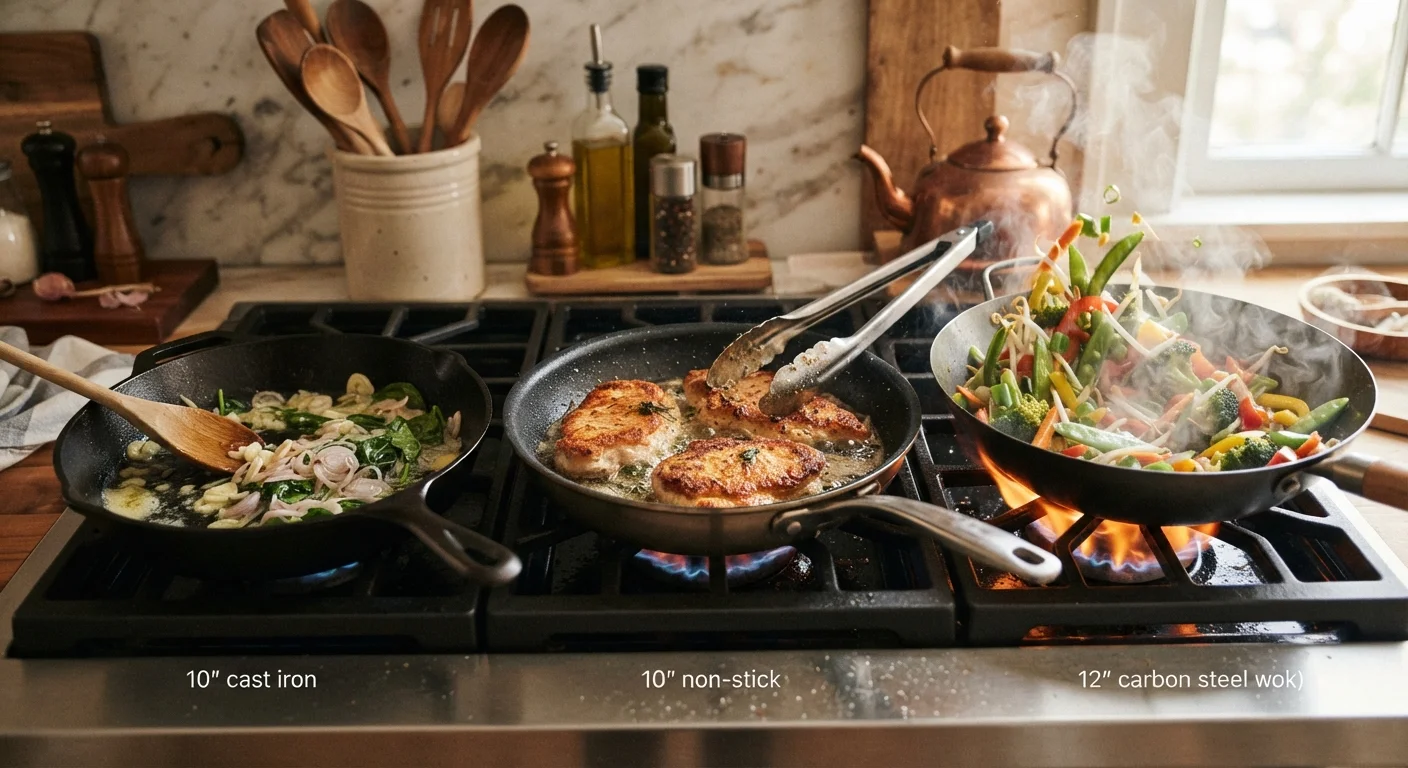
The same burner setting behaves differently across pan types. Cast iron retains heat aggressively and responds slowly to adjustments, making it ideal for sustained high-heat searing but unforgiving if you need to quickly reduce temperature. Nonstick pans should generally not exceed medium heat - high heat degrades the coating over time and can release undesirable compounds. When in doubt, follow your cookware manufacturer's guidance on maximum heat levels.