Why the Standard Approach Often Falls Short
Most people with food allergies have learned the routine: mention it when ordering, hope for the best. But that approach leaves a lot of room for error. Restaurants are fast-paced environments where information has to travel from the front of house to the back - and that chain is fragile.
Servers may be unfamiliar with every ingredient in a dish. Kitchen staff may be working on multiple orders simultaneously. And 'allergy-friendly' doesn't always mean 'allergen-free.' Understanding these gaps is the first step toward communicating more effectively. For broader dining guidance, see our checklist of questions worth asking your server before you order.
Allergy vs. Intolerance: A Key Difference
A food allergy triggers an immune response that can be life-threatening, while a food intolerance typically causes digestive discomfort but is not medically dangerous. Communicating which applies to you helps kitchen staff prioritize and respond appropriately. If your reaction is severe, say so clearly - many kitchens have specific protocols reserved for allergy situations.
Best Practices for Communicating Food Allergies
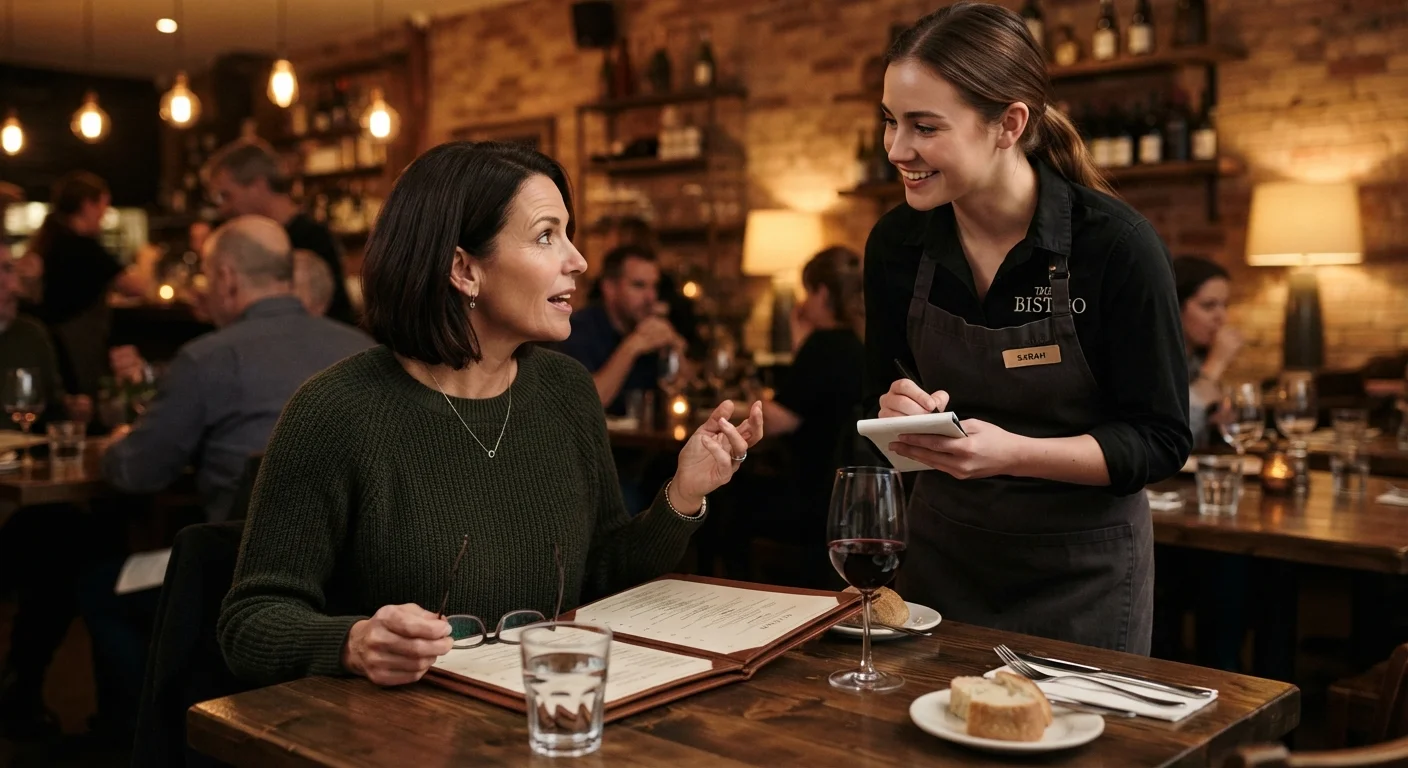
Effective allergy communication isn't a single moment - it's a sequence of conversations that starts before you walk in the door and continues until the food is in front of you. The practices below represent a reliable approach that works across casual and fine dining environments alike.
Mention your allergy when making the reservation
Giving a restaurant advance notice allows the kitchen to review your needs before service begins. Some restaurants will alert the chef on duty, flag your reservation in their system, or even suggest dishes they can safely prepare for you ahead of time.
Use precise, clinical language rather than vague terms
Saying 'I can't eat gluten' is more actionable than 'I'm trying to avoid bread.' Specific language signals seriousness and helps servers relay accurate information to the kitchen. Vague requests are more likely to be treated as preferences rather than medical necessities.
Ask about preparation and shared equipment, not just ingredients
Cross-contact - when an allergen is transferred from one food to another through surfaces, utensils, or cooking oil - is a leading cause of reactions in restaurant settings. A dish may contain no shellfish as an ingredient, but if it's cooked in the same pan or fryer, the risk remains.
Repeat your allergy to every point of contact
Verbal communication breaks down across shifts, busy service periods, and large teams. Telling only your server doesn't guarantee the message reaches the line cook plating your food. Redundancy is protection.
Know when a kitchen genuinely cannot accommodate you safely
Not all kitchens have the space, staffing, or protocols to handle severe allergens safely. A small restaurant with an open kitchen and shared prep surfaces may pose higher cross-contact risk than a larger operation with dedicated allergen protocols. There's no shame in leaving if the answers you receive aren't confident or clear.
Check Menus Before You Arrive
Most restaurants post their menus online, which gives you time to identify safe options without the pressure of the table. Use this research to come in with specific questions rather than open-ended ones. Being prepared helps staff help you more effectively.
What Restaurants Can and Can't Control
Even well-meaning kitchens have real limitations. Understanding what's within a restaurant's control - and what isn't - helps you ask better questions and make smarter decisions.
1 in 10
U.S. adults with a confirmed food allergy
According to research published in JAMA Network Open, approximately 10.8% of U.S. adults have at least one food allergy.
50%
Of allergic reactions occurring away from home
Food Allergy Research & Education (FARE) estimates that roughly half of fatal food allergy reactions in the U.S. are triggered by food from a restaurant or food service establishment.
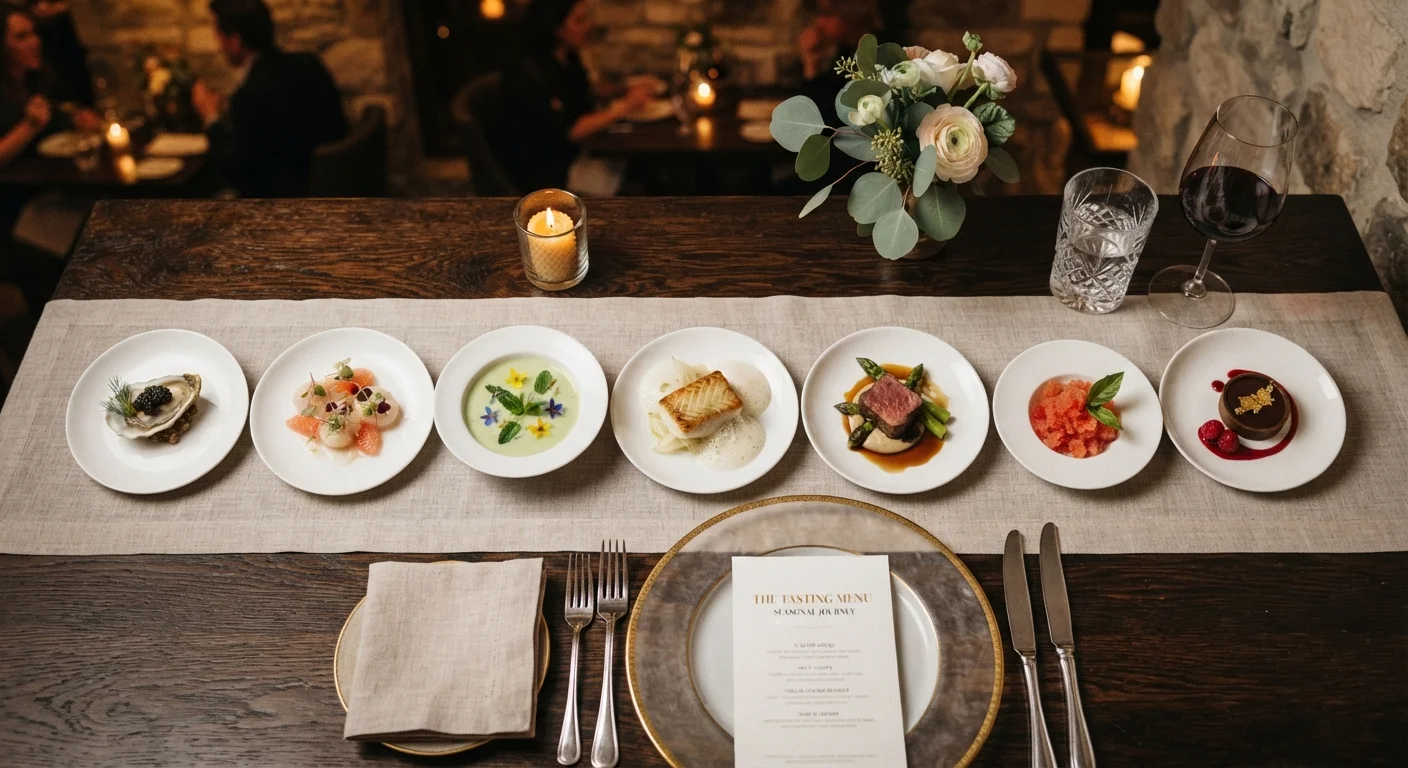
Cross-contact is the most common unintentional cause of allergic reactions in food service. A dedicated fryer or prep surface significantly reduces risk, but not every kitchen has the space or staffing to offer this. High-volume restaurants may also have more standardized protocols than smaller, independent spots. If you're navigating an elaborate tasting menu, it's worth reading up on how tasting menus work so you understand where to ask questions at each course.
“The most important thing a guest with a food allergy can do is tell us early and tell us specifically. When we know exactly what we're dealing with, we can almost always find a way to take care of you safely.”
— A culinary director at a multi-location American restaurant group, Culinary Director, multi-location restaurant group
Quick Steps You Can Take Right Now
If you or someone in your party has a food allergy, these immediate actions can meaningfully reduce risk without requiring any special tools or knowledge.
Managing dietary restrictions while dining out is genuinely manageable with the right approach. For more guidance on reading between the lines when dining out - including how reservation policies may affect your planning - see what restaurant reservation policies actually mean for diners.
This article is for general informational purposes only and is not a substitute for medical advice. If you have a diagnosed food allergy or suspect you may have one, consult a qualified healthcare provider about your specific situation and emergency action plan.