What Makes a Sugar 'Natural' or 'Added'?
The terms natural sugar and added sugar describe where sugar comes from - not what the sugar molecule itself looks like. Both types are chemically similar: they break down into glucose and fructose during digestion. The critical difference lies in the food matrix they arrive in.
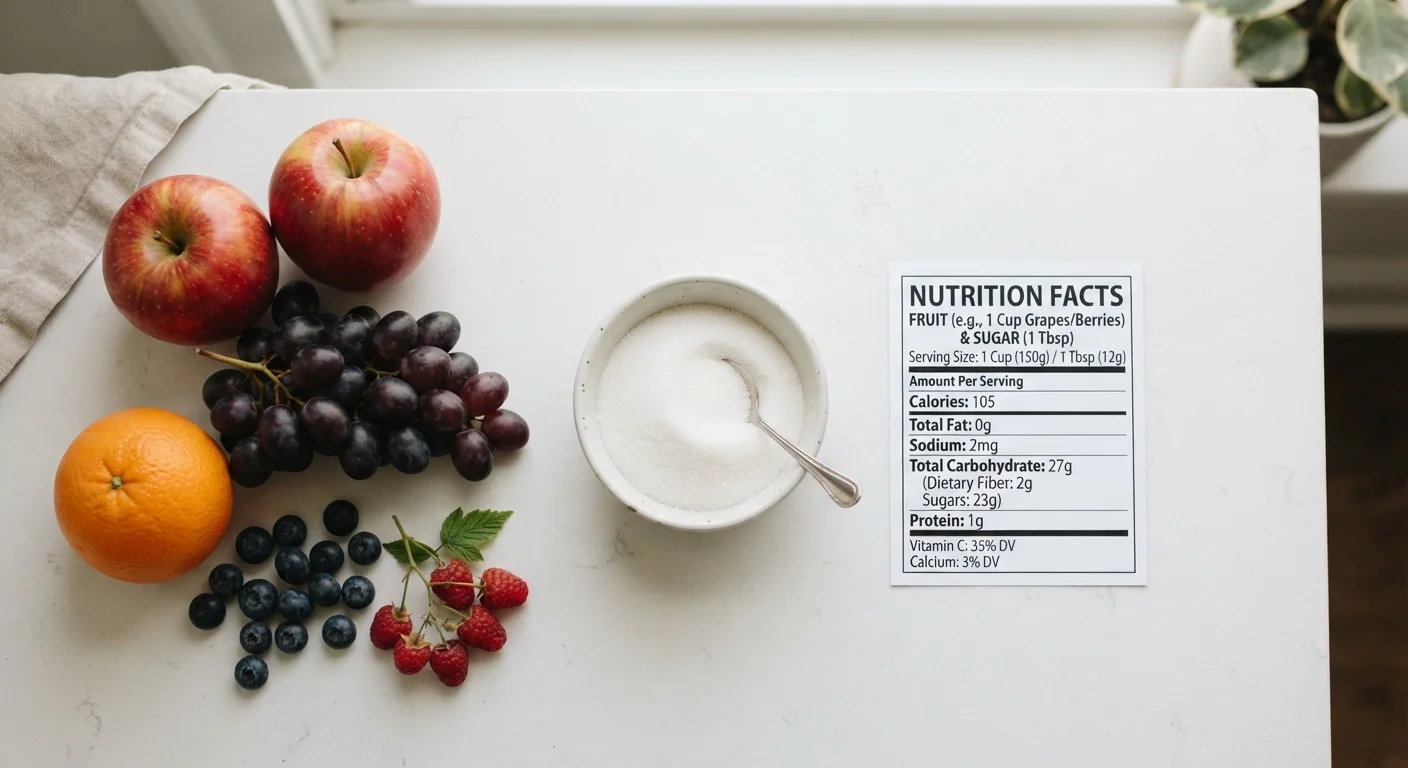
Natural sugars are those found inherently in whole, unprocessed foods. The lactose in milk, the fructose in an apple, the sucrose in a beet - these exist alongside fiber, water, protein, and micronutrients that are part of the original food structure. That package matters to how your body processes them.
Added sugars, by contrast, are sugars and syrups introduced to a food during processing, preparation, or manufacturing. A plain cup of yogurt contains natural lactose. The same cup flavored with fruit syrup at the factory may contain 15-20 grams of added sugar on top of that. The added sugar arrives stripped of any accompanying nutrients - just sweetness and calories.
How Each Type Is Handled in the Body
When you eat a piece of fruit, the fiber it contains slows down digestion and the rate at which sugar enters your bloodstream. This produces a more gradual rise in blood glucose and a more sustained feeling of fullness. The vitamins and antioxidants present add further nutritional value to what is, at its core, a sugary food.
Added sugars - especially in liquid form like sodas or sweetened coffees - tend to be absorbed faster because they arrive without fiber or other slowing agents. Frequent, rapid blood sugar spikes followed by drops are associated with hunger returning sooner and consuming more calories overall. Nutrition researchers generally consider this pattern less favorable compared to the slower absorption of sugars from whole foods, though individual responses vary.
17 tsp
Average daily added sugar intake for U.S. adults
According to CDC data, American adults consume roughly 17 teaspoons of added sugar per day on average - well above the American Heart Association's general guidance.
~37%
Share of added sugar coming from beverages
The CDC estimates that sweetened drinks - sodas, energy drinks, sports drinks, and sweetened coffees - account for roughly a third of added sugar consumption in the U.S.
It's worth noting this is about patterns over time, not a single serving. Occasionally enjoying a food with added sugar is not a health crisis. What matters most is the overall diet - and for most Americans, added sugar is consumed in amounts that exceed general nutrition guidance.
Side-by-Side: Natural Sugar vs. Added Sugar
Looking at both types across a few key criteria helps clarify why nutrition guidance treats them differently.
| Criterion | Natural Sugar | Added Sugar |
|---|---|---|
| Source | Whole foods (fruit, dairy, vegetables) | Added during processing or preparation |
| Nutrient package | Comes with fiber, vitamins, minerals | Calories only - no added nutritional benefit |
| Absorption speed | Slower due to fiber and food structure | Often faster, especially in beverages |
| Appears on label | Included in 'Total Sugars' | Listed separately as 'Added Sugars' |
| Daily intake guidance | No specific cap for whole-food sources | Less than 10% of daily calories (USDA/HHS) |
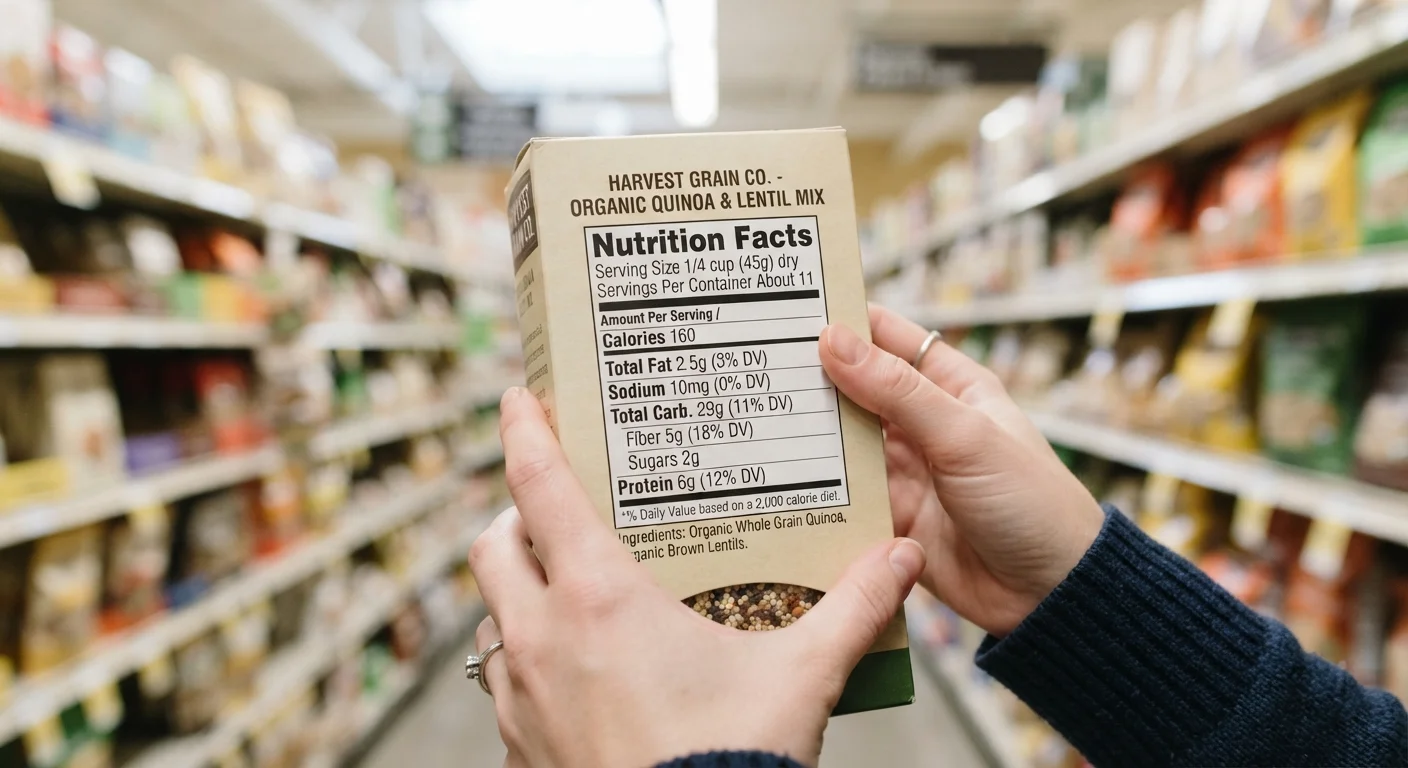
For a deeper look at how these figures appear on packaging, see our guide to reading a Nutrition Facts label - it walks through the added sugars line and daily value percentages in plain language.
Where Added Sugar Hides
Added sugar isn't limited to obviously sweet foods. It frequently appears in products people consider savory or neutral - pasta sauces, salad dressings, bread, flavored oatmeal, protein bars, and ketchup among them. Food manufacturers use dozens of names for it on ingredient lists, which makes it easy to miss.
Common aliases include: high-fructose corn syrup, cane juice, dextrose, maltose, evaporated cane juice, agave nectar, honey, brown rice syrup, and fruit juice concentrate. If you see multiple sugar-based ingredients in the first several items on an ingredient list, the product likely contains a significant amount of added sugar in total - even if no single ingredient looks alarming on its own.
Decoding the Ingredient List
Ingredients are listed by weight in descending order, so a sugar appearing near the top signals it's a major component. Because manufacturers can use many different sugar names, the 'Added Sugars' line on the Nutrition Facts panel is often the most reliable single number to check - it consolidates all those sources into one figure with a daily value percentage attached.
The same principle applies to sodium: most of it doesn't come from where you'd expect. Our article on sodium in the American diet explores a very similar pattern of hidden sources in packaged and processed foods.
This article is for general informational and educational purposes only and is not a substitute for advice from a registered dietitian or qualified healthcare professional.