Why Color and Timing Are Unreliable Guides
Most beginner cooks rely on two things to judge doneness: what the food looks like and how long it has been cooking. Both are useful starting points, but neither is sufficient on its own. Color can be misleading - a pork chop may look pale and raw when it is perfectly safe at 145°F, while ground beef can appear brown throughout before reaching a safe temperature. Timing is equally imperfect because pan size, ingredient thickness, starting temperature, and actual stove output all vary between kitchens.
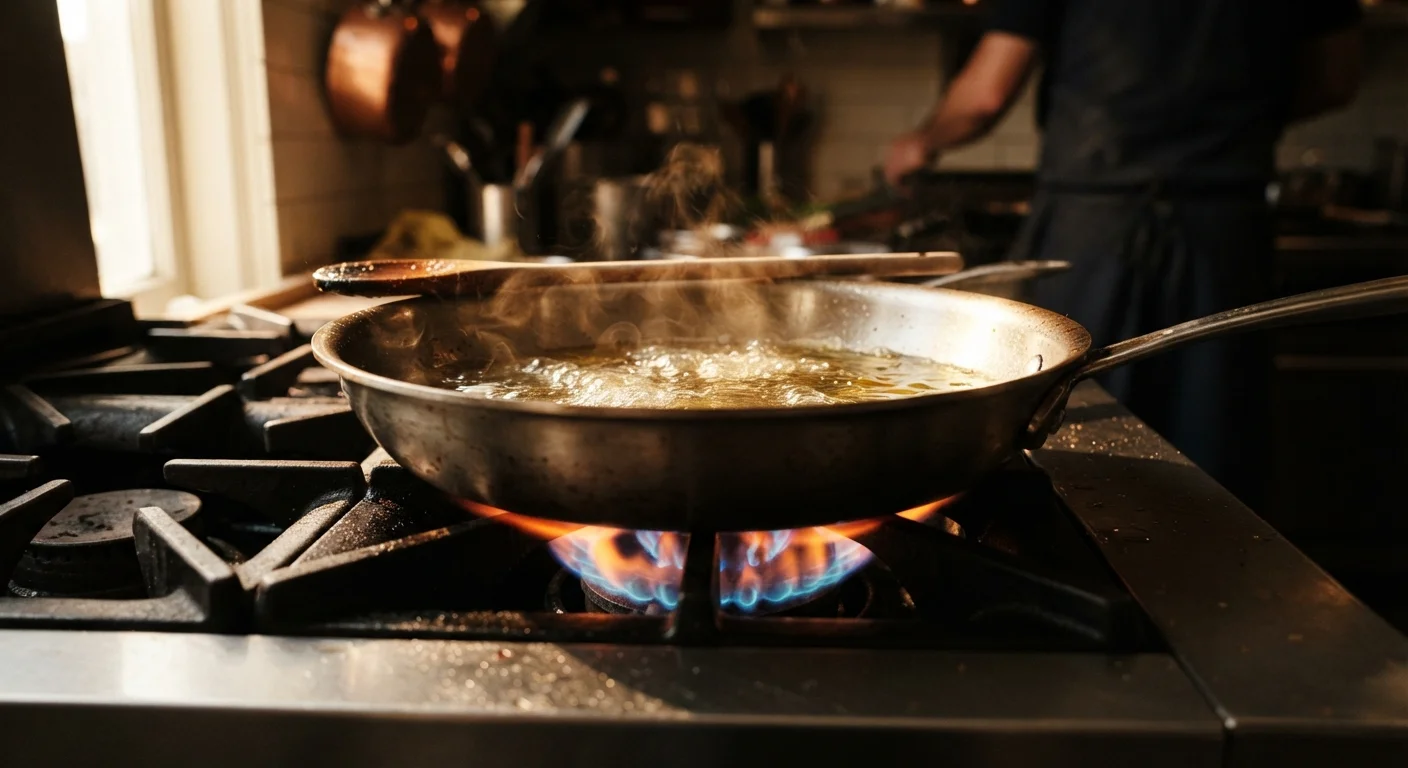
This is why pan temperature matters so much - the same recipe cooked in two different pans at technically the same setting can produce very different results. Recipes give you a framework, not a guarantee. Understanding doneness means learning to read the food itself.
A Note on Recipe Times
Recipe cook times are estimates based on average conditions - average pan, average stove, average ingredient size. They are meant to orient you, not to replace observation. A thick chicken breast from the refrigerator takes longer than one at room temperature, and a cast iron pan retains heat differently than a stainless skillet. Always use times as a starting point and doneness cues as your actual finish line.
The Reliable Methods: What Actually Works
Different foods have different doneness signals, and the best cooks use a combination of methods depending on what they're cooking.
Internal Temperature for Proteins
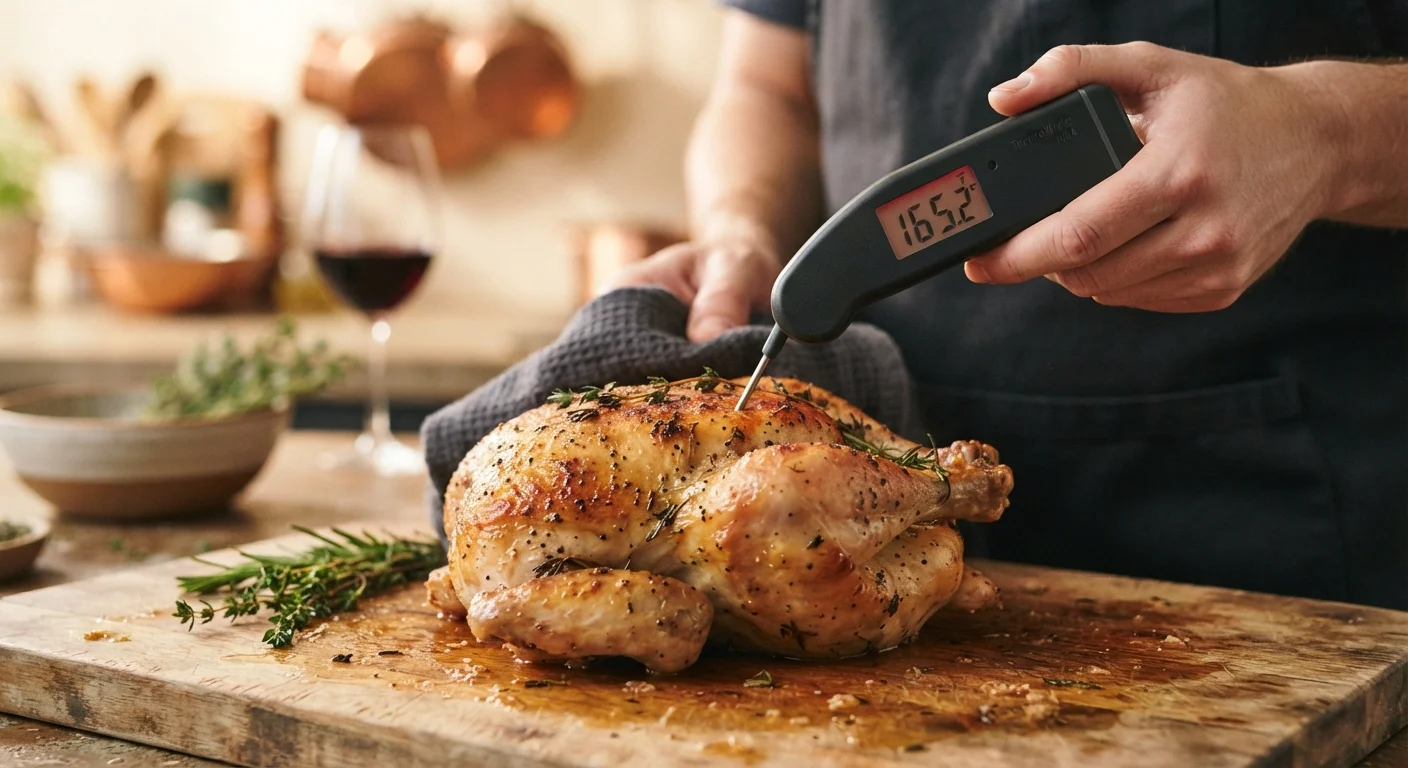
For meat, poultry, and fish, an instant-read thermometer is the single most reliable tool available. The USDA recommends the following minimum internal temperatures:
- Poultry (whole or ground): 165°F
- Ground beef, pork, lamb, or veal: 160°F
- Beef, pork, veal, and lamb (steaks, roasts, chops): 145°F, with a 3-minute rest
- Fish: 145°F, or until flesh is opaque and flakes easily
Insert the thermometer into the thickest part of the food, away from bone, fat, or gristle for an accurate reading. And remember carryover cooking - pull proteins 3-5°F below your final target, then rest them covered. The temperature will continue to climb.
48M
Foodborne illness cases in the US annually
According to the CDC, approximately 48 million Americans experience foodborne illness each year, much of which is linked to undercooked protein.
145°F
USDA minimum safe temp for whole cuts of pork
The USDA revised its safe cooking temperature for whole cuts of pork to 145°F with a 3-minute rest in 2011, acknowledging that properly rested pork may still appear slightly pink.
Texture and the Poke Test
For steaks and chops, experienced cooks use the feel of the meat: raw protein is soft and yielding, medium-rare has a gentle spring, and well-done is noticeably firm. This takes practice and is less reliable than a thermometer, but it's a useful supplemental cue once you've calibrated it through repetition.
Vegetables: Texture Is Everything
Vegetables don't have a food-safety temperature target the way proteins do. Doneness here is about preference and technique. Pierce a potato or carrot with a knife tip - it should slide in with little resistance when done. For greens like spinach or kale, look for wilting and a bright, vivid color. Pasta follows a similar logic: taste it. It should be tender but with a slight chew at the center.
Baked Goods: A Whole Different Category
Cakes, muffins, and quick breads have their own set of doneness cues. The toothpick test - inserting a wooden skewer or toothpick into the center and checking if it comes out clean or with moist crumbs - is the most common. A few moist crumbs clinging to the toothpick is fine; wet batter is not. You can also press gently on the top of a cake: a fully baked cake springs back when lightly pressed, while an underbaked one will leave an indent.
Bread has an additional cue: tap the bottom of a loaf and it should sound hollow when done. An instant-read thermometer works here too - most enriched breads are fully baked between 190°F and 200°F internally.
Test Your Oven's Actual Temperature
Many home ovens run hotter or cooler than their dials suggest - sometimes by 25°F or more. An inexpensive oven thermometer placed on the center rack will show you the real temperature. This single step can explain a lot of baking inconsistencies and makes doneness timing much more predictable.
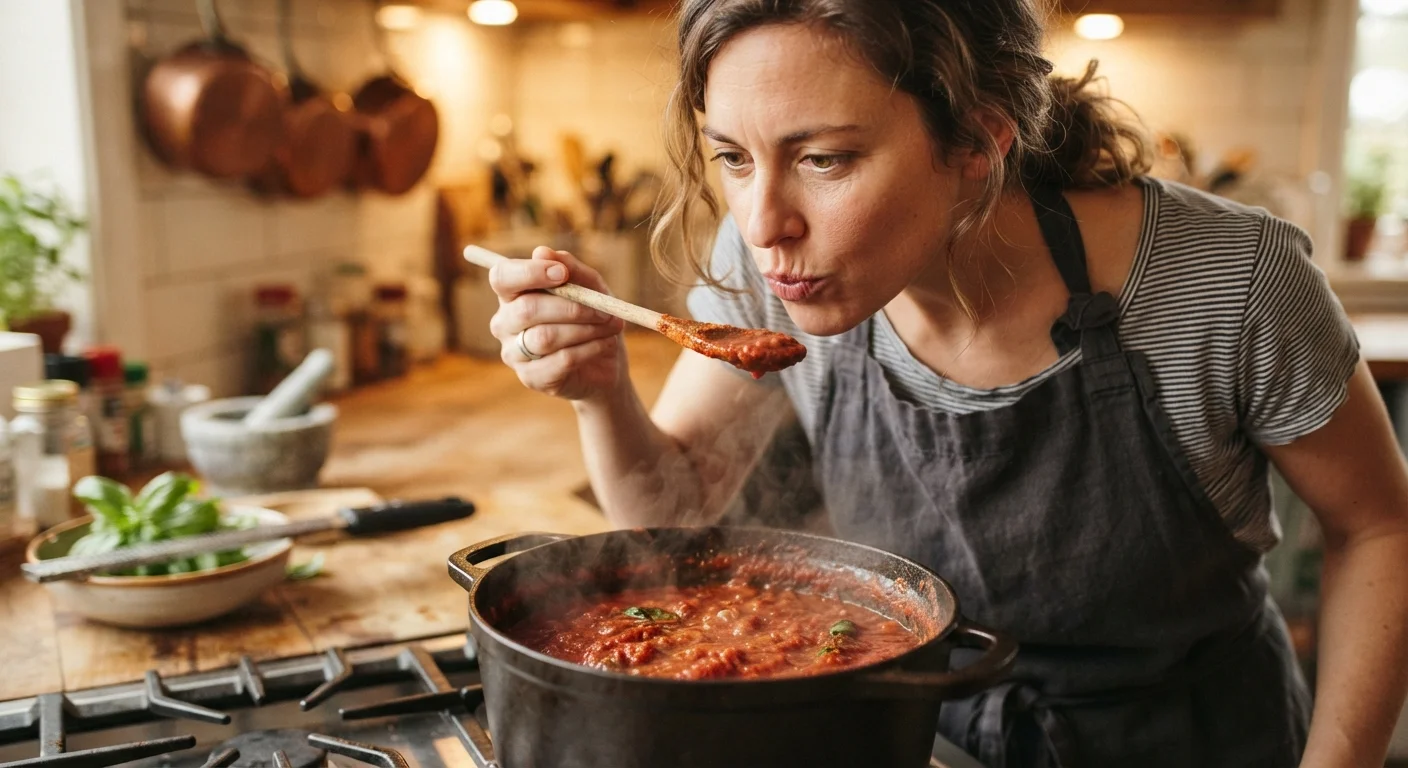
Building the habit of checking doneness carefully connects directly to tasting as you cook - both skills train you to engage actively with what's happening in the pan rather than relying on autopilot.
Putting It All Together
Judging doneness is a skill you build over time by paying close attention. Start with a thermometer for proteins - it removes guesswork entirely and protects against foodborne illness. For everything else, train yourself to check texture, color changes, and visual cues before you plate. Reading a recipe carefully before you start helps you know which doneness cues to look for before you turn on the heat.
Many common kitchen beliefs about doneness - like the idea that sealed-in juices keep meat moist, or that pink always means undercooked - are worth examining critically. Common cooking myths often fill the gap where clear technique should be. The more concrete your understanding of how food actually cooks, the less you'll need to guess.